


Burping your baby is a crucial part of feeding, whether you’re breastfeeding or bottle-feeding. It helps to release any air swallowed during feeding, preventing discomfort and reducing the likelihood of spitting up. In this blog post, we’ll explore the importance of burping your baby, various techniques to effectively burp your baby, and tips to ensure a smooth and comfortable experience for both you and your little one.
Why Burping is Important
Preventing Discomfort: Babies often swallow air while feeding, which can cause gas and discomfort. Burping helps release this trapped air, preventing fussiness and discomfort after feeding.
Reducing Spit-Up: Burping can reduce the likelihood of spit-up by helping your baby expel any excess air that might push milk back up. This can lead to a more settled stomach and a happier baby.
Improving Digestion: By relieving gas pressure, burping aids in digestion and helps your baby feel more comfortable, making it easier for them to sleep and play.
Effective Burping Techniques
Over-the-Shoulder Burping: Hold your baby upright against your chest with their head resting on your shoulder. Support their bottom with one hand while gently patting or rubbing their back with the other hand. This position helps the air rise and be expelled more easily.
Sitting on Your Lap: Sit your baby on your lap, facing away from you. Use one hand to support their chest and head, keeping their chin off their chest. With your other hand, gently pat or rub their back. This position is particularly useful if your baby tends to swallow a lot of air during feeding.
Lying on Your Lap: Lay your baby face down across your lap, with their tummy resting on your legs. Support their head with one hand and gently pat or rub their back with the other. This position can be soothing and effective, especially for babies who are particularly gassy.
When to Burp Your Baby
During Feeding: Try to burp your baby midway through feeding, especially if they seem fussy or start pulling away from the breast or bottle. This can help release any air swallowed during the first part of the feed and make room for more milk.
After Feeding: Always burp your baby after feeding to ensure any remaining air is expelled. This can help prevent spit-up and keep your baby comfortable.
Tips for Effective Burping
Be Gentle: Use gentle patting or rubbing motions to avoid causing discomfort. Remember, the goal is to release trapped air, not to forcefully expel it.
Patience is Key: Some babies may take longer to burp than others. Be patient and give your baby time to release the air. If they don’t burp after a few minutes, try a different position.
Keep Your Baby Upright: After feeding and burping, try to keep your baby upright for at least 10-15 minutes. This can help prevent spit-up and aid in digestion.
Signs Your Baby Needs to Burp
Fussiness During Feeding: If your baby becomes fussy or pulls away from the breast or bottle during feeding, it may be a sign they need to burp.
Arched Back: Babies who are uncomfortable due to trapped air may arch their back or squirm during feeding. Burping can help alleviate this discomfort.
Spitting Up: Frequent spit-up after feeding can indicate that your baby needs to burp more effectively. Incorporate regular burping breaks during and after feeding to reduce spit-up incidents.
Moogco Silver Nursing Cups: Enhancing Your Breastfeeding Journey
While burping your baby is essential, ensuring your own comfort during breastfeeding is equally important. Moogco silver nursing cups provide natural antibacterial protection, promoting healing and preventing infections like cracked nipples. Their smooth surface reduces friction and irritation, allowing you to focus on nourishing and caring for your baby.
Conclusion
Burping your baby is a simple yet essential practice that can significantly enhance their feeding experience and overall comfort. By understanding the importance of burping and using effective techniques, you can help your baby release trapped air, reduce discomfort, and prevent spit-up. Incorporating tools like Moogco silver nursing cups can further support your breastfeeding journey, ensuring both you and your baby enjoy a comfortable and healthy feeding experience. Embrace these techniques with confidence, knowing you are taking proactive steps to care for your baby’s well-being.

Featured pick from Moogco
MOOGCO Silver Nursing Cups 999k Silver - BPA-Free for Babies & Toddlers
$46.90 $52.90
Shop this pick → Bring this guide home with 15% off.
Use code HAPPYSPRING for 15% off →Need backup on your shoulder? Browse our muslin burp cloths collection for soft, absorbent sets that get softer with every wash. US orders over $100 ship free.
Frequently Asked Questions
How long should I try to burp my baby before giving up?
Try burping your baby for about 5 minutes in one position. If no burp comes, switch to a different burping position and try for another few minutes. Some babies simply don't need to burp every time, so if your little one seems comfortable and content, it's okay to move on. Trust your instincts and watch for signs of discomfort that might mean they still need to release trapped air.

Do breastfed babies need to be burped as often as formula-fed babies?
Breastfed babies typically swallow less air than bottle-fed babies because they control the milk flow better at the breast. However, every baby is different, and some breastfed babies still swallow air and need regular burping. Pay attention to your baby's cues during and after feeding. If they seem fussy, squirmy, or uncomfortable, offer a burping break regardless of how they're being fed.
Free US shipping over $100
Picks From This Story
Picks related to this guide, ready to ship from Moogco.
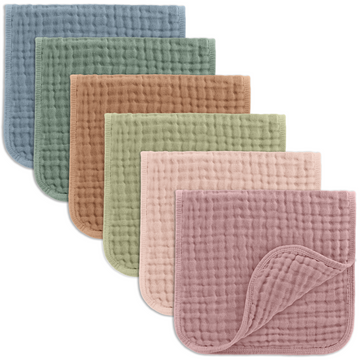
Comfy Cubs Muslin Burp Cloths Multicolor 6-Layer 20x...
$29.99
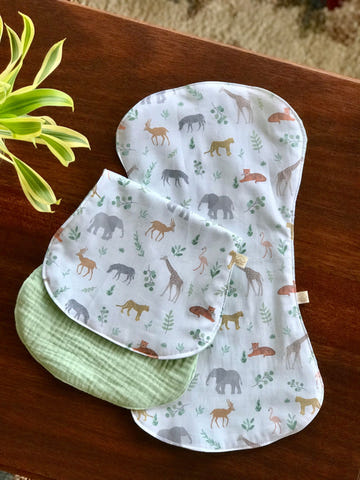
Wendy Anne Baby Animals Cotton Mint Green Burp Cloth...
$29.00
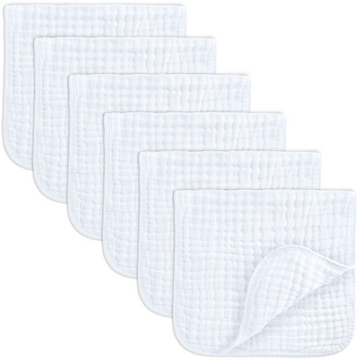
Comfy Cubs Muslin Burp Cloths White 20x10 6-Layer 6 ...
$34.99
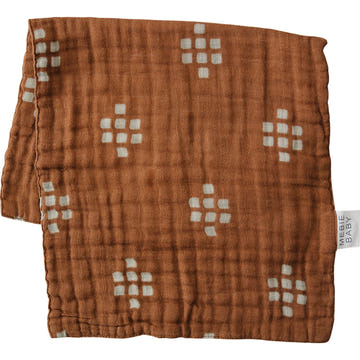
Mebie Baby Chestnut Textile Muslin Burp Cloth 20 x 11
$5.00
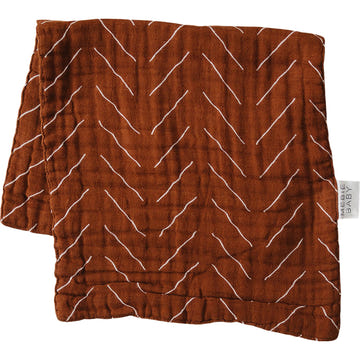
Mebie Baby Rust Mudcloth Burp Cloth 20 x 11 inches
$5.00

Wendy Anne Burp Cloth Organic Cotton Double Gauze 8 ...
$7.50
Real essentials, picked by real moms
Take 15% off at checkout, applied automatically when you shop through this link.
Shop with HAPPYSPRING →Free US shipping over $100. Code applies automatically at checkout.
Is it normal for my baby to not burp every time?
Yes, it's completely normal for babies to skip burping occasionally. Not every feeding session results in swallowed air, especially if your baby feeds calmly and efficiently. If your baby seems comfortable, settled, and isn't showing signs of gas or discomfort, there's no need to worry if a burp doesn't come. Focus on watching your baby's behavior rather than expecting a burp every single time.
Can I burp my baby while they're sleeping?
You can gently burp a drowsy or sleeping baby, especially after nighttime feedings. Hold them upright against your shoulder and use very gentle patting or rubbing motions. Many sleeping babies will release air without fully waking. If your baby seems deeply asleep and comfortable, and they didn't show signs of swallowing much air during feeding, you can skip the burp and lay them down safely to continue sleeping.
What if my baby spits up even after burping?
Some spit-up is normal even with proper burping, as babies have immature digestive systems and a relaxed valve between the stomach and esophagus. As long as your baby is gaining weight well and seems happy and healthy, occasional spit-up isn't cause for concern. Keep your baby upright for 15 to 20 minutes after feeding, and consider smaller, more frequent feedings if spit-up is excessive. Contact your pediatrician if spit-up is forceful, frequent, or accompanied by poor weight gain.
More Related Picks
A few more favorites from the same collection.
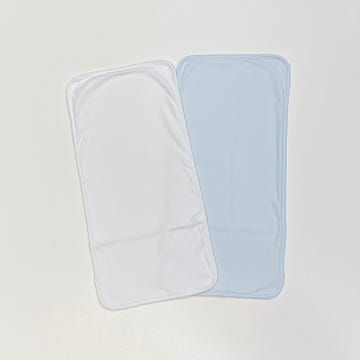
Unisex Burp Cloth
$7.50
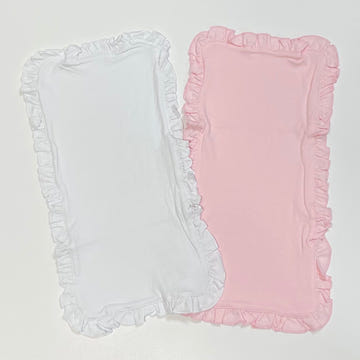
Ruffle Burp Cloth
$8.00
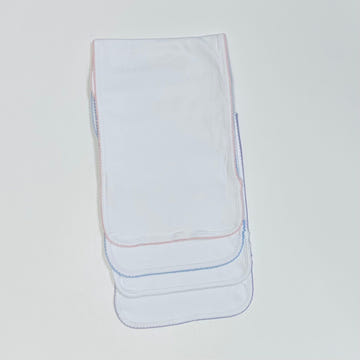
IMPERFECT Picot Trim Burp Cloth - PLESAE READ DESCRI...
$4.00
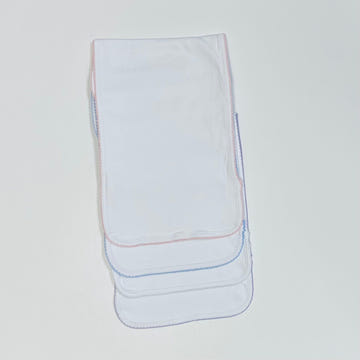
Picot Trim Burp Cloth
$10.00
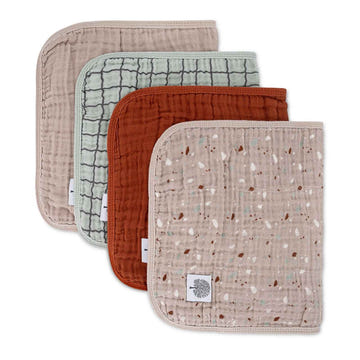
Pebble Set - Muslin Burp Cloths (4 Pack)
$24.00
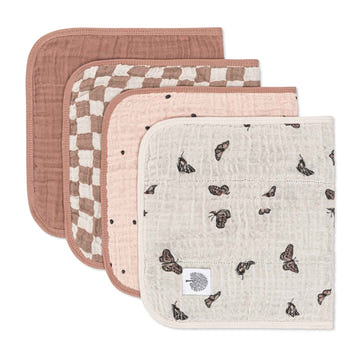
Butterfly Set - Muslin Burp Cloths (4 Pack)
$24.00
Should I wake my baby to burp them if they fall asleep while feeding?
If your baby falls asleep peacefully during feeding without showing signs of discomfort, you don't necessarily need to wake them for burping. However, if they tend to be gassy or fussy after feeds, gently lift them to an upright position while they're drowsy. Many babies will burp in their sleep with minimal disturbance. Let your baby's typical patterns and comfort level guide your decision.
Why does my baby cry more when I try to burp them?
Some babies find certain burping positions uncomfortable, or they may simply want to continue feeding rather than pause for burping. Try different positions to find what works best for your baby, and ensure you're supporting their head and body securely. The crying might also mean they're still hungry, so try burping earlier in the feed or waiting until they're more satisfied. Gentle, soothing motions combined with patting can help calm a fussy baby during burping time.
At what age do babies stop needing to be burped?
Most babies need burping until around 4 to 6 months of age, though this varies by baby. As babies develop better head and neck control and their digestive systems mature, they naturally swallow less air and can release gas on their own. You'll notice your baby needs burping less frequently as they grow. By the time they're sitting up independently and starting solids, burping typically becomes unnecessary, though some babies may benefit from it a bit longer.
From Moogco Studio
Printable and personalized nursery essentials. Designed by moms for moms.


About the Editor
Eda Ulger is the editor at Moogco Baby and a mom of two. She curates and edits our guides so every piece is honest, practical, and genuinely helpful for the early days of motherhood.
Shop This Story
Picks related to this guide, ready to ship from Moogco.
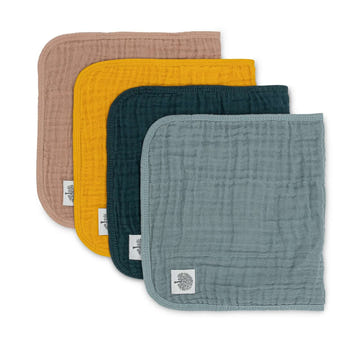
Dune Set - Muslin Burp Cloths (4 Pack)
$24.00
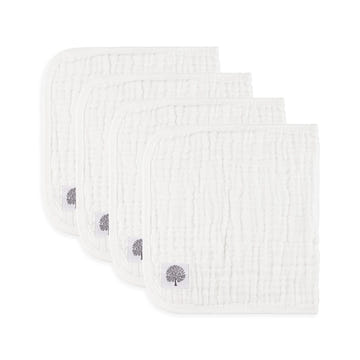
White Set - Muslin Burp Cloths (4 Pack)
$24.00
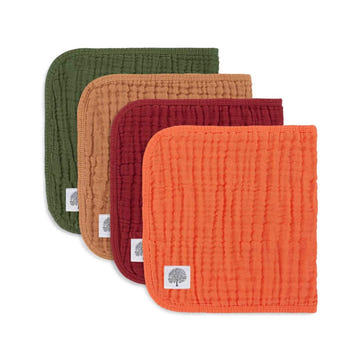
Estes Set - Muslin Burp Cloths (4 Pack)
$24.00
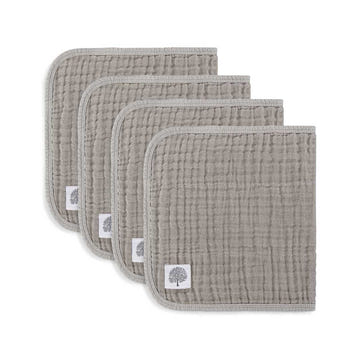
Gray Set - Muslin Burp Cloths (4 Pack)
$24.00
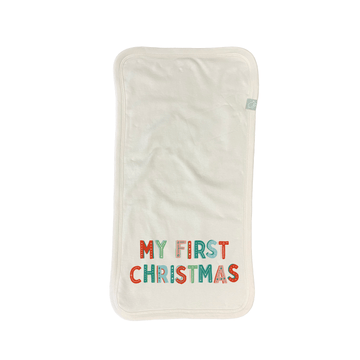
Finn + Emma My First Christmas Burp Cloth Organic Co...
$12.00
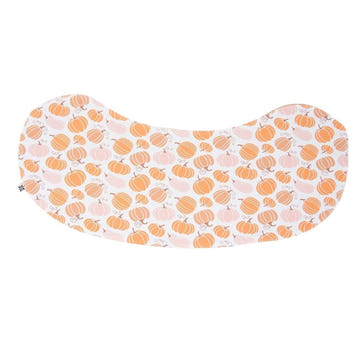
Manymoons Burp Cloth Pumpkin 24 x 16 Kidney Shape
$7.00
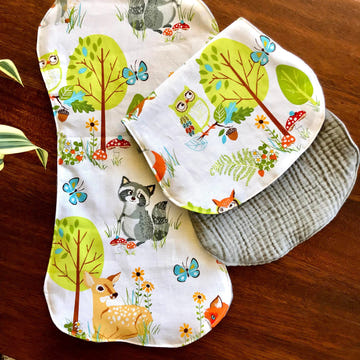
Wendy Anne Burp Cloth Set Vintage Animals Gray 2-Pac...
$29.00
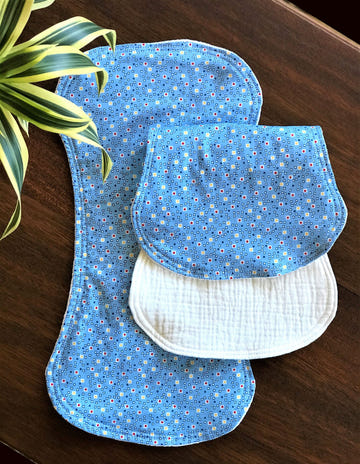
Wendy Anne Burp Cloth Set Modern Blue Dots 2-Pack 8x16
$29.00
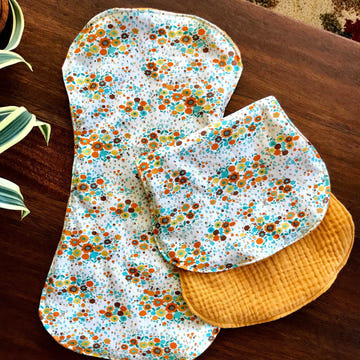
Wendy Anne Vintage Summer Flowers Burp Cloth Set of ...
$29.00
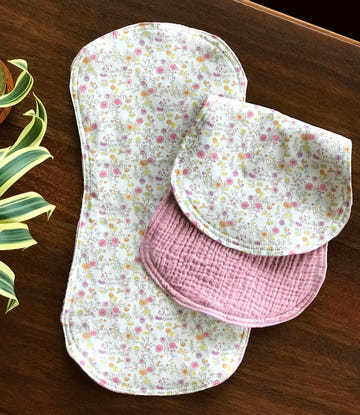
Wendy Anne Spring Flowers with Pink Burp Cloth Set o...
$29.00