


Playtime isn’t just about fun—it’s essential for your baby’s physical, emotional, and cognitive growth. Through play, babies explore their world, build new skills, and begin to understand cause and effect, social interaction, and self-expression. Here’s a guide to age-appropriate play and why it matters for development.
Why Play Is Crucial for Babies
Play supports development in five key areas:

✔️ Motor Skills: Reaching, grasping, rolling, crawling, and walking. ✔️ Cognitive Growth: Cause and effect, object permanence, problem-solving. ✔️ Language Skills: Listening, babbling, and eventually speaking. ✔️ Social-Emotional Learning: Bonding, sharing, and recognizing emotions. ✔️ Sensory Exploration: Touching, tasting, hearing, and observing the world.
Free US shipping over $100
Real essentials, picked by real moms
Take 25% off at checkout, applied automatically when you shop through this link.
Shop with READER25 →Free US shipping over $100. Code applies automatically at checkout.
Dr. Maya Bennett, Child Development Specialist: “Play is how babies make sense of their environment. Every interaction—even a smile or rattle shake—is building a pathway in their brain.”
Picks From This Story
Picks related to this guide, ready to ship from Moogco.
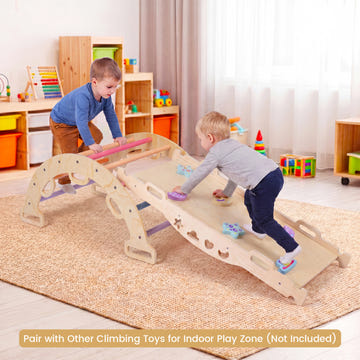
Wooden Rocking Climbing Arch with Cushion 3-in-1 Mon...
$59.99
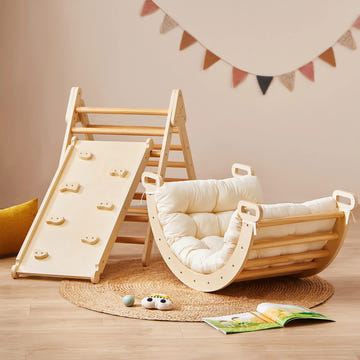
Tiny Land 7-in-1 Montessori Climbing Set with Thick ...
$199.99
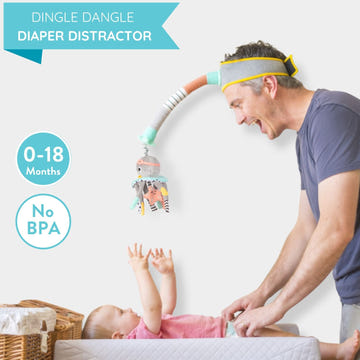
Dingle Dangle Baby Diaper Changing Distractor Head-W...
$32.99
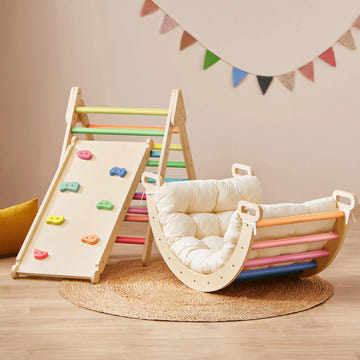
Tiny Land® 7-in-1 Rainbow Climbing Set with Thick Pl...
$199.99
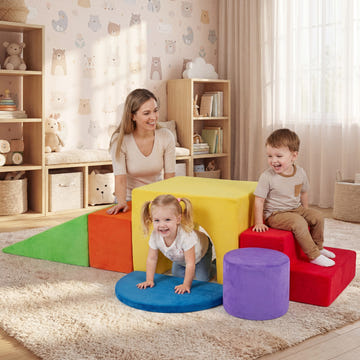
6 Pieces Foam Climbing Blocks for Kids with Slide an...
$73.99
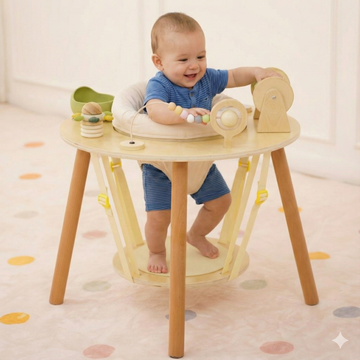
Aldar Convertible Montessori Activity Table
$199.00
Age-Appropriate Play Ideas
0–3 Months: Sensory Bonding
✅ Tummy time to build neck and core strength ✅ Soft music or singing to encourage auditory development ✅ High-contrast black-and-white books or toys ✅ Gentle stroking or infant massage for tactile stimulation
4–6 Months: Grabbing & Giggling
✅ Soft rattles and toys that crinkle or squeak ✅ Mirrors to explore facial expressions ✅ Games like peek-a-boo to teach object permanence ✅ Practice rolling and reaching for toys
7–9 Months: Active Exploration
✅ Stacking cups and textured toys ✅ Floor play to encourage crawling or scooting ✅ Play with cause-and-effect toys (pressing buttons, opening lids) ✅ Singing nursery rhymes with motions
10–12 Months: Learning Through Imitation
✅ Push-pull toys to promote walking ✅ Pretend play with dolls or stuffed animals ✅ Sorting shapes and colors ✅ Imitating simple tasks like brushing hair or using a spoon
💡 Tip: Always follow your baby’s lead. If they lose interest, switch gears or offer a break.
Creating a Play-Friendly Environment
✔️ Keep toys organized and accessible. ✔️ Use a soft mat or rug for floor play. ✔️ Rotate toys regularly to keep things interesting. ✔️ Limit screen time and prioritize real-world interaction.
Dr. Rachel Kim, Pediatric Psychologist: “Play that includes interaction with caregivers is especially powerful. Eye contact, conversation, and shared laughter are all rich developmental experiences.”
More Related Picks
A few more favorites from the same collection.
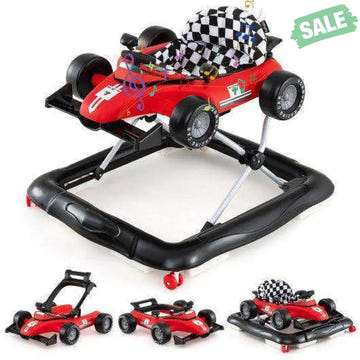
4-in-1 Baby Push Walker Activity Center Height Adjus...
$59.99
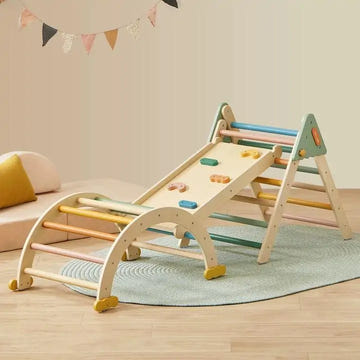
Tiny Land® 7-in-1 Morandi Pikler Triangle Set
$159.99
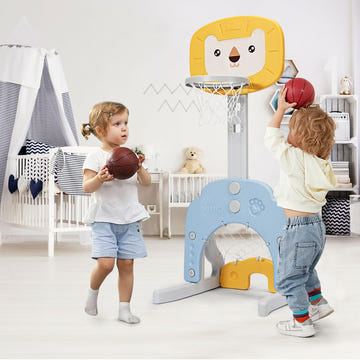
3-in-1 Adjustable Kids Basketball Hoop Sports Set - ...
$52.99
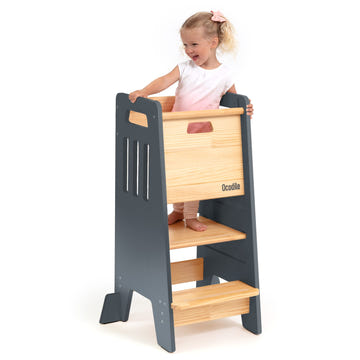
Standing Toddler Tower with Sliding Safety Door
$129.99
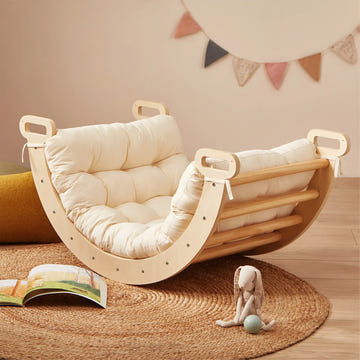
Tiny Land Thick Padded Play Cushion Arch Not Included
$74.99
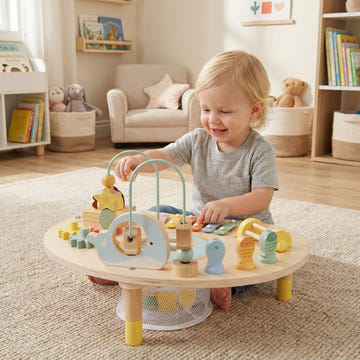
7-in-1 Toddler Activity Table Montessori Sensory Toy...
$39.99
The Role of Moogco Silver Nursing Cups
Breastfeeding often happens during or after play sessions. Sore nipples can make it harder to enjoy these bonding moments. Moogco Silver Nursing Cups offer natural relief, so moms can stay comfortable while nurturing connection.
📌 Shop now: Moogco Silver Nursing Cups on Amazon
Final Thoughts: Play Is the Work of Childhood
Every coo, wiggle, and giggle is your baby learning and growing. Make time for play every day, and remember—it’s not about fancy toys, but loving interaction. Your presence is the best toy of all.
🛒 Explore playful baby essentials at Moogco Baby.
Bring this guide home with 25% off.
Use code READER25 for 25% off →
Frequently Asked Questions
How much playtime does my newborn actually need each day?
Newborns benefit from short, frequent play sessions throughout the day, typically 5 to 10 minutes at a time. Start with tummy time, gentle singing, and face-to-face interaction during alert periods. Even small moments of engagement add up and support brain development beautifully.
Can I overstimulate my baby during playtime?
Yes, babies can become overstimulated if play is too intense or prolonged. Watch for cues like turning away, fussiness, or yawning. If your baby seems overwhelmed, offer a calm, quiet environment and some cuddle time to help them reset.
Is tummy time considered play or exercise?
Tummy time is both! It builds essential neck, shoulder, and core strength while also offering sensory exploration. Make it playful by getting down at eye level, using colorful toys, or singing songs. Even a few minutes several times a day makes a big difference.
What if my baby doesn't seem interested in toys?
That's completely normal, especially in the early months. Babies are often more interested in faces, voices, and simple household objects than traditional toys. Your animated expressions and gentle touch are the most engaging tools you have.
Should I always play with my baby or let them play alone?
A healthy mix is ideal. Interactive play with you builds bonding and language skills, while independent play fosters curiosity and self-soothing. Even young babies can benefit from a few minutes exploring toys on their own while you stay nearby.
When do babies start understanding games like peek-a-boo?
Most babies begin to enjoy and understand peek-a-boo around 4 to 6 months as they develop object permanence. This milestone means they're learning that things still exist even when out of sight. It's a fun, developmentally rich game that also strengthens your bond.
Are expensive toys better for my baby's development?
Not at all. Simple, safe objects like wooden spoons, soft fabric, or stacking cups can be just as stimulating as pricey toys. What matters most is variety in texture, sound, and color, plus your loving interaction during play.
How can I make playtime educational without it feeling like a lesson?
Follow your baby's lead and narrate what they're doing. Describe colors, textures, and actions in a warm, conversational tone. Learning happens naturally through exploration and repetition, not through structured teaching. Keep it joyful and pressure-free.
From Moogco Studio
Printable and personalized nursery essentials. Designed by moms for moms.


About the Editor
Eda Ulger is the editor at Moogco Baby and a mom of two. She curates and edits our guides so every piece is honest, practical, and genuinely helpful for the early days of motherhood.
Shop This Story
Picks related to this guide, ready to ship from Moogco.
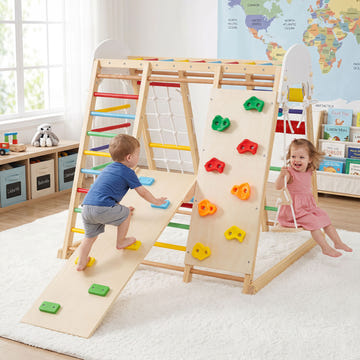
8-in-1 Foldable Indoor Jungle Gym for Kids with Swin...
$169.99
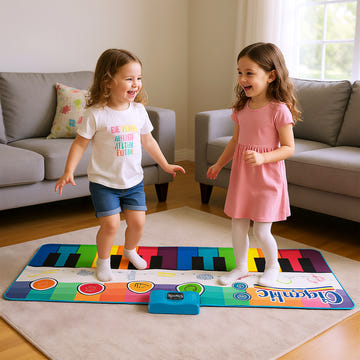
Floor Piano Dance Mat for Kids Musical Playmat with ...
$49.99
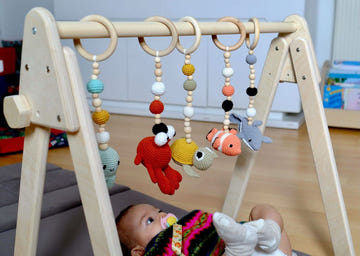
Kidodido Baby Play Gym Wooden Montessori Foldable wi...
$76.97
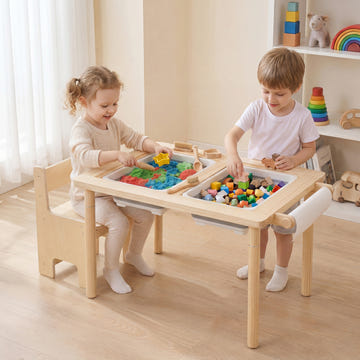
Kids Sensory Table Set with Adjustable Height and 2 ...
$79.99
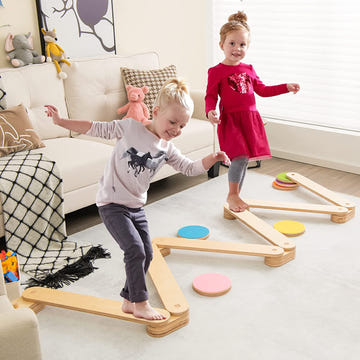
12-Piece Kids Wooden Balance Beam with Colorful Stee...
$47.99
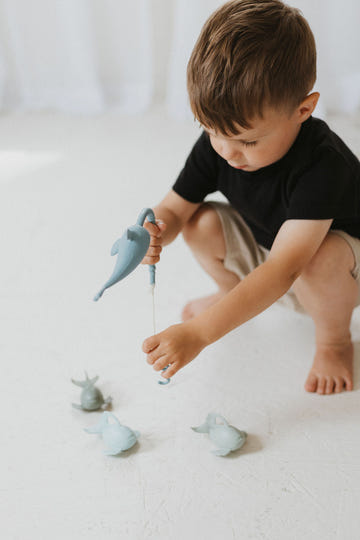
ShopMyLittleSongbird Silicone Fishing Set 3 Fish 1 N...
$15.99
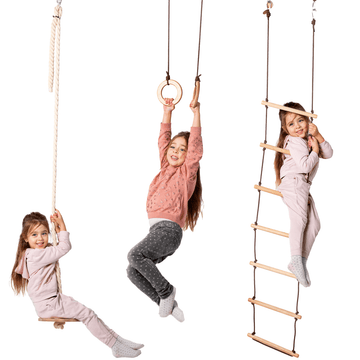
Goodevas 3in1 Swing Climbing Set Rope Ladder Gym Rin...
$79.00
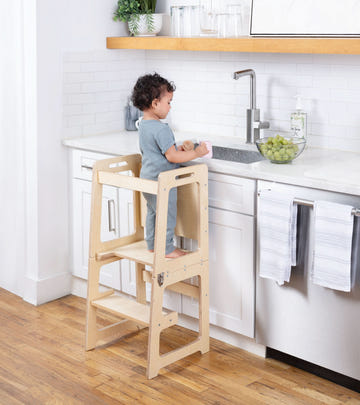
Avenlur 4-in-1 Convertible Toddler Kitchen Tower Des...
$98.00
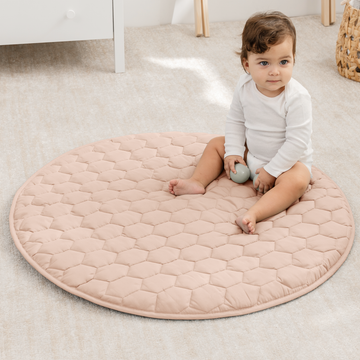
Comfy Cubs Play Mat with Non-Slip Bottom Blush round...
$34.99
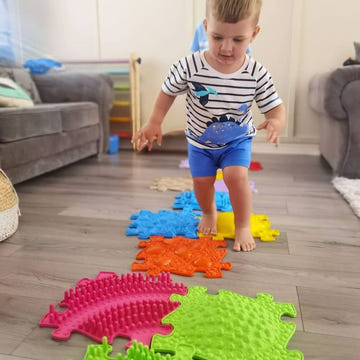
Rainbow Sensory Playmat Set
$104.95