


Breastfeeding is a crucial time for both mother and baby, as it provides essential nutrients that support a baby's growth and development. As a breastfeeding mother, your diet plays a significant role in ensuring that your baby receives the best possible nutrition through your breast milk. This blog post will explore the importance of a balanced diet during breastfeeding, highlighting what to eat, what to avoid, and how certain foods can impact both you and your baby.
Why Diet Matters During Breastfeeding
Nutrient Transfer to Baby: The quality of your breast milk is directly influenced by what you eat. While your body is remarkably efficient at producing nutritious milk, your diet can enhance or diminish the levels of certain vitamins and minerals available to your baby. Consuming a well-balanced diet ensures that your baby receives the nutrients they need for healthy growth.
Maintaining Your Energy Levels: Breastfeeding requires extra energy, and eating a nutritious diet helps maintain your energy levels. A well-rounded diet supports your body’s increased caloric demands and helps you stay energized throughout the day, which is especially important during those sleepless nights and busy days with a newborn.
Supporting Your Postpartum Recovery: Your body undergoes significant changes during pregnancy and childbirth. Eating a nutrient-rich diet during breastfeeding aids in your recovery, supports hormonal balance, and helps replenish depleted nutrient stores, particularly if you experienced blood loss during delivery.
What to Eat While Breastfeeding
Protein-Rich Foods: Protein is essential for the growth and repair of tissues, both for you and your baby. Include sources of lean protein such as chicken, turkey, eggs, beans, lentils, and fish in your diet. Fish rich in omega-3 fatty acids, like salmon and sardines, are particularly beneficial as they support brain development in your baby.
Fruits and Vegetables: Fresh fruits and vegetables are packed with vitamins, minerals, and antioxidants that are essential for your health and your baby’s development. Aim to include a variety of colorful fruits and vegetables in your diet, such as berries, leafy greens, carrots, and bell peppers. These provide essential nutrients like vitamin C, vitamin A, and folate.
Whole Grains: Whole grains like oats, brown rice, quinoa, and whole wheat bread are excellent sources of energy and fiber. They help keep you full, support healthy digestion, and provide B vitamins that are important for energy production and overall well-being.
Healthy Fats: Healthy fats are important for the production of breast milk and the development of your baby’s brain and nervous system. Include sources of healthy fats such as avocados, nuts, seeds, and olive oil in your diet. These fats also help with the absorption of fat-soluble vitamins like A, D, E, and K.
Calcium-Rich Foods: Calcium is crucial for maintaining your bone health, especially during breastfeeding. Incorporate calcium-rich foods like dairy products (milk, yogurt, cheese), leafy greens (kale, spinach), and fortified plant-based milks into your meals.
Hydration: Staying hydrated is vital during breastfeeding, as it helps maintain your milk supply and supports your overall health. Aim to drink plenty of water throughout the day, and consider herbal teas or clear soups as additional hydrating options. Keep a water bottle nearby while breastfeeding to remind yourself to drink regularly.
Foods to Avoid or Limit While Breastfeeding
Caffeine: While moderate caffeine consumption is generally safe during breastfeeding, excessive intake can lead to irritability and sleep disturbances in your baby. Limit your caffeine intake to about 200-300 mg per day, which is roughly equivalent to one to two cups of coffee. Be mindful of other sources of caffeine, such as tea, chocolate, and certain soft drinks.
Alcohol: Alcohol can pass into breast milk and affect your baby’s development. If you choose to drink alcohol, it’s best to do so in moderation and to wait at least two hours per drink before breastfeeding to allow your body time to metabolize the alcohol. Alternatively, you can pump and store milk in advance if you plan to drink alcohol.
High-Mercury Fish: While fish is a healthy part of a breastfeeding diet, certain types of fish high in mercury should be avoided. Mercury can accumulate in your body and pass into breast milk, potentially harming your baby’s developing nervous system. Avoid high-mercury fish like shark, swordfish, king mackerel, and tilefish, and opt for low-mercury options like salmon, sardines, and trout.
Processed and Sugary Foods: Processed foods and those high in added sugars offer little nutritional value and can lead to energy crashes. These foods can also contribute to weight gain and make it harder for you to maintain a balanced diet. Instead, focus on whole, unprocessed foods that provide lasting energy and essential nutrients.
Allergens: If you or your family has a history of food allergies, you may want to monitor your baby for any signs of sensitivity when introducing potentially allergenic foods into your diet, such as peanuts, dairy, or eggs. Consult with your healthcare provider if you suspect your baby is reacting to something you’re eating.
Moogco Silver Nursing Cups: Supporting Your Breastfeeding Journey
As you focus on nourishing your body with the right foods, it’s equally important to ensure your breastfeeding experience is comfortable. Moogco silver nursing cups are designed to provide natural antibacterial protection and promote healing, making your breastfeeding journey as smooth and enjoyable as possible.
Benefits of Moogco Silver Nursing Cups:
Natural Antibacterial Properties: The natural antibacterial properties of silver help prevent infections and promote healing, ensuring your nipples stay healthy while you focus on maintaining a nutritious diet.
Comfort and Healing: Moogco silver nursing cups offer a soothing barrier between your nipples and clothing, reducing irritation and promoting comfort during breastfeeding.
Conclusion
Your diet plays a pivotal role in the breastfeeding journey, influencing not only your health but also the quality of nourishment your baby receives. By eating a balanced diet rich in protein, fruits, vegetables, whole grains, and healthy fats, you can support both your baby’s development and your own postpartum recovery. Remember to stay hydrated and be mindful of foods to avoid, such as high-mercury fish, excessive caffeine, and processed foods. With the right diet and the comfort of Moogco silver nursing cups, you can enjoy a healthy, fulfilling breastfeeding experience that benefits both you and your baby. Embrace this special time, knowing that the choices you make today are laying the foundation for your baby’s future health and well-being.
Bring this guide home with $15 off.
Use code READER15 for $15 off →
Frequently Asked Questions
How many extra calories do I need while breastfeeding?
Most breastfeeding mothers need an additional 300 to 500 calories per day compared to their pre-pregnancy intake. This helps support milk production and maintains your energy levels. Focus on nutrient-dense foods rather than empty calories to make those extra calories count for both you and your baby.

Can spicy foods affect my breast milk or upset my baby?
In most cases, spicy foods are safe to eat while breastfeeding and won't harm your baby. Some babies may be more sensitive and show signs of fussiness after you eat particularly spicy meals, but this varies from baby to baby. If you notice a pattern, try eliminating the food for a few days and reintroduce it to see if there's a connection.
Curated by moms, vetted by lactation pros
Picks From This Story
Picks related to this guide, ready to ship from Moogco.

The Original Silver Nursing Cups with Silicone Pads
$62.90
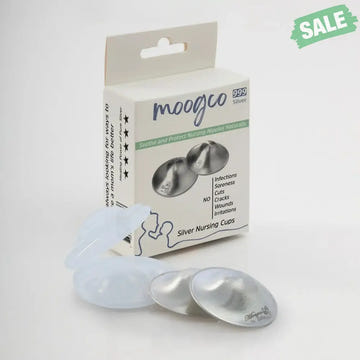
MOOGCO Silver Nursing Cups 999k Silver
$49.90
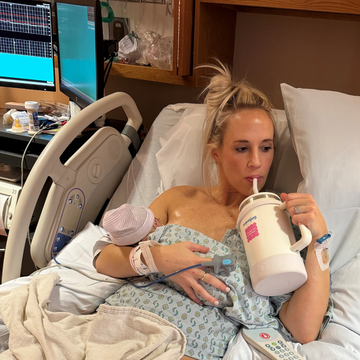
momjug breastfeeding water bottle 50oz double-wall s...
$49.99
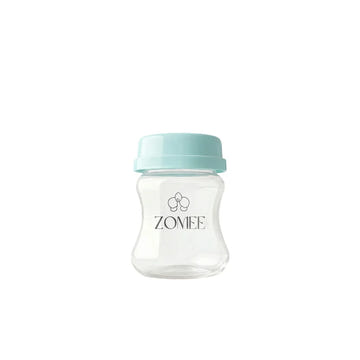
Zomee Breast Pumps Breast Milk Storage Bottles BPA-free
$3.99
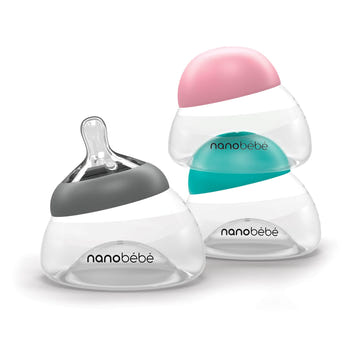
Nanobébé Breastmilk Baby Bottle 5 oz Pack Options Pi...
$16.99
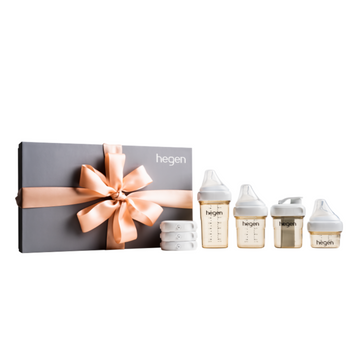
hegen PPSU Essentials Kit 60ml 150ml 240ml baby bottles
$99.99
Everything for the breastfeeding journey
Take $15 off at checkout, applied automatically when you shop through this link.
Shop with READER15 →Free US shipping over $100. Code applies automatically at checkout.
Will eating oatmeal really increase my milk supply?
Oatmeal is a popular galactagogue that many mothers find helpful for supporting milk production, though scientific evidence is limited. Oats are rich in iron, fiber, and complex carbohydrates that provide sustained energy and may help with milk letdown. While it may not work for everyone, oatmeal is a nutritious addition to your diet regardless of its effect on supply.
Do I need to take vitamins while breastfeeding?
Continuing a prenatal vitamin or taking a postnatal supplement is recommended while breastfeeding to help replenish your nutrient stores. Key nutrients like vitamin D, omega-3 fatty acids, and iron are particularly important during this time. Talk with your healthcare provider about which supplements are right for your individual needs based on your diet and health history.
How can I tell if my baby is reacting to something in my diet?
Common signs of food sensitivity in breastfed babies include excessive fussiness, gas, diarrhea, rash, or blood in the stool. If you suspect a food reaction, keep a food diary and note when symptoms occur, then consult your pediatrician. The most common culprits are dairy, soy, eggs, and wheat, but every baby is different.
More Related Picks
A few more favorites from the same collection.
Healthy Horizons Elvie Stride Diaphragms 2 Pack
$21.99
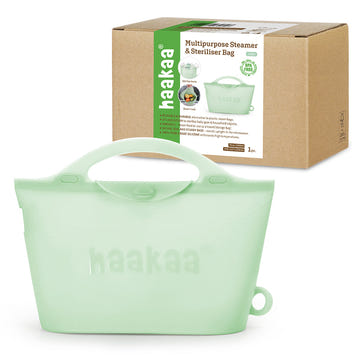
Haakaa Multipurpose Steamer & Sterilizer Bag 3 sizes...
$14.99
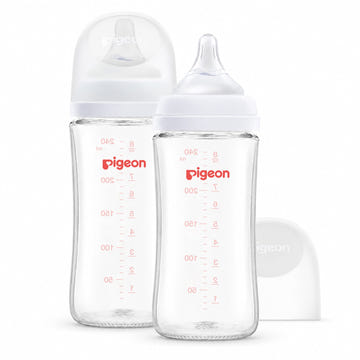
Pigeon Glass Wide Neck Baby Bottle 2-Pack 8.1 oz 3+ ...
$35.99
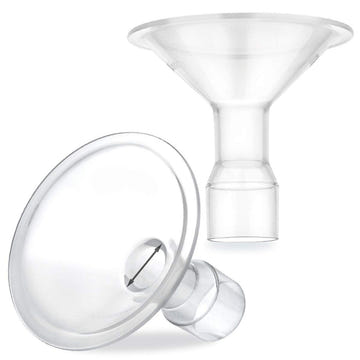
Bae & Bee Boutique Maymom Narrow Neck Flange compati...
$15.00
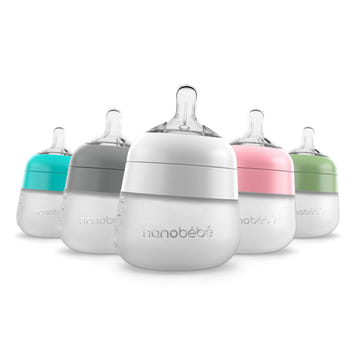
Nanobébé Flexy Silicone Baby Bottle 5oz
$16.99
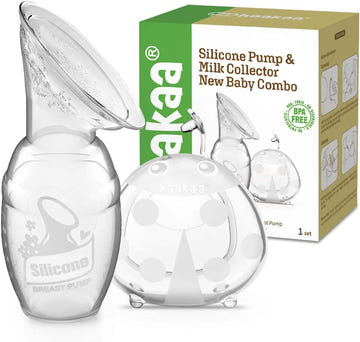
Haakaa Silicone Pump and Ladybug Milk Collector Comb...
$30.32
Is it safe to diet or try to lose weight while breastfeeding?
Gradual weight loss of about one pound per week is generally safe while breastfeeding and won't affect your milk supply. Avoid crash diets or extreme calorie restriction, as these can reduce milk production and leave you feeling exhausted. Focus on eating whole, nutritious foods and staying active rather than restricting calories too severely.
Can certain foods help prevent colic in my breastfed baby?
While there's no guaranteed diet to prevent colic, some mothers find that eliminating common trigger foods like dairy, caffeine, or cruciferous vegetables helps reduce fussiness. Colic has many potential causes beyond maternal diet, so it's important not to over-restrict your eating without guidance. Work with your pediatrician to rule out other causes before making major dietary changes.
Do I need to avoid garlic and onions while breastfeeding?
Most babies tolerate garlic and onions in their mother's diet without any issues, and these foods are nutritious additions to your meals. Some babies may be more sensitive to strong flavors, but this is relatively uncommon. Unless you notice specific fussiness or discomfort in your baby after eating these foods, there's no need to avoid them.
From Moogco Studio
Printable and personalized nursery essentials. Designed by moms for moms.


About the Editor
Eda Ulger is the editor at Moogco Baby and a mom of two. She curates and edits our guides so every piece is honest, practical, and genuinely helpful for the early days of motherhood.
Shop This Story
Picks related to this guide, ready to ship from Moogco.
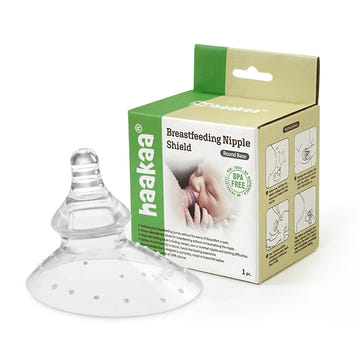
Haakaa Silicone Breastfeeding Nipple Shield Round Sh...
$19.05
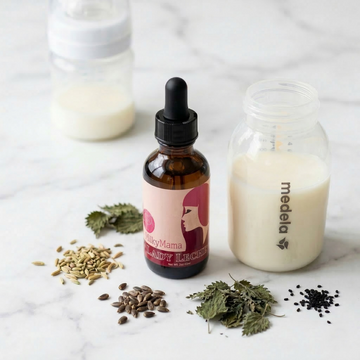
Milky Mama Lady Leche Lactation Liquid Grape Flavor ...
$27.00
Bae & Bee Boutique LactTube 5FR Pediatric Feeding Tu...
$3.00
Bae & Bee Boutique Cherry Shaped Nipple Shield 21mm ...
$14.00

Nanobébé Silicone Anti-Colic Baby Bottle Nipples Gen...
$5.99
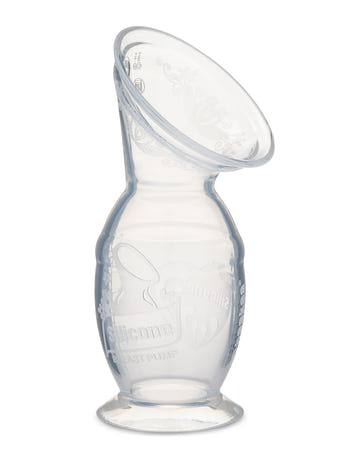
Haakaa Generation 2 Silicone Breast Pump 5 oz Suctio...
$20.99
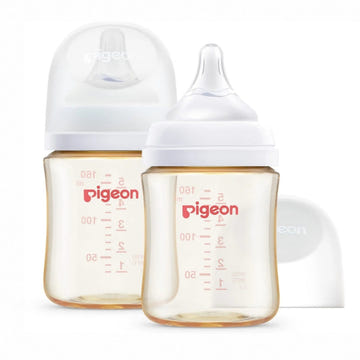
Pigeon PPSU Wide Neck Baby Bottle 2 Pack 5.4 oz Newborn
$34.99
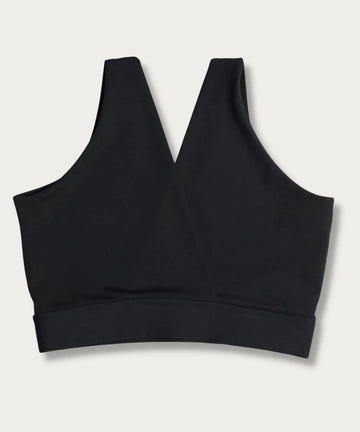
Nyssa FourthWear Postpartum Bralette Nursing and Pum...
$39.00
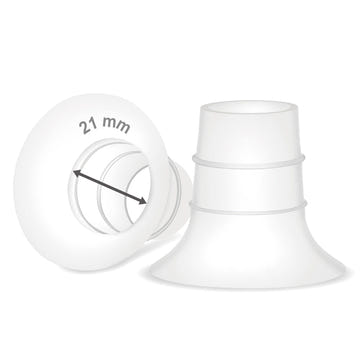
Bae & Bee Boutique Maymom Silicone Medela Flange Ins...
$6.00
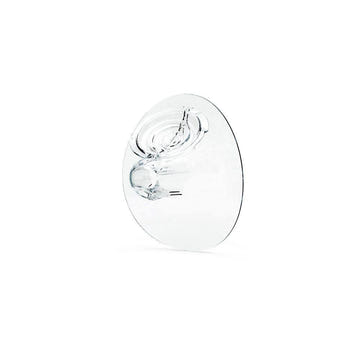
Healthy Horizons Elvie Pump Breast Shields 2 Pack 21...
$29.99