


Proper nutrition in the first year of life lays the foundation for a baby’s growth, brain development, and long-term health. Parents often wonder when and how to introduce solid foods, what nutrients are essential, and how to ensure their child develops healthy eating habits. This guide, backed by pediatricians and nutritional science, will help you navigate your baby’s nutritional needs with confidence.
Understanding Infant Nutritional Needs
The American Academy of Pediatrics (AAP) and the World Health Organization (WHO) recommend exclusive breastfeeding for the first six months of life, followed by the introduction of complementary foods while continuing breastfeeding for up to two years or beyond. However, formula-fed babies can also receive the necessary nutrients with properly balanced diets.

Dr. Emily Carter, Pediatric Nutritionist: “Breast milk or formula should remain the primary source of nutrition for the first year. Solid foods are meant to complement, not replace, these essential nutrients.”
Bottles, bowls, and baby-led picksMealtime, simplified
Take $15 off at checkout, applied automatically when you shop through this link.
Shop with MAMA15 →Free US shipping over $100. Code applies automatically at checkout.
Key Nutrients for Infant Development
✔️ Iron: Essential for brain development and oxygen transport. Found in fortified cereals, pureed meats, and lentils. ✔️ Omega-3 Fatty Acids (DHA): Supports brain and vision development. Present in fatty fish (salmon), flaxseeds, and fortified baby foods. ✔️ Vitamin D: Important for bone growth. Breastfed babies may need supplementation as per AAP guidelines. ✔️ Zinc: Supports immune function and cell growth. Found in meats, beans, and whole grains. ✔️ Protein: Helps muscle development and overall growth. Comes from eggs, dairy, and meats.
💡 Tip: Introduce a variety of foods early to help prevent picky eating and encourage a well-rounded diet.
Picks From This Story
Picks related to this guide, ready to ship from Moogco.
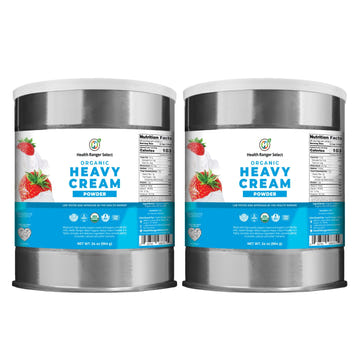
Health Ranger Store Organic Heavy Cream Powder 34oz ...
$159.95
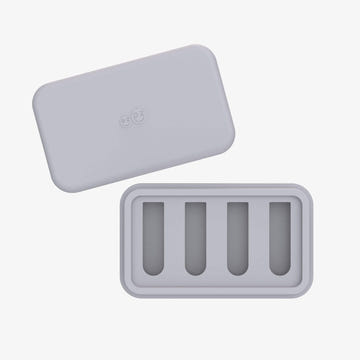
Ice Tray for the Baby-Led™ Gumline Feeder
$9.99
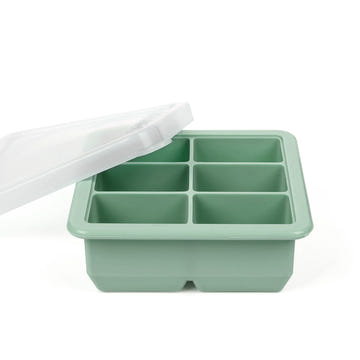
Haakaa Baby Freezer Tray Silicone 4 6 9 Compartment ...
$17.43
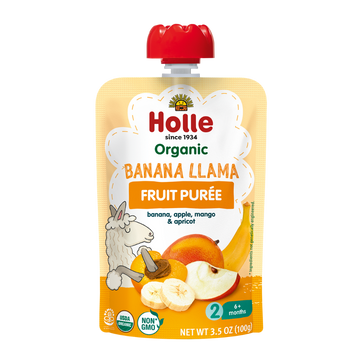
Holle Organic Banana Llama Fruit Purée Pouch Banana ...
$39.99
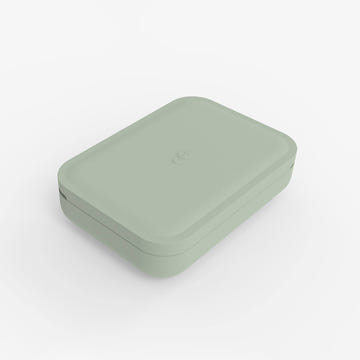
ezpz Baby-Led Weaning Travel Box all-in-one feeding ...
$19.99
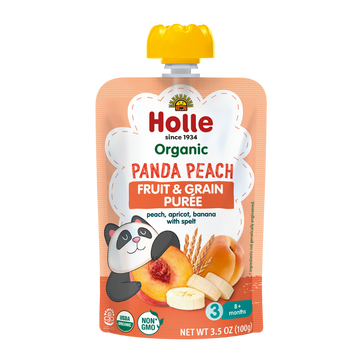
Holle Organic Panda Peach Fruit & Grain Purée Pouch ...
$39.99
When and How to Introduce Solid Foods
Babies typically show signs of readiness for solids between 4-6 months. The AAP recommends waiting until around 6 months for optimal digestive readiness.
Signs Your Baby is Ready for Solids:
🔹 Can sit up with minimal support 🔹 Shows interest in food (watching you eat, reaching for food) 🔹 Loss of tongue-thrust reflex (does not automatically push food out) 🔹 Can grasp small objects and bring them to their mouth
Best First Foods for Your Baby
The first foods should be soft, easy to digest, and rich in essential nutrients: ✅ Iron-Fortified Cereals – A great starting point for iron intake. ✅ Pureed Vegetables (Carrots, Sweet Potatoes, Peas) – Nutrient-dense and easy on the digestive system. ✅ Pureed Fruits (Bananas, Apples, Avocados) – Natural sources of fiber and vitamins. ✅ Soft Proteins (Pureed Chicken, Lentils, Scrambled Eggs) – Essential for growth and development.
Dr. Samuel Nguyen, Pediatric Gastroenterologist: “Introducing allergenic foods like peanut butter, eggs, and fish between 6-12 months may help reduce the risk of allergies, according to recent studies.”
Common Myths About Baby Nutrition
🔹 Myth: Babies need juice for vitamins.
✔️ Fact: The AAP advises against juice before age 1 due to high sugar content and lack of fiber.
🔹 Myth: Rice cereal is the best first food.
✔️ Fact: While iron-fortified cereals are beneficial, introducing a variety of foods is better for balanced nutrition.
🔹 Myth: Delaying allergenic foods prevents allergies.
✔️ Fact: Early exposure to allergens in a safe manner can actually lower the risk of food allergies.
More Related Picks
A few more favorites from the same collection.
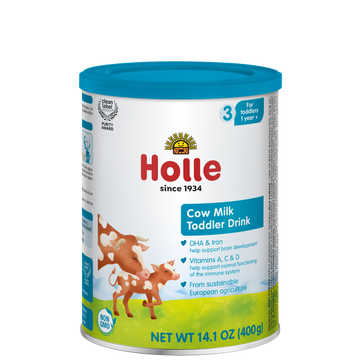
Holle Cow Milk Toddler Drink Stage 3 14 oz Grass Fed
$29.99
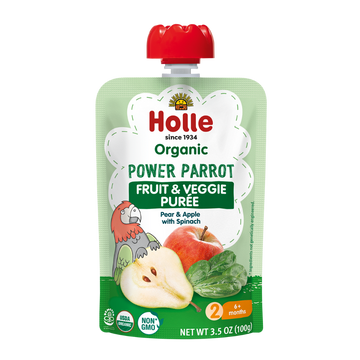
Holle Organic Power Parrot Fruit and Veggie Purée 3....
$39.99
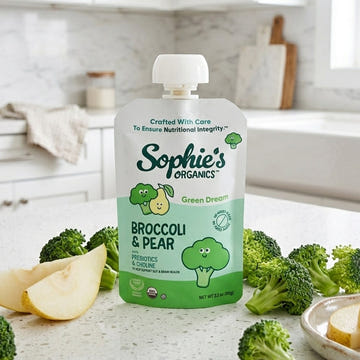
Green Dream Organic Pouches (6 pack)
$24.99
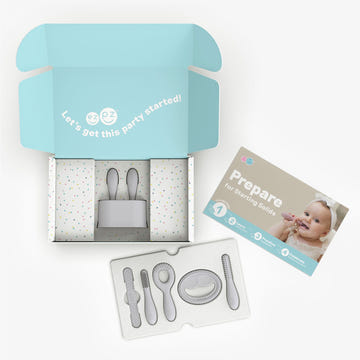
ezpz Kit 1 Prepare for Starting Solids pre-feeding t...
$50.00
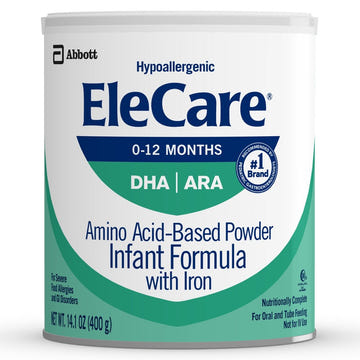
LL Medico EleCare Amino Acid Baby Formula 14.1 oz Can
$61.99
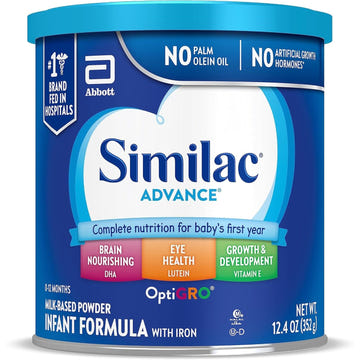
LL Medico Similac Advance Infant Formula Powder 12.4 oz
$30.99
The Role of Moogco Silver Nursing Cups
For breastfeeding mothers, sore nipples can make feeding challenging. Moogco Silver Nursing Cups provide natural antibacterial relief, helping to maintain breastfeeding comfort throughout the weaning process.
📌 Get yours today: Moogco Silver Nursing Cups on Amazon
Final Thoughts: Building a Healthy Future
A baby’s first foods should be rich in nutrients, safe to eat, and enjoyable. Establishing healthy eating habits early on fosters a lifetime of good nutrition. If you have concerns about your baby’s diet, consult your pediatrician for personalized guidance.
🛒 Find all your baby essentials at Moogco Baby
Bring this guide home with $15 off.
Use code MAMA15 for $15 off →
Featured pick from Moogco
Booginhead Baby LED Weaning 5-Piece Essentials Kit
$29.99
Shop this pick → Frequently Asked Questions
How much iron does my baby need when starting solids?
Babies 7 to 12 months need about 11 mg of iron daily, which is why iron-fortified cereals and pureed meats are recommended first foods. Since iron stores from birth begin to deplete around 6 months, introducing iron-rich foods becomes crucial. Your pediatrician can check iron levels if you have concerns about deficiency.
Can I make my own baby food instead of buying store-bought jars?
Absolutely! Homemade baby food can be just as nutritious and often more cost-effective than commercial options. Simply steam or bake vegetables, fruits, and proteins, then puree to the right consistency. Just avoid adding salt, sugar, or honey (honey is unsafe before age 1), and ensure proper storage and hygiene.
What is the best way to introduce peanut butter to prevent allergies?
Mix a small amount of smooth peanut butter with breast milk, formula, or pureed fruit to thin it out, as thick peanut butter is a choking hazard. Start with about 1/4 teaspoon and watch for any reaction over the next few hours. Research shows early introduction between 6 and 12 months may actually reduce allergy risk.
How do I know if my baby is getting enough nutrients from solid foods?
In the first year, breast milk or formula still provides most of your baby's nutrition, so solids are really about exploration and supplementation. Watch for steady weight gain, regular wet diapers, and normal energy levels. Your pediatrician will track growth curves at wellness visits to ensure your baby is thriving.
Should I avoid giving my baby eggs because of cholesterol?
No, eggs are excellent first foods packed with protein, healthy fats, and choline for brain development. Babies and toddlers need dietary cholesterol for growth and brain health, unlike adults who may need to limit it. Scrambled or hard-boiled eggs mashed with a little breast milk make a perfect early protein.
When can my baby start eating finger foods instead of purees?
Most babies are ready for soft finger foods around 8 to 10 months when they develop the pincer grasp and can chew with their gums. Start with small, soft pieces like steamed carrot sticks, banana slices, or shredded chicken. Always supervise closely and avoid choking hazards like whole grapes, nuts, or hard raw vegetables.
Is it normal for my baby to refuse certain foods multiple times?
Yes, it can take 10 to 15 exposures before a baby accepts a new food, so don't give up after the first few tries! Keep offering a variety without pressure, and model healthy eating yourself. Babies are naturally cautious about new tastes and textures, and preferences will evolve as they grow.
Do breastfed babies need vitamin D drops even after starting solids?
Yes, most breastfed babies should continue vitamin D supplementation (400 IU daily) even after solids begin, as breast milk alone doesn't provide enough. Very few foods naturally contain sufficient vitamin D for infants. Your pediatrician will guide you on when supplementation can stop, usually when your child's diet includes fortified milk and other vitamin D sources.
From Moogco Studio
Printable and personalized nursery essentials. Designed by moms for moms.


About the Editor
Eda Ulger is the editor at Moogco Baby and a mom of two. She curates and edits our guides so every piece is honest, practical, and genuinely helpful for the early days of motherhood.
Shop This Story
Picks related to this guide, ready to ship from Moogco.
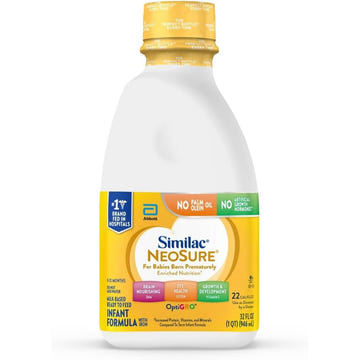
LL Medico Similac NeoSure Premature Ready-to-Feed 32...
$14.99
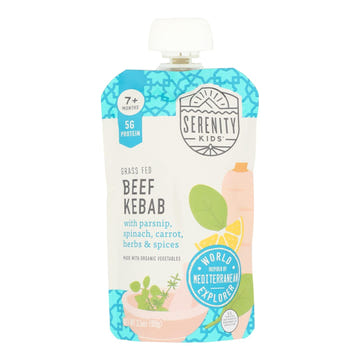
Serenity Kids Beef Kebab with Vegetables Baby Food P...
$36.05
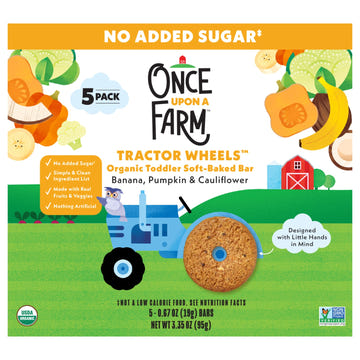
Cozy Farm Once Upon A Farm Banana Pumpkin Cauliflowe...
$66.31
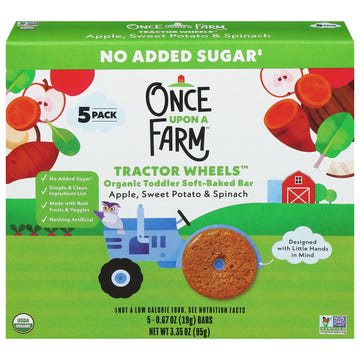
Cozy Farm Once Upon A Farm Apple Sweet Potato Spinac...
$66.31
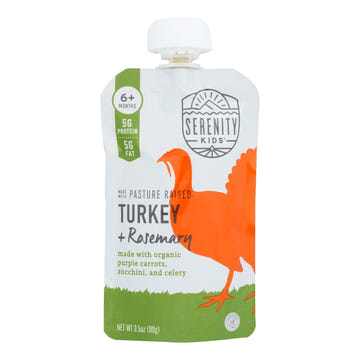
Serenity Kids Organic Turkey & Rosemary Baby Food Po...
$36.05
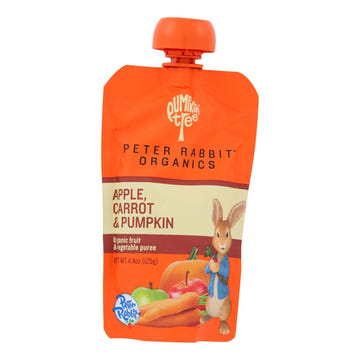
Cozy Farm Peter Rabbit Organics Pumpkin Carrot Apple...
$38.48
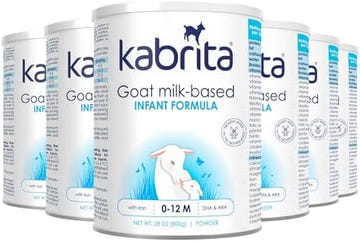
Kabrita - Goat Milk Infant Formula, 28 oz (Pack of 6...
$329.88
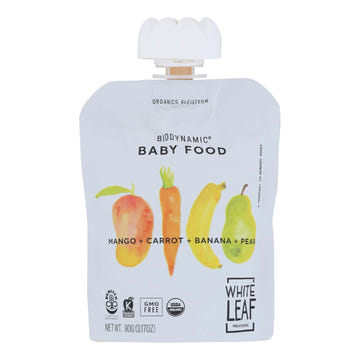
Cozy Farm White Leaf Provisions Organic Mango Baby F...
$29.63
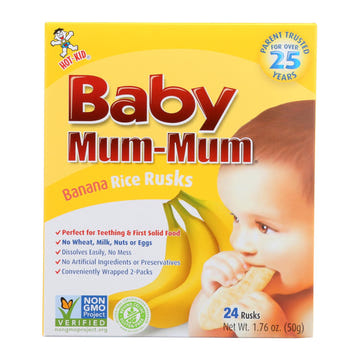
Cozy Farm Baby Mum Banana Rice Biscuits Pack of 6 1....
$32.78
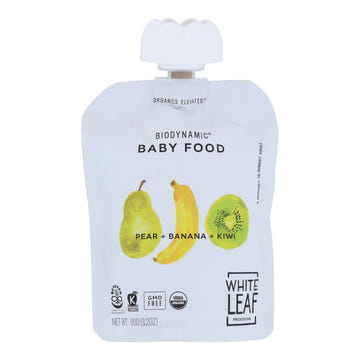
Cozy Farm White Leaf Provisions Pear Banana Kiwi Bab...
$29.63