


Emotional development is one of the most important—and often overlooked—parts of early childhood. Between the ages of 1 and 3, toddlers begin to experience and express a wide range of emotions. Learning how to support these big feelings helps your child build the foundation for emotional intelligence, empathy, and healthy relationships.
Dr. Linnea Grant, Child Psychologist: “Emotional milestones aren’t just about fewer tantrums. They’re about a toddler’s growing ability to feel, express, and manage emotions in a world that’s still very new to them.”
Key Emotional Milestones by Age
12–18 Months
✔️ Expresses emotions like joy, fear, and frustration
✔️ Begins to show affection to familiar people
✔️ May experience separation anxiety

18–24 Months
✔️ Shows more independence (but still needs closeness)
✔️ Begins to use simple words to express feelings
✔️ May throw tantrums when overwhelmed
Free US shipping over $100
Real essentials, picked by real moms
Take 20% off at checkout, applied automatically when you shop through this link.
Shop with MOM20 →Free US shipping over $100. Code applies automatically at checkout.
2–3 Years
✔️ Names emotions like happy, sad, or mad
✔️ Starts showing empathy (e.g., comforting others)
✔️ Practices impulse control (with help)
Picks From This Story
Picks related to this guide, ready to ship from Moogco.
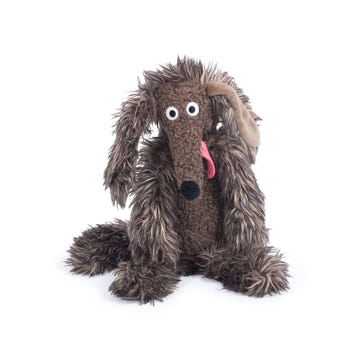
Speedy Monkey Dumpster The Dog medium brown H 14,17 ...
$39.99
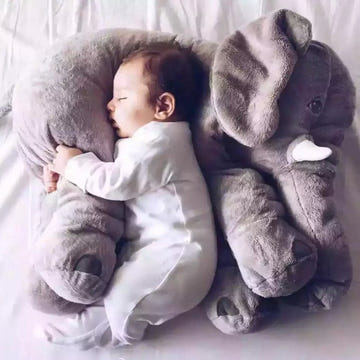
Sell My Stuff Elephant Plush Baby Sleep Pillow 30 35...
$40.00
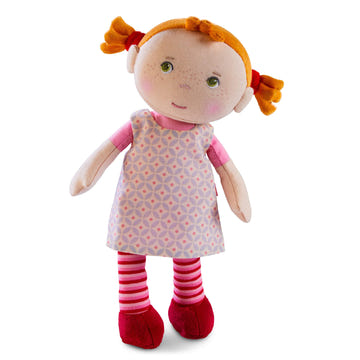
HABA Snug Up Doll Roya 10 inch soft plush doll
$19.99
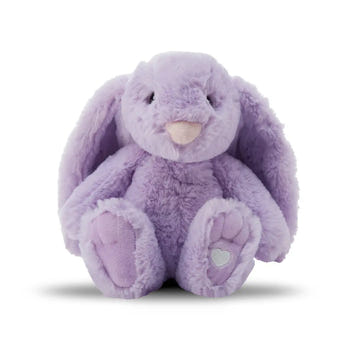
Xander Bunny — Lavender Stuffed Bunny | Weighted Cal...
$45.00
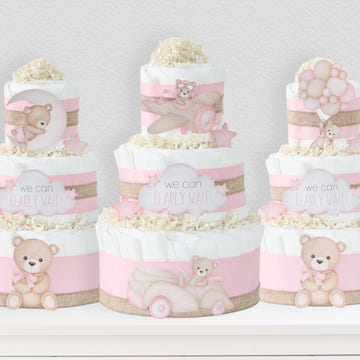
Baby Blossom Company Teddy Bear Diaper Cake Pink Sho...
$85.00
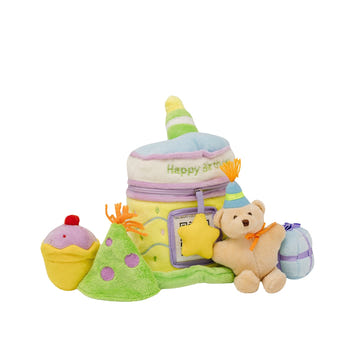
Genius Babies Toys Baby's 1st Birthday Plush Cake Pl...
$19.99
How to Support Emotional Growth
1. Label Emotions Out Loud
✔️ “You’re upset because we had to leave the park.”
✔️ Helps your toddler connect feelings with language
2. Validate and Stay Calm
✔️ Acknowledge their feelings without judgment
✔️ Your calm response models emotional regulation
3. Offer Simple Choices
✔️ Letting them choose between two options builds confidence and reduces power struggles
4. Create a Predictable Routine
✔️ Toddlers feel safer and more in control when they know what to expect
Dr. Mikaela Jones, Pediatric Development Expert: “Validation doesn’t mean giving in—it means saying, ‘I hear you,’ which is powerful for a child just learning to trust their inner world.”
Tools That Help Toddlers Express Feelings
✔️ Emotion flashcards or books about feelings
✔️ Dolls or stuffed animals for role play
✔️ Calm-down corners with soft pillows and sensory items
✔️ Art materials for creative expression
More Related Picks
A few more favorites from the same collection.
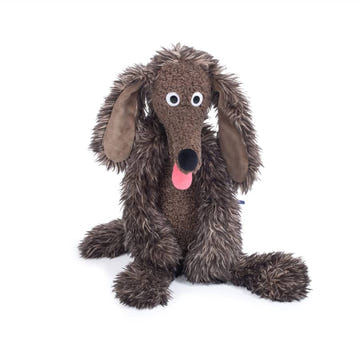
Dumpster The Dog Plush (large) - Stuffed Toy - Mouli...
$59.99
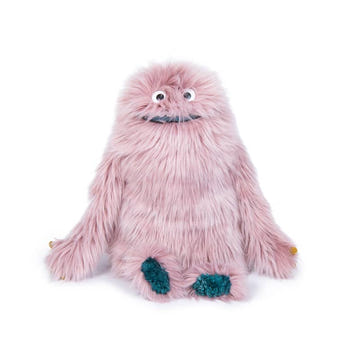
Boubou The Schmouk - Stuffed Toy - Moulin Roty
$119.99
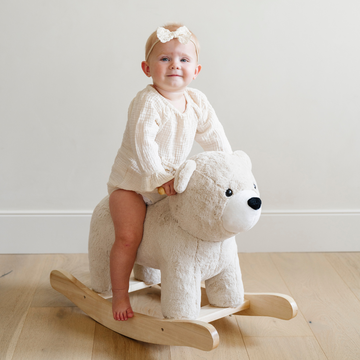
Saranoni Stuffed Animal Rocker Bear Puppy Elephant A...
$159.00
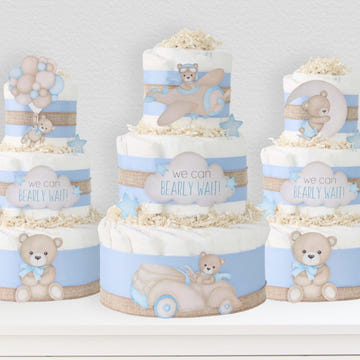
Baby Blossom Company Teddy Bear Diaper Cake Collecti...
$85.00

Wolf "Ecole des loisirs"
$49.99
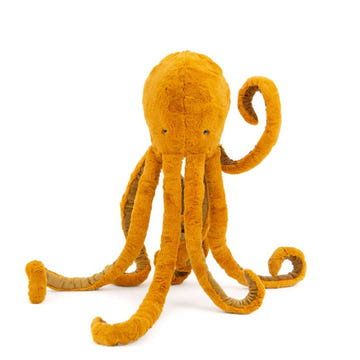
Speedy Monkey Octopus Plush Large Blue H: 27,17 Stuf...
$89.99
Red Flags to Discuss with a Pediatrician
While all toddlers develop differently, talk to your doctor if: ✔️ Your child shows no interest in people or doesn’t respond to emotions
✔️ Tantrums are constant, intense, and disruptive beyond age 3
✔️ There’s no use of language or emotional response by 2 years old
The Role of Moogco Silver Nursing Cups
Supporting your toddler emotionally means you need to feel supported too. If you’re still nursing, Moogco Silver Nursing Cups offer soothing relief for sore nipples—because your comfort matters, too.
📌 Try them here: Moogco Silver Nursing Cups on Amazon
Final Thoughts: Feelings First, Skills Later
Your toddler is learning how to be in the world. The best gift you can give them is empathy, patience, and guidance. With your support, they’ll grow into emotionally strong, compassionate little humans.
🛒 Explore toddler development tools and comfort items at Moogco Baby.
Bring this guide home with 20% off.
Use code MOM20 for 20% off →
Featured pick from Moogco
MOOGCO Silver Nursing Cups 999k Silver - BPA-Free for Babies & Toddlers
$46.90 $52.90
Shop this pick → Frequently Asked Questions
What is the difference between a tantrum and a meltdown?
A tantrum is usually goal-oriented and your toddler may calm down if they get what they want. A meltdown is a stress response where your child is overwhelmed and needs comfort, not consequences. Both are normal parts of emotional development, but recognizing the difference helps you respond appropriately.
How long do toddler tantrums typically last?
Most tantrums last between 2 and 15 minutes, with the intensity peaking early and then gradually decreasing. If tantrums regularly last longer than 25 minutes or happen multiple times per hour, it may be worth discussing with your pediatrician. Consistency and calm responses help reduce frequency and duration over time.
Can a 2 year old really understand emotions?
Yes, though their understanding is still developing. By age 2, many toddlers can name basic emotions like happy, sad, or mad, and they begin to show empathy by comforting others. Labeling emotions out loud during daily routines helps them build this vocabulary and connect feelings to words.
What should I do when my toddler hits or bites out of frustration?
Stay calm and immediately stop the behavior with a firm but gentle redirection. Label the emotion they're feeling and offer an alternative, like squeezing a pillow or stomping feet. Consistent boundaries paired with emotional validation teach toddlers safer ways to express big feelings.
Is it normal for my toddler to be clingy one moment and push me away the next?
Absolutely. Toddlers are learning independence while still needing the security of a caregiver. This back and forth is part of emotional growth and helps them explore autonomy in a safe environment. Patience and reassurance during both clingy and independent phases support healthy attachment.
How can I tell if my toddler's emotional behavior is typical or concerning?
Every child develops at their own pace, but red flags include no interest in people, lack of emotional response by age 2, or constant intense tantrums beyond age 3. Trust your instincts, and if something feels off, discuss it with your pediatrician. Early support can make a big difference.
Should I ignore my toddler during a tantrum?
Not entirely. Ignoring the behavior (like screaming or throwing) is okay, but your child still needs your calm presence nearby. Staying close without giving in shows that you're a safe anchor even when emotions are big. Once they calm down, reconnect with empathy and comfort.
What are some calming activities for an emotional toddler?
Try sensory play like water bins or playdough, deep breathing with bubbles, or reading a favorite book together. A calm down corner with soft pillows, stuffed animals, and quiet toys can also help. The goal is to offer tools that regulate without overwhelming them with too many choices.
From Moogco Studio
Printable and personalized nursery essentials. Designed by moms for moms.


About the Editor
Eda Ulger is the editor at Moogco Baby and a mom of two. She curates and edits our guides so every piece is honest, practical, and genuinely helpful for the early days of motherhood.
Shop This Story
Picks related to this guide, ready to ship from Moogco.
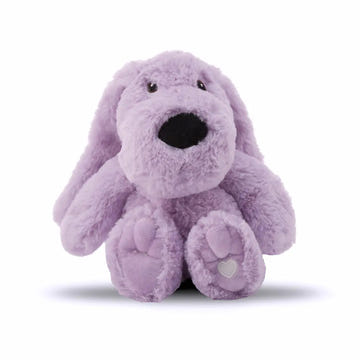
Lavender Life Company Xander Dog Lavender Comfort St...
$45.00
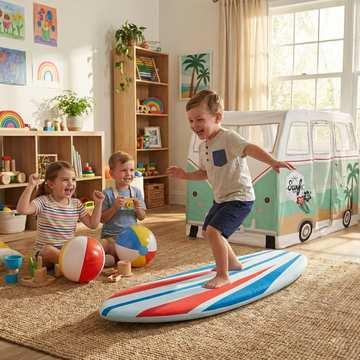
Surf Board Plush Toy
$69.00
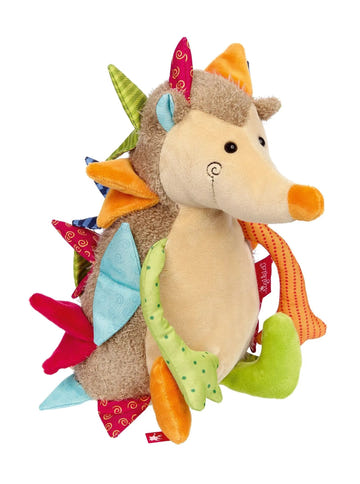
Patchwork Hedgehog Plush Toy
$39.95
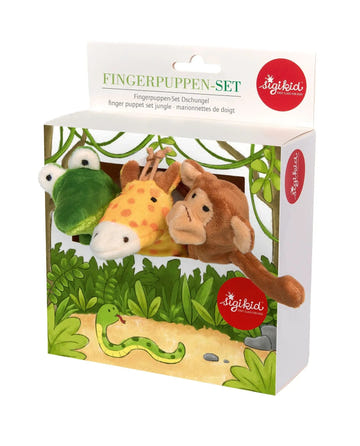
Finger Puppet Set: Jungle
$37.95
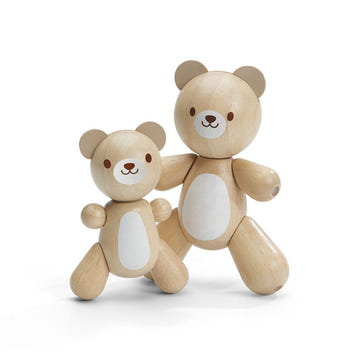
PlanToys Bear and Little Bear Plush Set Movable Limbs
$26.99
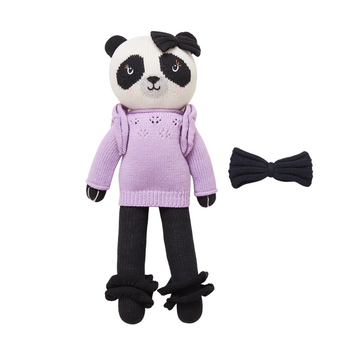
Red and Olive Co Lavender Panda Match Me Set doll 20...
$78.00
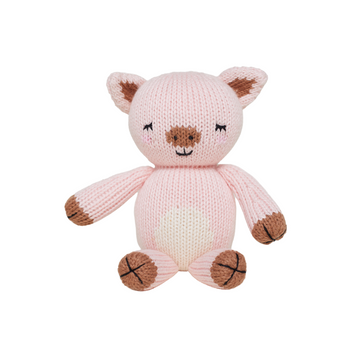
Red and Olive Co Baby Pig 7" Handcrafted Plush Pigle...
$36.00
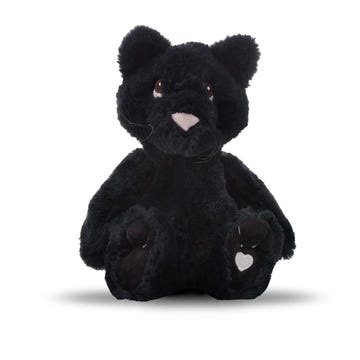
Lavender Life Company Xander Cat Lavender Comfort St...
$45.00
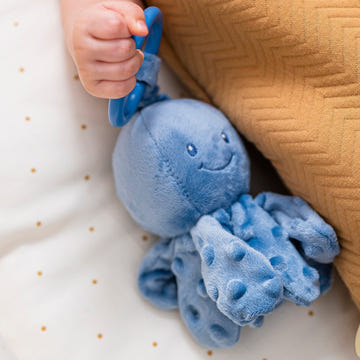
Nattou Vibrating Cuddly Lapidou
$9.95
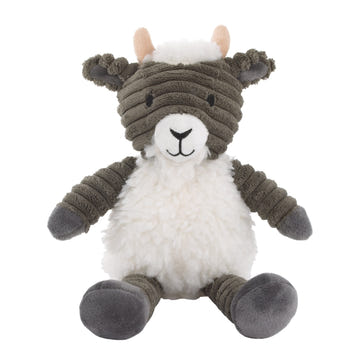
Billy the Goat Grey and White Super Soft Plush Stuff...
$14.99