


As your baby grows into toddlerhood, sleep patterns change yet again. Whether it's dropping a nap, moving to a toddler bed, or managing nighttime fears, these transitions can bring both progress and new challenges. Here's what to expect—and how to ease through each stage with clarity and calm.
Dr. Renee Salazar, Child Sleep Psychologist: "Sleep transitions are not setbacks—they're signs of development. Helping your toddler through them with structure and empathy sets the stage for lifelong sleep habits."
1. Transitioning from 2 Naps to 1 (Around 15–18 Months)
Signs it's time to drop a nap: ✔️ Refusing the second nap consistently
✔️ Long bedtime battles or delayed sleep
✔️ Reduced total sleep needs during the day

Tips:
✔️ Shift morning nap later to become the single afternoon nap
✔️ Keep the nap around 1.5–2 hours
✔️ Use quiet time if your toddler resists naps completely
Free US shipping over $100
Real essentials, picked by real moms
Take 25% off at checkout, applied automatically when you shop through this link.
Shop with MAMA25 →Free US shipping over $100. Code applies automatically at checkout.
Picks From This Story
Picks related to this guide, ready to ship from Moogco.

38 x 26 Inch Dual Sided Pack and Play Baby Mattress ...
$99.99

Twin Size Kids Wood Montessori Floor Bed with Door a...
$146.99

2-in-1 Multi-Purpose Inflatable Toddler Travel Bed A...
$52.49

Portable Bedside Sleeper for Baby with 7 Adjustable ...
$99.99

Full-Size Montessori Floor Bed Strong Slatted Frame
$259.99

O'REILLY- Tractor Bed
$803.00
2. Moving from Crib to Toddler Bed
This milestone typically happens between 18 months and 3 years. It can be prompted by climbing out of the crib or needing more space.
Tips:
✔️ Wait until your child shows readiness
✔️ Keep bedtime routines the same to maintain structure
✔️ Use a toddler rail for safety and security
✔️ Offer praise and consistency for staying in bed
💡 Consider keeping the crib as long as it's safe to delay unnecessary sleep disruptions.
3. Navigating Nighttime Fears
Around 2–3 years, toddlers develop imaginations—and with that can come nighttime fears.
Tips:
✔️ Offer a night light or comfort object
✔️ Acknowledge their fear without reinforcing it (e.g., no need for monster checks)
✔️ Stick to calming bedtime routines and avoid scary media before bed
More Related Picks
A few more favorites from the same collection.

Twin Montessori-Inspired Floor Bed with Guardrails
$199.99

NoJo Disney Princess Tiana Create Your World 4 Piece...
$49.99

Montessori Bed Frame with Full-length Guardrails Saf...
$209.99

Twin Size House Floor Wood Bed with Tent
$188.99

CARLIE- Scalloped Bed
$330.00
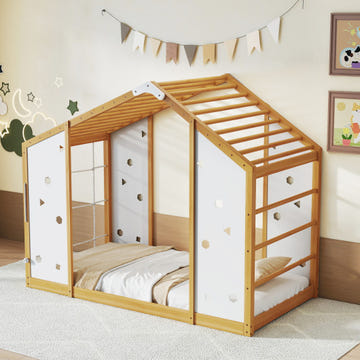
Twin Size Climbing Bed 2-in-1 Montessori Floor Bed w...
$304.49
4. Managing Sleep Regressions or Setbacks
Even toddlers experience sleep disruptions due to illness, travel, milestones, or growth.
✔️ Stay calm and consistent—habits take time to reestablish
✔️ Avoid creating new dependencies like co-sleeping (unless intentional)
Dr. Elina Worth, Pediatrician: "Toddlers thrive on routine. During sleep disruptions, your consistency becomes their comfort."
The Role of Moogco Silver Nursing Cups
If you’re still nursing during toddlerhood, nighttime feeds or comfort nursing can take a toll. Moogco Silver Nursing Cups provide antibacterial protection and comfort to support extended breastfeeding journeys.
📌 Try them here: Moogco Silver Nursing Cups on Amazon
Final Thoughts: Growth Comes with Change
Toddler sleep transitions are part of the big developmental picture. Stay flexible, hold loving boundaries, and trust that even if sleep feels shaky, you're building independence and resilience in your growing child.
🛒 Explore toddler-friendly sleep and comfort tools at Moogco Baby.
Bring this guide home with 25% off.
Use code MAMA25 for 25% off →
Featured pick from Moogco
The Original Silver Nursing Cups with Silicone Pads
$62.90 $74.90
Shop this pick → Frequently Asked Questions
What age do most toddlers drop to one nap?
Most toddlers transition to one nap between 15 and 18 months, though some may make the switch as early as 12 months or as late as 2 years. Watch for signs like consistently refusing the second nap or taking much longer to fall asleep at bedtime. Every child is different, so follow your toddler's cues rather than a strict timeline.
How long should a toddler's single afternoon nap be?
Once your toddler transitions to one nap, aim for 1.5 to 2 hours in the early afternoon. This length helps them get adequate daytime rest without interfering with nighttime sleep. If naps run longer than 2.5 hours, you may notice bedtime resistance or early morning waking.
Is climbing out of the crib a sign to switch to a toddler bed?
Yes, once your toddler starts climbing out of the crib, it becomes a safety concern and signals readiness for a toddler bed. However, if they're not climbing yet and sleeping well, you can keep them in the crib until age 3 or when they outgrow it. There's no rush if the crib still works for your family.
What should I do if my toddler keeps getting out of bed?
Stay calm and consistent by gently returning your toddler to bed without engaging in conversation or play. Use positive reinforcement in the morning when they stay in bed all night. A toddler clock or visual cue can also help them understand when it's okay to get up.
How can I help my toddler with nighttime fears?
Acknowledge your toddler's fear with empathy, but avoid overreacting or doing elaborate checks that reinforce the fear. Offer a comfort object, use a dim night light, and keep bedtime routines calm and predictable. Limiting scary media before bed also helps reduce anxious thoughts at night.
Should I let my toddler have a comfort object in bed?
Yes, a comfort object like a small blanket or stuffed animal can be very soothing for toddlers and help with sleep independence. Just ensure the item is safe, breathable, and age appropriate. Many toddlers form strong attachments to these objects during sleep transitions.
What causes sleep regressions in toddlers?
Toddler sleep regressions are often triggered by developmental leaps, illness, teething, travel, or changes in routine. Even potty training or a new sibling can disrupt sleep temporarily. The key is to stay consistent with routines and know that regressions are usually short lived.
Can I still nurse my toddler at night during sleep transitions?
Yes, many families continue nursing toddlers at night, especially during transitions or for comfort. If nighttime nursing works for your family and doesn't disrupt sleep quality, there's no need to stop. Using Moogco Silver Nursing Cups can help protect sore nipples during extended breastfeeding journeys.
From Moogco Studio
Printable and personalized nursery essentials. Designed by moms for moms.


About the Editor
Eda Ulger is the editor at Moogco Baby and a mom of two. She curates and edits our guides so every piece is honest, practical, and genuinely helpful for the early days of motherhood.
Shop This Story
Picks related to this guide, ready to ship from Moogco.

Twin Floor Bed Frame Upholstered Twin Size Kids Floo...
$132.29

Crib Size Wooden Floor Bed with Safety Rails Age 1, 3
$149.99

Twin Over Queen Bunk Bed Wooden Kids Bed with Climbi...
$262.49

Double Twin Size Wooden Bed Frames with Built-in Tab...
$302.39

Montessori Bed Frame with Full-length Guardrails Saf...
$198.45

Construction 4 Piece Toddler Bed Set - Includes Comf...
$39.99

Twin size White Platform Bed for Kids Teens Adults w...
$484.98

Space Astronaut Theme Kids Upholstered Platform Bed ...
$275.09

Goodevas Twin Montessori House Bed with Fence Twin Size
$329.00

Twin Over Twin Bunk Bed with Ladder Convertible to 2...
$346.49