


From baby babbles to their first “mama” or “dada,” your toddler’s speech journey is full of excitement. Every child develops at their own pace, but knowing what to expect—and how to encourage language skills—can make a big difference in communication and confidence.
Dr. Elaine Mendez, Pediatric Speech-Language Pathologist: “Speech development isn’t just about words—it’s about connection. Helping toddlers express themselves builds the foundation for emotional and social growth.”
Speech and Language Milestones by Age
12–18 Months
✔️ Says 5–10 words, including names of people or objects
✔️ Understands simple commands like “come here” or “give me”
✔️ Uses gestures like pointing or waving

18–24 Months
✔️ Says 50 or more words
✔️ Starts combining two words (“more milk,” “go car”)
✔️ Follows two-step directions
Free US shipping over $100
Real essentials, picked by real moms
Take 25% off at checkout, applied automatically when you shop through this link.
Shop with MAMA25 →Free US shipping over $100. Code applies automatically at checkout.
2–3 Years
✔️ Uses 3–4 word sentences
✔️ Speech is understood by familiar adults
✔️ Begins to ask questions and express needs more clearly
Picks From This Story
Picks related to this guide, ready to ship from Moogco.

24 Inch Extra-Large Shut The Box Game for 2-4 Player...
$50.39
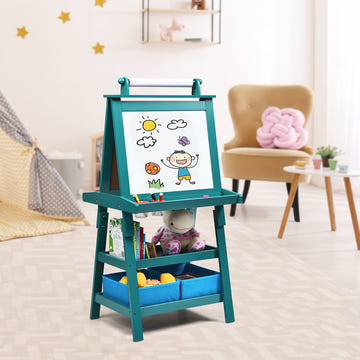
3 in 1 Double-Sided Storage Art Easel - Height-Adjus...
$69.29
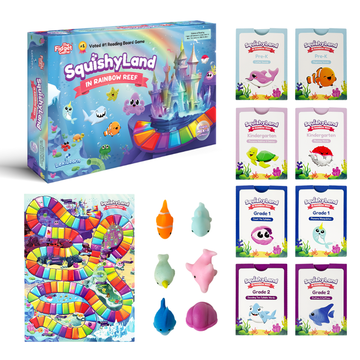
The Fidget Games Squishyland Ages 3 to 8 2 to 6 Players
$39.99
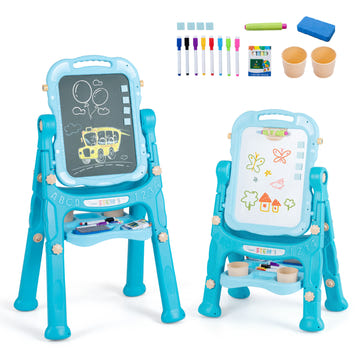
Art Easel for Kids with Adjustable Height
$39.89
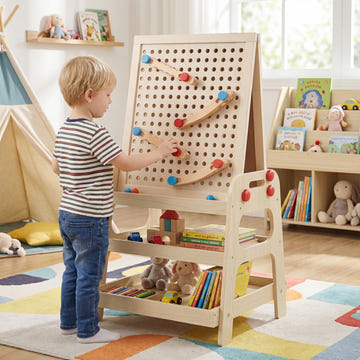
2-in-1 Kids Art Easel with Magnetic Whiteboard and M...
$66.14
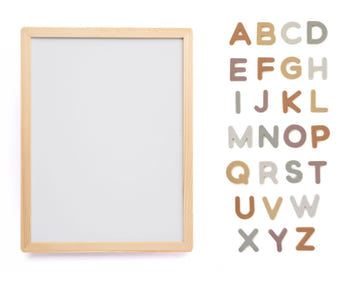
BROOKLYN NEUTRAL Alphabet Magnet Play Set Whiteboard...
$53.99
How to Support Your Toddler’s Speech
1. Talk Often and Naturally
✔️ Narrate your day: “We’re putting on shoes!”
✔️ Speak slowly and clearly, using simple but rich language
2. Read Every Day
✔️ Choose books with repetition and rhythm
✔️ Ask open-ended questions (“What do you see here?”)
✔️ Point to and name objects together
3. Sing Songs and Use Rhymes
✔️ Music helps with memory and word patterns
✔️ Try fingerplays like “Itsy Bitsy Spider” to combine movement with language
💡 Tip: Toddlers learn through repetition. Don’t be afraid to read and sing the same things daily.
Encourage Communication in Everyday Life
✔️ Pause to give your toddler time to respond
✔️ Repeat and expand on their words (“Dog!” → “Yes, a big brown dog!”)
✔️ Avoid correcting—model the correct words instead
Dr. Samuel Reyes, Developmental Pediatrician: “Children need a responsive environment, not a perfect one. Just talk, listen, and engage.”
More Related Picks
A few more favorites from the same collection.
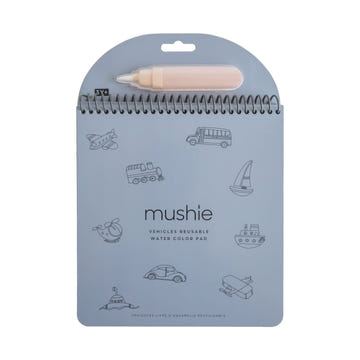
Reusable Water Color Pad
$12.99
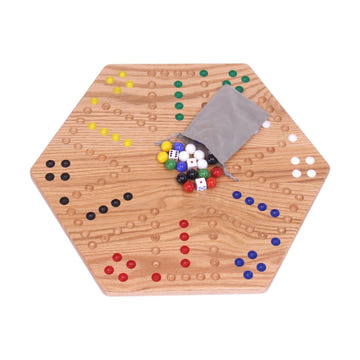
Amish Toy Box Aggravation Wahoo Marble Board Game Do...
$76.50
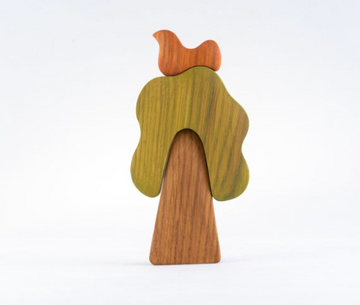
Waldorf wooden Oak Tree with the Bird
$25.50
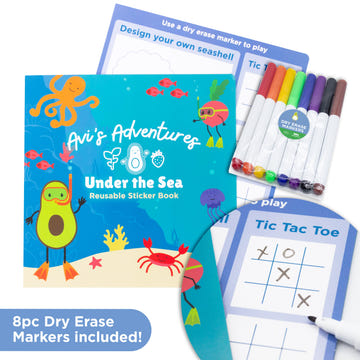
Avi's Adventures Under The Sea Reusable Sticker Book...
$12.99
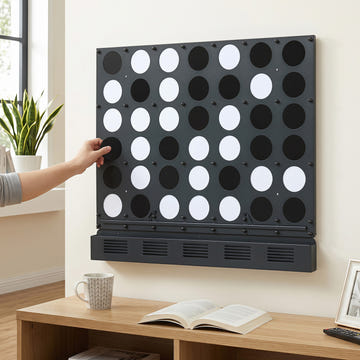
Wall-mounted Metal Connect-4 Game with Acrylic Discs
$71.39

Hamptons Jet Set Baby Book
$12.00
When to Seek Extra Support
✔️ No words by 18 months
✔️ Not combining two words by 2 years
✔️ Difficult to understand by age 3
✔️ Lack of eye contact, gestures, or interest in interaction
Always trust your instincts—early intervention can make a big difference.
The Role of Moogco Silver Nursing Cups
Still breastfeeding while focusing on communication? Nursing can be a quiet bonding time that fosters eye contact and connection. If you experience nipple discomfort, Moogco Silver Nursing Cups provide natural antibacterial relief.
📌 Try them here: Moogco Silver Nursing Cups on Amazon
Final Thoughts: Every Word Counts
Whether your toddler is speaking in full sentences or just starting to babble, your loving engagement is the most powerful support. Keep talking, reading, and connecting—language will follow.
🛒 Explore toddler speech tools and parenting essentials at Moogco Baby.
Bring this guide home with 25% off.
Use code MAMA25 for 25% off →
Featured pick from Moogco
MOOGCO Silver Nursing Cups 925k Silver - Protect Against Sore Breasts And Nipple Irritation
$45.90 $49.90
Shop this pick → Frequently Asked Questions
Is it normal for my 2-year-old to only say 20 words?
While many 2-year-olds use 50 or more words, there is individual variation in speech development. If your child understands you, follows directions, and uses gestures to communicate, they may just need more time. However, if you have concerns, consult your pediatrician or a speech therapist for a quick check.
Should I correct my toddler's pronunciation mistakes?
No, avoid direct correction, which can discourage communication. Instead, model the correct pronunciation naturally. For example, if your child says 'nana' for banana, respond with 'Yes, a yummy banana!' This positive reinforcement helps them learn without feeling criticized.
Can too much screen time delay speech development?
Excessive screen time can reduce opportunities for interactive conversation, which is critical for language learning. Toddlers learn best through back-and-forth communication with caregivers. Prioritize face-to-face interaction, reading, and play over passive screen exposure to support speech growth.
How can I encourage my shy toddler to talk more?
Give your child plenty of time to respond without pressure. Narrate activities, ask open-ended questions, and celebrate any attempt at communication, even gestures. Reading together and singing songs in a low-pressure environment can help shy toddlers feel more comfortable expressing themselves.
What if my toddler understands everything but won't talk?
Some toddlers are 'late talkers' who understand language well but take longer to speak. Continue engaging them with conversation, songs, and books. If they're not using words by 18 months or not combining words by 2 years, consult your pediatrician to rule out any underlying issues.
Do bilingual toddlers develop speech more slowly?
Bilingual toddlers may mix languages or have a slightly smaller vocabulary in each language initially, but their total vocabulary across both languages is typically on track. Learning two languages does not delay speech development and offers long-term cognitive benefits. Keep speaking both languages at home.
How much should I talk to my toddler each day?
There's no magic number, but aim for consistent, quality interaction throughout the day. Narrate routines, respond to their sounds and words, and engage in back-and-forth conversation. Even 15 to 20 minutes of focused, interactive talking during meals, play, or reading can make a significant impact.
When should I consider speech therapy for my toddler?
Consider an evaluation if your child has no words by 18 months, isn't combining two words by age 2, is difficult to understand by age 3, or shows limited interest in communication. Early intervention can address delays effectively, so trust your instincts and reach out to your pediatrician if concerned.
From Moogco Studio
Printable and personalized nursery essentials. Designed by moms for moms.


About the Editor
Eda Ulger is a co-founder of Moogco Baby, the editor of the Moogco Baby Journal, and a mom of two. She curates and edits our guides so every piece is honest, practical, and genuinely helpful for the early days of motherhood.
Shop This Story
Picks related to this guide, ready to ship from Moogco.

Shuffleboard and Curling 2 in 1 Board Game Portable ...
$48.29
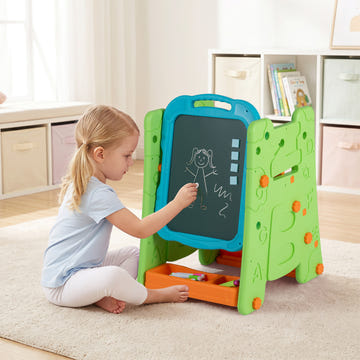
1 Art Easel for Kids with Double Sided Magnetic Board
$41.99

Speedy Monkey Boat Block Puzzle Multicolor 15 Wooden...
$24.99
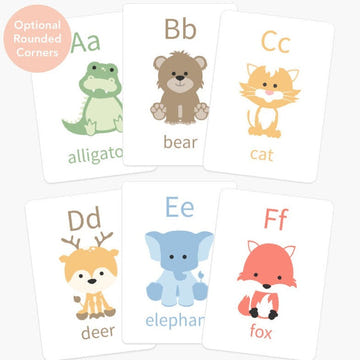
GoodnightFox Alphabet Flashcards 26 A, Z Illustrated...
$10.00
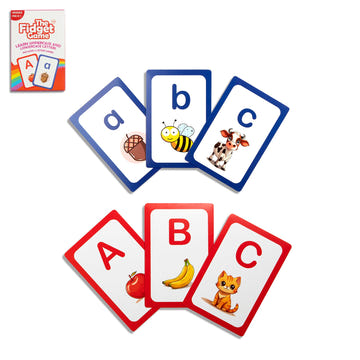
The Fidget Games ABC Learn Uppercase Lowercase Card ...
$9.99

Amish Toy Box Bag of 60 Glass Marbles for Chinese Ch...
$24.50
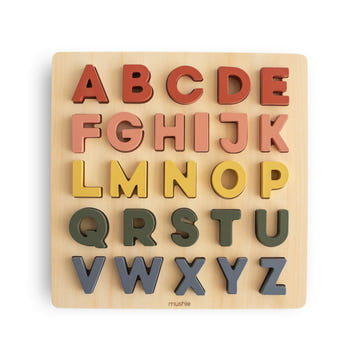
Mushie Wooden Alphabet Puzzle 26 Capital Letters
$29.99

Little Toes New Parents Are People Too book by Dr. S...
$14.95
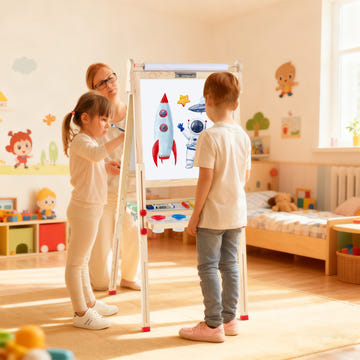
3-in-1 Double-Sided Folding Wooden Kids Art Easel wi...
$60.89
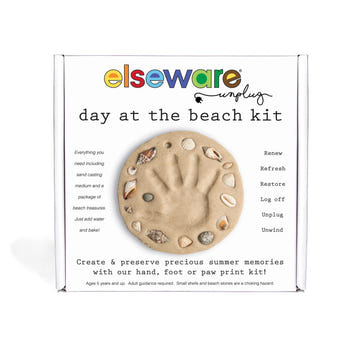
elseware unplug Day at the Beach Kids Hand & Footpri...
$17.99