


Breastfeeding can be a challenging experience for many new mothers, especially when unexpected issues arise. One common obstacle is a condition known as tongue-tie or lip-tie, which can affect a baby’s ability to latch properly. Understanding what tongue and lip ties are, how they impact breastfeeding, and the potential solutions can help new parents navigate these challenges and provide the best care for their little ones.
What Are Tongue and Lip Ties?
Tongue-Tie Defined
Tongue-tie, medically known as ankyloglossia, is a condition where the tissue (frenulum) connecting the underside of the tongue to the floor of the mouth is too short, thick, or tight. This restricts the tongue's movement, making it difficult for a baby to latch onto the breast and feed effectively.
Lip-Tie Defined
Lip-tie is a similar condition that affects the upper lip. In this case, the frenulum that connects the upper lip to the gum is too tight or thick, restricting the lip's ability to flange out properly during breastfeeding. Both conditions can lead to difficulties in breastfeeding, causing frustration for both the baby and the mother.
How Do Tongue and Lip Ties Affect Breastfeeding?
Impact on Latching
A proper latch is crucial for effective breastfeeding. Babies with tongue or lip ties often have difficulty achieving a deep latch, which is necessary to extract milk efficiently from the breast. A poor latch can lead to a range of issues, including poor milk transfer, prolonged feeding times, and decreased milk supply.
Pain and Nipple Damage for Mothers
For mothers, an improper latch due to tongue or lip ties can result in pain, soreness, and even nipple damage. This discomfort can make breastfeeding a stressful and painful experience, potentially discouraging continued breastfeeding.
Poor Weight Gain in Infants
Babies with tongue or lip ties may not get enough milk during feedings, leading to inadequate nutrition and poor weight gain. This can be concerning for new parents and may require more frequent pediatric visits to monitor the baby's growth and development.
Identifying Tongue and Lip Ties
Signs and Symptoms in Babies
Parents may notice several signs that indicate their baby might have a tongue or lip tie. These include difficulty latching, frequent slipping off the breast, prolonged feeding sessions, and clicking sounds during feeding. Additionally, babies may show signs of frustration or fatigue during feedings or have issues like colic or reflux.
Signs and Symptoms in Mothers
Mothers may experience persistent nipple pain, cracking, or bleeding, even after receiving breastfeeding support. Other signs include low milk supply due to inadequate milk removal, frequent blocked ducts, or mastitis.
Consulting with Healthcare Professionals
If you suspect your baby has a tongue or lip tie, it is essential to consult with a lactation consultant, pediatrician, or a pediatric dentist. These professionals can assess the baby’s oral anatomy and determine if a tie is present and if it requires intervention.
Treatment Options for Tongue and Lip Ties
Frenotomy: A Simple Procedure
One common treatment for tongue or lip ties is a frenotomy, a minor surgical procedure that involves snipping the tight frenulum to release the tie. This procedure is typically quick and involves minimal discomfort for the baby. It can be performed in a pediatrician’s office or by a specialist and often leads to immediate improvements in breastfeeding.
Laser Frenectomy: A Gentle Alternative
A laser frenectomy is another option, using a laser to release the tie. This method is less invasive, reduces the risk of bleeding, and promotes faster healing. Many parents opt for this procedure due to its precision and gentle approach.
Post-Procedure Care
After a frenotomy or frenectomy, it is crucial to follow post-procedure care instructions, which often include stretches and exercises to prevent reattachment and promote healing. Regular follow-up with a lactation consultant can also help ensure a smooth transition to effective breastfeeding.
Supporting Successful Breastfeeding with Tongue and Lip Ties
Work with a Lactation Consultant
A lactation consultant can provide personalized support and guidance to help you and your baby navigate the challenges of breastfeeding with tongue or lip ties. They can teach you techniques to improve latching, suggest alternative breastfeeding positions, and offer reassurance and encouragement.
Consider Alternative Feeding Methods
While working on improving breastfeeding, consider supplementing with expressed breast milk using a cup, spoon, or specialized feeding device to ensure your baby gets adequate nutrition. Avoiding bottles during this time can help prevent nipple confusion and support the transition back to breastfeeding.
Use Comfort Measures for Sore Nipples
If you experience nipple pain or damage due to poor latching, using products like Moogco Silver Nursing Cups can provide natural relief. These cups are designed to soothe and protect sore or cracked nipples, promoting faster healing and more comfortable breastfeeding sessions.
Picks From This Story
Picks related to this guide, ready to ship from Moogco.

The Original Silver Nursing Cups with Silicone Pads
$62.90
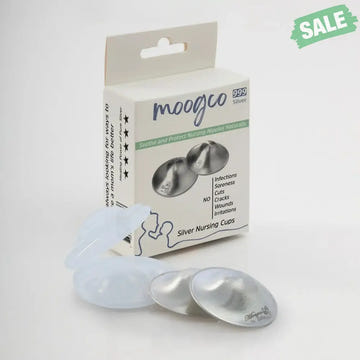
MOOGCO Silver Nursing Cups 999k Silver
$49.90

momjug breastfeeding water bottle 50oz double-wall s...
$49.99

Zomee Breast Pumps Breast Milk Storage Bottles BPA-free
$3.99
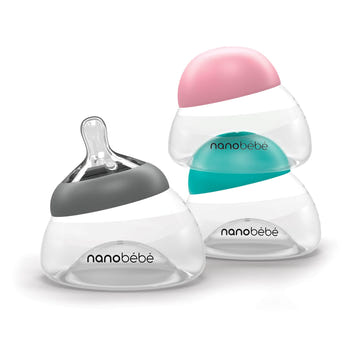
Nanobébé Breastmilk Baby Bottle 5 oz Pack Options Pi...
$16.99
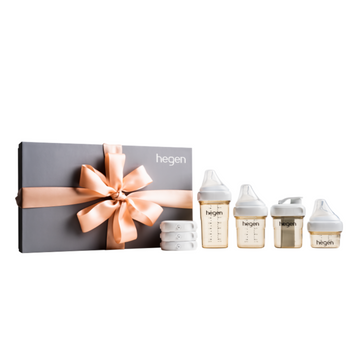
hegen PPSU Essentials Kit 60ml 150ml 240ml baby bottles
$99.99
Emotional Support and Patience
Be Patient with the Process
Dealing with tongue or lip ties can be emotionally draining for new parents. It's important to be patient with the process and understand that breastfeeding challenges can take time to resolve. Celebrate small victories and be gentle with yourself as you and your baby learn and adapt together.
Seek Support from Other Parents
Connecting with other parents who have experienced similar challenges can provide emotional support and encouragement. Many find comfort in knowing they are not alone and that others have successfully navigated these obstacles.
Focus on the Bonding Experience
Remember that breastfeeding is not just about feeding your baby; it is also a unique bonding experience that fosters emotional connection and attachment. Despite the challenges, focusing on the love and closeness you share with your baby can help you stay motivated and positive.
Conclusion
Tongue and lip ties can present significant challenges for breastfeeding, but understanding the condition and exploring available solutions can help you navigate these obstacles effectively. Early identification, appropriate treatment, and continued support from healthcare professionals can make a big difference in the breastfeeding journey. Remember, every breastfeeding experience is unique, and what matters most is finding what works best for you and your baby. With patience, support, and the right resources, you can overcome these challenges and enjoy a successful and fulfilling breastfeeding experience.

Featured pick from Moogco
MOOGCO Silver Nursing Cups 999k Silver - BPA-Free for Babies & Toddlers
$46.90 $52.90
Shop this pick → Frequently Asked Questions
Can tongue and lip ties resolve on their own without treatment?
While some mild ties may stretch over time, most tongue and lip ties do not resolve on their own and continue to cause breastfeeding difficulties. If your baby is experiencing poor weight gain, painful latching, or extended feeding times, intervention is typically necessary. Consulting with a lactation consultant or pediatric specialist can help you determine the best course of action for your situation.

How quickly will breastfeeding improve after a frenotomy procedure?
Many families notice immediate improvements in latching and feeding after a frenotomy, but it can take several days to weeks for full improvement. Your baby needs time to learn new tongue and lip movements, and you both may need to reestablish your breastfeeding rhythm. Working with a lactation consultant after the procedure can help ensure the best outcome and support you through the adjustment period.
Are there risks or complications associated with frenotomy?
Frenotomy is generally a very safe procedure with minimal risks when performed by a trained professional. Minor bleeding, temporary discomfort, and rare infection are possible but uncommon. The benefits of improved feeding and reduced maternal pain typically far outweigh these minimal risks. Always discuss any concerns with your healthcare provider before proceeding with treatment.
More Related Picks
A few more favorites from the same collection.

Healthy Horizons Elvie Stride Diaphragms 2 Pack
$21.99
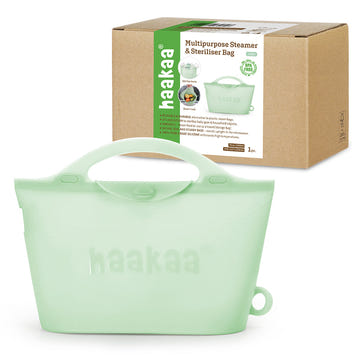
Haakaa Multipurpose Steamer & Sterilizer Bag 3 sizes...
$14.99
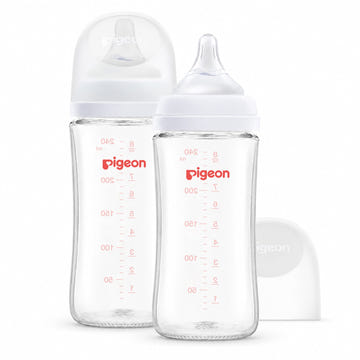
Pigeon Glass Wide Neck Baby Bottle 2-Pack 8.1 oz 3+ ...
$35.99
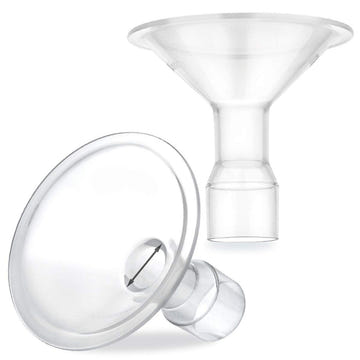
Bae & Bee Boutique Maymom Narrow Neck Flange compati...
$15.00
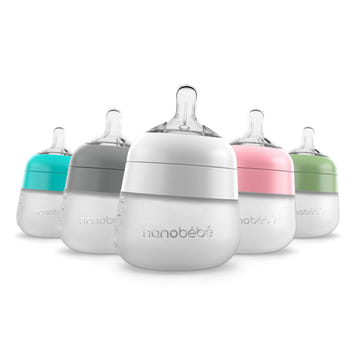
Nanobébé Flexy Silicone Baby Bottle 5oz
$16.99

Haakaa Silicone Pump and Ladybug Milk Collector Comb...
$30.32
What exercises should I do after my baby's tongue tie release?
Post-procedure stretches typically involve gently lifting the tongue to the roof of the mouth and massaging the release site several times daily for a few weeks. Your healthcare provider will demonstrate the specific exercises needed to prevent reattachment and promote proper healing. Consistency with these stretches is important for long-term success, even though they may feel uncomfortable for both you and your baby at first.
Can bottle feeding mask the signs of a tongue or lip tie?
Yes, bottle feeding can sometimes mask tongue and lip tie symptoms because it requires less tongue movement than breastfeeding. However, babies with ties may still show signs like slow feeding, excessive gas, reflux, or milk dribbling from the mouth during bottle feeds. If you plan to breastfeed or notice these bottle feeding issues, it is worth having your baby evaluated for ties.
Is it possible to have a tongue tie and not a lip tie, or vice versa?
Yes, babies can have a tongue tie without a lip tie, or the reverse, though having both is fairly common. Each tie can independently affect breastfeeding, so it is important to have a thorough evaluation of both areas. Treating only one tie when both are present may not fully resolve breastfeeding difficulties, which is why a comprehensive assessment is essential.
Will my milk supply recover if tongue tie caused low production?
Yes, with proper treatment and consistent milk removal, your milk supply can improve after addressing a tongue or lip tie. Frequent nursing or pumping sessions after the procedure help signal your body to increase production. Working with a lactation consultant to establish an effective feeding plan and using breast compression techniques can further support supply recovery in the weeks following treatment.
Do older babies or toddlers ever need tongue tie treatment?
While tongue ties are often addressed in infancy, older babies and toddlers can benefit from treatment if ties are causing ongoing issues like speech delays, dental problems, or difficulty eating solid foods. Some families choose to wait and see if issues develop, while others prefer early intervention. Discussing your child's specific symptoms and developmental needs with a pediatric specialist can help guide the decision on timing.
From Moogco Studio
Printable and personalized nursery essentials. Designed by moms for moms.


About the Editor
Eda Ulger is the editor at Moogco Baby and a mom of two. She curates and edits our guides so every piece is honest, practical, and genuinely helpful for the early days of motherhood.
Shop This Story
Picks related to this guide, ready to ship from Moogco.
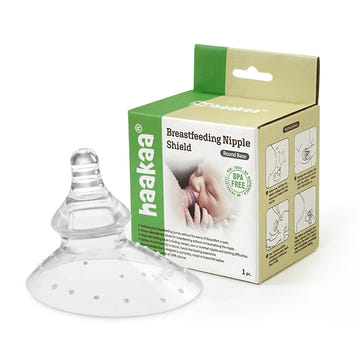
Haakaa Silicone Breastfeeding Nipple Shield Round Sh...
$19.05

Milky Mama Lady Leche Lactation Liquid Grape Flavor ...
$27.00
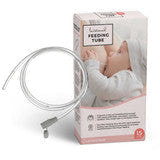
Bae & Bee Boutique LactTube 5FR Pediatric Feeding Tu...
$3.00
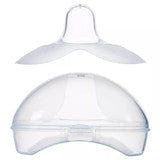
Bae & Bee Boutique Cherry Shaped Nipple Shield 21mm ...
$14.00

Nanobébé Silicone Anti-Colic Baby Bottle Nipples Gen...
$5.99
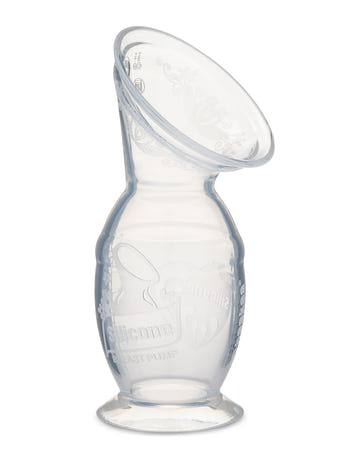
Haakaa Generation 2 Silicone Breast Pump 5 oz Suctio...
$20.99

Pigeon PPSU Wide Neck Baby Bottle 2 Pack 5.4 oz Newborn
$34.99

Nyssa FourthWear Postpartum Bralette Nursing and Pum...
$39.00
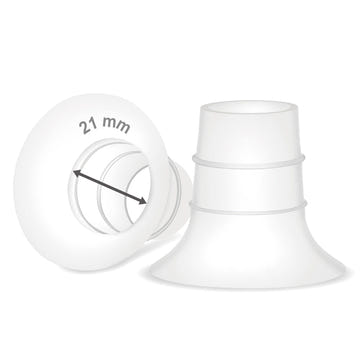
Bae & Bee Boutique Maymom Silicone Medela Flange Ins...
$6.00
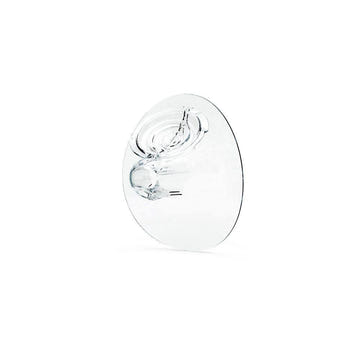
Healthy Horizons Elvie Pump Breast Shields 2 Pack 21...
$29.99