


Babies grow rapidly in their first year—and not just in size, but in developmental leaps too. These growth spurts can feel sudden and overwhelming for both babies and parents. This guide explains what growth spurts are, when they typically happen, and how to support your baby through them.
What Is a Growth Spurt?
A growth spurt is a short period—usually lasting a few days—when a baby experiences rapid physical and developmental changes. These periods often come with changes in behavior, such as increased fussiness, more frequent feedings, and disrupted sleep.

Dr. Emily Lawson, Pediatrician: “Growth spurts are a sign of healthy development. They’re intense but short-lived, and they help babies hit important milestones.”
Free US shipping over $100Real essentials, picked by real moms
Take 15% off at checkout, applied automatically when you shop through this link.
Shop with HAPPYSPRING →Free US shipping over $100. Code applies automatically at checkout.
Common Signs of a Growth Spurt
✔️ Increased hunger and more frequent feeding (cluster feeding) ✔️ Fussiness or clinginess ✔️ Restless sleep or more night wakings ✔️ Seeming tired but resisting naps ✔️ Noticeable physical growth in a short time (longer limbs, chubbier cheeks)
💡 Tip: Trust your instincts. If your baby is suddenly acting “different” but still alert and feeding well, a growth spurt may be the cause.
Picks From This Story
Picks related to this guide, ready to ship from Moogco.
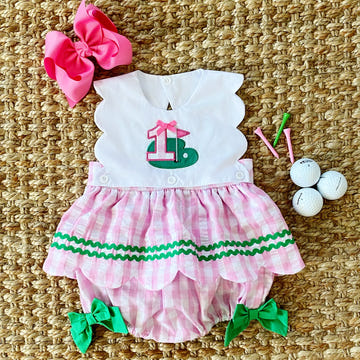
Seven Lantern Lane First Birthday Golf Bubble Pink G...
$54.99
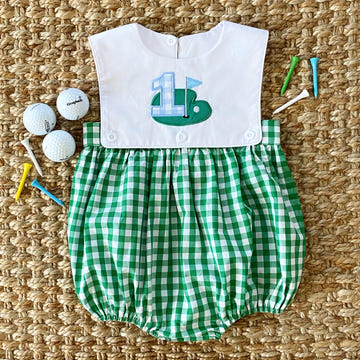
Seven Lantern Lane Hole-In-One Reversible Golf Bubbl...
$52.99
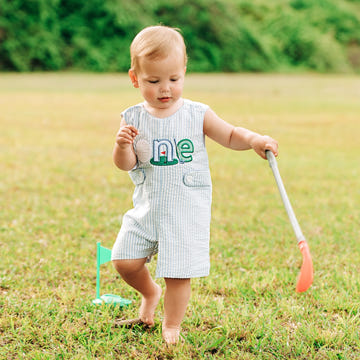
Seven Lantern Lane Hole-In-One First Birthday Golf J...
$52.99
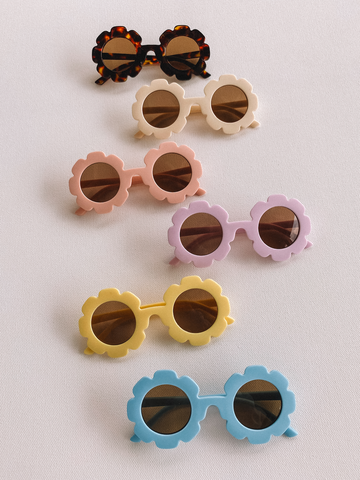
Daffodilly flower sunnies UV400 one size for toddlers
$10.00
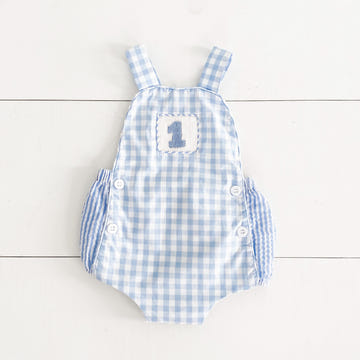
Seven Lantern Lane Smocked Blue Birthday Bubble Baby...
$49.99

Moogco Baby Gift Card
$10.00
When Do Growth Spurts Typically Occur?
Although every baby is unique, most growth spurts tend to happen around the following ages:
2 weeks
3 weeks
6 weeks
3 months
6 months
9 months
During these periods, your baby may want to nurse or bottle-feed more frequently, sometimes every hour.
Dr. Olivia Carter, Infant Development Specialist: “Growth spurts often align with developmental leaps. You may notice new behaviors like rolling over, babbling, or grabbing objects right after.”
How to Support Your Baby During a Growth Spurt
1. Feed on Demand
Let your baby guide feeding frequency. Don’t worry about routines—babies need extra calories to fuel their growth.
2. Offer Comfort
Snuggling, babywearing, and skin-to-skin contact can soothe a fussy baby during this emotionally intense time.
3. Adjust Sleep Expectations
Sleep may temporarily regress. Be flexible, and offer more naps if needed—even short ones.
4. Take Care of Yourself
Parents can feel drained during growth spurts too. Stay hydrated, eat nourishing food, and rest when you can.
💡 Try This: Ask for help with chores so you can focus on your baby’s needs and your own well-being.
Breastfeeding & Growth Spurts
Breastfeeding moms often worry they’re not producing enough milk during cluster feeding phases. In most cases, your body will adjust to meet your baby’s increased demand naturally.
✔️ Nurse often. ✔️ Stay hydrated. ✔️ Avoid supplementing unless advised by your pediatrician.
More Related Picks
A few more favorites from the same collection.

Bonita Cotton Cottonfelt Unisex Toddler Short Sleeve...
$3.00
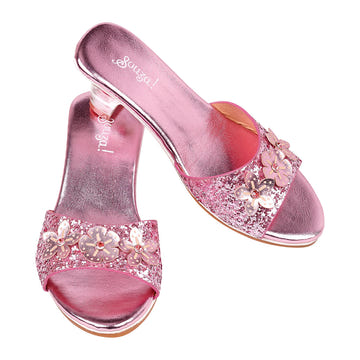
Speedy Monkey Slipper High-heel Mariona pink 3 sizes
$29.99
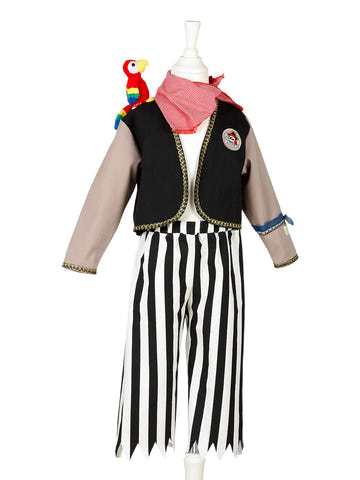
Speedy Monkey Duncan Pirate Costume Set Multicolor 3...
$49.99
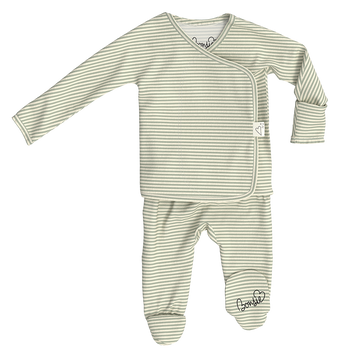
Bonsie Skin to Skin Babywear Footie Mint Twist wrap-...
$37.99
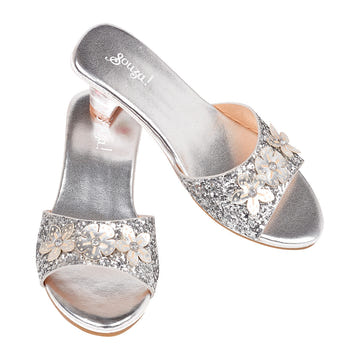
Speedy Monkey Slipper High-heel Mariona silver kids ...
$29.99
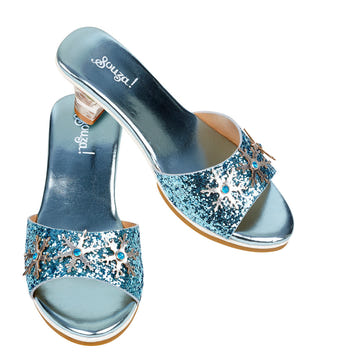
Speedy Monkey Slipper High-heel Ice Queen blue sizes...
$29.99
The Role of Moogco Silver Nursing Cups
Growth spurts can lead to more frequent feedings, which may cause nipple soreness. Moogco Silver Nursing Cups help relieve and protect against irritation with natural antibacterial properties.
📌 Try them now: Moogco Silver Nursing Cups on Amazon
Final Thoughts: Growing Pains Are Part of the Journey
Growth spurts can be tiring, but they’re also signs that your baby is thriving. With a little patience and extra cuddles, you’ll both get through these phases stronger and more connected than ever.
🛒 Shop essentials for growing babies at Moogco Baby.
Bring this guide home with 15% off.
Use code HAPPYSPRING for 15% off →
Featured pick from Moogco
French Terry Racerback Nursing & Sleep Bra | Beige
$39.90
Shop this pick → Frequently Asked Questions
How long does a typical growth spurt last?
Most growth spurts last between two to seven days, with three days being the average. During this time, you'll notice increased feeding, fussiness, and sleep changes. Once the spurt passes, your baby usually settles back into a more predictable routine.
Can growth spurts happen outside the typical timeline?
Absolutely. While there are common ages when growth spurts occur, every baby is unique and may experience them at different times. Some babies have spurts earlier or later, and that's completely normal. Trust your baby's cues and your instincts.
Will my baby's appetite stay higher after a growth spurt?
Usually not. Once the growth spurt ends, most babies return to their regular feeding patterns. The increased hunger is temporary and specific to that period of rapid growth. Your baby's appetite will stabilize as their body adjusts.
Is it normal for my baby to be more irritable during a growth spurt?
Yes, fussiness and clinginess are very common during growth spurts. Your baby is working hard physically and may feel uncomfortable or tired. Extra cuddles, babywearing, and patience go a long way during these intense few days.
Should I worry if my baby isn't showing typical growth spurt signs?
Not all babies show dramatic signs during growth spurts. Some sail through them with minimal changes in behavior. As long as your baby is gaining weight appropriately and meeting milestones, there's usually no cause for concern.
Can teething be mistaken for a growth spurt?
Yes, teething and growth spurts share some symptoms like fussiness, disrupted sleep, and clinginess. The main difference is that teething often includes drooling, gum sensitivity, and a desire to chew. If unsure, consult your pediatrician.
Do formula-fed babies experience growth spurts the same way?
Yes, growth spurts affect all babies regardless of feeding method. Formula-fed babies may want more frequent bottles or larger amounts during spurts. Follow your baby's hunger cues and offer additional feeds as needed.
Can I prevent nipple soreness during growth spurts?
Frequent feeding during cluster feeding phases can increase nipple sensitivity. Using Moogco Silver Nursing Cups between feedings can help soothe and protect nipples naturally. Ensuring a proper latch and alternating starting sides also helps prevent soreness.
From Moogco Studio
Printable and personalized nursery essentials. Designed by moms for moms.


About the Editor
Eda Ulger is the editor at Moogco Baby and a mom of two. She curates and edits our guides so every piece is honest, practical, and genuinely helpful for the early days of motherhood.
Shop This Story
Picks related to this guide, ready to ship from Moogco.
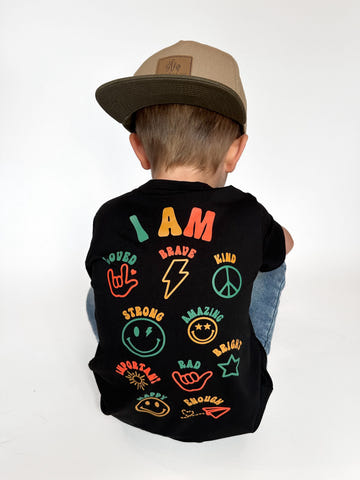
Son and Co Apparel I Am Affirmations T-Shirt Black
$27.00
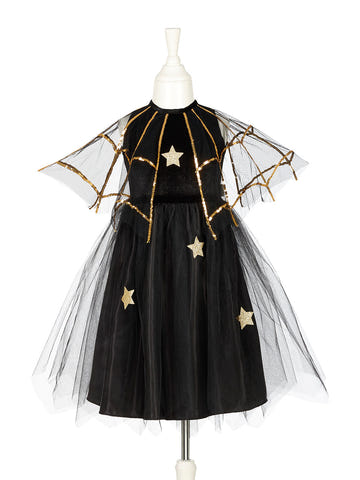
Speedy Monkey Evilian Halloween Costume Dress Black ...
$39.99

Cottonfelt Unisex Youth Short Sleeve T-Shirt Blank
$3.00

Daffodilly round sunnies UV400 one size fits 1Y-5Y
$10.00

Daffodilly 90s sunnies one size fits most 1Y-5Y UV400
$10.00

Seven Lantern Lane Girls Smocked First Birthday Long...
$52.99
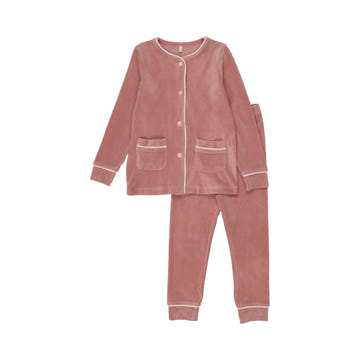
Pouf Velour PJ Dusty Pink velour pajama set snaps wh...
$26.00
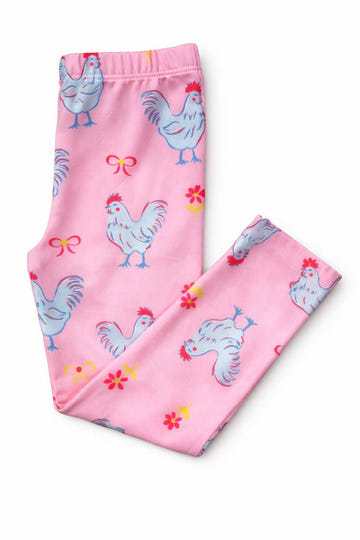
Mila & Rose Little Miss Chickie Leggings high waiste...
$12.00
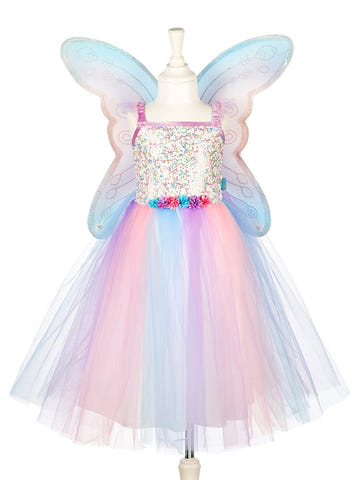
Speedy Monkey Felicity Fairy Costume Dress and Wings...
$49.99
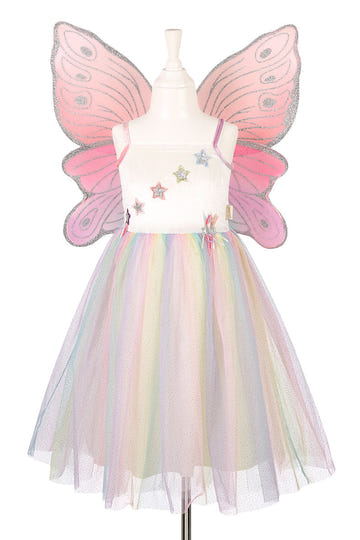
Speedy Monkey Louanne Fairy Costume Dress and Wings ...
$49.99