


Newborns can’t say “I’m hungry,” but they’re excellent communicators in their own way. Recognizing your baby’s early signs of hunger—before the crying stage—can make feeding more peaceful and responsive. This guide helps you understand how your baby tells you it’s time to eat, from the earliest cues to more obvious signals.
Dr. Elena Torres, Pediatrician: “Responding to early hunger cues builds trust, strengthens bonding, and often leads to more successful feedings—especially in the newborn phase.”
The 3 Stages of Baby Hunger Cues
1. Early Cues (the best time to feed!)
✔️ Rooting (turning head toward your chest or touch)
✔️ Opening and closing mouth
✔️ Sucking on hands, fingers, or lips
✔️ Smacking or licking lips

2. Active Cues
✔️ Squirming or fidgeting
✔️ Hand-to-mouth movements
✔️ Fussing or mild whimpering
✔️ Increased alertness
Free US shipping over $100
Real essentials, picked by real moms
Take 15% off at checkout, applied automatically when you shop through this link.
Shop with HAPPYSPRING →Free US shipping over $100. Code applies automatically at checkout.
3. Late Cues
✔️ Crying, turning red, or clenching fists
✔️ Frantic head movements
✔️ Difficulty latching due to distress
💡 Tip: Try to offer a feeding during the early or active stage—before crying begins. Crying is a late cue and may make feeding more difficult.
Picks From This Story
Picks related to this guide, ready to ship from Moogco.

momjug breastfeeding water bottle 50oz double-wall s...
$49.99
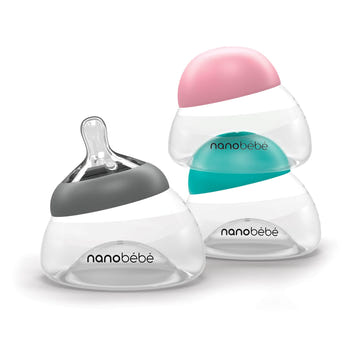
Nanobébé Breastmilk Baby Bottle 5 oz Pack Options Pi...
$16.99
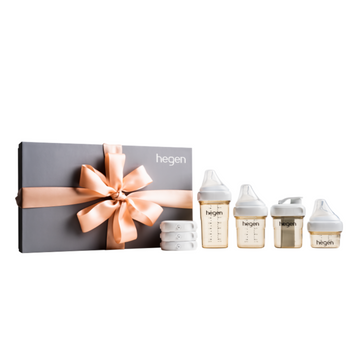
hegen PPSU Essentials Kit 60ml 150ml 240ml baby bottles
$99.99
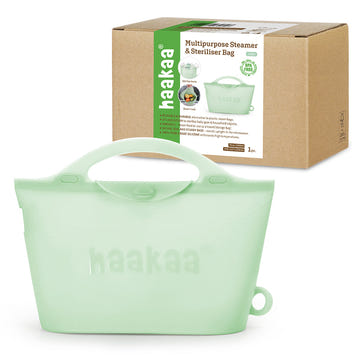
Haakaa Multipurpose Steamer & Sterilizer Bag 3 sizes...
$14.99
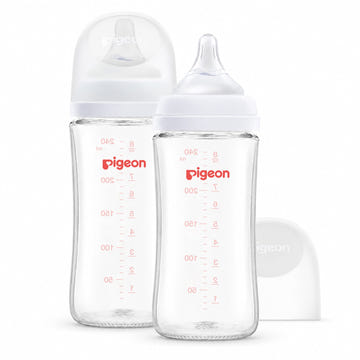
Pigeon Glass Wide Neck Baby Bottle 2-Pack 8.1 oz 3+ ...
$35.99
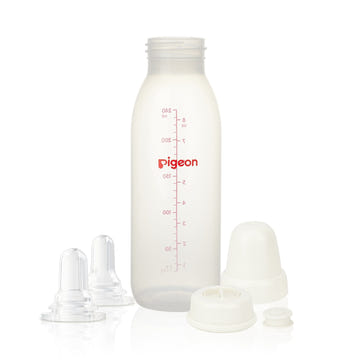
Pigeon Baby Cleft Lip/Palate Bottle 8.11 Oz 2 Nipples
$19.90
How Often Do Babies Eat?
✔️ Newborns: 8–12 feedings in 24 hours (every 2–3 hours)
✔️ 3–6 Months: 5–8 feedings a day, often with longer stretches at night
✔️ Older Infants: Begin to show more predictable hunger cues and routines
Each baby is unique—watch your baby, not the clock.
Feeding Responsively vs. Scheduled Feeding
✔️ Responsive feeding means offering food when your baby shows signs of hunger—not just on a set schedule.
✔️ Promotes better milk supply, baby satisfaction, and healthy growth.
✔️ Also helps build emotional connection and body awareness for baby.
Dr. Mia Jensen, Lactation Consultant: “Feeding on demand is especially important for newborns as it helps regulate milk supply and supports early bonding.”
More Related Picks
A few more favorites from the same collection.
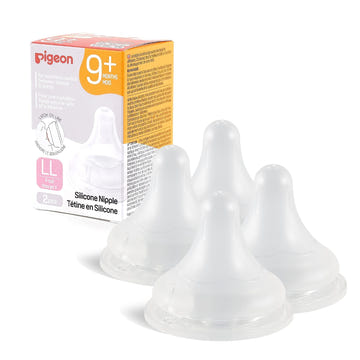
Silicone Nipple (LL), 9+ Months
$21.99
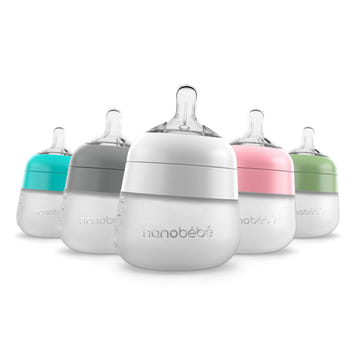
Nanobébé Flexy Silicone Baby Bottle 5oz
$16.99

Nanobébé Silicone Anti-Colic Baby Bottle Nipples Gen...
$5.99
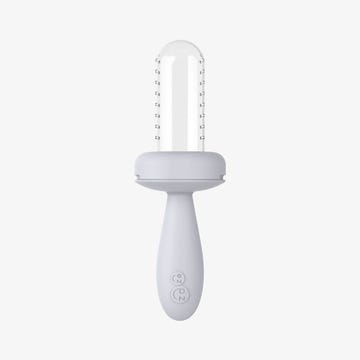
ezpz Baby-Led Gumline Feeder silicone pouch for baby...
$13.99
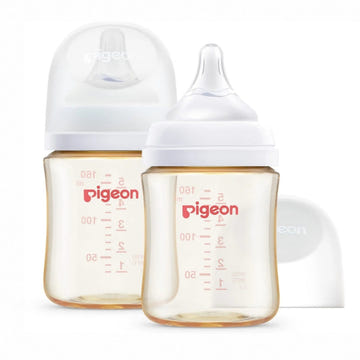
Pigeon PPSU Wide Neck Baby Bottle 2 Pack 5.4 oz Newborn
$34.99
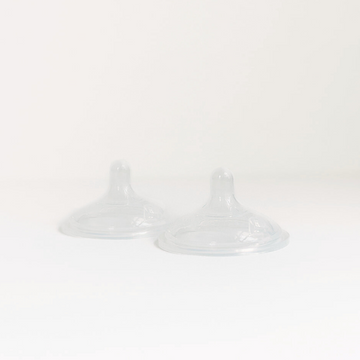
Mason Bottle Silicone Nipples 2 Pack Regular-Mouth B...
$12.99
Understanding Fullness Cues
✔️ Slows or stops sucking
✔️ Turns head away from breast or bottle
✔️ Relaxes hands and body
✔️ Falls asleep or loses interest in feeding
Don’t force a baby to finish a bottle or breastfeed longer than they want—they know when they’re done!
The Role of Moogco Silver Nursing Cups
Frequent feedings, especially in the early months, can cause nipple soreness or irritation. Moogco Silver Nursing Cups provide antibacterial protection and soothing relief, helping moms stay comfortable through every feeding session.
📌 Try them here: Moogco Silver Nursing Cups on Amazon
Final Thoughts: Follow Their Lead
Feeding your baby isn’t just about nutrition—it’s a conversation. Learning their cues and responding with love helps them feel secure, understood, and cared for from day one.
🛒 Explore feeding essentials and support at Moogco Baby.
Bring this guide home with 15% off.
Use code HAPPYSPRING for 15% off →
Featured pick from Moogco
MOOGCO Silver Nursing Cups 925k Silver - Protect Against Sore Breasts And Nipple Irritation
$45.90 $49.90
Shop this pick → Frequently Asked Questions
Can I overfeed my baby if I respond to every hunger cue?
Babies are naturally good at self-regulating their intake, especially when breastfed. If you watch for fullness cues and stop when your baby signals they're done, overfeeding is unlikely. Responsive feeding supports healthy growth and helps babies develop trust in their own hunger and fullness signals.
What if my baby seems hungry right after a feeding?
Some babies cluster feed, especially during growth spurts or in the evening hours. This is completely normal and helps boost milk supply. Offer the breast or bottle again if your baby shows hunger cues, even if it feels soon after the last feeding.
How can I tell the difference between hunger cues and tiredness?
Tired babies often rub their eyes, yawn, or stare off into space, while hungry babies root, suck on hands, and turn toward the breast. Fussiness can signal either, so consider timing and other cues. Over time, you'll learn your baby's unique patterns.
Do hunger cues change as babies get older?
Yes! As babies grow, they become more vocal and intentional with cues, like reaching for a bottle or looking toward the feeding area. Older infants may also develop more predictable schedules, though cue-based feeding remains important.
Should I wake my newborn to feed if they're sleeping?
In the first few weeks, most pediatricians recommend waking a newborn every 2 to 3 hours during the day to ensure adequate weight gain and milk supply. Once your baby is gaining well, nighttime stretches can gradually lengthen. Always consult your pediatrician for personalized guidance.
What if my baby cries but won't latch or take a bottle?
Crying is a late hunger cue, and babies can become too upset to feed effectively. Try calming your baby first with gentle rocking, skin-to-skin contact, or a soothing voice. Once calm, offer the breast or bottle again.
Are hunger cues different for breastfed and formula-fed babies?
The cues themselves are the same, but breastfed babies often feed more frequently due to faster digestion of breast milk. Both feeding methods benefit from watching the baby's signals rather than sticking rigidly to a schedule.
How long does it take to learn my baby's hunger cues?
Most parents start recognizing patterns within the first couple of weeks, but every baby is unique. Be patient with yourself and your baby as you learn each other's rhythms. The more you practice responsive feeding, the easier it becomes to read their signals.
From Moogco Studio
Printable and personalized nursery essentials. Designed by moms for moms.


About the Editor
Eda Ulger is the editor at Moogco Baby and a mom of two. She curates and edits our guides so every piece is honest, practical, and genuinely helpful for the early days of motherhood.
Shop This Story
Picks related to this guide, ready to ship from Moogco.

better baby care Better Baby Bottle Pair Plastic-free
$45.00
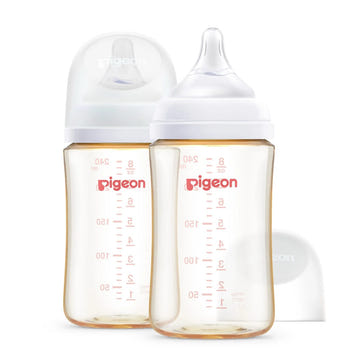
Pigeon PPSU Wide Neck Baby Bottles 2 Pack 8.1 oz 3+ ...
$35.99
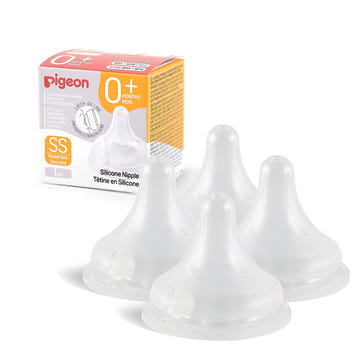
Pigeon Silicone Nipple SS 0+ Months Latch-On Line An...
$22.99
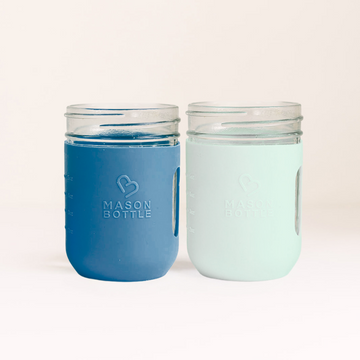
Mason Bottle Silicone Sleeve 2-Pack Fits 4 oz and 8 ...
$16.99
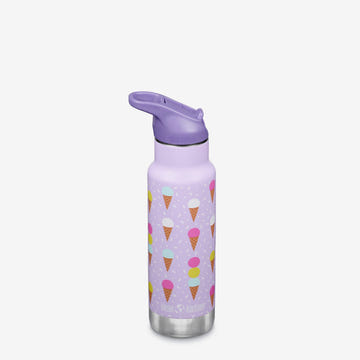
Klean Kanteen 12oz Kid's Classic Insulated Bottle Fl...
$25.95
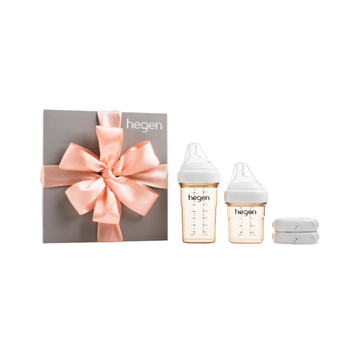
hegen PPSU Baby Bottle Starter Kit 150ml 240ml 0-6 m...
$59.99
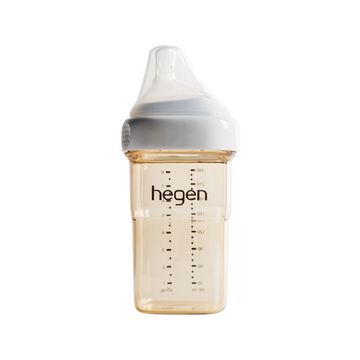
hegen PPSU Anti-Colic Baby Bottle 240ml White Medium...
$24.99
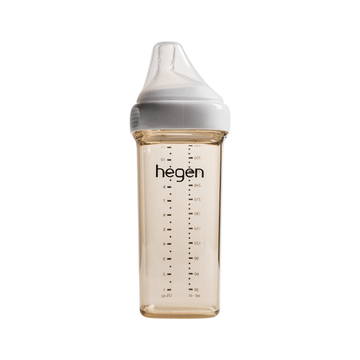
hegen PPSU Anti-Colic Baby Bottle 330ml 11oz White F...
$27.99
ezpz Baby-Led Tiny Spoons infant self-feeding spoons
$15.99
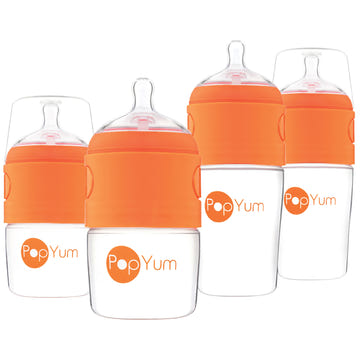
PopYum Baby Bottle Starter Set 4-Pack Orange 5oz 9oz
$44.99