


Language development is one of the most exciting aspects of a baby’s growth. From the very first coos to their first words, every sound your baby makes is part of their journey toward effective communication. Understanding how language skills develop and how parents can support them is key to fostering strong language abilities.
What is Language Development?
Language development involves the gradual process by which babies learn to understand and produce language. This includes:

✔️ Receptive Language: Understanding spoken words and recognizing familiar voices and sounds. ✔️ Expressive Language: Making sounds, babbling, and eventually forming words. ✔️ Nonverbal Communication: Using gestures, facial expressions, and pointing to convey meaning.
Free US shipping over $100
Real essentials, picked by real moms
Take 20% off at checkout, applied automatically when you shop through this link.
Shop with BABY20 →Free US shipping over $100. Code applies automatically at checkout.
Dr. Laura Jennings, Pediatric Speech-Language Pathologist: “The early years are a critical period for language acquisition. Babies who receive consistent verbal interaction and stimulation are more likely to develop strong communication skills.”
Picks From This Story
Picks related to this guide, ready to ship from Moogco.
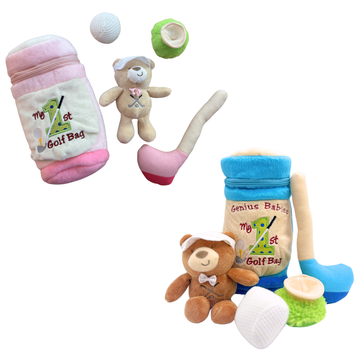
Genius Babies Toys My First Baby Golf Bag Blue or Pi...
$29.99
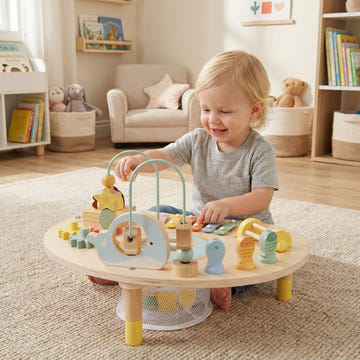
7-in-1 Toddler Activity Table Montessori Sensory Toy...
$39.99
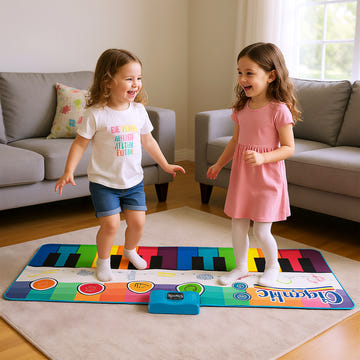
Floor Piano Dance Mat for Kids Musical Playmat with ...
$49.99
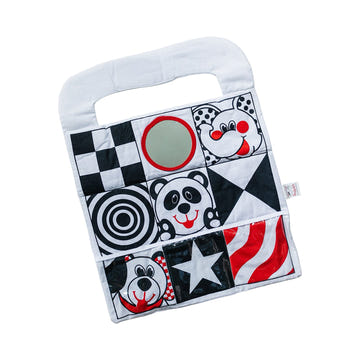
Genius Babies Toys Baby Car Activity Center Reversib...
$20.99
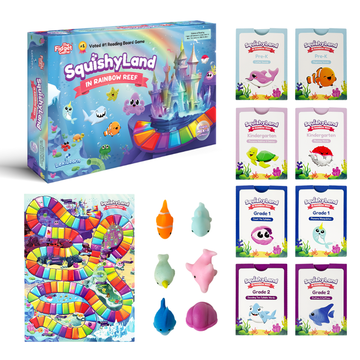
The Fidget Games Squishyland Ages 3 to 8 2 to 6 Players
$39.99
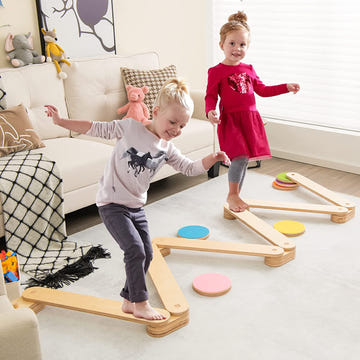
12-Piece Kids Wooden Balance Beam with Colorful Stee...
$47.99
Stages of Language Development
0-3 Months: Pre-Linguistic Communication
✅ Recognizes familiar voices, especially those of parents. ✅ Makes cooing and gurgling sounds. ✅ Reacts to sounds by startling or calming down.
💡 Tip: Talk, sing, and read to your baby to help them associate sounds with meaning.
4-6 Months: Babbling Begins
✅ Makes repetitive sounds like “ba-ba” or “ma-ma.” ✅ Responds to tone of voice and recognizes their name. ✅ Uses vocalizations to express pleasure or discomfort.
Dr. Emily Carter, Developmental Pediatrician: “Babbling is a critical step in language development. Babies are learning how sounds fit together and experimenting with speech.”
7-9 Months: Understanding Words
✅ Begins to understand basic words like “no” and “bye-bye.” ✅ Engages in vocal play and mimics sounds. ✅ Uses gestures like waving or pointing to communicate.
💡 Encouragement: Repeat words and use gestures to reinforce understanding. If your baby points at something, name it aloud.
10-12 Months: First Words Emerge
✅ Says simple words like “mama” or “dada” with meaning. ✅ Imitates sounds and words more accurately. ✅ Responds to simple requests like “come here.”
Dr. Rachel Kim, Pediatric Speech Therapist: “Parents can encourage language development by narrating daily activities and responding positively to their baby’s attempts to communicate.”
How to Support Language Development
✔️ Talk to Your Baby Frequently: Describe what you’re doing, ask questions, and respond to their vocalizations. ✔️ Read Books Aloud: Reading provides exposure to new words and enhances listening skills. ✔️ Use Simple, Clear Language: Use short sentences and emphasize key words to make them easier to understand. ✔️ Encourage Gestures: Use pointing, clapping, and waving to reinforce communication. ✔️ Provide Positive Feedback: Celebrate your baby’s attempts to communicate, even if they’re not perfect.
More Related Picks
A few more favorites from the same collection.
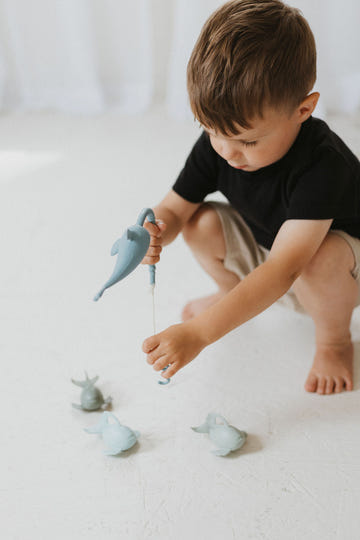
ShopMyLittleSongbird Silicone Fishing Set 3 Fish 1 N...
$15.99

Mini Castles FLORA Ball Pit Balls 3 x 3 x 1.65 inch ...
$25.00
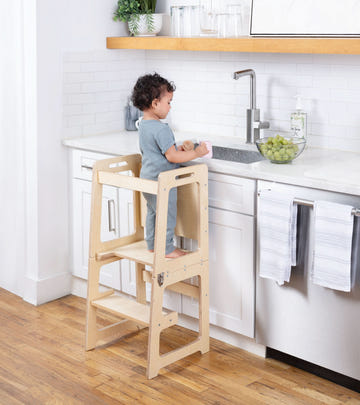
Avenlur 4-in-1 Convertible Toddler Kitchen Tower Des...
$119.00
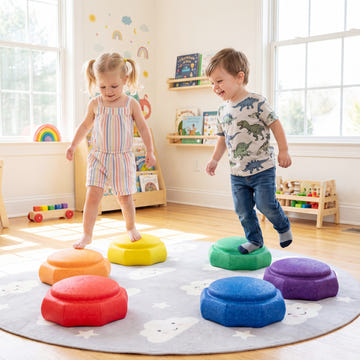
6-Piece Stepping Stones for Kids for Sensory Play an...
$45.99
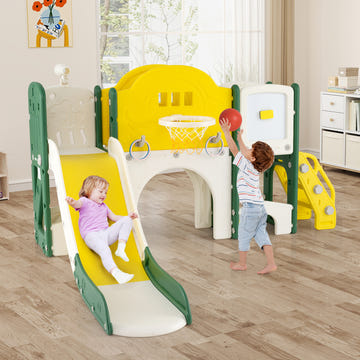
10 in 1 Toddler Slide Set Kids Slide and Climber Pla...
$145.99
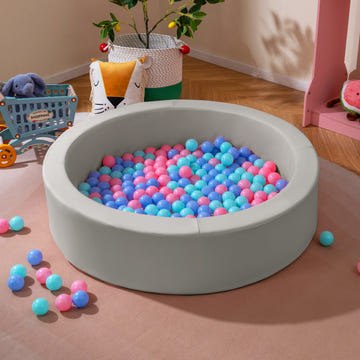
42.5 Inch Round Foam Ball Pits with 25D Sponge Filli...
$71.99
Common Myths About Language Development
🔹 Myth: Babies learn best from educational videos.
✔️ Fact: Interactive, face-to-face communication is far more effective than passive screen time.
🔹 Myth: Bilingualism delays speech.
✔️ Fact: Bilingual children may mix languages initially but typically catch up with or surpass monolingual peers in vocabulary and language skills.
The Role of Moogco Silver Nursing Cups
Breastfeeding is not only beneficial for nutrition but also serves as a bonding activity that promotes early communication. However, sore nipples can disrupt this bonding experience. Moogco Silver Nursing Cups help relieve discomfort, making breastfeeding a more comfortable and positive experience.
📌 Get yours today: Moogco Silver Nursing Cups on Amazon.
Final Thoughts: Communication is Connection
The journey from cooing to talking is a beautiful process that takes time, patience, and engagement. By providing a language-rich environment, you can help your baby develop strong communication skills that will benefit them throughout their life.
🛒 Find all your baby essentials at Moogco Baby.
Bring this guide home with 20% off.
Use code BABY20 for 20% off →
Frequently Asked Questions
When should I be concerned if my baby isn't babbling yet?
Most babies begin babbling between 4 and 6 months. If your baby isn't making any vocal sounds, doesn't respond to voices, or shows no interest in communication by 7 months, it's a good idea to talk with your pediatrician. Early intervention can make a big difference in language development outcomes.
Does using baby talk or simplified language hurt my baby's language development?
Not at all! Using a higher pitch, exaggerated intonation, and simplified words (also called parentese) actually helps babies tune into language and learn word boundaries. The key is to use real words in simple sentences rather than nonsense sounds, so your baby hears proper language models.
How much should I be talking to my baby each day?
There's no magic number, but more is better! Narrate your daily activities, describe what you see, sing songs, and respond to your baby's sounds throughout the day. Research shows that babies who hear more words in their first years develop stronger language skills, so chat away during diaper changes, meals, and playtime.
Can sign language help my baby communicate before they can talk?
Absolutely! Baby sign language can reduce frustration by giving your baby a way to express needs before they have the words. Simple signs for milk, more, all done, and help can be introduced around 6 to 8 months. Using signs alongside spoken words actually supports rather than delays verbal language development.
Is it normal for my 10 month old to only say one or two words?
Yes, that's completely typical! Most babies say their first meaningful word between 10 and 14 months, and having just one or two words at 10 months is within the normal range. What matters more is that your baby understands simple words, responds to their name, and is experimenting with different sounds.
Should I correct my baby when they mispronounce words?
Rather than correcting, simply model the correct pronunciation in your response. For example, if your baby says "baba" for bottle, you can say "Yes, here's your bottle!" This positive reinforcement approach encourages communication without making your baby feel self-conscious about their attempts to talk.
How does reading to my baby help with language development if they can't understand the story yet?
Even newborns benefit from hearing books read aloud! Reading exposes your baby to the rhythm and melody of language, introduces new vocabulary, and teaches them that symbols (letters and pictures) have meaning. The snuggle time and your animated voice also make reading a bonding experience that encourages a lifelong love of books.
Will screen time delay my baby's language development?
Research shows that passive screen time (watching videos or TV) doesn't support language learning the way interactive human communication does. Babies learn language best through back and forth exchanges with caregivers. The American Academy of Pediatrics recommends avoiding screens for babies under 18 months, except for video chatting with family.
From Moogco Studio
Printable and personalized nursery essentials. Designed by moms for moms.


About the Editor
Eda Ulger is the editor at Moogco Baby and a mom of two. She curates and edits our guides so every piece is honest, practical, and genuinely helpful for the early days of motherhood.
Shop This Story
Picks related to this guide, ready to ship from Moogco.
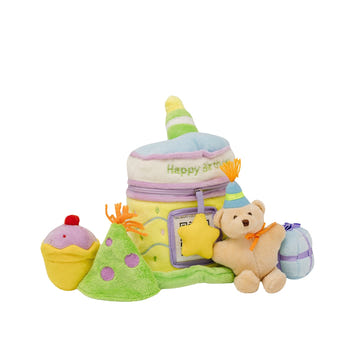
Genius Babies Toys Baby's 1st Birthday Plush Cake Pl...
$19.99

LYTL Silicone Ring Stacking Toy 10pc Food-grade BPA-...
$42.00
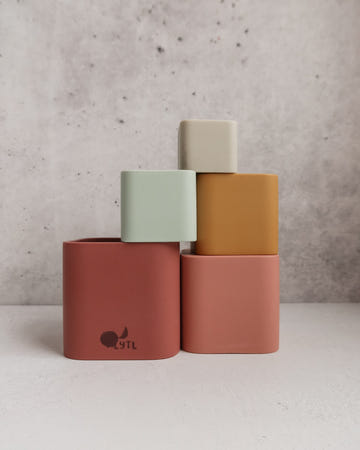
LYTL Silicone Stacking Cups Set of 5 Soft Toy Cups
$22.00
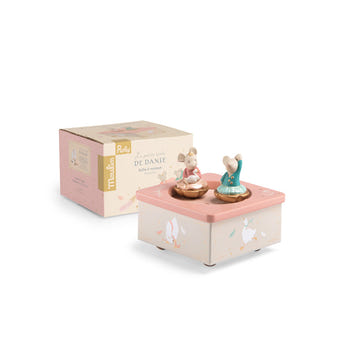
Speedy Monkey Musical Box The Little School of Dance...
$49.99

Comfy Cubs Stacking Blocks 36 Wooden Colorful Rocks
$29.99
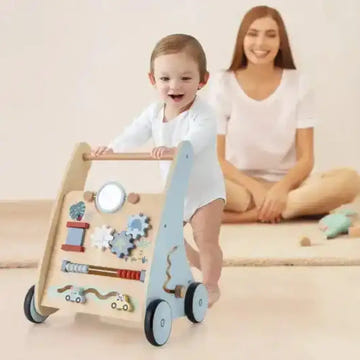
Wooden Baby Push and Pull Walker with Multi-Activity...
$39.99
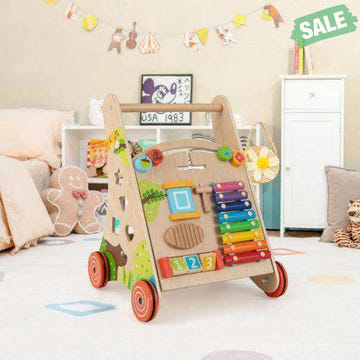
Wooden Push and Pull Baby Walker with Handle and Sto...
$29.99
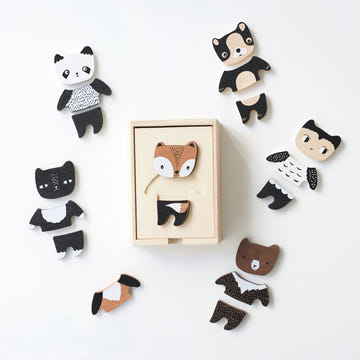
Wee Gallery Mix & Match Animal Tiles 18 Wooden Pieces
$63.95
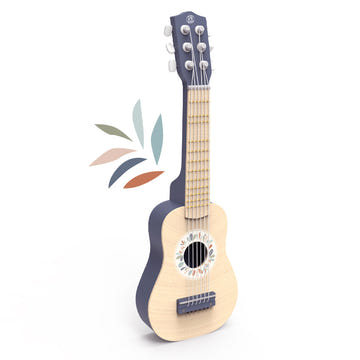
Speedy Monkey Guitar six-string toy multicolor 21.2in
$39.99
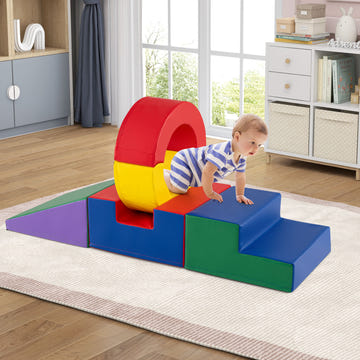
5 Pieces Kids Climbing Toys with PU Leather Cover - ...
$119.99