


Caring for a newborn brings immense joy, but it can also come with challenges, one of which is colic. Colic affects many infants, leading to prolonged periods of crying and discomfort, which can be distressing for both babies and parents. Understanding colic, its causes, symptoms, and potential solutions can help you manage this common condition more effectively. In this blog, we’ll explore everything you need to know about colic and how Moogco silver nursing cups can support breastfeeding mothers during this challenging time.
What is Colic?
Colic is characterized by excessive, unexplained crying in an otherwise healthy baby. Typically, colic begins within the first few weeks of life and peaks around 6 weeks, often resolving by 3 to 4 months of age. The exact cause of colic remains unknown, but it is generally defined by the “rule of threes”: crying for more than three hours a day, three days a week, for three weeks or longer.
Symptoms of Colic
Recognizing the symptoms of colic can help you determine if your baby is experiencing this condition. Common signs include:
- Intense Crying: Colicky babies often cry loudly and intensely, and their crying episodes are difficult to soothe.
- Crying at the Same Time Each Day: Colic episodes often occur at the same time each day, typically in the late afternoon or evening.
- Clenched Fists and Arched Back: Babies with colic might clench their fists, arch their backs, and pull their legs up to their tummies.
- Gassy and Bloated Abdomen: Colicky babies might have a bloated abdomen and pass gas frequently.
- Red Face: During crying episodes, a baby’s face may turn red from the intensity of their crying.
Possible Causes of Colic
While the exact cause of colic is unknown, several factors might contribute to this condition:
- Digestive Issues: Immature digestive systems can lead to gas and bloating, causing discomfort.
- Overfeeding or Underfeeding: Both overfeeding and underfeeding can cause discomfort, leading to colic-like symptoms.
- Food Sensitivities: Some babies might be sensitive to certain proteins in formula or breast milk, especially if the mother consumes dairy or other allergenic foods.
- Environmental Factors: Overstimulation from the environment can sometimes lead to colic.
- Emotional Factors: Babies might sense stress or anxiety in their caregivers, which can contribute to colicky behavior.
Managing Colic
Dealing with colic can be challenging, but several strategies might help soothe your baby and reduce the frequency and intensity of crying episodes:
Comforting Techniques: Holding and rocking your baby can provide comfort. Try swaddling, using a pacifier, or carrying your baby in a sling or carrier to offer a sense of security and warmth.
Feeding Adjustments: Ensure that your baby is feeding properly and getting enough burps during and after feedings to reduce gas. If you’re breastfeeding, consider adjusting your diet to see if certain foods might be causing discomfort.
Create a Calm Environment: Reduce stimulation by dimming lights, lowering noise levels, and keeping the environment calm. Gentle white noise, such as a fan or a white noise machine, can also be soothing.
Warm Baths and Tummy Time: A warm bath can help relax your baby, and supervised tummy time can help release gas and alleviate discomfort.
Try Probiotics: Some studies suggest that probiotics can help reduce colic symptoms by promoting a healthy balance of gut bacteria. Consult your pediatrician before giving your baby probiotics.
Seek Support: Caring for a colicky baby can be exhausting. Don’t hesitate to ask for help from family and friends, and take breaks when needed to rest and recharge.
The Role of Moogco Silver Nursing Cups
For breastfeeding mothers, managing colic while ensuring comfort during feeding sessions is essential. Moogco silver nursing cups provide natural antibacterial protection, promoting healing and preventing infections caused by frequent breastfeeding. The smooth surface of the cups reduces friction and irritation, providing continuous comfort and making it easier to focus on soothing your baby.
Conclusion
Colic is a challenging condition that affects many newborns, causing distress for both babies and parents. Understanding the symptoms, possible causes, and effective management strategies can help you navigate this difficult period. While there is no one-size-fits-all solution, comforting techniques, feeding adjustments, and creating a calm environment can make a significant difference. For breastfeeding mothers, Moogco silver nursing cups offer essential support, ensuring comfort and protection during this time. Embrace this challenging phase with confidence, knowing you have the tools and knowledge to care for your baby effectively.
Bring this guide home with 20% off.
Use code MOM20 for 20% off →
Featured pick from Moogco
MOOGCO Silver Nursing Cups 925k Silver - Protect Against Sore Breasts And Nipple Irritation
$45.90 $49.90
Shop this pick → Frequently Asked Questions
How can I tell the difference between regular crying and colic?
Regular crying usually has an identifiable cause like hunger, a dirty diaper, or tiredness, and your baby calms down once the need is met. Colic involves intense, prolonged crying that lasts more than three hours a day, often at the same time daily, and doesn't respond to typical soothing methods. Colicky babies may also show physical signs like clenched fists, arched backs, and red faces during episodes.

Can breastfeeding mothers prevent colic by changing their diet?
While diet isn't a guaranteed colic prevention method, some babies may be sensitive to certain foods in breast milk. Common triggers include dairy, caffeine, spicy foods, and cruciferous vegetables like broccoli and cabbage. Try eliminating one potential trigger at a time for at least a week to see if symptoms improve, and always consult your pediatrician before making major dietary changes.
Free US shipping over $100
Picks From This Story
Picks related to this guide, ready to ship from Moogco.
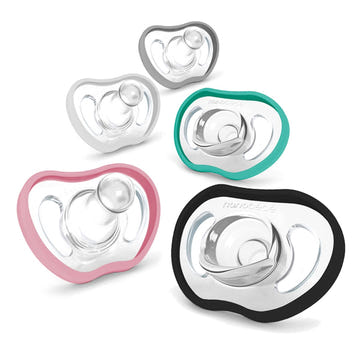
Nanobébé Active Flexy Pacifier 4m+ 4-pack Pink Teal ...
$14.99
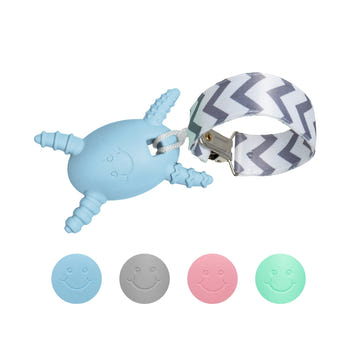
The Teething Egg The Molar Magician baby teether 4 t...
$19.95
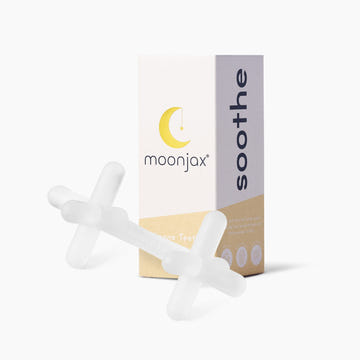
The best baby teether: 1-pack clear silicone teether
$14.99
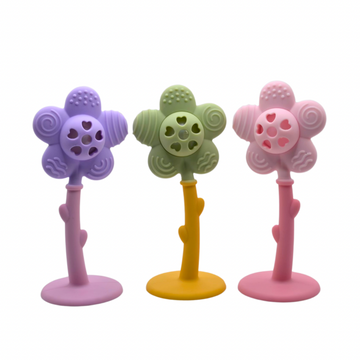
Golden Baby Rattle Teethers food grade silicone for ...
$7.99
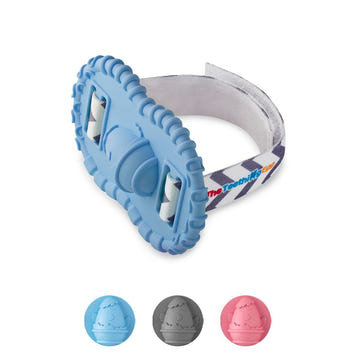
The Teething Egg Wristie Teether for 3-12 Months Adj...
$9.99
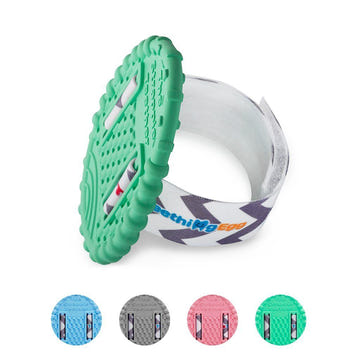
The Teething Egg Strappie Teether for Baby Carriers ...
$9.99
Real essentials, picked by real moms
Take 20% off at checkout, applied automatically when you shop through this link.
Shop with MOM20 →Free US shipping over $100. Code applies automatically at checkout.
Is it safe to give my colicky baby gripe water or other remedies?
Always consult your pediatrician before giving your baby any over-the-counter remedies, including gripe water or gas drops. Some products may contain ingredients not suitable for infants, and effectiveness varies widely. Your doctor can recommend safe, evidence-based options and help you determine if your baby's symptoms require medical attention.
Will colic affect my baby's development or long-term health?
Colic does not cause any long-term developmental or health problems for your baby. While it's incredibly stressful during the weeks or months it lasts, colic typically resolves on its own by 3 to 4 months of age. Your baby will continue to grow and develop normally, and once colic passes, there are no lasting effects.
When should I call the doctor about my baby's crying?
Contact your pediatrician if your baby has a fever, isn't eating well, shows signs of dehydration, has bloody stools, or if the crying pattern suddenly changes. Also seek medical advice if your baby seems to be in pain, if you feel overwhelmed and unable to cope, or if you're concerned the crying might indicate something more serious than colic.
More Related Picks
A few more favorites from the same collection.

The Teething Egg®
$19.95

Goosewaddle Rattle Teether Wooden Silicone 4 Colors
$16.00
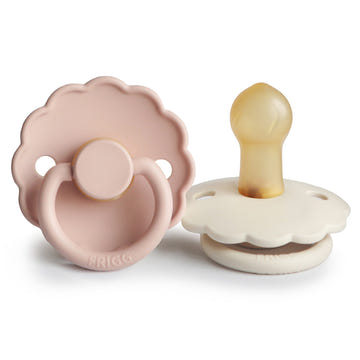
Mushie FRIGG Daisy Natural Rubber Pacifier 2-Pack Da...
$14.99

Mushie FRIGG Silicone Pacifier 6-Pack assorted palette
$34.99

Mushie FRIGG Daisy Silicone Pacifier 2-Pack Glow Night
$14.99
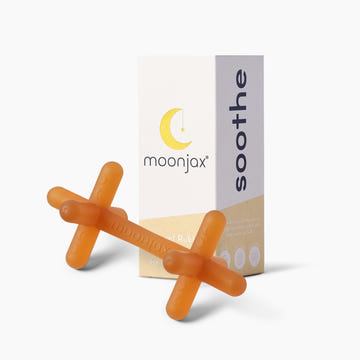
The best baby teether: 1-pack natural hevea tree rub...
$14.99
Can switching from breastfeeding to formula help with colic?
Switching feeding methods should only be done after consulting with your pediatrician and isn't typically recommended as a first-line solution for colic. Breastfeeding provides important benefits for both mother and baby, and colic affects formula-fed and breastfed babies equally. If food sensitivities are suspected, dietary adjustments or specialized formulas might be discussed with your doctor.
How can I cope with the stress of caring for a colicky baby?
Caring for a colicky baby is exhausting, so prioritize self-care and ask for help. Take breaks by having a partner, family member, or friend watch the baby while you rest or step outside. Remember that colic is temporary and not your fault. Join a support group, talk to other parents who've been through it, and don't hesitate to speak with your doctor if you're feeling overwhelmed or depressed.
Do silver nursing cups help with breastfeeding challenges during the colic phase?
Yes, Moogco silver nursing cups provide natural antibacterial protection and soothing comfort during the frequent feeding sessions common when caring for a colicky baby. The smooth silver surface reduces friction and promotes healing, helping prevent nipple soreness and infections that can occur from extended nursing. This comfort allows you to focus on bonding with and soothing your baby during this challenging time.
From Moogco Studio
Printable and personalized nursery essentials. Designed by moms for moms.


About the Editor
Eda Ulger is the editor at Moogco Baby and a mom of two. She curates and edits our guides so every piece is honest, practical, and genuinely helpful for the early days of motherhood.
Shop This Story
Picks related to this guide, ready to ship from Moogco.
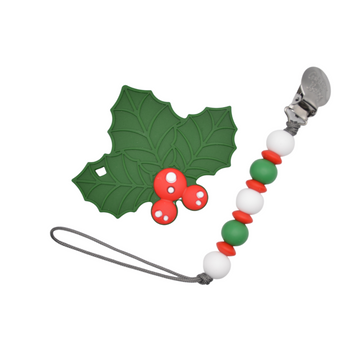
Golden Baby Holly Teether Set silicone pacifier clip...
$9.99

Golden Baby Zebra Teether Set Silicone Pacifier Clip...
$14.99
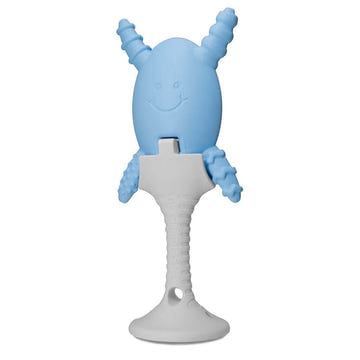
The Molar Grippie Stick
$4.99
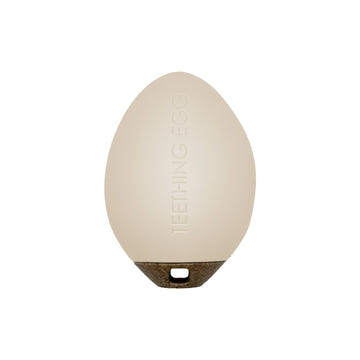
The Teething Egg Amber Core Teething Egg with Baltic...
$23.95
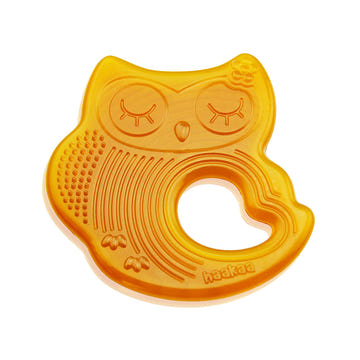
Haakaa Sleeping Owl Natural Rubber Teether 8cm 1 pk
$10.99
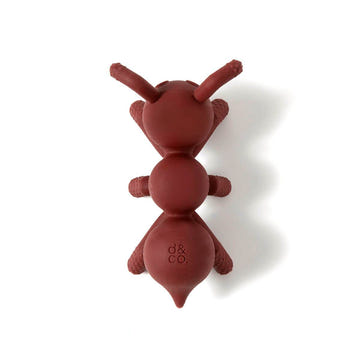
Doddle & Co Ant-icipation Chew 100% Silicone Teether...
$9.99
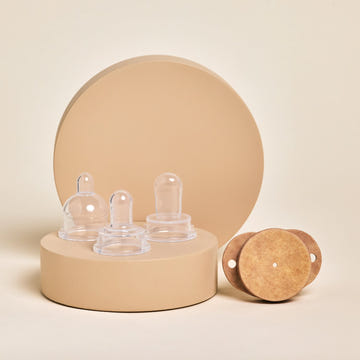
Pacifier Starter Kit
$50.00
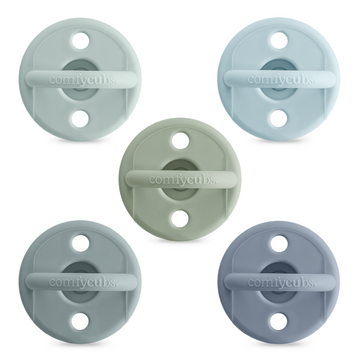
Comfy Cubs Pacifiers Multicolor Boy 5 Pack Silicone
$14.99
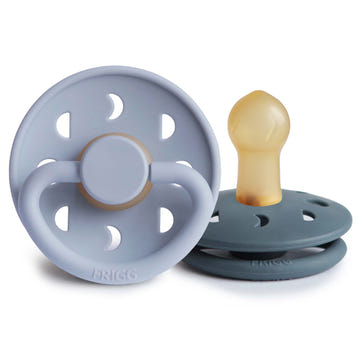
Mushie FRIGG Moon Natural Rubber Pacifier 2-Pack Sof...
$14.99
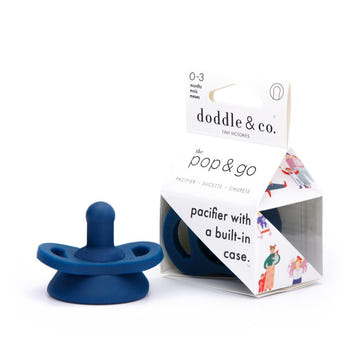
Doddle & Co Pop & Go Pacifiers Navy 100% Silicone
$9.99