


Bringing a baby into the world is a life-changing experience that comes with significant physical and hormonal changes. One common question for new moms is: “When will my period return after giving birth?” The timing varies for everyone, depending on factors like breastfeeding and individual body recovery. Understanding what to expect and how to manage this transition can help you feel more confident during this phase of motherhood.
1. When Will Your Period Return?
The return of your menstrual cycle depends on several factors:
- Breastfeeding moms: Prolactin, the hormone responsible for milk production, can suppress ovulation. If you exclusively breastfeed, your period might not return for several months—or even up to a year.
- Non-breastfeeding moms: If you’re not breastfeeding or only partially breastfeeding, your period might return as soon as 6–8 weeks postpartum.
It’s important to remember that ovulation can occur before your first postpartum period, meaning pregnancy is possible even if you haven’t had a period yet.
2. What to Expect with Your First Period Postpartum
Your first period after childbirth might be different from what you experienced before pregnancy. Common changes include:
- Heavier or lighter flow: Your body is adjusting, so expect some differences in flow.
- Irregular cycles: It may take a few months for your period to settle into a regular pattern.
- Increased cramping: Uterine contractions might feel more pronounced as your body heals.
- Spotting or breakthrough bleeding: This is common as your hormones stabilize.
If you experience very heavy bleeding (soaking through a pad every hour), large clots, or severe pain, contact your healthcare provider.
3. Caring for Yourself During Postpartum Periods
- Prioritize hydration: Stay well-hydrated to support recovery and breastfeeding.
- Focus on nutrition: Foods rich in iron and protein can help replenish your body.
- Track your cycle: Use a calendar or app to monitor patterns as your cycle normalizes.
- Choose postpartum-friendly products: Many moms prefer pads over tampons during the initial recovery phase to reduce irritation.
4. Balancing Breastfeeding and Periods
For breastfeeding moms, the return of your period might not affect your milk supply significantly, but some notice minor changes:
- Slightly reduced milk production: Hormonal shifts during your cycle can temporarily impact supply.
- Taste changes in milk: Some babies may nurse differently during your period due to subtle taste changes in breast milk.
Staying consistent with feeding or pumping can help mitigate these effects.
The Role of Moogco Silver Nursing Cups
Breastfeeding during your postpartum period can sometimes lead to sore nipples, especially if your baby adjusts their latch due to hormonal changes. Moogco Silver Nursing Cups offer a natural and soothing solution. Made with antibacterial silver, these cups provide relief without creams or chemicals, promoting healing while keeping you comfortable. Including them in your postpartum care routine ensures you can continue breastfeeding with ease, even as your body adapts to its new rhythm.
Picks From This Story
Picks related to this guide, ready to ship from Moogco.
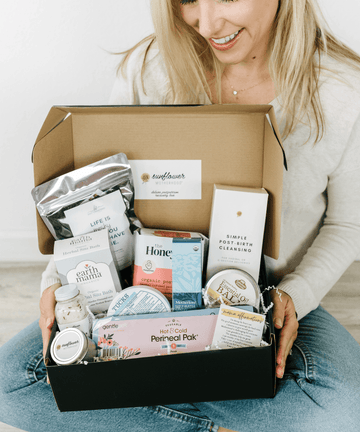
Sunflower Motherhood Deluxe Postpartum Recovery Box ...
$149.00
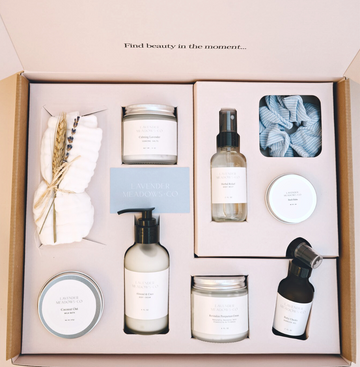
Lavender Meadows Co Postpartum Care Package Deluxe G...
$146.00
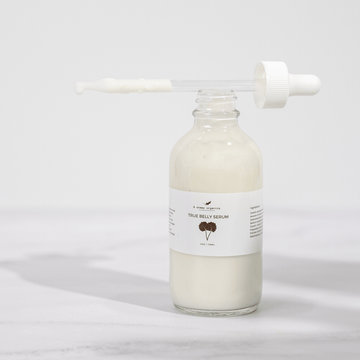
True Belly Serum
$47.00
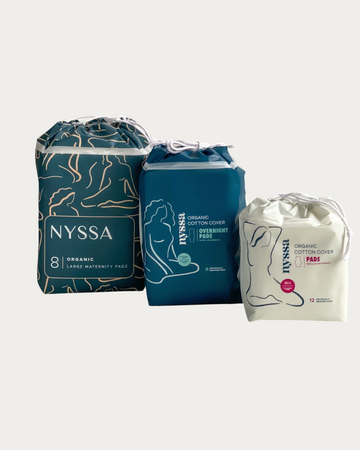
Nyssa Complete Organic Cotton Cover Pads Trio Postpa...
$25.00
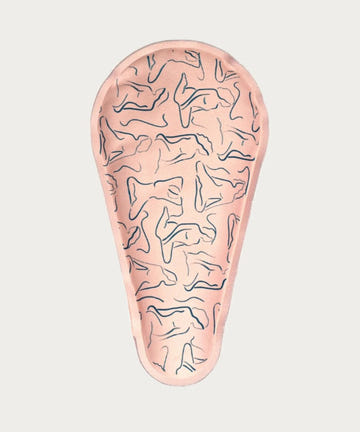
Nyssa Between Legs Perineal Ice Heat Pack for Postpa...
$15.00
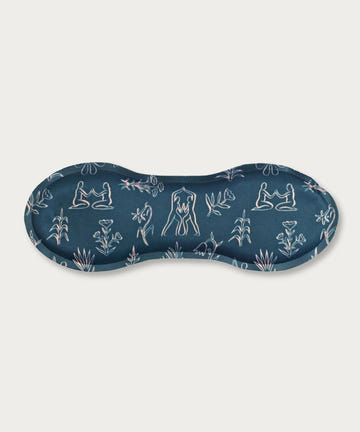
Nyssa Uterine Reusable Ice & Heat Pack contoured for...
$15.00
5. When to See a Doctor
While irregularities are common postpartum, there are instances where medical advice is necessary:
- Excessive bleeding or large clots
- Periods that remain irregular after six months
- Severe cramping or discomfort
Your healthcare provider can help ensure everything is progressing as it should.
Final Thoughts
The return of your period after birth is a normal part of recovery, though it can feel like one more adjustment in the busy life of a new mom. By staying informed, listening to your body, and integrating helpful tools like Moogco Silver Nursing Cups into your care routine, you can navigate this phase with confidence.
Every mom’s journey is unique, so be patient with yourself as your body finds its balance.
Bring this guide home with 25% off.
Use code READER25 for 25% off →
Featured pick from Moogco
French Terry Racerback Nursing & Sleep Bra | Beige
$39.90
Shop this pick → Frequently Asked Questions
Can I get pregnant before my first period returns after birth?
Yes, you can ovulate before your first postpartum period, which means pregnancy is possible even without menstruating. This is especially true for non-breastfeeding moms or those who supplement with formula. It's important to discuss contraception options with your healthcare provider at your postpartum checkup if you want to avoid getting pregnant again right away.

How long does the first postpartum period typically last?
Your first period after childbirth can last anywhere from 3 to 7 days, though some women experience longer or shorter durations. The length may be different from your pre-pregnancy periods as your body adjusts to hormonal changes. If your period lasts longer than 7 days or is extremely heavy, contact your healthcare provider.
Free US shipping over $100
Real essentials, picked by real moms
Take 25% off at checkout, applied automatically when you shop through this link.
Shop with READER25 →Free US shipping over $100. Code applies automatically at checkout.
More Related Picks
A few more favorites from the same collection.
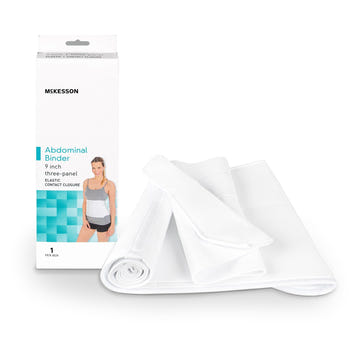
LL Medico McKesson Abdominal Binder Small Medium Whi...
$14.99
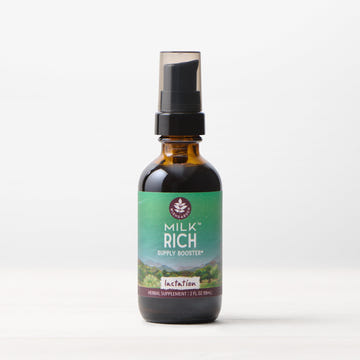
WishGarden Herbs Milk Rich Supply Booster pump top b...
$26.99
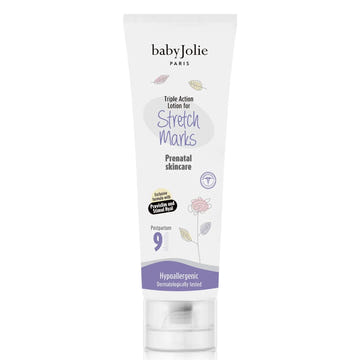
Baby Jolie Paris Triple Action Stretch Marks Cream 7...
$29.99
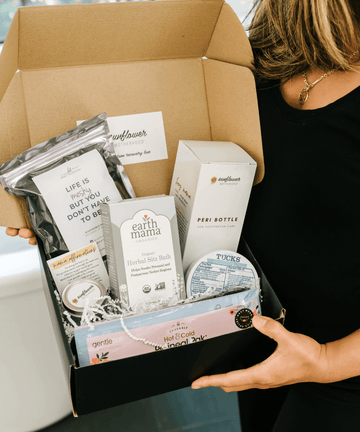
Sunflower Motherhood Postpartum Recovery Box full-si...
$79.00
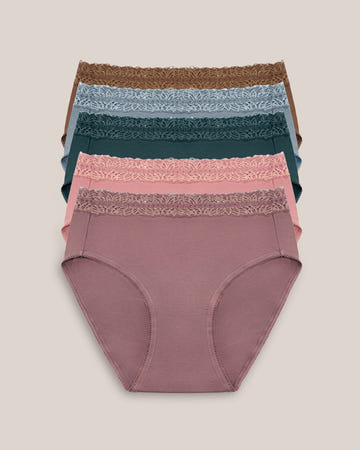
Kindred Bravely High-Waisted Postpartum Underwear Pa...
$36.90
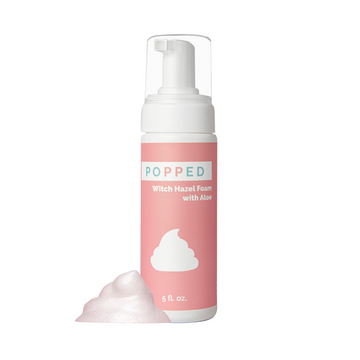
Popped Witch Hazel Foam with Aloe 5 fl oz Postpartum...
$12.99
Is it normal for postpartum periods to be irregular?
Yes, irregular cycles are completely normal during the first few months postpartum. Your hormones are readjusting, and it can take up to six months for your cycle to establish a regular pattern. Factors like breastfeeding, stress, and sleep deprivation can all influence cycle regularity during this transitional time.
Will my period affect my breast milk supply?
Some breastfeeding moms notice a slight, temporary dip in milk supply around ovulation or during their period due to hormonal fluctuations. This is usually minor and resolves within a few days. Staying hydrated, eating well, and maintaining a consistent nursing or pumping schedule can help keep your supply stable.
What's the difference between lochia and a period?
Lochia is the postpartum vaginal discharge that occurs in the weeks following birth as your uterus heals, typically lasting 4 to 6 weeks. It starts heavy and red, then gradually becomes lighter and pinkish or brownish. Your actual menstrual period will have a more recognizable cyclical pattern and occurs after lochia has ended.
Can stress delay the return of my period postpartum?
Yes, stress can influence when your period returns after childbirth. The demands of caring for a newborn, sleep deprivation, and hormonal changes all impact your body's systems. While breastfeeding is the primary factor delaying menstruation, stress and fatigue can also play a role in cycle irregularity.
Should I avoid tampons during my first postpartum period?
Many healthcare providers recommend using pads instead of tampons for your first few postpartum periods to reduce the risk of infection while your body is still healing. Once you're fully recovered and have been cleared by your provider at your postpartum checkup, you can typically resume using tampons if you prefer.
Do postpartum periods smell different than regular periods?
Some women notice a slightly different odor during their first few postpartum periods due to hormonal changes and the healing process. As long as there's no foul smell, fever, or other signs of infection, this is typically normal. If you notice a strong or unpleasant odor, contact your healthcare provider to rule out infection.
From Moogco Studio
Printable and personalized nursery essentials. Designed by moms for moms.


About the Editor
Eda Ulger is the editor at Moogco Baby and a mom of two. She curates and edits our guides so every piece is honest, practical, and genuinely helpful for the early days of motherhood.
Shop This Story
Picks related to this guide, ready to ship from Moogco.
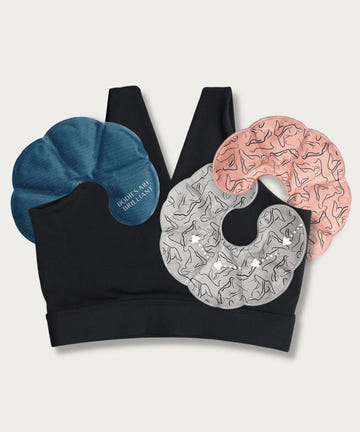
Nyssa FourthWear Postpartum Bralette and Breast Ice ...
$56.00
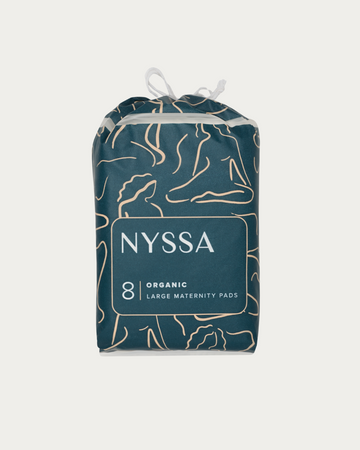
Nyssa Complete Coverage Organic Cotton Postpartum Pa...
$9.00
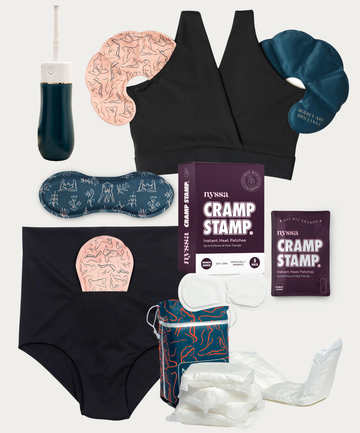
Nyssa Classic Black Essential Postpartum Kit 8-piece
$150.00
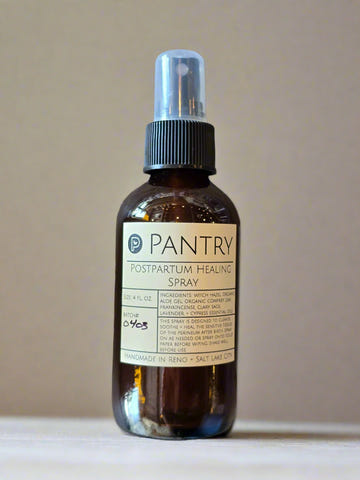
Postpartum Healing Spray - Perineum Recovery
$17.00
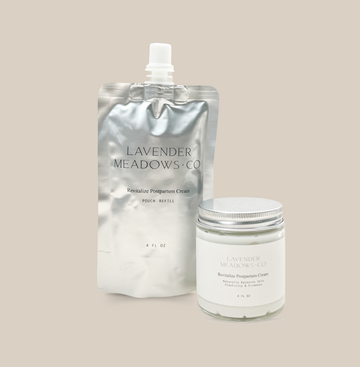
Lavender Meadows Co Revitalize Postpartum Cream Refi...
$30.00
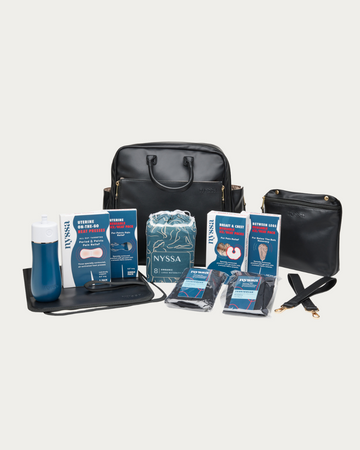
Nyssa Mother Bag + Essential Postpartum Kit Vegan Le...
$210.00
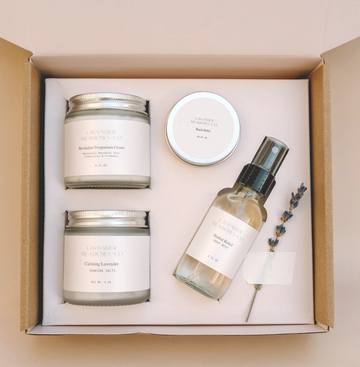
Lavender Meadows Co Postpartum Care Package organic ...
$70.00
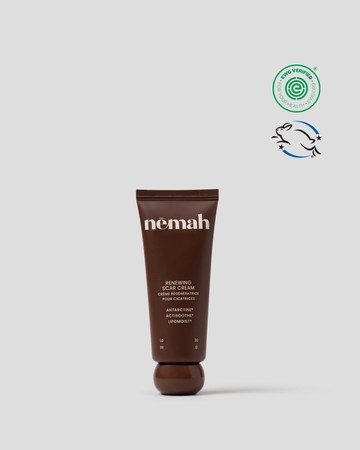
Nēmah Renewing Scar Cream for Pregnancy Breastfeedin...
$34.00
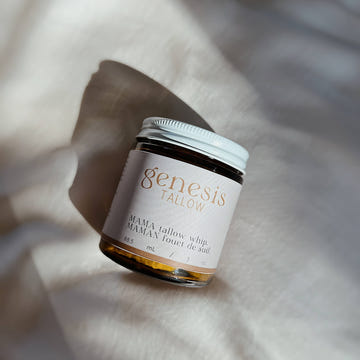
Hello Postpartum All-Natural Whipped Tallow Belly Bu...
$40.00
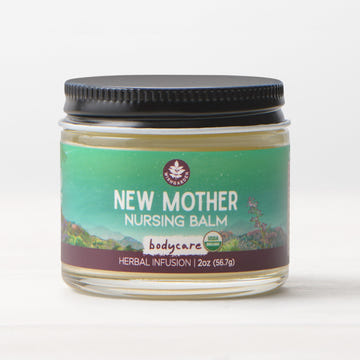
WishGarden Herbs New Mother Nursing Balm USDA Organic
$14.99