


Helping children fall in love with learning starts with small, hands-on tools that spark their curiosity. As parents, we know the best way to introduce young learners to the alphabet is through touch and play. One of the most beloved materials in Montessori education that achieves this perfectly is the sandpaper letter.
Just like our furniture encourages independence and creativity, sandpaper letters give children a sensory-rich, tactile pathway to literacy.
If you’re curious about how to use sandpaper letters Montessori style at home or in a classroom, this essential guide will walk you through everything you need to know.
What Are Sandpaper Letters?
Sandpaper letters are wooden or cardboard tiles with letters cut from a fine-textured sandpaper attached to the surface.

Children use their fingers to trace each letter while saying its phonetic sound. This multi-sensory approach helps them connect three things simultaneously: the visual shape, the tactile experience, and the phonetic sound of each letter. This powerful method lays a strong, lasting foundation for reading and writing.
Free US shipping over $100
Real essentials, picked by real moms
Take 15% off at checkout, applied automatically when you shop through this link.
Shop with HAPPYSPRING →Free US shipping over $100. Code applies automatically at checkout.
In Montessori philosophy, learning begins with the senses. By touching, seeing, and hearing the letter all at once, children build deep memory associations that go beyond simple rote memorization.
Picks From This Story
Picks related to this guide, ready to ship from Moogco.
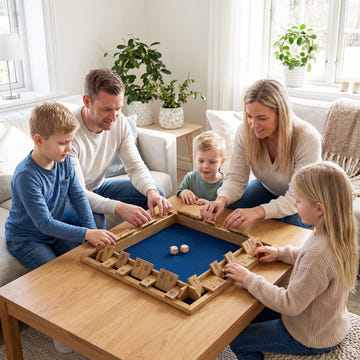
24 Inch Extra-Large Shut The Box Game for 2-4 Player...
$50.39
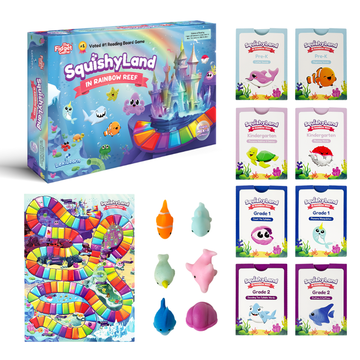
The Fidget Games Squishyland Ages 3 to 8 2 to 6 Players
$39.99
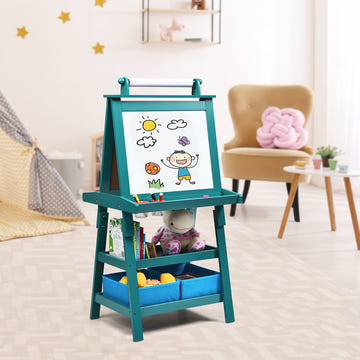
3 in 1 Double-Sided Storage Art Easel - Height-Adjus...
$69.29
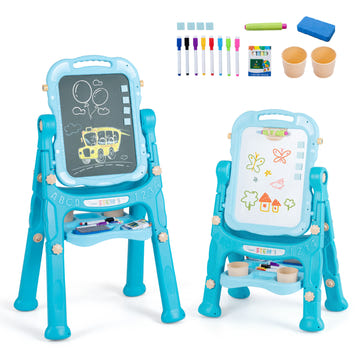
Art Easel for Kids with Adjustable Height
$39.89
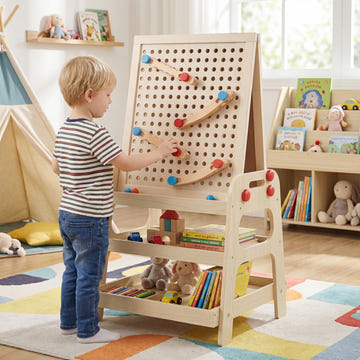
2-in-1 Kids Art Easel with Magnetic Whiteboard and M...
$66.14
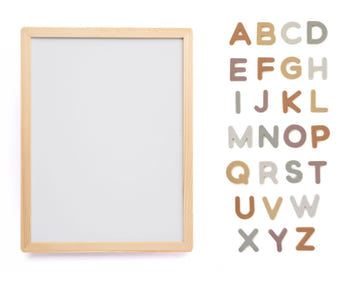
BROOKLYN NEUTRAL Alphabet Magnet Play Set Whiteboard...
$53.99
Why Sandpaper Letters Matter
Before children can hold a pencil and write fluently, they need to develop fine motor control and phonetic awareness. Sandpaper letters support both skills by:
Introducing phonics naturally – Children associate each letter with its sound rather than just its name
Strengthening motor memory – Tracing the textured surface helps children remember letter shapes.
Building confidence – The hands-on process feels like play, making learning less intimidating.
Encouraging independence – Children can explore the letters on their own, repeating as often as they like.
This is why Montessori educators typically introduce sandpaper letters between ages 3 and 6, when children are eager to explore symbols and sounds.
How To Use Sandpaper Letters the Montessori Way
Here’s a step-by-step guide you can use at home or in a classroom:
1. Prepare the Environment
Montessori emphasizes calm, uncluttered spaces. Choose a quiet, distraction-free spot. Place the sandpaper letters neatly in a box or tray so your child can easily see and choose them.
2. Start With Sounds, Not Alphabet Order
Instead of teaching “A, B, C” in sequence, begin with a small group of letters that are phonetically distinct and easy to pronounce, such as m, a, t. This allows your child to start blending sounds into words early on (like “mat” or “am”).
3. Demonstrate the Three-Period Lesson
Montessori often uses a teaching method called the three-period lesson to introduce new concepts:
Naming (Introduction)– Pick up a letter, trace it slowly with your index and middle finger, and say its sound aloud. For example, trace “m” while saying “mmm.” Invite your child to do the same.
Recognition (Association) – Place a few letters in front of your child. Ask questions like, “Can you find the letter that makes the ‘a’ sound?” or “Point to ‘m.’”
Recall (Remembering)– Hold up one letter and ask, “What sound does this make?” If your child struggles, return gently to step one without pressure.
4. Encourage Tracing With Both Hands
Children may prefer one hand at first, but encourage them to trace letters with both the right and left hands. This supports coordination and strengthens memory.
5. Keep Sessions Short and Joyful
Young children learn best in short bursts. Spend just 5–10 minutes at a time and stop before your child loses interest. Always end on a positive note so they’re excited to return next time.
Common Mistakes To Avoid
- Teaching letter names first – Focus on sounds (“sss” for S) instead of names (“ess”). This makes reading easier later.
- Rushing through the set – Stick to just a few letters at a time. Mastery matters more than speed.
- Correcting too harshly – If your child struggles, guide gently. The goal is exploration, not perfection.
-
Skipping sensory input – Don’t just show the letter. Always include tracing and sound for the full multi-sensory benefit.
More Related Picks
A few more favorites from the same collection.
Reusable Water Color Pad
$12.99
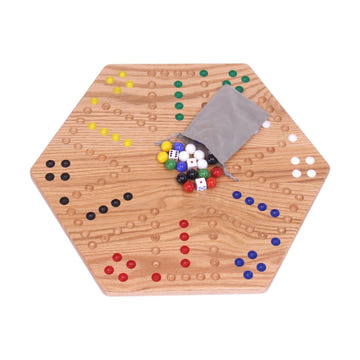
Amish Toy Box Aggravation Wahoo Marble Board Game Do...
$76.50
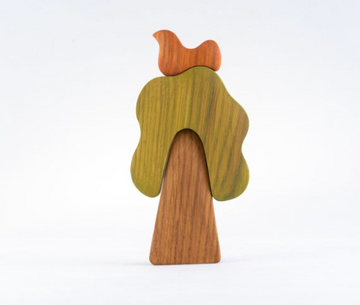
Waldorf wooden Oak Tree with the Bird
$25.50
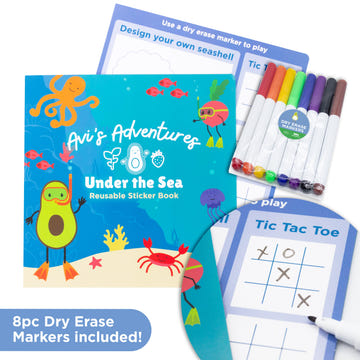
Avi's Adventures Under The Sea Reusable Sticker Book...
$12.99
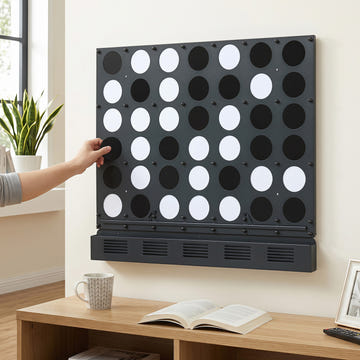
Wall-mounted Metal Connect-4 Game with Acrylic Discs
$71.39
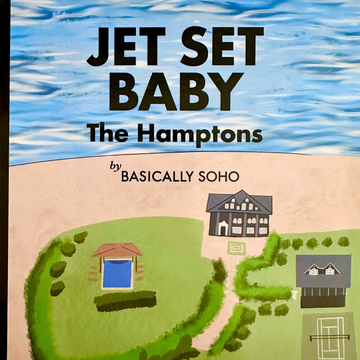
Hamptons Jet Set Baby Book
$12.00
How Sandpaper Letters Fit Into the Bigger Picture
Sandpaper letters aren’t meant to stand alone—they are part of the Montessori language journey. After children grow comfortable with letters and their sounds, they move on to:
-
Movable alphabets – For building words before writing them.
-
Writing practice – Using chalkboards or trays filled with sand to “write” letters by hand.
-
Early reading activities – Blending the familiar sounds into short words and phrases.
When paired with Montessori-inspired furniture and learning spaces, children gain a supportive environment that nurtures independence, focus, and joy in learning.
At Dannico Woodworks, we design furniture that complements this approach—tables at child height, shelves that encourage self-selection, and spaces that promote order and calm. Together, these tools create an environment where learning feels natural.
FAQs
What age should I introduce sandpaper letters?
Most children are ready around ages 3 to 4, though some may show interest earlier. Look for signs like curiosity about letters, mimicking sounds, or asking about words.
Should I buy uppercase or lowercase letters first?
Start with lowercase, since they are more common in reading and writing. Uppercase letters can be introduced later.
Do I need to follow Montessori strictly?
Not at all. You can adapt the approach to your child’s pace and interests. The key is making learning joyful and hands-on.
Can I make sandpaper letters at home?
Yes. Many parents craft their own using sandpaper, cardstock, and glue. Just make sure the size and texture are consistent and comfortable for little fingers.
How long should I use sandpaper letters before moving on?
Every child is different. Some may be ready to progress within a few months, while others may enjoy revisiting sandpaper letters for longer. Let your child’s interest guide you.
Final Thoughts
Sandpaper letters are more than a learning tool—they’re a doorway to language, confidence, and independence.
By using them Montessori style, you’re giving your child the gift of a gentle, hands-on introduction to literacy that can shape their relationship with learning for years to come.
That’s why we design durable, child-centered furniture that supports independence and exploration—perfect for pairing with Montessori tools like sandpaper letters.
For high-quality, supportive learning furniture that complements the Montessori approach, we recommend exploring the durable and child-centered designs from Dannico Woodworks.
Visit Dannico Woodworks to see their collection: Dannico Woodworks
Are you ready to set up a learning space that inspires your child every day?
Bring this guide home with 15% off.
Use code HAPPYSPRING for 15% off →
Featured pick from Moogco
The Original Silver Nursing Cups with Silicone Pads
$62.90 $74.90
Shop this pick → Frequently Asked Questions
How do sandpaper letters help with handwriting later on?
Tracing sandpaper letters builds muscle memory in the fingers and hand, teaching children the proper directional strokes for each letter. This tactile practice translates directly to pencil control when they begin writing. By the time they hold a pencil, their hands already know the shapes.
What if my child wants to skip tracing and just look at the letters?
Gently encourage the tracing component, as the tactile input is what makes sandpaper letters so effective. You can make it playful by tracing together, using different fingers, or adding a song. If resistance continues, take a break and try again in a few days when interest returns.
Can sandpaper letters help children with learning differences?
Yes, the multi-sensory approach is especially beneficial for children with dyslexia, sensory processing differences, or those who learn better through touch. The combination of sight, sound, and touch reinforces memory through multiple pathways. Always tailor the pace to your child's unique needs.
Should I introduce vowels and consonants separately?
Start with a mix of both so your child can quickly begin blending sounds into simple words. For example, pairing m, a, and t allows them to form real words like mat and am early on. This keeps the learning relevant and exciting rather than abstract.
How do I know if my child is ready to move past sandpaper letters?
Watch for signs like confidently recognizing and sounding out all the letters, showing interest in forming words, or asking to write. If your child can recall letter sounds without tracing, they're ready to explore movable alphabets and early writing activities.
Is it okay to use sandpaper letters alongside traditional preschool activities?
Absolutely. Sandpaper letters can complement any early learning approach, not just strict Montessori programs. They work beautifully alongside songs, storybooks, and alphabet games. The key is keeping the experience joyful and pressure-free.
What's the best way to store sandpaper letters at home?
Keep them in a low, accessible basket or tray on a child-height shelf so your little one can choose them independently. Store them upright or flat, grouped by introduction order rather than alphabetically. An organized, inviting presentation encourages repeated exploration.
Can older children who are struggling with reading benefit from sandpaper letters?
Yes, even school-age children who need extra phonics support can benefit from the tactile reinforcement. The sensory input helps re-anchor letter-sound connections in a way that feels different from traditional worksheets. It's never too late to strengthen foundational skills.
From Moogco Studio
Printable and personalized nursery essentials. Designed by moms for moms.


About the Editor
Eda Ulger is the editor at Moogco Baby and a mom of two. She curates and edits our guides so every piece is honest, practical, and genuinely helpful for the early days of motherhood.
Shop This Story
Picks related to this guide, ready to ship from Moogco.
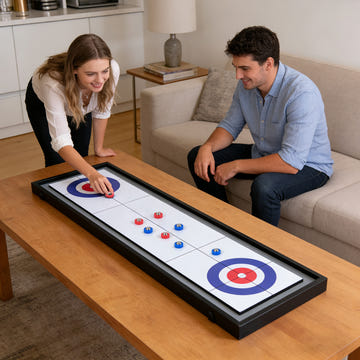
Shuffleboard and Curling 2 in 1 Board Game Portable ...
$48.29
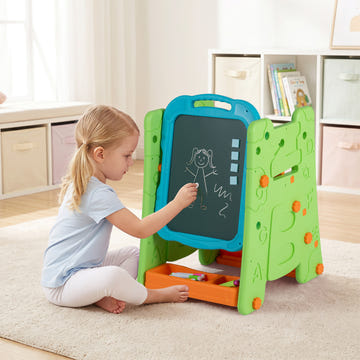
1 Art Easel for Kids with Double Sided Magnetic Board
$41.99
Speedy Monkey Boat Block Puzzle Multicolor 15 Wooden...
$24.99
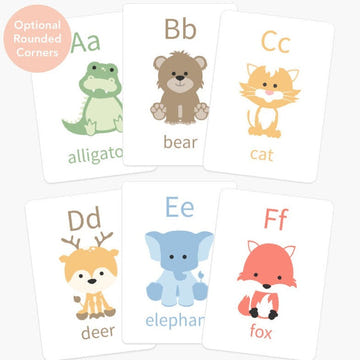
GoodnightFox Alphabet Flashcards 26 A, Z Illustrated...
$10.00
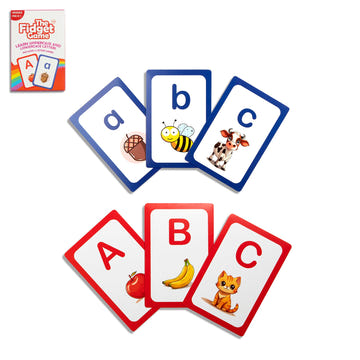
The Fidget Games ABC Learn Uppercase Lowercase Card ...
$9.99
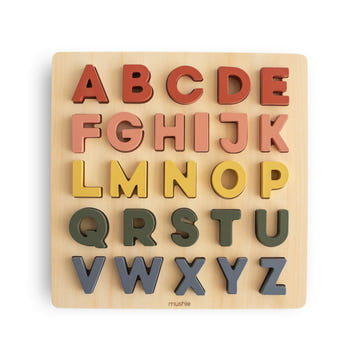
Mushie Wooden Alphabet Puzzle 26 Capital Letters
$29.99

Little Toes New Parents Are People Too book by Dr. S...
$14.95
3-in-1 Double-Sided Folding Wooden Kids Art Easel wi...
$60.89
elseware unplug Day at the Beach Kids Hand & Footpri...
$17.99
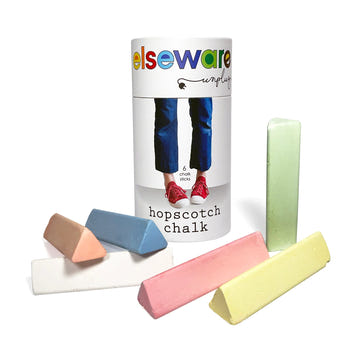
elseware unplug Hopscotch Chalk Set Talc-Free Non-Toxic
$9.99