


Welcome, parents, and caregivers. Hearing your baby cry can be one of the most stressful parts of your day, but it’s their primary and most powerful way of communicating. It isn’t a sign of failure on your part; it’s simply a call for help. The real challenge, of course, is decoding that call. What does your baby need right now? Are they hungry, tired, gassy, or just in need of a good cuddle?
This comprehensive guide is designed to be your go-to resource, moving beyond generic advice to give you a targeted toolkit of evidence-backed ways to soothe a crying baby. We’ve organized 10 distinct, actionable techniques by the most likely cause of distress. You’ll learn not just what to do, but the specific ‘how’ and ‘why’ behind each method, empowering you to respond with confidence.
We'll cover everything from swaddling and white noise to infant massage and troubleshooting feeding discomfort. For breastfeeding parents facing challenges like sore nipples that can disrupt a calm feeding session, we'll also touch on supportive solutions, such as the natural healing properties of Moogco Silver Nursing Cups, which helped one mom continue her journey after nearly giving up. Let’s transform those cries into coos and find your soothing superpower, together.
1. Swaddling: The Womb-Like Wrap for Instant Calm
For nine months, your baby’s world was a snug, warm, and secure place. Swaddling recreates that cozy womb-like feeling by wrapping them securely in a blanket. This simple act is one of the most effective ways to soothe a crying baby, as it helps prevent their natural startle reflex (the Moro reflex) from waking them up, leading to longer, more peaceful sleep.


Free US shipping over $100
Real essentials, picked by real moms
Take 20% off at checkout, applied automatically when you shop through this link.
Shop with MOM20 →Free US shipping over $100. Code applies automatically at checkout.
Popularized by experts like Dr. Harvey Karp and practiced for centuries across the globe, this technique is a cornerstone of newborn care. The gentle pressure provides a continuous “hug” that can instantly calm a fussy infant. Choosing the right swaddle is key to success; you can learn more about finding the perfect fit in our guide to the best swaddles for newborns.
How to Swaddle Safely
Proper technique is essential for both comfort and safety. To ensure you are correctly and safely swaddling your newborn, follow these critical tips:
- Hip Healthy: Wrap the arms snugly but keep the blanket loose around the hips and legs. This allows for healthy hip development and prevents issues like hip dysplasia.
- Back to Sleep: Always place a swaddled baby on their back to sleep to reduce the risk of SIDS.
- Keep it Cool: Use a lightweight, breathable blanket to avoid overheating. Check for a flushed face or sweating.
Watch this video for a clear visual guide on creating the perfect swaddle:
2. White Noise: Recreating the Comforting Sounds of the Womb
The world outside the womb can be jarringly quiet or full of sudden, sharp noises. For a baby accustomed to the constant, loud whooshing of blood flow and muffled sounds, this new audio environment can be unsettling. White noise recreates the familiar, comforting soundscape of the womb, providing a consistent audio "blanket" that masks startling noises like a door slamming or a dog barking.
This technique, championed by experts like Dr. Harvey Karp, is a key component of his "5 S's" for soothing newborns. It works by activating a baby's calming reflex, helping them relax and fall asleep faster. A steady, gentle hum can be one of the most powerful and simple ways to soothe a crying baby, creating a predictable and peaceful environment for rest.
Using White Noise Safely and Effectively
To harness the calming power of white noise without any risks, it's important to use it correctly. Follow these simple guidelines for safe and effective implementation:
- Mind the Volume: Keep the sound level no louder than a soft shower, around 50-60 decibels. If it sounds loud to you, it’s too loud for your baby.
- Keep a Safe Distance: Place the sound machine at least three feet away from your baby's crib or sleep space, never inside it.
- Use it for Sleep Cues: Use white noise primarily as a sleep aid. Turning it on as part of the nap or bedtime routine helps signal to your baby that it’s time to rest.
Watch this video to understand the different types of sound and how they can help your baby sleep:
3. Gentle Rocking or Motion: Harnessing Rhythmic Calm
Before birth, your baby was constantly in motion, lulled by the rhythm of your every move. Recreating this sensation with gentle rocking is a powerful and instinctive way to soothe a crying baby. The rhythmic movement helps activate their calming reflex, signaling to their developing nervous system that they are safe and secure, just as they were in the womb.
This age-old technique, used by parents for generations, is now supported by modern baby gear like gliders, bouncers, and automated rockers. The consistent, predictable motion can quickly stop tears and guide a fussy baby toward relaxation or sleep. A gentle sway or bounce can be especially comforting, turning moments of distress into peaceful connection.
How to Use Motion Effectively
Finding the right rhythm is key to making this method work. Follow these tips to master the art of motion:
- Find the Beat: Aim for a smooth, consistent rhythm of around 60 to 80 beats per minute, which mimics the comforting pace of a resting heartbeat.
- Use Your Body: When holding your baby, use your whole body by swaying at the hips or bending your knees. This creates a more natural and less tiring motion than just using your arms.
- Layer the Soothing: Combine gentle rocking with a soft "shushing" sound or a quiet lullaby. This layering of sensory input can amplify the calming effect.
- Mix It Up: Try different movements. A front-to-back rock is often best for calming down, while a side-to-side sway can be more engaging for a baby who is just a bit fussy.
Picks From This Story
Picks related to this guide, ready to ship from Moogco.
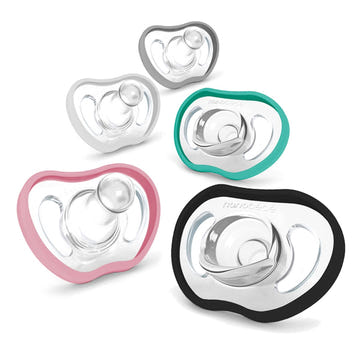
Nanobébé Active Flexy Pacifier 4m+ 4-pack Pink Teal ...
$14.99
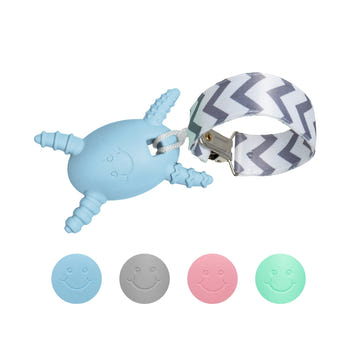
The Teething Egg The Molar Magician baby teether 4 t...
$19.95
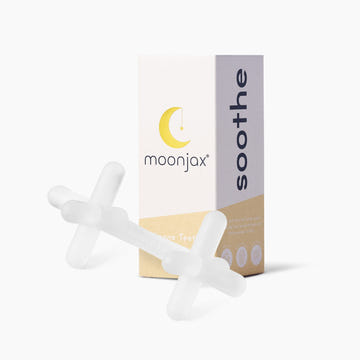
The best baby teether: 1-pack clear silicone teether
$14.99
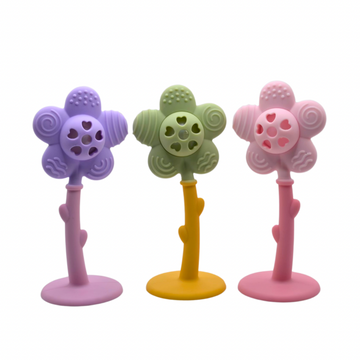
Golden Baby Rattle Teethers food grade silicone for ...
$7.99
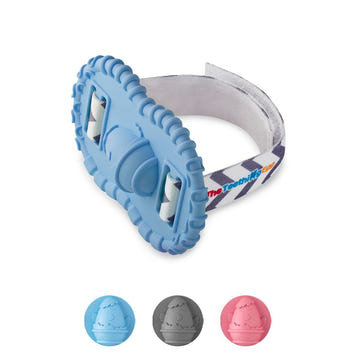
The Teething Egg Wristie Teether for 3-12 Months Adj...
$9.99
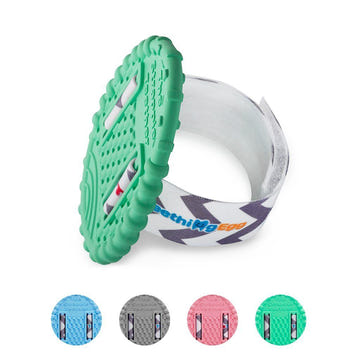
The Teething Egg Strappie Teether for Baby Carriers ...
$9.99
4. Pacifier Use: The Soothing Power of Sucking
Babies have a natural, powerful sucking reflex that isn't always related to hunger. Offering a pacifier taps into this instinct, providing a sense of security and calm that can quickly soothe a crying baby. This non-nutritive sucking is a self-soothing mechanism that can lower heart rate, blood pressure, and stress levels, making it a simple yet highly effective tool for parents.

Endorsed by the American Academy of Pediatrics (AAP) for its soothing benefits and its association with a reduced risk of SIDS, the pacifier is a go-to for many caregivers. For breastfeeding mothers, ensuring a comfortable nursing experience is key before introducing a pacifier. Many moms find that using Moogco Silver Nursing Cups helps soothe sore nipples, allowing them to establish a strong breastfeeding routine first. You can learn how to choose the right pacifier for your baby in our comprehensive guide.
How to Use a Pacifier Safely
To maximize the benefits and ensure your baby's safety, follow these important guidelines:
- Wait for Breastfeeding to Be Established: The AAP suggests waiting until breastfeeding is well-established, typically around 3-4 weeks, to avoid any potential nipple confusion.
- Offer, Don't Force: Let your baby decide. If they spit it out, don't force it back in.
- Keep it Clean: Sterilize pacifiers before the first use and clean them regularly with soap and water.
- One-Piece is Best: Choose a one-piece pacifier to prevent parts from breaking off and becoming a choking hazard.
5. Skin-to-Skin Contact (Kangaroo Care): The Ultimate Soothing Connection
Harnessing the simple yet profound power of touch, skin-to-skin contact, also known as kangaroo care, is a scientifically-backed method for calming a crying baby. This practice involves placing your naked baby (with a diaper on) directly onto your bare chest. The immediate warmth, the sound of your heartbeat, and your familiar scent work in harmony to regulate your baby’s temperature, heart rate, and breathing, creating an environment of deep security that mimics their time in the womb.

Championed by the WHO, UNICEF, and neuroscientists like Dr. Nils Bergman, kangaroo care is a standard practice in NICUs worldwide for its incredible physiological benefits. For breastfeeding mothers, it can be a particularly powerful tool for comfort and connection, especially when dealing with sore nipples. Pairing this practice with the natural healing properties of Moogco Silver Nursing Cups can make the entire experience more comfortable, helping you soothe both yourself and your baby.
How to Practice Kangaroo Care Effectively
Making skin-to-skin contact a regular part of your routine is simple and deeply rewarding for both baby and parent.
- Create a Calm Space: Find a quiet, comfortable chair in a warm room. Remove your shirt and your baby’s clothing, leaving just their diaper.
- Position for Comfort: Lay your baby on your chest, turning their head to one side so their ear is against your heart. You can cover both of you with a light blanket for warmth.
- Embrace the Moment: Relax and enjoy the closeness. This powerful bonding time is beneficial for moms, dads, and partners alike, helping to reduce stress for everyone involved.
For mothers who are breastfeeding, this closeness can also help stimulate milk supply. You can learn more about combining these practices in our guide to the benefits of skin-to-skin contact during breastfeeding.
6. Shushing and Soft Sounds: Mimicking the Womb's Symphony
Inside the womb, your baby was surrounded by a constant chorus of sounds: the whoosh of blood flow, your rhythmic heartbeat, and muffled noises from the outside world. Replicating this auditory environment with shushing is a powerful way to soothe a crying baby. The sound is not just comforting; it's a familiar sensory experience that can trigger a baby’s calming reflex.
Dr. Harvey Karp, author of "The Happiest Baby on the Block," highlights shushing as one of the essential "5 S's" for calming fussiness. The key is to make the sound louder than your baby’s cries initially, then gradually soften it as they settle down. This technique works because it mimics the loud, consistent noise they were accustomed to for nine months, effectively cutting through their distress and capturing their attention.
How to Shush Effectively
To make shushing work, consistency and volume are everything. Use these tips to master this simple yet profound soothing method:
- Be Louder Than the Cries: Start with a firm, loud "SHHHHH" sound right next to your baby's ear. This isn't about yelling, but about matching their volume to get their attention.
- Create a Rhythm: Maintain a long, steady, and rhythmic shush. Think of the sound of a powerful fan or a running faucet.
- Soften as They Settle: As your baby's cries turn into whimpers and they begin to relax, you can lower your volume and slow the pace of your shushing.
- Combine and Conquer: Shushing is even more effective when paired with other soothing methods like rocking, swaddling, or holding them in a comfortable position.
7. Feeding and Nutrition Management
Hunger is often the primary reason a baby cries, but how you feed them matters just as much as when. Strategic feeding and nutrition management can be one of the most effective ways to soothe a crying baby by addressing not only hunger but also gas, reflux, and other digestive discomforts. A proper latch, correct feeding frequency, and effective burping are the pillars of a peaceful feeding experience.
This approach, championed by experts like the International Lactation Consultant Association (ILCA) and Dr. Jack Newman, focuses on creating a comfortable and efficient feeding process. For breastfeeding mothers, a poor latch can cause nipple pain and lead to the baby swallowing excess air, causing painful gas. This is where simple, effective tools can make a huge difference. One mother, Sarah, was ready to quit breastfeeding due to severe pain but found that using Moogco Silver Nursing Cups helped her heal quickly, allowing her to continue her journey and soothe her baby through comfortable, nourishing feeds. These natural, antimicrobial silver nursing cups are a must-have for breastfeeding moms.
How to Manage Feedings for a Calmer Baby
A well-fed baby is a happy baby. Follow these tips to address cries rooted in hunger or digestive upset:
- Feed on Demand: Newborns typically need to eat 8-12 times in 24 hours. Learn your baby's hunger cues to feed them before they become distressed. You can discover more by understanding baby hunger cues.
- Ensure a Deep Latch: A good latch is crucial for both mom's comfort and baby's digestion. Ensure your baby’s mouth covers a large part of the areola, not just the nipple.
- Burp Effectively: Burp your baby during natural pauses in feeding and again after they finish to release trapped air.
- Hold Upright After Feeds: Keep your baby in an upright position for 20-30 minutes after eating to help prevent spit-up and reflux.
More Related Picks
A few more favorites from the same collection.
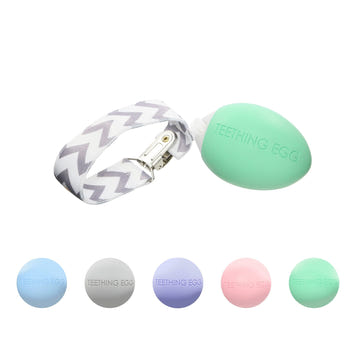
The Teething Egg®
$19.95

Goosewaddle Rattle Teether Wooden Silicone 4 Colors
$16.00
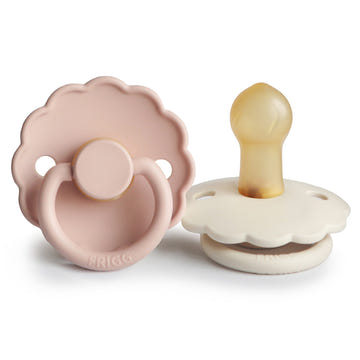
Mushie FRIGG Daisy Natural Rubber Pacifier 2-Pack Da...
$14.99

Mushie FRIGG Silicone Pacifier 6-Pack assorted palette
$34.99

Mushie FRIGG Daisy Silicone Pacifier 2-Pack Glow Night
$14.99
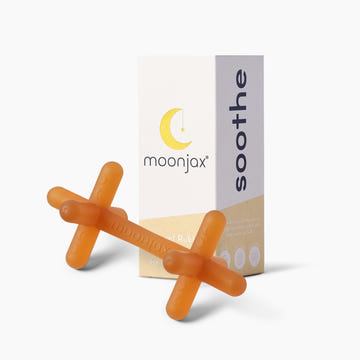
The best baby teether: 1-pack natural hevea tree rub...
$14.99
8. Temperature Regulation and Comfort
It's easy to forget that babies can’t tell us if they’re too hot or too cold, yet temperature is a major factor in their comfort and a frequent cause of fussiness. A baby who is uncomfortably warm or chilly will often cry to signal their distress. Ensuring they are dressed appropriately for the environment is a simple yet powerful way to soothe a crying baby.
Managing your baby's temperature goes beyond just setting the thermostat; it's about creating a perfectly cozy environment. This includes using breathable layers and safe sleepwear, like sleep sacks, instead of loose blankets. A comfortable baby is far more likely to be a calm and happy baby, making this a crucial check when trying to decipher those cries. Comfort extends to all aspects of care, including breastfeeding, where using Moogco Silver Nursing Cups can prevent pain and discomfort, ensuring a soothing experience for both mom and baby.
How to Keep Your Baby Comfortable
Getting the temperature right is a delicate balance. Use these tips to ensure your baby is always safe and comfortable:
- Optimal Room Temperature: Keep the nursery between 68-72°F (20-22°C). A room thermometer can help you monitor this range effectively.
- Check Their Nape: The best way to check your baby's temperature is to feel the back of their neck. If it’s sweaty, they’re too hot; if it’s cool, they may need another layer.
- Dress in Layers: A good rule of thumb is to dress your baby in one more light layer than you are wearing to be comfortable.
- Safe Sleepwear: Avoid loose blankets in the crib. Instead, opt for a wearable blanket or sleep sack to keep them warm safely.
9. Infant Massage: A Loving Touch for Deep Relaxation
The power of touch is one of the most instinctual ways to soothe a crying baby. Infant massage goes beyond a simple cuddle, using gentle, rhythmic strokes to calm your baby’s nervous system, reduce stress hormones, and foster a deep sense of connection. This nurturing practice has been shown to alleviate fussiness, improve sleep, and even aid digestion by relieving gas and constipation.
The technique, popularized by figures like Vimala McClure, founder of the International Association of Infant Massage (IAIM), transforms a simple touch into a powerful communication tool. It creates a special ritual that allows you to tune into your baby’s cues and respond to their needs with loving care, making it an effective and heartwarming method for calming an upset infant.
How to Practice Infant Massage
Creating a calm environment is the first step to a successful massage. Ensure the room is warm and your baby is in a quiet, alert state, not overly tired or hungry.
- Warm Your Hands: Rub a small amount of baby-safe oil between your palms to warm them before touching your baby's sensitive skin.
- Start Gently: Begin with slow, firm strokes on the legs and feet, gradually moving to the tummy, chest, and arms. A clockwise, circular motion on the belly can be especially helpful for gas.
- Watch for Cues: Pay close attention to your baby’s reactions. If they seem uncomfortable or start to cry more, it’s best to stop and try again later.
- Keep it Short: A 5 to 10-minute massage is plenty for a young infant. The goal is connection and relaxation, not a full-body workout.
This bonding time is precious for both mom and baby. For breastfeeding mothers, ensuring comfort during these moments is key. Many moms find that using Moogco Silver Nursing Cups between feeds helps soothe and protect sensitive nipples, allowing them to fully enjoy these bonding activities without discomfort.
10. Identifying and Addressing Underlying Issues
Sometimes, a baby's cries are not just a call for a simple fix like a diaper change or a feed; they are a signal that something deeper needs attention. Systematically investigating the root cause of crying is a crucial way to soothe a crying baby effectively. Instead of just treating the symptom (the cry), this approach focuses on solving the actual problem, leading to lasting comfort.
This detective work involves looking beyond the obvious. It means understanding developmental phases like the Period of PURPLE Crying, a normal but intense period of increased crying some infants experience in their first few months. Popularized by experts like Dr. Ronald Barr and Dr. Harvey Karp, this concept helps parents recognize that sometimes, the crying itself is the behavior, not a sign that they are doing something wrong. You can find more strategies for these intense periods in our guide to understanding and surviving colic.
How to Investigate Crying Triggers
Becoming a "baby detective" is about observation and patience. By looking for patterns, you can provide targeted, effective care that truly addresses your baby's needs.
- Keep a Log: Note when crying spells happen, how long they last, and what you were doing beforehand. This can reveal patterns related to feeding, sleeping, or stimulation.
- Check for Physical Discomfort: Go beyond a wet diaper. Look for scratchy clothing tags, a hair wrapped around a tiny toe, or skin irritation. Persistent discomfort from conditions like eczema can be a hidden cause of fussiness, and finding the best moisturizer for baby eczema can offer significant relief.
- Assess the Environment: Is the room too bright, too loud, or too busy? Overstimulation is a common trigger for crying. A quiet, dimly lit space can work wonders.
- Consult a Professional: If crying is inconsolable, accompanied by a fever, or just doesn't feel right, always trust your instincts and contact your pediatrician.
10 Baby Soothing Methods Compared
| Technique | Complexity 🔄 | Resources ⚡ | Expected outcomes 📊 | Ideal use cases 💡 | Key advantages ⭐ |
|---|---|---|---|---|---|
| Swaddling | Moderate — requires correct technique and monitoring | Low — lightweight blanket or swaddle | High — reduces startle reflex, can extend sleep duration (short-term) | Newborns (pre-roll), sleep/nap time, soothing | ⭐ Promotes longer sleep; inexpensive; may reduce SIDS risk when used safely |
| White Noise | Low — easy to deploy; monitor volume | Low — machine, app, or speaker | Moderate–High — masks disruptive sounds and reduces awakenings | Sleep environments, noisy homes, travel | ⭐ Quick calming effect; affordable; benefits household sleep |
| Gentle Rocking or Motion | Low–Moderate — manual or device use; safety considerations | Medium — caregiver effort or rocker/swing | High (immediate) — rapidly soothes; aids digestion/gas relief | Soothing, colic, bonding, settling for sleep | ⭐ Immediate calming; supports bonding; portable options |
| Pacifier Use | Low — simple but timing matters (breastfeeding) | Low — pacifiers and replacements, hygiene | Moderate — supports self-soothing and reduced SIDS risk at sleep | Nap/bedtime (after breastfeeding established), outings | ⭐ Portable, cost-effective; aids self-soothing and sleep |
| Skin-to-Skin (Kangaroo Care) | Low — physical logistics can be limiting for caregiver | Very low — no equipment required | Very High — regulates temperature, HR, breathing and increases bonding | Immediately postpartum, distressed baby, breastfeeding support | ⭐ Strong physiological benefits; promotes bonding and breastfeeding |
| Shushing & Soft Sounds | Very Low — minimal skill, simple consistency | Very low — voice or quiet device | Moderate — immediate calming for many, best combined with other methods | Any time, public settings, sleep onset | ⭐ Always available; no equipment; discreet and quick |
| Feeding & Nutrition Management | High — requires assessment, technique and possible dietary changes | Medium — time, lactation support, possible consultations | Very High — addresses root cause; reduces crying long-term | Persistent crying, hunger cues, suspected feeding issues | ⭐ Treats underlying causes; improves health and growth |
| Temperature Regulation & Comfort | Low — ongoing monitoring and adjustments | Low — clothing layers, sleep sacks, thermometer | Moderate — prevents discomfort-related crying and improves sleep | Sleep environment, seasonal changes, newborn care | ⭐ Preventative and simple; reduces overheating risk and discomfort |
| Infant Massage | Moderate — learn proper techniques; observe cues | Low — time, safe baby oil, warm hands | Moderate — reduces crying, improves digestion and sleep | Colic, bonding routines, relaxation before sleep | ⭐ Promotes relaxation, digestion and parent–child bonding |
| Identifying & Addressing Underlying Issues | High — systematic assessment and possible medical input | Medium–High — observation logs, professional consultations | Very High — targeted, long-term solutions and parental confidence | Persistent or unexplained crying, suspected medical issues | ⭐ Addresses true causes; reduces trial-and-error and long-term crying |
Your Journey to a Quieter Home and a Happier Baby
Navigating the world of a newborn is a profound journey of discovery for both you and your baby. As we've explored, finding the right ways to soothe a crying baby is less about a single magic bullet and more about building a responsive, loving connection through a toolkit of techniques. This journey is one of trial, error, and immense reward.
Remember that what brings calm one day might not work the next, and that is completely normal. The key is to stay patient, remain observant, and trust the powerful intuition that develops between you and your child. You are learning your baby's unique language, a symphony of cues and cries that you will become an expert at decoding.
Key Takeaways for Your Soothing Toolkit
Let’s quickly recap the core principles we've covered. The most effective soothing strategies often layer simple, primal comforts that mimic the womb.
- Create a Womb-like Environment: Swaddling, white noise, and gentle, rhythmic motion are foundational. These methods provide a sense of security and familiarity that can instantly calm an overwhelmed nervous system.
- Address Physical Needs First: Always rule out the basics. Is your baby hungry, gassy, too hot, or too cold? Techniques like proper feeding, burping, and infant massage are not just solutions; they are opportunities for connection.
- You Are the Ultimate Soothing Tool: Never underestimate the power of your presence. Skin-to-skin contact, the sound of your heartbeat, and your gentle shushing are irreplaceable sources of comfort. Your calm and steady presence is the anchor in your baby's world.
A Story of Comfort and Perseverance
Sometimes, the root of a baby's distress can be linked to feeding challenges, which can be heartbreaking for a new parent. Consider this success story from a real mom, Sarah J., who almost gave up on her breastfeeding journey:
"The pain was unbearable. My baby would cry from hunger because I couldn't stand the latching pain. I felt like a failure. A friend recommended Moogco Silver Nursing Cups, and they were a game-changer. Within two days, the soreness was gone. The cups created a healing environment that allowed me to continue. Breastfeeding became a beautiful bonding time instead of a tearful struggle. Those little silver nursing cups saved our nursing relationship and brought so much peace to our home."
Like Sarah, many mothers discover that supporting their own comfort is a critical step toward having a happy baby. When you are comfortable and pain-free, feeding becomes a calm, nurturing experience. Tools like Moogco Silver Nursing Cups are not just for you; they are for your baby, ensuring they get the comfort and nutrition they need to thrive.
Mastering these different ways to soothe a crying baby is an empowering process. It transforms moments of stress into opportunities for deeper bonding and builds your confidence as a caregiver. You are not just stopping tears; you are laying the foundation for a secure and trusting relationship that will last a lifetime. You've got this.
Ready to find more peace and comfort on your parenting journey? Explore our full collection of thoughtfully designed products at Moogco Baby, from our game-changing Silver Nursing Cups to essentials that support both you and your little one. Let us help you make these precious early days as joyful as possible.
Bring this guide home with 20% off.
Use code MOM20 for 20% off →
Featured pick from Moogco
French Terry Racerback Nursing & Sleep Bra | Beige
$39.90
Shop this pick → Frequently Asked Questions
How long should I let my baby cry before trying to soothe them?
There's no magic number, but responding promptly to your baby's cries builds trust and security. In the early months, your baby isn't capable of self-soothing, so a quick response is key. If you need a moment to collect yourself, it's okay to place your baby safely in their crib and take a short break, then return calm and ready to help.
Can swaddling be dangerous if done incorrectly?
Yes, improper swaddling can pose risks like overheating or hip dysplasia. Always wrap the arms snugly but leave the hips and legs loose enough to move freely. Never swaddle once your baby shows signs of rolling over, typically around 2 months, and always place them on their back to sleep.
What volume should I use for white noise, and can it damage my baby's hearing?
White noise should be kept at or below 50 to 60 decibels, roughly the volume of a soft shower. Place the machine at least three feet away from your baby's sleep space. When used at safe levels and distances, white noise will not harm your baby's hearing and can be a wonderful sleep aid.
Is it okay to rock my baby to sleep every night, or will they become dependent on it?
Rocking your baby to sleep is perfectly fine, especially in the early months when they need that closeness and motion. As your baby grows, you can gradually introduce other soothing techniques, but there's no rush. Responding to their needs now builds a foundation of security, not dependence.
When is the best time to introduce a pacifier if I'm breastfeeding?
The AAP recommends waiting until breastfeeding is well established, usually around 3 to 4 weeks, before introducing a pacifier. This helps prevent any nipple confusion and ensures your baby has mastered the latch. Once nursing is going smoothly, a pacifier can be a wonderful soothing tool.
How long should I do skin-to-skin contact with my baby each day?
There's no set limit. Even just 15 to 20 minutes of skin-to-skin contact can provide incredible benefits, but you can enjoy it for as long as you and your baby are comfortable. Many parents incorporate it after feedings, during naps, or anytime baby needs extra comfort. The more, the better.
What should I do if none of these soothing techniques are working?
If your baby continues to cry inconsolably despite trying multiple methods, trust your instincts and contact your pediatrician. Persistent crying can sometimes signal an underlying issue like reflux, colic, an ear infection, or food sensitivities. It's always better to check in and rule out anything medical.
Can I combine multiple soothing techniques at once, or should I try one at a time?
Absolutely, you can and often should combine techniques. Dr. Harvey Karp's famous "5 S's" method, for example, layers swaddling, side or stomach position (for holding, not sleeping), shushing, swinging, and sucking all at once for maximum effect. Experiment to find the right combination that works best for your unique baby.
From Moogco Studio
Printable and personalized nursery essentials. Designed by moms for moms.


About the Editor
Eda Ulger is the editor at Moogco Baby and a mom of two. She curates and edits our guides so every piece is honest, practical, and genuinely helpful for the early days of motherhood.
Shop This Story
Picks related to this guide, ready to ship from Moogco.
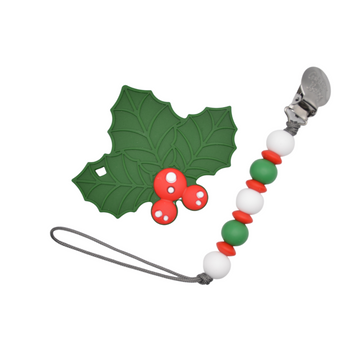
Golden Baby Holly Teether Set silicone pacifier clip...
$9.99

Golden Baby Zebra Teether Set Silicone Pacifier Clip...
$14.99
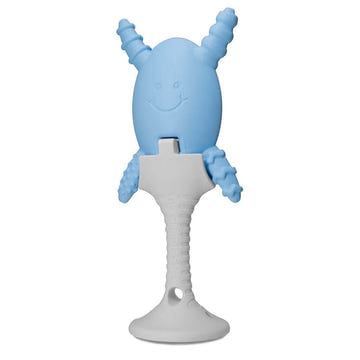
The Molar Grippie Stick
$4.99
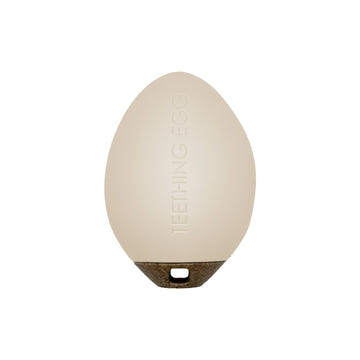
The Teething Egg Amber Core Teething Egg with Baltic...
$23.95
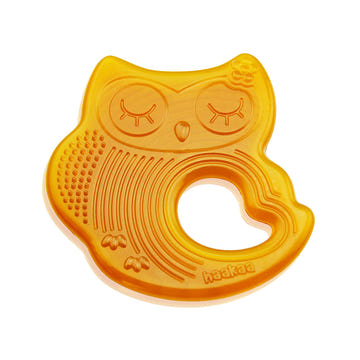
Haakaa Sleeping Owl Natural Rubber Teether 8cm 1 pk
$10.99
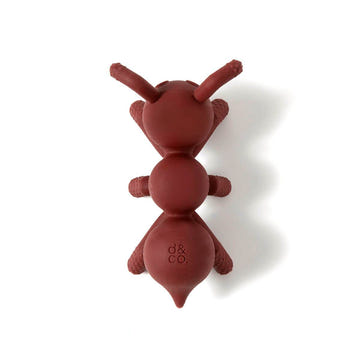
Doddle & Co Ant-icipation Chew 100% Silicone Teether...
$9.99
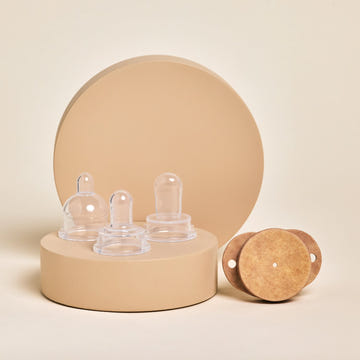
Pacifier Starter Kit
$50.00
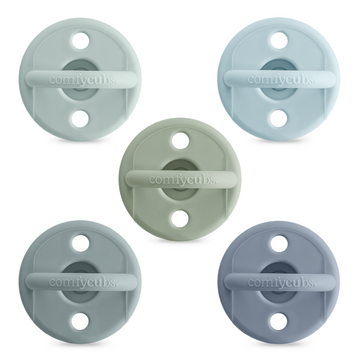
Comfy Cubs Pacifiers Multicolor Boy 5 Pack Silicone
$14.99
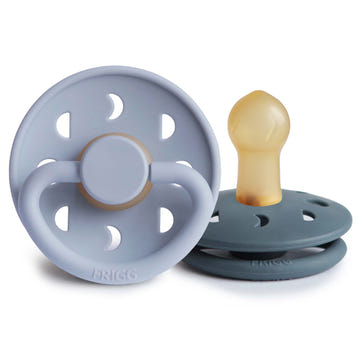
Mushie FRIGG Moon Natural Rubber Pacifier 2-Pack Sof...
$14.99
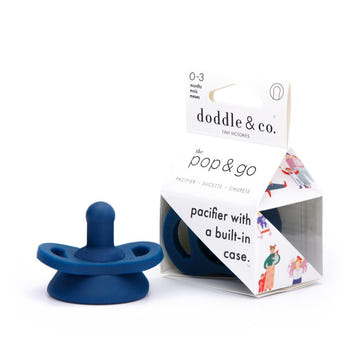
Doddle & Co Pop & Go Pacifiers Navy 100% Silicone
$9.99