


Weaning your baby is a significant milestone in their development, marking the transition from exclusive breastfeeding to the introduction of solid foods. It can be both an exciting and challenging time for parents and babies alike. This blog post will guide you through the process of weaning, providing tips on when and how to start, ensuring a smooth and healthy transition for your baby.
When to Start Weaning
Signs of Readiness: Each baby is unique, but there are common signs that indicate your baby may be ready to start weaning. Look for your baby being able to sit up with little or no support, showing interest in food when others are eating, and being able to hold and put objects in their mouth.
Age Consideration: The World Health Organization (WHO) and the American Academy of Pediatrics (AAP) recommend exclusive breastfeeding for the first six months of life. After six months, you can start introducing solid foods while continuing to breastfeed.
Health Check: Consult your pediatrician before starting the weaning process to ensure your baby is developmentally ready and to get personalized advice based on your baby's health and nutritional needs.
How to Start Weaning
1. Introduce Single Foods Gradually
Description: Start with single-ingredient foods and introduce them one at a time to monitor for any allergic reactions or intolerances.
Tips for Success: Begin with iron-rich foods like fortified cereals, pureed meats, or legumes. Gradually add fruits and vegetables, starting with pureed textures and moving to mashed and then small, soft pieces.
2. Maintain Breastfeeding
Description: Continue breastfeeding while introducing solids to ensure your baby still gets the nutrition and antibodies from breast milk.
Tips for Success: Offer solid foods after breastfeeding sessions. This ensures your baby still gets the necessary nutrients from breast milk and gradually becomes accustomed to the new tastes and textures of solid foods.
3. Create a Routine
Description: Establish a feeding routine that includes both breastfeeding and solid food meals.
Tips for Success: Start with one solid food meal a day and gradually increase to two or three meals as your baby gets used to eating solids. Try to feed your baby at the same times each day to establish a consistent routine.
4. Be Patient and Observant
Description: Weaning is a gradual process that requires patience and attentiveness to your baby's cues and preferences.
Tips for Success: Allow your baby to explore and play with food, even if it gets messy. Pay attention to your baby's hunger and fullness cues, and avoid forcing them to eat if they are not interested.
Overcoming Challenges During Weaning
1. Dealing with Refusal
Description: It's common for babies to refuse new foods initially. Be patient and keep offering a variety of foods.
Tips for Success: Offer new foods multiple times, as it may take several tries for your baby to accept them. Try different textures and preparation methods to find what your baby prefers.
2. Managing Allergies
Description: Monitor your baby for any signs of food allergies, such as rash, vomiting, or diarrhea.
Tips for Success: Introduce new foods one at a time and wait a few days before adding another. If you suspect an allergy, consult your pediatrician immediately.
3. Balancing Breastfeeding and Solids
Description: Ensure your baby continues to get adequate nutrition from both breast milk and solid foods.
Tips for Success: Gradually increase the proportion of solid foods while continuing to breastfeed. This balance will naturally shift as your baby gets older and relies more on solid foods for nutrition.
Moogco Silver Nursing Cups: Supporting Your Weaning Journey
As you transition through the weaning process, maintaining breast health is crucial. Moogco silver nursing cups are designed to provide natural antibacterial protection and promote healing. These cups can help alleviate discomfort and prevent infections, making breastfeeding a more comfortable experience even as you introduce solid foods.
Benefits of Moogco Silver Nursing Cups:
Natural Antibacterial Properties: Silver’s natural antibacterial properties help prevent infections and promote healing, ensuring your nipples stay healthy during breastfeeding.
Smooth Surface: The smooth surface of Moogco silver nursing cups reduces friction and irritation, providing a soothing barrier between your nipples and clothing.
Healing and Comfort: Moogco silver nursing cups are designed to promote healing and provide comfort, making breastfeeding a more enjoyable experience for both you and your baby.
Conclusion
Weaning your baby is an important developmental milestone that requires careful planning and patience. By recognizing the signs of readiness, introducing single foods gradually, maintaining breastfeeding, and creating a routine, you can ensure a smooth transition to solid foods. Overcoming challenges such as food refusal and allergies with patience and observance will make the process easier. Remember to maintain breast health with the support of Moogco silver nursing cups, ensuring a comfortable and enjoyable breastfeeding experience as you guide your baby through this exciting new phase.

Featured pick from Moogco
MOOGCO Silver Nursing Cups 999k Silver - BPA-Free for Babies & Toddlers
$46.90 $52.90
Shop this pick → Bring this guide home with 15% off.
Use code HAPPYSPRING for 15% off →Frequently Asked Questions
What if my baby shows signs of readiness before six months?
Even if your baby shows early interest in food, it's best to wait until around six months before introducing solids. Their digestive system needs time to mature, and breast milk or formula provides all the nutrition they need in those early months. Always consult your pediatrician if you have concerns about your baby's unique timeline.

How much solid food should I offer when first starting weaning?
Start with just one to two teaspoons of single-ingredient food once a day. This allows your baby to get used to new textures and tastes without overwhelming their digestive system. As they become more comfortable over the following weeks, you can gradually increase portion sizes and frequency based on their hunger cues.
Curated by moms, vetted by lactation pros
Picks From This Story
Picks related to this guide, ready to ship from Moogco.
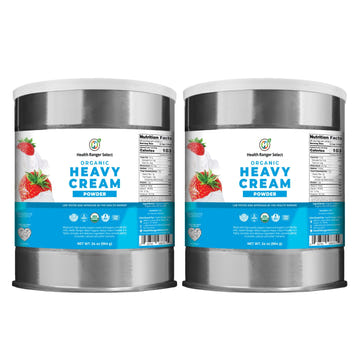
Health Ranger Store Organic Heavy Cream Powder 34oz ...
$159.95
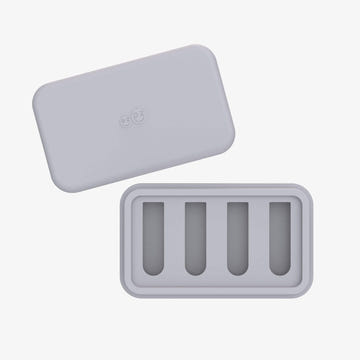
Ice Tray for the Baby-Led™ Gumline Feeder
$9.99
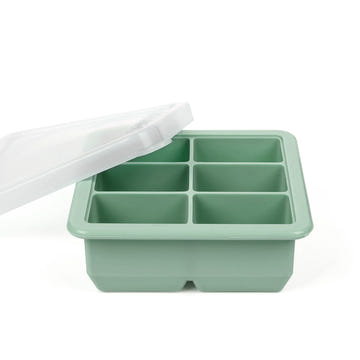
Haakaa Baby Freezer Tray Silicone 4 6 9 Compartment ...
$17.43
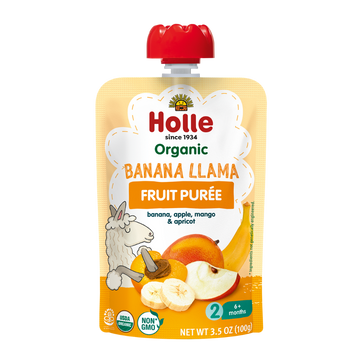
Holle Organic Banana Llama Fruit Purée Pouch Banana ...
$39.99
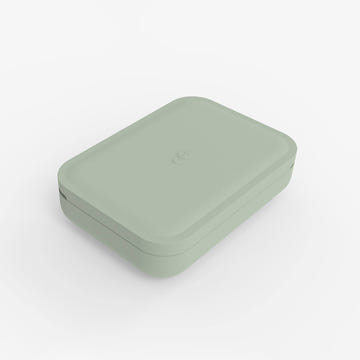
ezpz Baby-Led Weaning Travel Box all-in-one feeding ...
$19.99
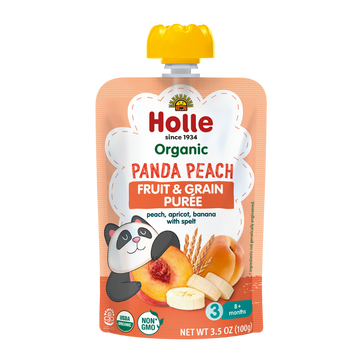
Holle Organic Panda Peach Fruit & Grain Purée Pouch ...
$39.99
Everything for the breastfeeding journey
Take 15% off at checkout, applied automatically when you shop through this link.
Shop with HAPPYSPRING →Free US shipping over $100. Code applies automatically at checkout.
Can I continue breastfeeding after my baby turns one year old?
Absolutely! There's no upper age limit for breastfeeding, and continuing beyond one year offers continued nutritional and emotional benefits. Many mothers and babies continue their breastfeeding relationship well into toddlerhood. The decision of when to fully wean is personal and should be based on what works best for you and your child.
What are the best first foods to introduce during weaning?
Iron-rich foods are ideal first choices, including iron-fortified infant cereals, pureed meats, lentils, and beans. You can also offer single-ingredient pureed vegetables like sweet potato or squash, and fruits like banana or avocado. The key is introducing one new food at a time and waiting a few days before adding another to watch for any reactions.
Is baby-led weaning safer than traditional puree feeding?
Both methods can be safe when done correctly, and many families use a combination approach. Baby-led weaning allows babies to self-feed soft, appropriately-sized pieces of food, while traditional weaning uses purees and spoon-feeding. Whichever method you choose, always supervise your baby during meals and ensure foods are prepared safely to minimize choking risks.
More Related Picks
A few more favorites from the same collection.
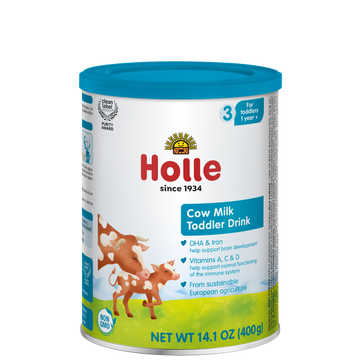
Holle Cow Milk Toddler Drink Stage 3 14 oz Grass Fed
$29.99
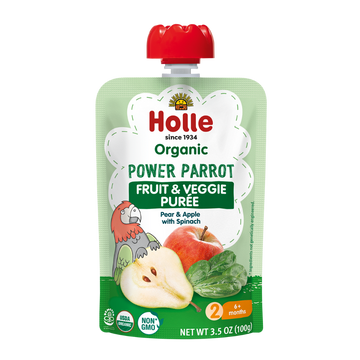
Holle Organic Power Parrot Fruit and Veggie Purée 3....
$39.99
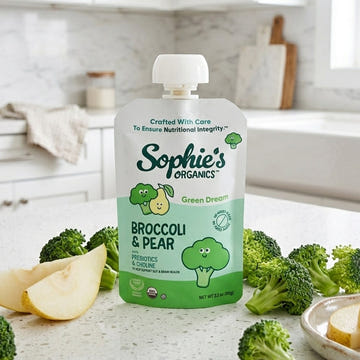
Green Dream Organic Pouches (6 pack)
$24.99
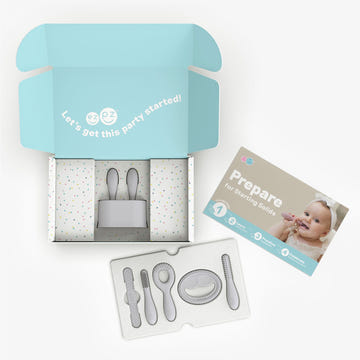
ezpz Kit 1 Prepare for Starting Solids pre-feeding t...
$50.00
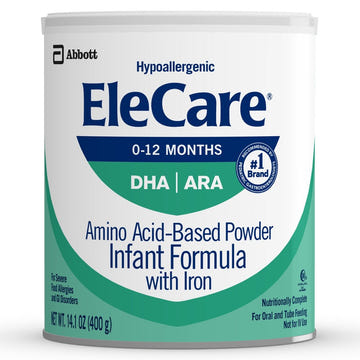
LL Medico EleCare Amino Acid Baby Formula 14.1 oz Can
$61.99
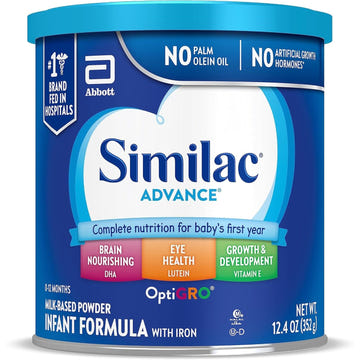
LL Medico Similac Advance Infant Formula Powder 12.4 oz
$30.99
How do I know if my baby is getting enough nutrition during weaning?
During the early stages of weaning, breast milk or formula remains the primary source of nutrition, so continue offering it regularly. Watch for steady weight gain, adequate wet diapers, and your baby's general contentment and energy levels. Your pediatrician will monitor growth at regular checkups and can provide reassurance about your baby's nutritional status.
What should I do if my baby gags on solid foods?
Gagging is a normal reflex that helps prevent choking as babies learn to eat solids. It's different from choking and usually resolves on its own as your baby learns to manage food in their mouth. Stay calm, supervise closely, and ensure foods are soft and cut into appropriate sizes. If gagging is frequent or concerning, consult your pediatrician for personalized guidance.
Will introducing solids affect my breast milk supply?
As you introduce solids and your baby naturally nurses less frequently, your milk supply will gradually adjust to meet their changing needs. This is a normal part of the weaning process. If you want to maintain your supply while introducing solids, continue to nurse regularly and consider pumping if you're replacing nursing sessions with solid meals.
From Moogco Studio
Printable and personalized nursery essentials. Designed by moms for moms.


About the Editor
Eda Ulger is the editor at Moogco Baby and a mom of two. She curates and edits our guides so every piece is honest, practical, and genuinely helpful for the early days of motherhood.
Shop This Story
Picks related to this guide, ready to ship from Moogco.
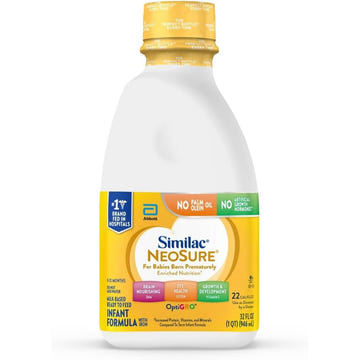
LL Medico Similac NeoSure Premature Ready-to-Feed 32...
$14.99
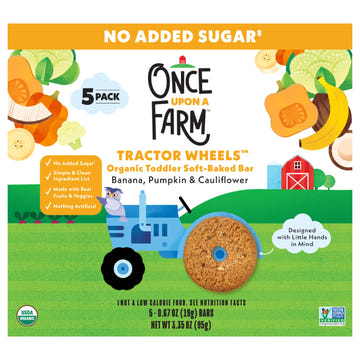
Cozy Farm Once Upon A Farm Banana Pumpkin Cauliflowe...
$61.76
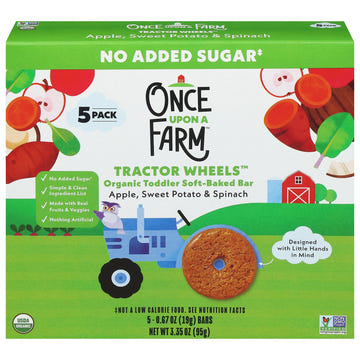
Cozy Farm Once Upon A Farm Apple Sweet Potato Spinac...
$61.76
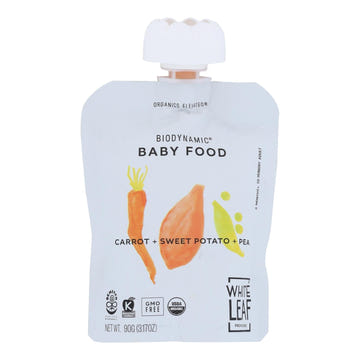
Cozy Farm Sweet Potato Puree Baby Food Pack of 6 3.1...
$25.67
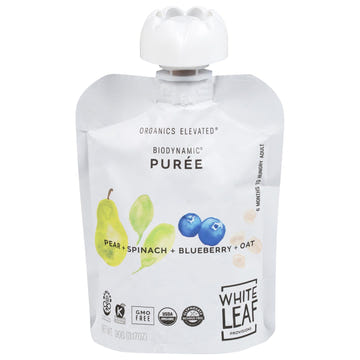
Cozy Farm White Leaf Provisions Organic Spinach Blue...
$25.67

Cozy Farm Peter Rabbit Organics Pumpkin Carrot Apple...
$33.44
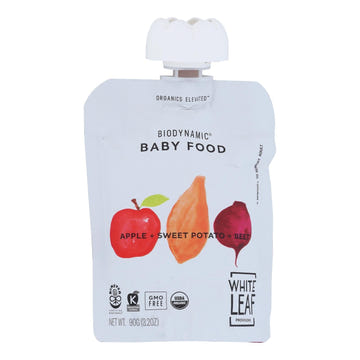
Cozy Farm White Leaf Apple Sweet Potato Baby Food 6-...
$25.67
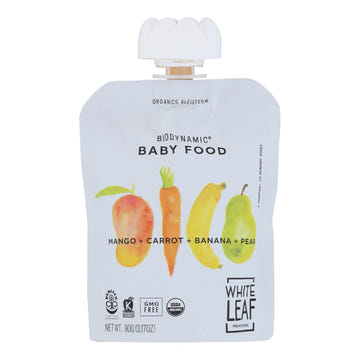
Cozy Farm White Leaf Provisions Organic Mango Baby F...
$23.91

Cozy Farm Baby Mum Banana Rice Biscuits Pack of 6 1....
$28.82

Cozy Farm White Leaf Provisions Pear Banana Kiwi Bab...
$23.91