


So, what's all the buzz about baby-led weaning? At its heart, it's a wonderfully simple idea: you skip the purees and spoon-feeding and let your baby feed themselves soft, graspable finger foods right from the get-go.
It’s about letting your little one explore different tastes and textures at their own pace. This hands-on approach helps build independence and a positive relationship with food from their very first bites.
What Is Baby Led Weaning Anyway?
Let’s think of it this way. Imagine you’re introducing your baby to music. With traditional weaning, you’re the DJ, carefully curating a playlist of smooth, simple tunes (the purees). With baby-led weaning, you hand your baby a few safe, age-appropriate instruments and let them discover the joy of making sounds for themselves.

Instead of you deciding what and how much your baby eats from a spoon, BLW puts your baby in the driver's seat. You offer a variety of safe, nutritious food options, and they get to decide what to pick up, what to taste, and when they’ve had enough. It’s all built on trusting your baby’s natural ability to know when they're hungry and when they're full.
Curated by moms, vetted by lactation pros
Everything for the breastfeeding journey
Take 15% off at checkout, applied automatically when you shop through this link.
Shop with HAPPYSPRING →Free US shipping over $100. Code applies automatically at checkout.

The Core Philosophy Behind BLW
When you get down to it, baby-led weaning is more than just a feeding method—it’s a philosophy built on trust and developmental readiness. It treats mealtimes as a time for learning and exploration, not just a time to get calories in.
The whole journey of introducing solid foods and what to expect is a huge milestone, and BLW is just one path you can take. It champions a few key ideas:
- Shared Mealtimes: Your baby sits with the family at the table, eating modified versions of what everyone else is having. This helps them feel included and builds positive, social connections with food.
- Skill Development: By grabbing, squishing, and bringing food to their mouth, babies get a ton of practice with fine motor skills (like the pincer grasp) and hand-eye coordination.
- Respecting Cues: Babies are fantastic at knowing their own bodies. BLW encourages them to listen to their hunger and fullness cues, which can lay the foundation for healthy eating habits for life.
If you’re curious to learn more, this article offers a great perspective on Baby Led Weaning: Should You Skip The Mush And Why You'd Want To.
To see the differences side-by-side, this simple table breaks it all down.
Baby Led Weaning Vs Traditional Spoon-Feeding at a Glance
Here’s a quick comparison to see how the two approaches stack up.
| Feature | Baby Led Weaning (BLW) | Traditional Spoon-Feeding |
|---|---|---|
| Food Format | Soft, graspable finger foods (spears, sticks) | Purees, mashes, and cereals |
| Who Feeds | Baby self-feeds | Parent feeds the baby with a spoon |
| Pacing | Baby controls the pace and amount eaten | Parent controls the pace and amount |
| Meal Type | Modified family meals | Specially prepared baby food |
| Focus | Exploration of textures, tastes, and self-regulation | Ensuring a specific volume of food is consumed |
As you can see, the biggest shift is from parent-led to baby-led. Both methods can be wonderful ways to introduce solids; it's all about finding what feels right for you and your family.
The Philosophy Behind Baby-Led Weaning
So, what exactly is baby-led weaning? It’s so much more than just skipping purées and handing your baby a piece of broccoli. At its heart, BLW is a philosophy built on trust. It's about respecting your baby's incredible inborn ability to know their own body and helping them build a happy, relaxed relationship with food right from the start.
This approach flips the script on mealtimes. Instead of a task where the goal is to get a certain amount of food in, it becomes a time for pure sensory exploration. Your baby gets to be the one in charge—an active little foodie, not just a passive passenger. By trusting them to take the lead, you’re setting them up for a lifetime of listening to their own body and eating intuitively.
Trusting Your Baby's Inner Wisdom
The biggest mental shift for parents is learning to trust that your baby knows when they’re hungry and when they’re full. Think about it: from the moment they were born, they’ve been experts at regulating how much milk they drink. BLW is all about extending that same trust to solid foods.
When your baby is the one controlling what goes into their mouth, how much, and how fast, they learn to pay attention to their body’s “I’m full” signals. This completely removes the well-meaning pressure that can sneak in with spoon-feeding—that classic parental urge to coax them into "just one more bite."
This early practice in self-regulation is incredibly powerful. It teaches infants that their internal cues are worth listening to, which can help sidestep picky eating down the road and even promote a healthier body mass index later on.
This process also beautifully supports breastfeeding. Because the baby is in the driver's seat for their total food intake (both milk and solids), nursing can continue as the primary source of nutrition and comfort, creating a wonderful foundation for this new adventure.
A Journey of Skill and Discovery
BLW mealtimes are a fantastic playground for development. Every single piece of food your baby grabs is a mini-lesson in building fine motor skills and hand-eye coordination. You'll see them start with a whole-hand palmar grasp and, over time, develop the more delicate pincer grasp as they get better at picking up smaller morsels.
This is a full-body, all-senses experience. They get to squish a soft piece of avocado, see the vibrant orange of a steamed carrot stick, and smell the warm aroma of a slice of toast. This isn't just about fun; this multi-sensory learning is a huge boost for their cognitive development and helps them form positive feelings about all kinds of different foods. The skills they pick up here are the very beginning of building healthy habits, a topic you can dive into with our guide to toddler nutrition.
Building a Foundation for Confident Eating
Interestingly, a parent's own confidence and approach make a big difference. One study found that mothers often embraced BLW practices more instinctively than fathers. The same research also highlighted a strong connection between breastfeeding and choosing a self-feeding method, which makes perfect sense—the trust you build while nursing flows naturally into the BLW philosophy. You can read more about these findings on parental adoption of BLW.
This brings up an important point about breastfeeding comfort. For so many moms, continuing to nurse while introducing solids is a top priority. The last thing you need are painful, cracked nipples derailing that journey. This is where Moogco Silver Nursing Cups can be a real game-changer. These silver nursing cups offer natural, soothing relief, helping moms breastfeed comfortably and confidently. When nursing is a positive experience, it's that much easier to embrace the relaxed, low-pressure spirit of baby-led weaning.
Picks From This Story
Picks related to this guide, ready to ship from Moogco.
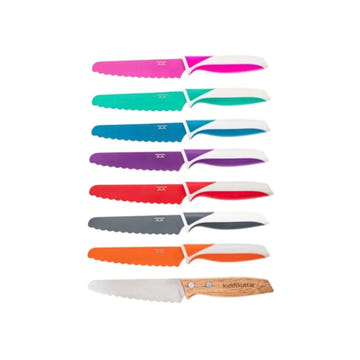
KiddiKutter Training Knife for Children 3+ (More col...
$18.99
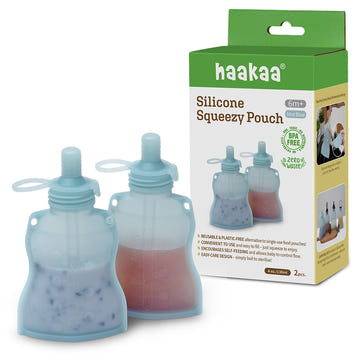
Haakaa Silicone Yummy Pouch 4.5 oz
$13.56
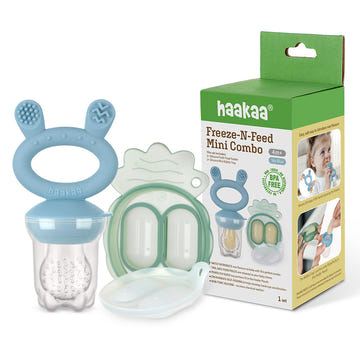
Haakaa Freeze-N-Feed Mini Combo Fresh Food Feeder Set
$19.90
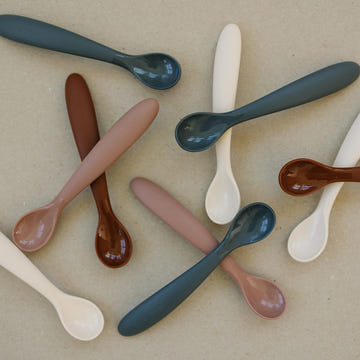
Mebie Baby Silicone Spoon Sets BPA Free Soft Dishwas...
$5.00
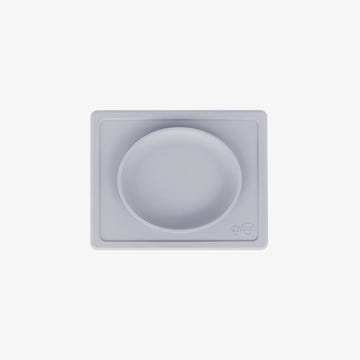
ezpz Tiny Plate open plate for self-feeding and uten...
$18.99
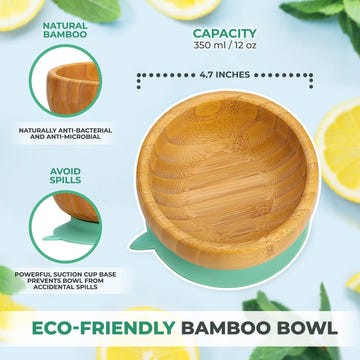
The Teething Egg Bamboo Bowl with Suction Base Natur...
$17.95
Knowing When Your Baby Is Ready for Solids
When it comes to starting solids, timing is everything—but maybe not in the way you think. Forget circling a date on the calendar. While most pediatric pros point to the six-month mark as a good starting point, the real go-ahead comes directly from your baby. Every little one is on their own unique schedule, so learning to read their cues is your most important job.
Think of it like this: you wouldn't hand a kid a two-wheeler just because they hit a certain birthday. You'd wait for them to have the balance and strength to ride safely. It's the exact same principle with baby-led weaning. Your baby needs to have a specific set of physical skills in their toolkit before they can safely and happily tackle solid foods.
The Readiness Checklist
Before you start prepping those first finger foods, take a moment to see if your baby is consistently showing these key signs. You'll want to see most, if not all, of them before diving in.
- Sits Upright with Minimal Support: This one is non-negotiable for safety. A baby who can sit up confidently in their high chair has the core strength needed for safe swallowing. If they’re slumping or slouching, their airway isn't in the best position for eating, which can be a choking hazard.
- Excellent Head and Neck Control: Watch for a steady head. Can they hold it up and turn it side to side without it bobbling? This control is what allows them to lean in for a bite or, just as importantly, turn away when they're done. It puts them in the driver's seat.
- The Tongue-Thrust Reflex Is Gone: You know that adorable (but frustrating) reflex where a baby's tongue automatically pushes everything out of their mouth? That needs to disappear before they can manage food. If you offer a spoon and their tongue immediately shoves it back out, they just need a little more time.
- Shows Genuine Interest in Food: Is your little one staring intently at every bite you take? Maybe they're reaching for your fork or making little chewing motions as they watch you eat. This curiosity is a huge sign that they're mentally ready and excited to join the family at the table.
True readiness isn’t about hitting a specific age. It's the combination of all these developmental milestones coming together, giving your baby the tools they need to explore food with confidence.
Supporting Your Journey and Theirs
Starting solids is a huge milestone, and having the right support makes all the difference. As your baby begins their food adventure, breastmilk or formula will still be their main source of nutrition, so keeping your breastfeeding journey going strong is important. If you're dealing with the discomfort of nipple soreness, Moogco Silver Nursing Cups can be a real game-changer. These silver nursing cups offer soothing, natural relief without any creams or chemicals, helping you heal and continue nursing comfortably.
Deciding when to start is a big step, and our guide on weaning your baby and how to start offers even more great advice. At the end of the day, trust your gut and follow your baby's lead. When they show you they're ready, you'll be all set to begin this messy, wonderful, and totally rewarding new chapter.
Your Guide to First Foods and Feeding Safely
So, you’ve spotted all the signs that your little one is ready for solid foods. Now for the really fun part—their first meals! Think of this as your practical playbook for getting started with baby-led weaning. We're going to zero in on two big things: how to prepare foods safely and how to tell the difference between a normal gag and a true choking emergency.
My goal here is to make this whole process feel less intimidating and way more exciting. It’s not really about complicated recipes, but more about simple, smart prep techniques that let your baby explore food with confidence.
This little diagram is a great visual checklist for those key developmental signs you're looking for.
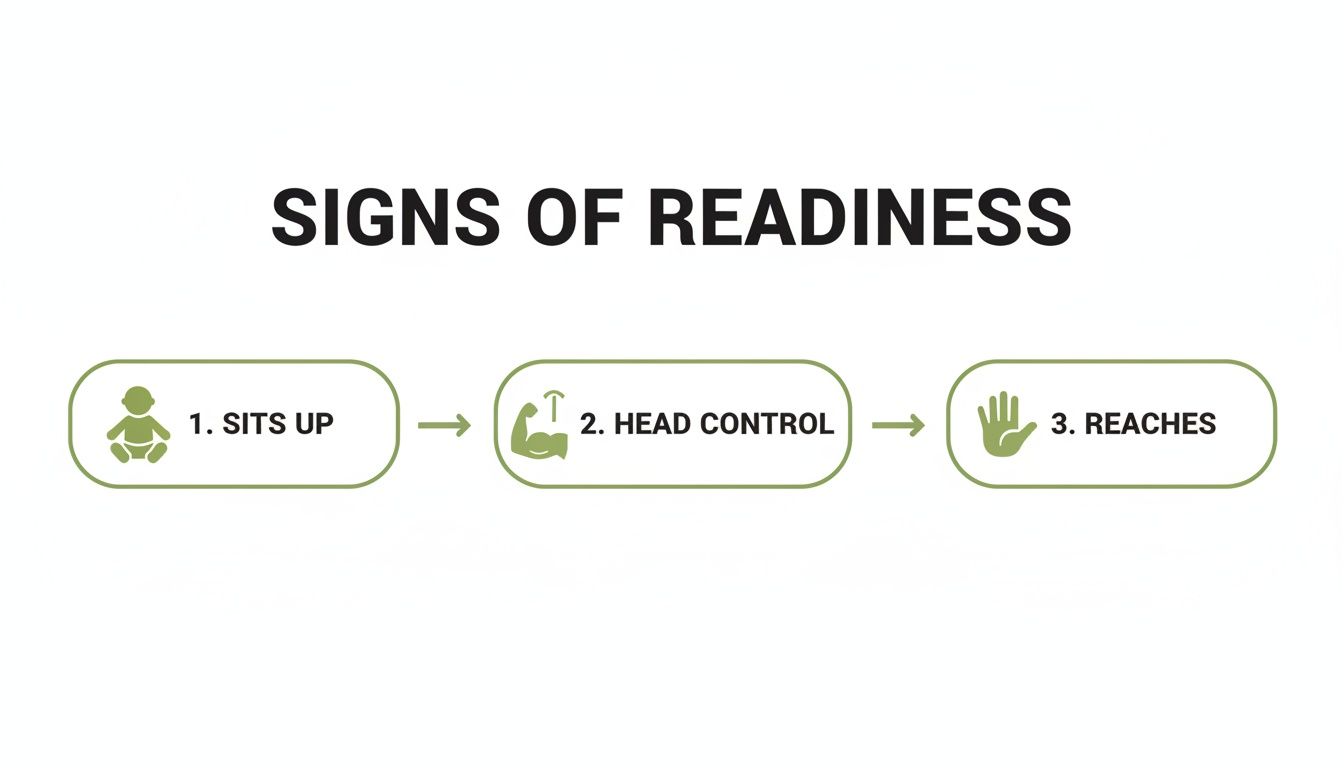
As you can see, it's all about a combination of physical skills—like good head control and sitting up on their own—and a genuine curiosity about what you're eating.
How to Prepare First Foods Safely
The golden rule for preparing BLW foods is beautifully simple: if you can easily squish it between your thumb and forefinger, it's soft enough for your baby. This "squish test" is your best friend, ensuring food is manageable for your baby's gums.
Shape is the other piece of the puzzle. In the early days, babies use their whole fist to grab things (this is called a palmar grasp). So, you’ll want to cut food into long, easy-to-hold shapes, about the size of your pinky finger. This gives them a "handle" to hold while they gnaw on the other end.
- Steam or Roast: Cook harder foods like carrots, sweet potatoes, and apples until they're very tender.
- Serve Soft Foods As-Is: Things like ripe avocado, banana, and mango are perfect served raw. Just slice them into spears or sticks.
- Mind the Shape: Always avoid small, round, or coin-shaped foods like whole grapes or cherry tomatoes. These are major choking hazards. Quarter them lengthwise, every single time.
A fantastic first meal could be as simple as a spear of ripe avocado, a steamed broccoli floret (the stalk makes a great handle!), and a roasted sweet potato wedge. You’re giving them different tastes, textures, and colors to explore—a full-on sensory experience!
For more ideas on what you'll need to get started on this adventure, take a peek at our guide on the essential must-haves for your baby's first foods.
Gagging vs. Choking: Understanding the Difference
Let’s talk about the elephant in the room. For so many parents, the biggest fear around baby-led weaning is choking. It is absolutely crucial to understand the difference between gagging (which is normal and actually a good thing) and choking (a silent emergency).
Gagging is loud and dramatic. Your baby might cough, sputter, and their eyes might water as their body pushes a piece of food forward. This is their gag reflex doing exactly what it's supposed to do: protecting their airway. It's a built-in safety mechanism.
Choking, on the other hand, is silent. A baby who is choking can't make noise, cry, or cough because their airway is blocked. This is a true medical emergency that requires you to act immediately.
Thankfully, research gives us a lot of reassurance. One large study found that while gagging was common (happening 64.8% of the time), actual choking was rare (12.3%), and medical help was needed in only 0.2% of cases. This really shows that when you follow the rules of safe food prep and supervision, BLW is a safe way to introduce solids.
A Success Story: Breastfeeding Through the Transition
For many moms, continuing to breastfeed while starting solids is a huge priority. One mom, Jessica, was so excited about both but ran into a common roadblock: nipple pain. She was worried it would force her to stop nursing just as her daughter was getting started with food.
That’s when Jessica discovered Moogco Silver Nursing Cups. They became her secret weapon. The natural, healing properties of these silver nursing cups gave her instant relief from soreness without needing any creams or balms. That comfort was a game-changer. It gave her the confidence to keep breastfeeding on demand, knowing her milk was still her daughter's main source of nutrition. Because she wasn't stressed about nursing, she could fully relax and enjoy the messy, wonderful journey of BLW.
As you start exploring all these new foods, it’s also a good time to think about any potential dietary needs. You can find some great safe gluten-free and nut-free snack options to have on hand. Jessica’s story is a perfect example of how taking care of your own comfort with tools like Moogco Silver Nursing Cups can empower you to meet all of your feeding goals, for both you and your baby.
How One Mom Used Moogco to Support Her BLW Journey
Taking the first steps into baby-led weaning is such an exciting time, but let's be honest—it can also be a little nerve-wracking. For so many parents, it's not just about starting solids. It’s about figuring out how this messy new adventure fits in with well-established routines, especially breastfeeding.
Let’s talk about Sarah, a new mom who was determined to embrace both.
Sarah was completely on board with the BLW philosophy. She adored the idea of her son, Leo, exploring new foods at his own pace and being part of family meals right from the start. But at the same time, her commitment to breastfeeding was non-negotiable. She knew breast milk would be Leo’s main source of nutrition for his first year, and that nursing bond was something she treasured.
As Leo approached the six-month mark, Sarah ran into a super common, yet incredibly frustrating, hurdle: sore nipples. The pain started to create a cloud of worry. How could she possibly keep nursing on demand when every latch was uncomfortable? The idea that her breastfeeding journey might be cut short just as they were starting solids was just heartbreaking.
Finding Comfort and Confidence
Sarah was determined to find a fix. She dove into research, looking for natural ways to soothe the pain, and that's when she stumbled upon Moogco Silver Nursing Cups. The thought of a simple, cream-free solution that used the natural properties of silver really appealed to her. She was a little skeptical, but hopeful enough to give them a shot.
The relief came almost instantly. The silver nursing cups were so easy to use—she just slipped them into her nursing bra between feeds. They acted as a soothing, protective shield that let her body heal on its own. For Sarah, this wasn't just physical comfort; it was a huge weight off her shoulders.
"The silver cups were a complete game-changer. They gave me the confidence to keep going. I could finally relax and know that my breastfeeding journey wasn't going to be derailed by pain." - Sarah, Moogco User
Nurturing Both BLW and Breastfeeding
Once her nursing discomfort was gone, Sarah felt free to dive headfirst into the wonderful, messy world of baby-led weaning. She wasn't wincing or worrying about painful latches anymore, which allowed her to bring the calm, positive energy to mealtimes that helps BLW truly shine.
She had peace of mind knowing Leo was getting all the nutrition he needed from her breast milk. That took all the pressure off. Some days, he’d go to town on a steamed carrot stick; other days, he’d just happily squish an avocado spear in his fist. It didn't matter. The old saying "food before one is just for fun" became their reality, all because their breastfeeding relationship was strong and, most importantly, comfortable.
If you want to dive deeper into how silver nursing cups can make a real difference, you can read more about enhancing the breastfeeding experience for moms.
Sarah’s story is a perfect reminder that supporting the mother is the key to a happy feeding journey. By finding a simple tool that protected her ability to breastfeed without pain, she was empowered to let her son lead the way into solids, building a healthy and joyful foundation for them both.
More Related Picks
A few more favorites from the same collection.
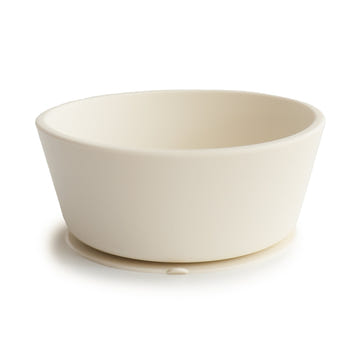
Mushie Silicone Suction Bowl for Babies Learning to ...
$14.99
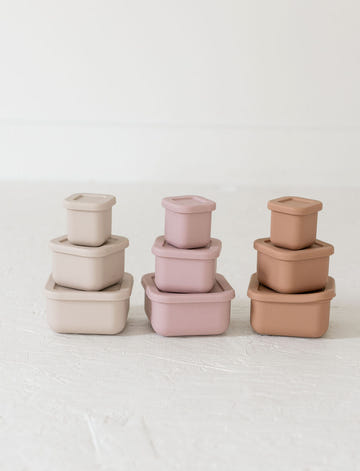
ShopMyLittleSongbird Silicone Bento Box Set of 3 wit...
$15.99
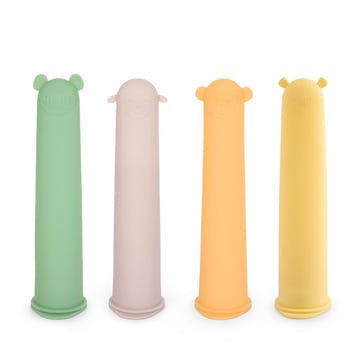
Haakaa Silicone Ice Pop Mold 1 pk 3.5 oz
$9.45
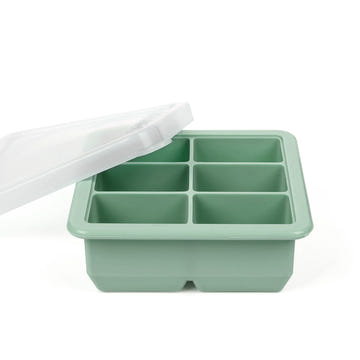
Haakaa Baby Freezer Tray Silicone 4 6 9 Compartment ...
$17.43
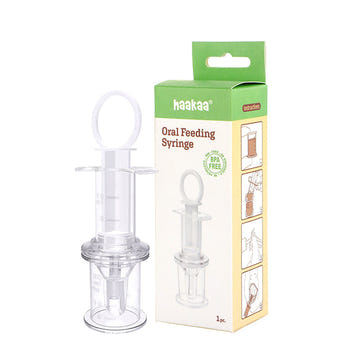
Haakaa Oral Feeding Syringe 10ml 1 pk soft silicone ...
$8.99

Mushie Silicone Feeding Spoons Soft Flexible Tip Lig...
$12.99
Navigating Common Challenges and Nutrition
Let's be honest—as amazing as baby-led weaning is, it's not always a picture-perfect journey. It can get messy (really messy!), raise a few eyebrows, and you might get some unsolicited advice from well-meaning relatives. This is all completely normal! Let’s walk through some of the most common hurdles and talk about the big one: nutrition.
The biggest mental shift you'll make is embracing the mantra: "food before one is just for fun." This doesn't mean nutrition is off the table, but it gives you permission to relax. For that first year, breast milk or formula is still your baby’s main source of calories and nutrients. Think of solid foods as their new playground—a place for exploration, skill-building, and practice.

Prioritizing Key Nutrients Like Iron
While milk covers most of their needs, there’s one nutrient that deserves a spotlight after six months: iron. A baby's natural iron stores, built up in the womb, start to dip around this time. That’s why getting iron-rich foods on their tray early and often is so important.
The good news? There are tons of fantastic BLW-friendly foods packed with iron. The trick is to serve them in soft, manageable shapes.
- Soft Meat Strips: Think small, tender strips of beef or dark-meat chicken. You want it cooked until it’s super soft and easy for them to gum and gnaw on.
- Smashed Beans and Lentils: These are little iron powerhouses. You can lightly mash them and spread them on a toast finger, or even load up a spoon for them to grab and bring to their own mouth.
- Scrambled Eggs: A perfect first food! Scrambled eggs are soft, easy for little hands to pick up, and a great source of both iron and protein.
- Fortified Cereals: You can mix iron-fortified baby oatmeal with a little breast milk or water to create a thick, scoopable texture they can get their hands into.
Remember, the goal isn't a clean plate. It's all about consistent exposure. Try to offer a variety of these foods throughout the week instead of stressing over what they eat (or don't eat) in a single meal.
A Mom’s Story of Finding Comfort and Confidence
Juggling the demands of breastfeeding while starting solids can feel like a lot. One mom, Emily, was all-in on both BLW and nursing but started dealing with intense nipple soreness. She was worried the pain would disrupt breastfeeding, which she knew was the foundation of her baby’s nutrition.
That’s when Emily discovered Moogco Silver Nursing Cups, and they quickly became a non-negotiable part of her feeding routine. The natural, soothing properties of these silver nursing cups gave her fast relief without any creams, allowing her to heal and continue nursing comfortably.
“Knowing I could breastfeed without pain was everything. It took all the pressure off our BLW meals because I wasn’t worried about my son’s nutrition. The silver nursing cups gave me the freedom to truly enjoy the process and let him explore.” - Emily, Moogco Mom
This small change made a huge difference. With breastfeeding secure and pain-free, Emily could fully embrace the messy, joyful adventure of BLW. Her story is a perfect reminder of how important a mom's comfort is. When you have the right tools, like the ones you can find at Moogco Baby, you can navigate your baby’s entire feeding journey with confidence.
Got Questions About Baby-Led Weaning? We’ve Got Answers.
It’s totally normal to have a million questions spinning through your head as you get ready to start this new food adventure. Think of this as your quick-reference guide for those moments when you just need a straightforward answer.
We’ve rounded up some of the most common things parents ask, so you can feel a little more confident as you and your little one explore the amazing world of food.
What's The Difference Between Gagging and Choking?
This is, without a doubt, the number one worry for parents. It’s crucial to know the difference.
Gagging is actually a good thing! It’s a loud, dramatic, and very effective safety reflex. You’ll see your baby’s tongue thrust forward, and they might cough, sputter, or make some pretty intense retching sounds. It looks scary, but it’s their body’s natural way of protecting their airway and learning to manage food.
Choking, on the other hand, is silent and terrifying because the airway is actually blocked. A choking baby can’t make a sound—no crying, no coughing, no breathing. This is a true emergency. Knowing this difference is key to staying calm and safe during meals.
Can I Do A Mix of Baby-Led Weaning and Purees?
Of course! There’s no single "right" way to feed your baby. Many families find a happy middle ground that works for them. You can offer a pre-loaded spoon with some mashed avocado for your baby to grab, or maybe you serve some finger foods alongside a more traditional puree.
The heart of BLW is all about letting your baby take the lead. As long as they are the one in control of putting the food in their mouth, you're still following the spirit of the method.
How Do I Make Sure My Baby Gets Enough Iron?
This is a great question. Around six months, a baby's iron stores from birth start to run low, so it’s important to introduce iron-rich foods right from the start. Luckily, many of the best sources of iron are fantastic for BLW.
Some easy, iron-packed ideas include:
- Tender, slow-cooked strips of beef or dark-meat chicken
- Mashed lentils or beans, spread thinly on a strip of toast
- Fluffy scrambled eggs, cut into little strips
- Iron-fortified baby oatmeal, mixed thick enough for your baby to scoop with their hands
How Does Breastfeeding Fit Into This?
Breastfeeding and BLW are a fantastic team. For the first year, breast milk is still your baby's main source of nutrition, which takes all the pressure off. You don't have to worry about exactly how many bites of broccoli they swallow because you know their core nutritional needs are being met.
For moms, the most important thing is staying comfortable so that the nursing relationship can continue to thrive.
A mom named Jessica shared her story with us. She was so excited for BLW but worried that sore nipples might get in the way of her breastfeeding goals. She found Moogco Silver Nursing Cups, and they were a total game-changer. The soothing, natural relief from these silver nursing cups meant she could nurse without pain, which gave her the peace of mind to truly relax and enjoy the BLW process with her baby.
Here at Moogco Baby, we know that a happy, comfortable mom helps create a happy, confident baby. Support tools like our Silver Nursing Cups can make all the difference, helping your entire feeding journey feel positive. See how we can support you at https://www.moogcobaby.com.
Bring this guide home with 15% off.
Use code HAPPYSPRING for 15% off →
Frequently Asked Questions
What if my baby just plays with the food and doesn't actually eat much?
That's totally normal and actually a huge part of the learning process! In the early weeks, your baby is exploring textures, smells, and tastes, and milk is still their main source of nutrition. The goal isn't to replace milk right away but to let them discover food at their own pace. Trust the process and know that actual intake will increase naturally over time.
Do I need any special equipment to start baby-led weaning?
Not really! A sturdy high chair with good back and head support is essential, plus a bib with a catch pocket to make cleanup easier. Some parents love suction bowls and open cups for water, but honestly, all you truly need is safe food and a seat at the family table. Keep it simple and let your baby do the rest.
How messy is baby-led weaning really going to be?
Let's be honest: it's going to be messy, especially at first! Food will end up on the floor, in their hair, and smeared everywhere. But that mess is actually learning in action. A splat mat under the high chair, a good bib, and a sense of humor go a long way. Remember, this phase doesn't last forever, and the skills they're building are worth every wipe-down.
Can I start baby-led weaning if my baby was born prematurely?
Yes, but you'll want to follow your pediatrician's guidance closely. For premature babies, readiness is based on their adjusted age, not their birth date. Wait until your little one shows all the physical readiness signs and has the muscle tone and coordination to sit and self-feed safely. Always check in with your doctor before starting solids.
What are the best first foods to offer for baby-led weaning?
Start with soft, easy-to-grasp foods that are low-choking-risk. Think steamed veggie sticks like sweet potato or carrot, ripe avocado slices, soft-cooked pasta, or strips of well-cooked meat. Foods should be about the size of your finger so baby can hold one end and gum the other. Avoid anything hard, round, sticky, or that could break into chunks.
Will my baby get enough nutrients if they're only eating small amounts?
Absolutely! For the first few months of solids, breast milk or formula is still doing the heavy nutritional lifting. Solid foods are all about exploration and skill-building at this stage. As your baby gets older and more practiced, they'll naturally start eating more and relying less on milk. Focus on offering a variety of nutrient-dense foods and trust your baby's appetite.
Is baby-led weaning safe if my baby has food allergies in the family?
Yes, and in fact, current guidance encourages early introduction of common allergens like peanut, egg, and fish to help reduce allergy risk. You can absolutely introduce these foods using BLW methods, just in safe forms and one at a time. Always talk to your pediatrician about your family history and the best plan for your baby.
How long should mealtimes last when we're just starting out?
Keep early meals short and sweet, around 10 to 20 minutes max. Your baby's attention span is still developing, and they'll let you know when they're done by turning away, fussing, or dropping food. The goal isn't to fill them up but to let them explore and practice. As they get older and more interested, mealtimes will naturally stretch a bit longer.
From Moogco Studio
Printable and personalized nursery essentials. Designed by moms for moms.


About the Editor
Eda Ulger is a co-founder of Moogco Baby, the editor of the Moogco Baby Journal, and a mom of two. She curates and edits our guides so every piece is honest, practical, and genuinely helpful for the early days of motherhood.
Shop This Story
Picks related to this guide, ready to ship from Moogco.
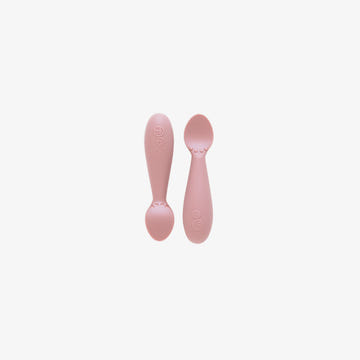
ezpz Baby-Led Tiny Spoons infant self-feeding spoons
$15.99

Set of 3 Utensils
$20.95
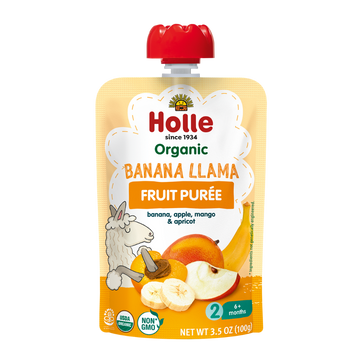
Holle Organic Banana Llama Fruit Purée Pouch Banana ...
$39.99
ezpz Baby-Led Weaning Travel Box all-in-one feeding ...
$19.99
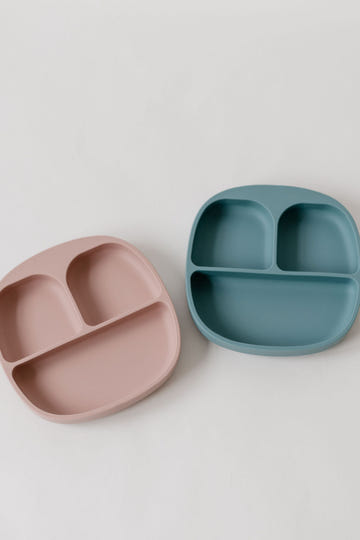
ShopMyLittleSongbird Silicone Plates with Suction 7 ...
$15.99
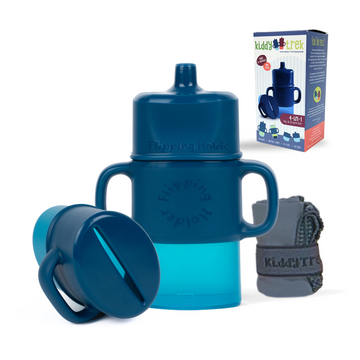
Flipping Holder KiddyTrek 4-in-1 Sip & Snack Set travel
$20.00
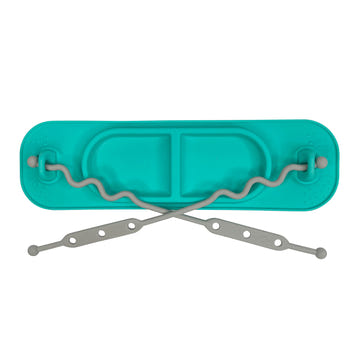
Busy Baby Mini Mat with Toy Straps compact placemat ...
$20.00
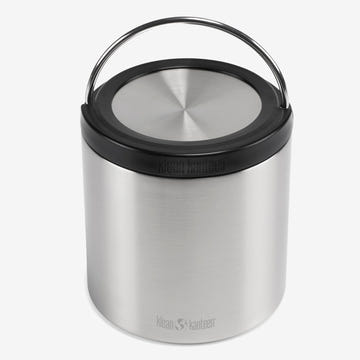
Klean Kanteen 32oz TKCanister Insulated Food Caniste...
$41.95
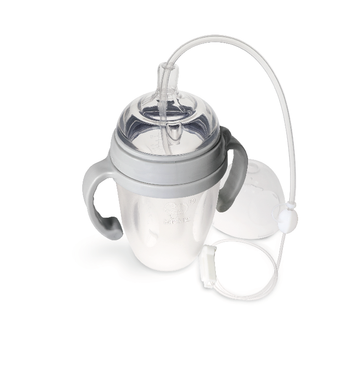
Haakaa Supplemental Feeding Combo 250ml Bottle with ...
$32.99
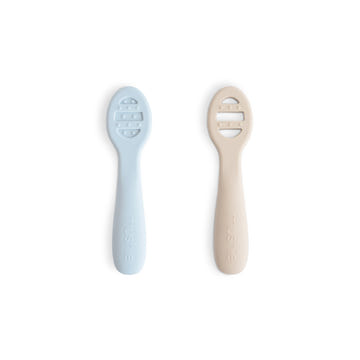
Mushie First Feeding Baby Spoons Stage 1 Solid Stage...
$14.99