


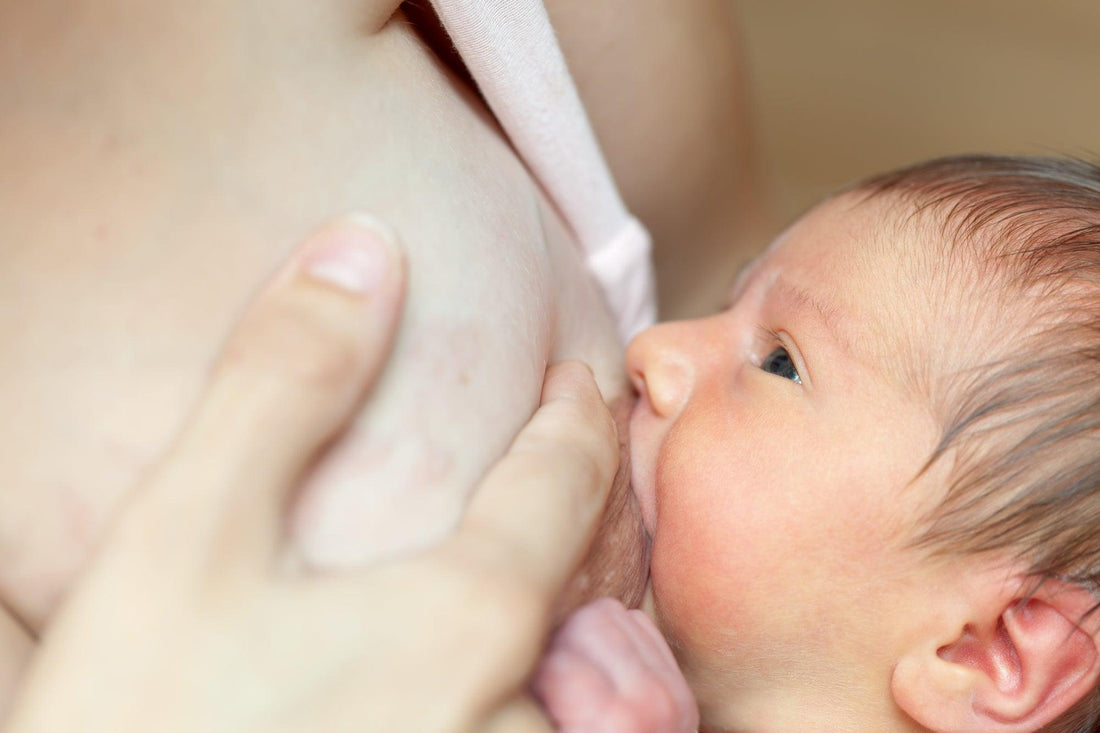
Breastfeeding is a beautiful journey, but it can sometimes come with challenges like breast swelling and engorgement. These conditions can cause discomfort and pain, making the breastfeeding experience less enjoyable. This blog post will explore practical tips for managing and alleviating swelling and engorgement, ensuring a more comfortable breastfeeding experience for both you and your baby.
Understanding Swelling and Engorgement
Breast Swelling: Breast swelling typically occurs in the first few days after childbirth when your milk supply is establishing. The increased blood flow and milk production can cause your breasts to feel tender, warm, and full.
Breast Engorgement: Engorgement happens when your breasts become overly full of milk. This can occur if your baby isn’t feeding frequently enough, if you miss a feeding, or if you suddenly stop breastfeeding. Engorgement can lead to hard, swollen, and painful breasts.
Practical Tips for Managing Swelling and Engorgement
Frequent Nursing: Breastfeed your baby frequently, especially during the early days. Aim to nurse every 2-3 hours, even if it means waking your baby for feedings. Frequent nursing helps establish your milk supply and prevents your breasts from becoming overly full.
Proper Latching: Ensure your baby is latching correctly. A good latch allows your baby to effectively remove milk from your breasts, reducing the risk of engorgement. If you’re unsure about your baby’s latch, seek guidance from a lactation consultant.
Hand Expression or Pumping: If your breasts feel overly full between feedings, consider hand expressing or using a breast pump to relieve some of the pressure. Be cautious not to over-pump, as this can increase milk production and exacerbate engorgement.
Cold Compresses: Apply cold compresses to your breasts between feedings to reduce swelling and provide relief. You can use ice packs, frozen vegetables, or chilled gel packs wrapped in a cloth. Limit cold compresses to 15-20 minutes at a time.
Warm Compresses: Before breastfeeding, apply warm compresses to your breasts to help stimulate milk flow and make it easier for your baby to latch. Warm, damp washcloths or a warm shower can be effective.
Massage: Gently massaging your breasts before and during feedings can help stimulate milk flow and reduce engorgement. Use your fingertips to apply gentle pressure in a circular motion, moving from the outer edges of your breasts toward the nipples.
Proper Support: Wear a well-fitting, supportive bra to help manage swelling and provide comfort. Avoid bras with underwires, as they can put pressure on your breasts and contribute to discomfort.
Stay Hydrated: Drinking plenty of water is essential for maintaining a healthy milk supply and overall well-being. Aim to drink at least 8-10 glasses of water a day.
Pain Relief: If you’re experiencing significant pain, over-the-counter pain relievers like ibuprofen or acetaminophen can provide relief. Always consult with your healthcare provider before taking any medication while breastfeeding.
Rest and Relaxation: Ensuring you get enough rest and relaxation is crucial for your overall well-being and milk production. Take time to rest whenever possible and practice stress-relief techniques like deep breathing, meditation, or gentle stretching.
Moogco Silver Nursing Cups: Enhancing Comfort and Health
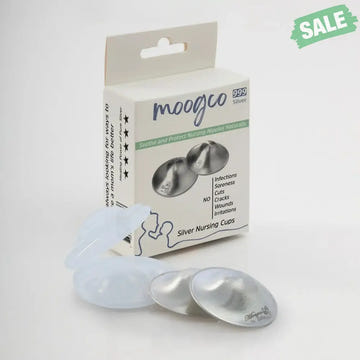
Moogco silver nursing cups are designed to support breastfeeding mothers by providing natural antibacterial protection and promoting healing. These cups can help alleviate discomfort and prevent infections, making breastfeeding a more comfortable and enjoyable experience.
Benefits of Moogco Silver Nursing Cups:
Natural Antibacterial Properties: Silver’s natural antibacterial properties help prevent infections and promote healing, ensuring your nipples stay healthy during breastfeeding.
Smooth Surface: The smooth surface of Moogco silver nursing cups reduces friction and irritation, providing a soothing barrier between your nipples and clothing.
Healing and Comfort: Moogco silver nursing cups are designed to promote healing and provide comfort, making breastfeeding a more enjoyable experience for both you and your baby.
Conclusion
Managing swelling and engorgement is an essential aspect of a successful and comfortable breastfeeding journey. By following these practical tips, you can alleviate discomfort and ensure that both you and your baby have a positive experience. Remember that you’re not alone—many resources are available to help you through this process. Embrace your breastfeeding journey with confidence, knowing that you’re providing the best care for your child while also taking care of your own well-being.
Bring this guide home with 15% off.
Use code HAPPYSPRING for 15% off →
Frequently Asked Questions
How long does breast engorgement typically last?
For most mothers, initial engorgement peaks around days 3 to 5 postpartum and usually resolves within 24 to 48 hours with proper management. If you continue breastfeeding frequently and use the relief techniques mentioned above, your body will adjust milk production to match your baby's needs. Persistent engorgement lasting more than a few days should be discussed with a lactation consultant.

Can I breastfeed when my breasts are engorged?
Yes, and you absolutely should continue breastfeeding when engorged, as this is one of the best ways to relieve the condition. If your baby has trouble latching due to breast firmness, try hand expressing a small amount of milk first to soften the areola. Frequent nursing will help regulate your supply and prevent future engorgement episodes.
Backed by 200,000+ cups sold since 2020
Picks From This Story
Picks related to this guide, ready to ship from Moogco.

The Original Silver Nursing Cups with Silicone Pads
$62.90
MOOGCO Silver Nursing Cups 999k Silver
$49.90
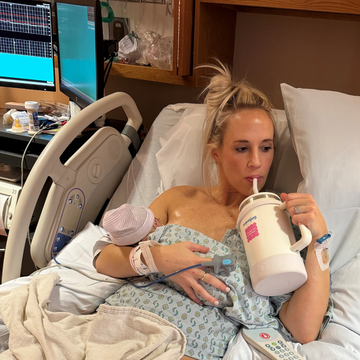
momjug breastfeeding water bottle 50oz double-wall s...
$49.99
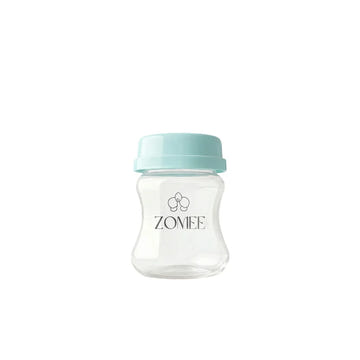
Zomee Breast Pumps Breast Milk Storage Bottles BPA-free
$3.99
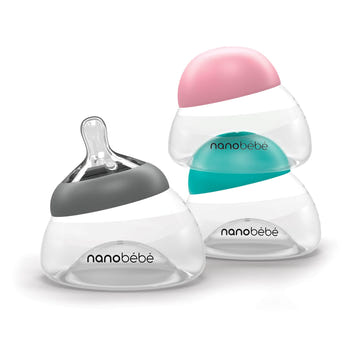
Nanobébé Breastmilk Baby Bottle 5 oz Pack Options Pi...
$16.99
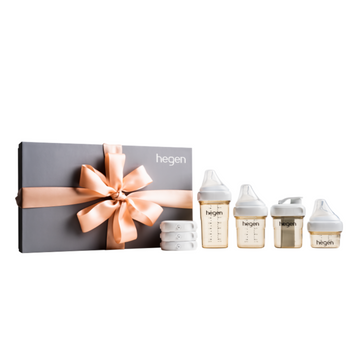
hegen PPSU Essentials Kit 60ml 150ml 240ml baby bottles
$99.99
Heal faster with silver nursing cups
Take 15% off at checkout, applied automatically when you shop through this link.
Shop with HAPPYSPRING →Free US shipping over $100. Code applies automatically at checkout.
What's the difference between normal breast fullness and engorgement?
Normal fullness feels heavy and firm but not painful, and your breasts remain flexible enough for your baby to latch easily. Engorgement, on the other hand, causes breasts to become hard, swollen, shiny, and painful, sometimes extending into the armpit area. With engorgement, the areola may become so firm that latching becomes difficult for your baby.
Should I use ice or heat for engorged breasts?
Use both, but at different times for different purposes. Apply warmth right before nursing to encourage milk flow and help your baby latch more easily. After feeding, use cold compresses for 15 to 20 minutes to reduce swelling and relieve pain. This combination approach provides the most effective relief for engorgement.
Will pumping too much make engorgement worse?
Yes, over-pumping can signal your body to produce even more milk, potentially worsening engorgement. If you need to pump for relief, express just enough milk to feel comfortable, not to empty the breast completely. Your goal is to relieve pressure without triggering increased production.
More Related Picks
A few more favorites from the same collection.
Healthy Horizons Elvie Stride Diaphragms 2 Pack
$21.99
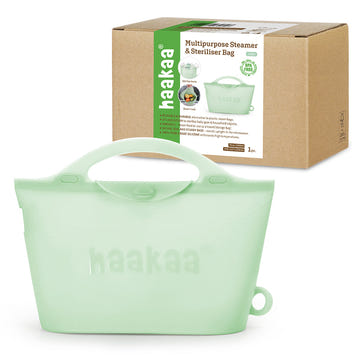
Haakaa Multipurpose Steamer & Sterilizer Bag 3 sizes...
$14.99
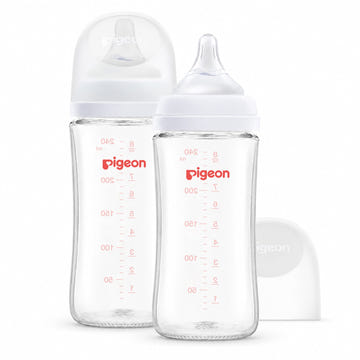
Pigeon Glass Wide Neck Baby Bottle 2-Pack 8.1 oz 3+ ...
$35.99
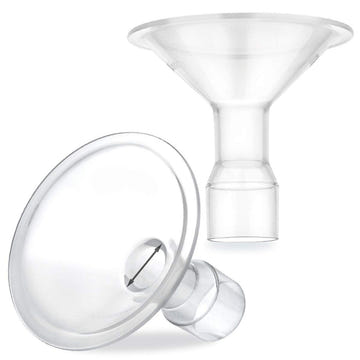
Bae & Bee Boutique Maymom Narrow Neck Flange compati...
$15.00
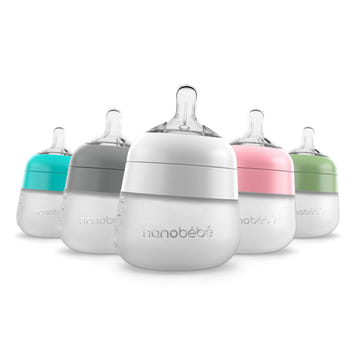
Nanobébé Flexy Silicone Baby Bottle 5oz
$16.99
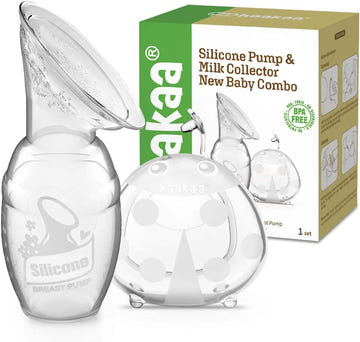
Haakaa Silicone Pump and Ladybug Milk Collector Comb...
$30.32
Can breast engorgement lead to mastitis?
Untreated engorgement can increase your risk of developing mastitis, a painful breast infection. When milk isn't effectively removed from the breast, it can create an environment where bacteria multiply. This is why addressing engorgement promptly through frequent nursing and proper milk removal is so important for your health.
Is it normal for only one breast to become engorged?
Yes, it's completely normal for engorgement to affect one breast more than the other, especially if your baby has a feeding preference or if you've been favoring one side. Continue to offer both breasts at each feeding and consider starting with the engorged side to help balance things out. Each breast operates independently and will adjust to demand over time.
What should I wear to bed when dealing with breast engorgement?
Wear a comfortable, well-fitting sleep bra without underwire that provides gentle support without restricting milk flow. Avoid anything too tight, as compression can worsen engorgement and potentially lead to clogged ducts. You may also want to use nursing pads or Moogco silver nursing cups to protect your nipples and catch any leaking milk during the night.
From Moogco Studio
Printable and personalized nursery essentials. Designed by moms for moms.


About the Editor
Eda Ulger is the editor at Moogco Baby and a mom of two. She curates and edits our guides so every piece is honest, practical, and genuinely helpful for the early days of motherhood.
Shop This Story
Picks related to this guide, ready to ship from Moogco.
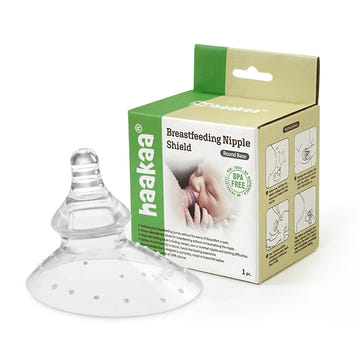
Haakaa Silicone Breastfeeding Nipple Shield Round Sh...
$19.05
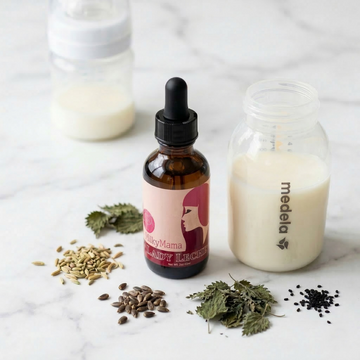
Milky Mama Lady Leche Lactation Liquid Grape Flavor ...
$27.00
Bae & Bee Boutique LactTube 5FR Pediatric Feeding Tu...
$3.00
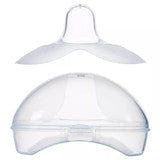
Bae & Bee Boutique Cherry Shaped Nipple Shield 21mm ...
$14.00

Nanobébé Silicone Anti-Colic Baby Bottle Nipples Gen...
$5.99
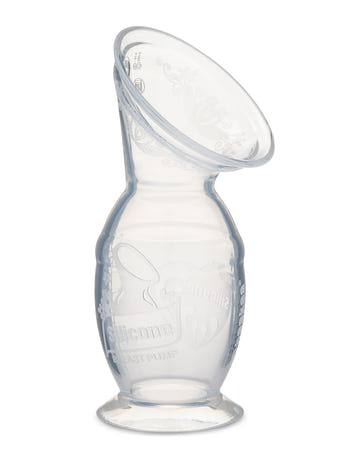
Haakaa Generation 2 Silicone Breast Pump 5 oz Suctio...
$20.99
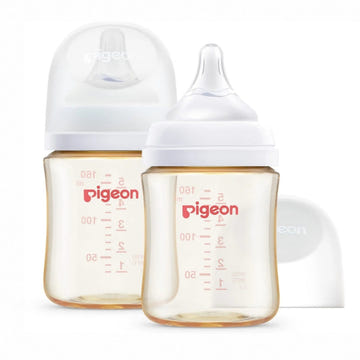
Pigeon PPSU Wide Neck Baby Bottle 2 Pack 5.4 oz Newborn
$34.99
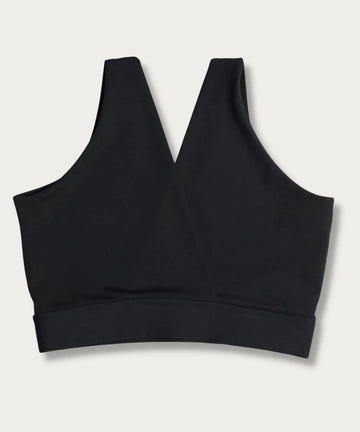
Nyssa FourthWear Postpartum Bralette Nursing and Pum...
$39.00
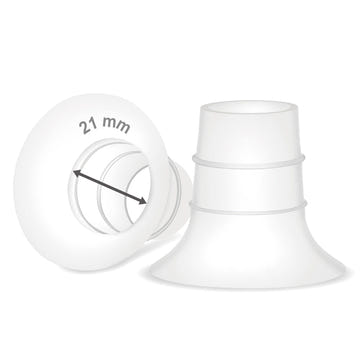
Bae & Bee Boutique Maymom Silicone Medela Flange Ins...
$6.00
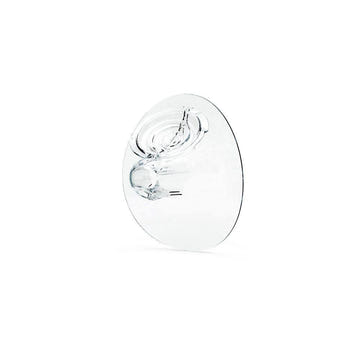
Healthy Horizons Elvie Pump Breast Shields 2 Pack 21...
$29.99