


One of the most exciting milestones in a child's development is when they begin to respond to their own name. This ability signifies not only their growing awareness of their identity but also their increasing ability to engage with the world around them. While the exact age at which a child responds to their name can vary, there are general patterns and expectations that can guide parents and caregivers.
Timeline of Name Response
Birth to 6 Months: In the first few months of life, babies are still developing their auditory and cognitive skills. While they may startle at loud noises or respond to familiar voices, they typically do not respond consistently to their own name.
6 to 12 Months: By around 6 months of age, most babies start to recognize their own name. They may turn their head or pause when they hear it, especially if it is spoken by a familiar voice. This response is an early sign of social awareness and communication skills.
12 to 18 Months: Between 12 and 18 months, most children begin to consistently respond to their name. They may look up, smile, or even come to you when called. This stage marks a significant development in their ability to understand and respond to language.
18 Months and Beyond: As children continue to grow and develop, their response to their name becomes more nuanced. They may start to respond differently depending on the tone of voice or context in which their name is called, demonstrating a deeper understanding of language and social cues.
Factors Influencing Name Response
Several factors can influence when and how a child responds to their own name:
-
Environment: A stimulating and responsive environment can encourage early social and cognitive development, including the ability to respond to one's name.
-
Parenting Style: Parental interactions, such as talking to the baby frequently and using their name in conversation, can help reinforce the association between the name and the child's identity.
-
Individual Differences: Just like other developmental milestones, the age at which a child responds to their name can vary based on their unique temperament and developmental pace.
Encouraging Name Response
Parents and caregivers can help encourage their child's response to their name by:
- Using their name consistently in positive and engaging interactions.
- Responding warmly when the child does respond to their name.
- Creating a supportive environment that encourages social interaction and language development.
In conclusion, a child's ability to respond to their own name is a significant milestone that reflects their growing social and cognitive skills. While the exact timeline can vary, most children begin to respond to their name by around 6 to 12 months and continue to develop this skill as they grow. Parents and caregivers play a crucial role in nurturing this development through positive interactions and a supportive environment.

Featured pick from Moogco
French Terry Racerback Nursing & Sleep Bra | Beige
$39.90
Shop this pick → Bring this guide home with $15 off.
Use code READER15 for $15 off →Frequently Asked Questions
What should I do if my 9 month old doesn't respond to their name?
If your 9 month old isn't responding to their name yet, try not to worry immediately, as development varies. Make sure you're using their name frequently in face to face interactions and in a clear, engaging tone. If by 12 months they still show no response, or if you have other concerns about their hearing or development, it's a good idea to discuss this with your pediatrician.

Picks From This Story
Picks related to this guide, ready to ship from Moogco.
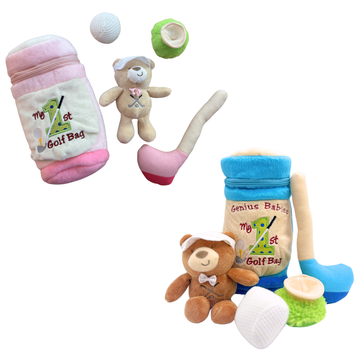
Genius Babies Toys My First Baby Golf Bag Blue or Pi...
$29.99
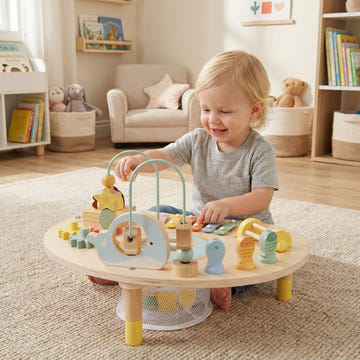
7-in-1 Toddler Activity Table Montessori Sensory Toy...
$39.99
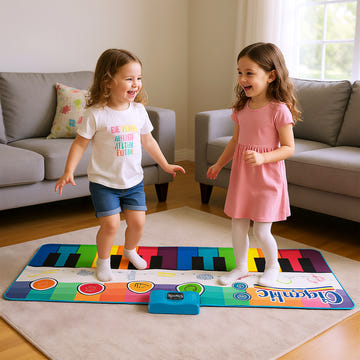
Floor Piano Dance Mat for Kids Musical Playmat with ...
$49.99
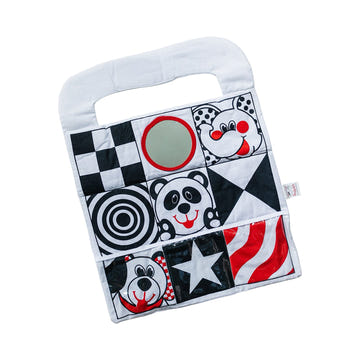
Genius Babies Toys Baby Car Activity Center Reversib...
$20.99
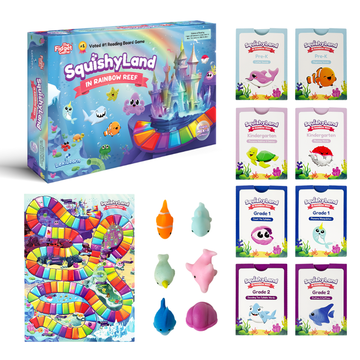
The Fidget Games Squishyland Ages 3 to 8 2 to 6 Players
$39.99
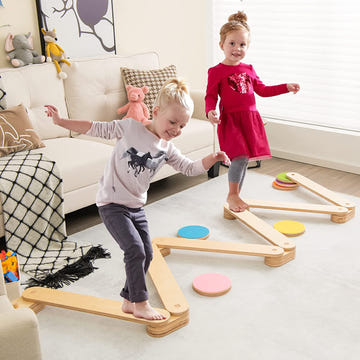
12-Piece Kids Wooden Balance Beam with Colorful Stee...
$47.99
Is it normal for my baby to respond to their name sometimes but not always?
Yes, this is completely normal, especially in the 6 to 12 month range when babies are just beginning to recognize their name. Babies may be more responsive when they're well rested, not distracted, or when the voice is familiar. Consistency improves as they approach 12 to 18 months and their language comprehension deepens.
Free US shipping over $100
Real essentials, picked by real moms
Take $15 off at checkout, applied automatically when you shop through this link.
Shop with READER15 →Free US shipping over $100. Code applies automatically at checkout.
Can using nicknames confuse my baby when learning their name?
Using one or two consistent nicknames alongside your baby's given name is generally fine and won't cause confusion. Babies are remarkably adaptable and can learn to respond to multiple names. However, during the early learning phase around 6 to 9 months, it can be helpful to use their primary name most frequently to build that initial association.
How often should I say my baby's name to help them learn it?
There's no magic number, but incorporating your baby's name naturally throughout the day during diaper changes, feedings, play, and cuddles is ideal. Aim to use their name several times an hour in positive, engaging contexts. The key is repetition paired with warm interaction, which helps your baby associate the sound with themselves and your attention.
More Related Picks
A few more favorites from the same collection.
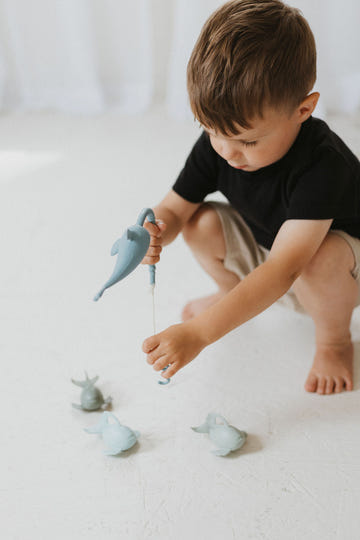
ShopMyLittleSongbird Silicone Fishing Set 3 Fish 1 N...
$15.99
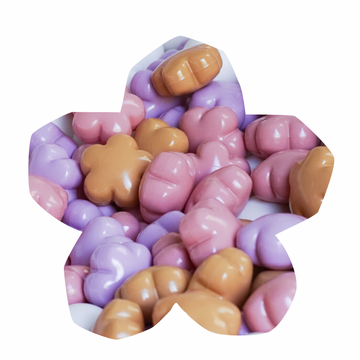
Mini Castles FLORA Ball Pit Balls 3 x 3 x 1.65 inch ...
$25.00
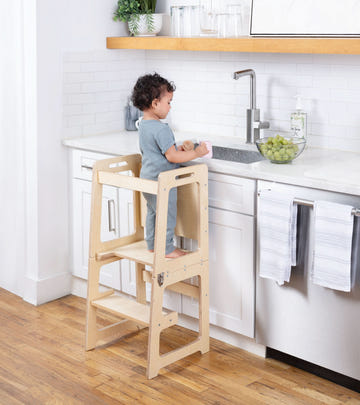
Avenlur 4-in-1 Convertible Toddler Kitchen Tower Des...
$119.00
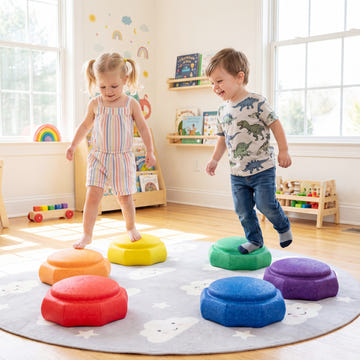
6-Piece Stepping Stones for Kids for Sensory Play an...
$45.99
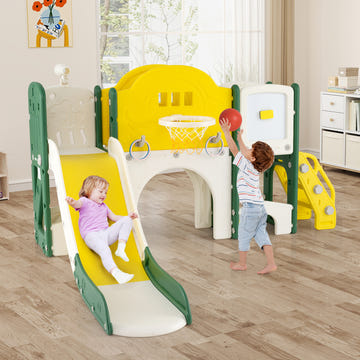
10 in 1 Toddler Slide Set Kids Slide and Climber Pla...
$145.99
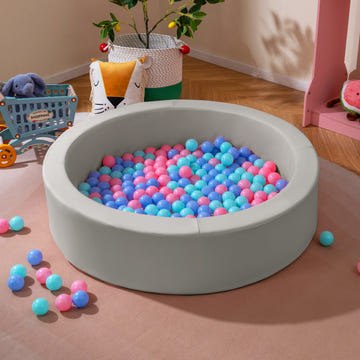
42.5 Inch Round Foam Ball Pits with 25D Sponge Filli...
$71.99
Does responding to their name mean my baby understands language?
Responding to their name is an early language comprehension milestone, but it's just the beginning. It shows your baby is starting to connect sounds with meaning and can focus attention when called. True language understanding develops gradually over the first few years, with name recognition being one of the first building blocks in that exciting journey.
Should I be concerned if my toddler ignores me when I call their name?
Toddlers are famous for selective hearing, especially when they're deeply engaged in play or testing boundaries. If your toddler responds to their name in some situations but not others, it's usually a behavioral choice rather than a developmental concern. However, if they never respond or seem unaware of sounds in general, a hearing evaluation may be warranted.
Can background noise affect my baby learning to respond to their name?
Yes, excessive background noise from TV, music, or household activity can make it harder for babies to distinguish their name and learn to respond to it. Try to have some quiet interaction time each day where your baby can clearly hear you using their name. This focused attention helps strengthen the neural pathways involved in name recognition and language development.
At what age should I expect my child to come when I call their name?
Most children begin to physically come to you when called between 12 and 18 months, though this varies widely. This requires not just name recognition but also understanding the social expectation and having the motor skills to move toward you. By age 2, most toddlers can reliably come when called, though cooperation may depend on their mood and what they're doing at the moment.
From Moogco Studio
Printable and personalized nursery essentials. Designed by moms for moms.


About the Editor
Eda Ulger is the editor at Moogco Baby and a mom of two. She curates and edits our guides so every piece is honest, practical, and genuinely helpful for the early days of motherhood.
Shop This Story
Picks related to this guide, ready to ship from Moogco.
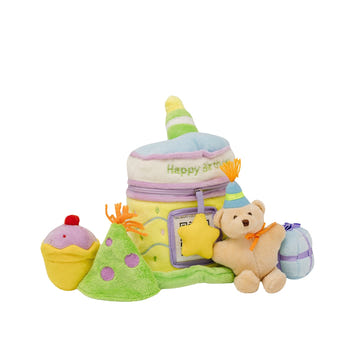
Genius Babies Toys Baby's 1st Birthday Plush Cake Pl...
$19.99

LYTL Silicone Ring Stacking Toy 10pc Food-grade BPA-...
$42.00
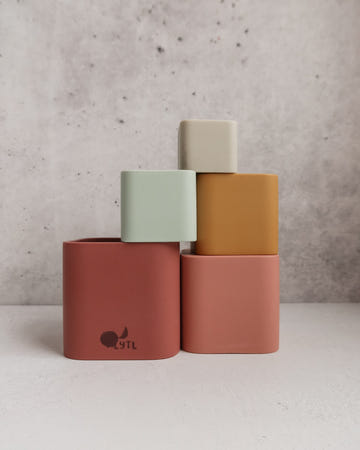
LYTL Silicone Stacking Cups Set of 5 Soft Toy Cups
$22.00
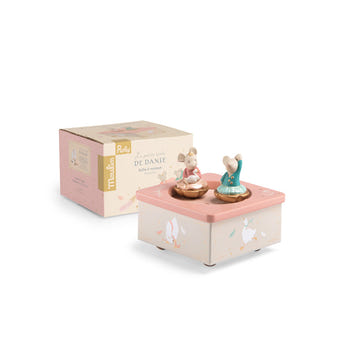
Speedy Monkey Musical Box The Little School of Dance...
$49.99

Comfy Cubs Stacking Blocks 36 Wooden Colorful Rocks
$29.99
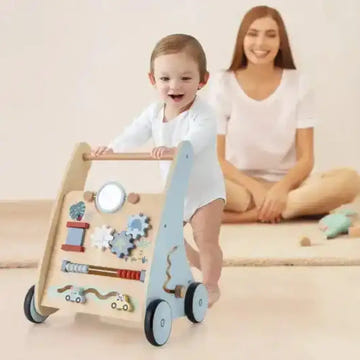
Wooden Baby Push and Pull Walker with Multi-Activity...
$39.99
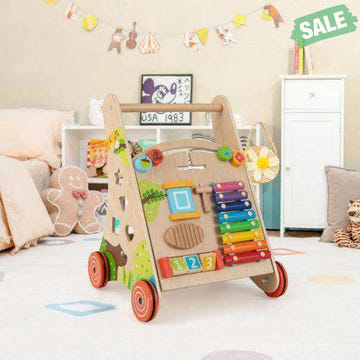
Wooden Push and Pull Baby Walker with Handle and Sto...
$29.99
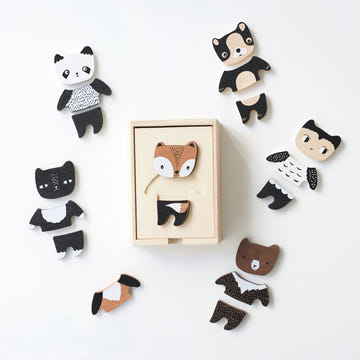
Wee Gallery Mix & Match Animal Tiles 18 Wooden Pieces
$63.95
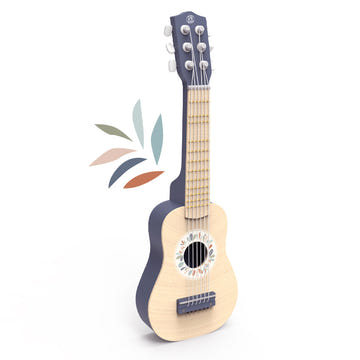
Speedy Monkey Guitar six-string toy multicolor 21.2in
$39.99
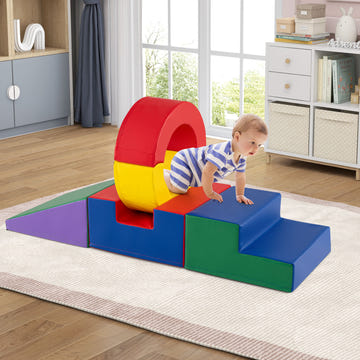
5 Pieces Kids Climbing Toys with PU Leather Cover - ...
$119.99