


Breastfeeding is a deeply personal and unique journey for each mother and baby. Deciding when to stop breastfeeding is a significant decision that involves various factors, including the needs of the baby, the mother’s circumstances, and family preferences. In this blog, we’ll explore the considerations for deciding when to stop breastfeeding, expert recommendations, and how Moogco silver nursing cups can support you throughout your breastfeeding journey.
Expert Recommendations on Breastfeeding Duration
The American Academy of Pediatrics (AAP): The AAP recommends exclusive breastfeeding for the first six months of life, followed by continued breastfeeding alongside the introduction of complementary foods for at least one year. After the first year, breastfeeding can continue as long as mutually desired by mother and baby.
The World Health Organization (WHO): The WHO recommends exclusive breastfeeding for the first six months, with continued breastfeeding along with appropriate complementary foods up to two years of age or beyond.
These recommendations highlight that there is no specific "right" time to stop breastfeeding. The decision should be based on what works best for both the mother and the child.
Factors to Consider When Deciding to Stop Breastfeeding
Baby’s Readiness: Each baby is different, and some may naturally wean earlier than others. Look for signs that your baby is ready to stop breastfeeding, such as decreased interest in nursing, more solid food intake, and the ability to drink from a cup.
Mother’s Circumstances: Mothers may decide to stop breastfeeding due to various reasons, including returning to work, health issues, or simply feeling that it is the right time. It’s important for mothers to consider their own physical and emotional well-being in this decision.
Family Preferences: Family dynamics and preferences also play a role in deciding when to stop breastfeeding. It’s essential to consider the needs and opinions of other family members, while prioritizing the health and well-being of both mother and baby.
Gradual Weaning vs. Abrupt Weaning
Gradual Weaning: Gradual weaning is often recommended as it allows both mother and baby to adjust to the change. Start by eliminating one breastfeeding session at a time, typically the least favored session by the baby. Replace it with a bottle or cup of milk or a nutritious snack. Gradually reduce breastfeeding sessions over weeks or months.
Abrupt Weaning: Abrupt weaning is less common and can be more challenging for both mother and baby. It may be necessary in certain situations, such as health issues or other urgent circumstances. If abrupt weaning is needed, seek support from a healthcare professional to manage the transition smoothly.
Supporting Your Baby During Weaning
Provide Comfort and Reassurance: Weaning can be an emotional process for your baby. Offer extra cuddles, attention, and reassurance to help them feel secure during this transition.
Introduce a Routine: Establish a new feeding routine with solid foods and appropriate snacks. Maintain consistency to help your baby adjust to the new schedule.
Offer Alternatives: Provide alternatives to breastfeeding, such as bottles, cups, or solid foods, depending on your baby’s age and readiness. Ensure that your baby is getting adequate nutrition from other sources.
Supporting Mothers During Weaning
Physical Comfort: Weaning can cause discomfort for mothers, including engorgement and mastitis. Gradually reducing breastfeeding sessions can help minimize discomfort. Moogco silver nursing cups can provide relief from nipple soreness during this period, promoting healing and preventing infections.
Emotional Support: Weaning can be an emotional experience for mothers. Seek support from family, friends, or a support group to share your feelings and experiences.
Focus on Self-Care: Take time for self-care during the weaning process. Engage in activities that you enjoy and help you relax, ensuring that you are taking care of your own well-being.
The Role of Moogco Silver Nursing Cups
Moogco silver nursing cups offer natural antibacterial protection, promoting healing and preventing infections caused by frequent breastfeeding. As you transition through the weaning process, these cups can provide comfort and support, reducing irritation and discomfort. Their smooth surface reduces friction, ensuring continuous comfort even as breastfeeding sessions decrease.
Conclusion
Deciding when to stop breastfeeding is a personal decision that should be based on the needs and circumstances of both mother and baby. Expert recommendations provide guidelines, but the right time to wean varies for each family. Gradual weaning is often the most comfortable approach, allowing both mother and baby to adjust to the change. Throughout your breastfeeding journey, Moogco silver nursing cups can offer essential support and comfort, ensuring that you can navigate the transition with confidence and ease. Embrace this significant milestone with the knowledge that you are making the best decision for you and your baby.
Bring this guide home with 25% off.
Use code MAMA25 for 25% off →
Featured pick from Moogco
MOOGCO Silver Nursing Cups 925k Silver - Protect Against Sore Breasts And Nipple Irritation
$45.90 $49.90
Shop this pick → Frequently Asked Questions
Can I continue breastfeeding after my baby turns one year old?
Absolutely! Both the AAP and WHO support continued breastfeeding beyond the first year as long as it works for both mother and baby. Many mothers breastfeed into toddlerhood, and breast milk continues to provide nutritional and immune benefits. The decision to continue is entirely personal and should be based on your family's needs and comfort level.

How long does gradual weaning typically take?
Gradual weaning timelines vary widely depending on your baby's age, nursing frequency, and individual preferences. Some families complete the process in a few weeks, while others take several months. The key is to move at a pace that feels comfortable for both you and your baby, dropping one feeding session every few days to a week to allow for physical and emotional adjustment.
Curated by moms, vetted by lactation pros
Picks From This Story
Picks related to this guide, ready to ship from Moogco.

The Original Silver Nursing Cups with Silicone Pads
$62.90
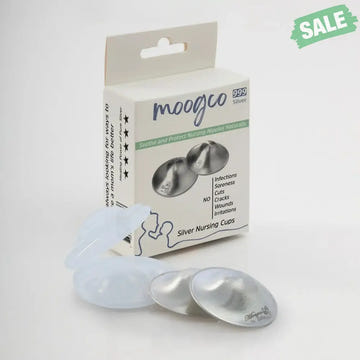
MOOGCO Silver Nursing Cups 999k Silver
$49.90

momjug breastfeeding water bottle 50oz double-wall s...
$49.99
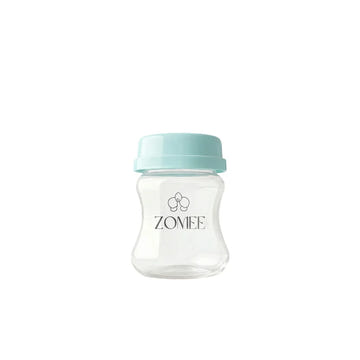
Zomee Breast Pumps Breast Milk Storage Bottles BPA-free
$3.99
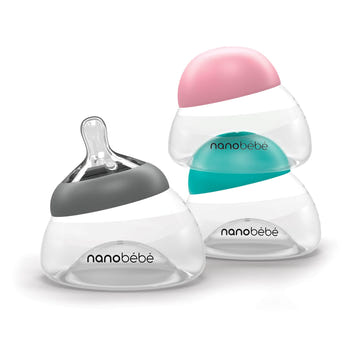
Nanobébé Breastmilk Baby Bottle 5 oz Pack Options Pi...
$16.99
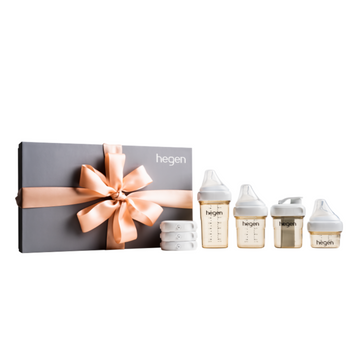
hegen PPSU Essentials Kit 60ml 150ml 240ml baby bottles
$99.99
Everything for the breastfeeding journey
Take 25% off at checkout, applied automatically when you shop through this link.
Shop with MAMA25 →Free US shipping over $100. Code applies automatically at checkout.
Will my baby get enough nutrition if I stop breastfeeding before age two?
Yes, babies can thrive with proper nutrition from other sources after the first year. Once your baby is eating a variety of solid foods and drinking whole milk or formula as appropriate, they can receive adequate nutrition without breast milk. Work with your pediatrician to ensure your child's diet meets their nutritional needs during and after weaning.
Is it normal to feel sad or emotional when stopping breastfeeding?
It's completely normal to experience a range of emotions during weaning, from relief to sadness or even grief. Breastfeeding creates a special bond, and ending this chapter can feel bittersweet. Hormonal changes during weaning can also affect your mood. Give yourself grace, seek support from loved ones, and remember that your feelings are valid and temporary.
What if my baby refuses to wean and still wants to breastfeed constantly?
Some babies are more attached to nursing than others, and that's okay. Try offering extra comfort through cuddling, reading, or special activities to meet their emotional needs. You can also try distraction techniques, scheduling shorter nursing sessions, or offering healthy snacks and drinks first. Remember, you can set gentle boundaries while still being responsive to your child's needs.
More Related Picks
A few more favorites from the same collection.

Healthy Horizons Elvie Stride Diaphragms 2 Pack
$21.99
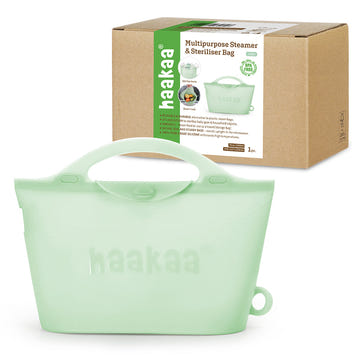
Haakaa Multipurpose Steamer & Sterilizer Bag 3 sizes...
$14.99
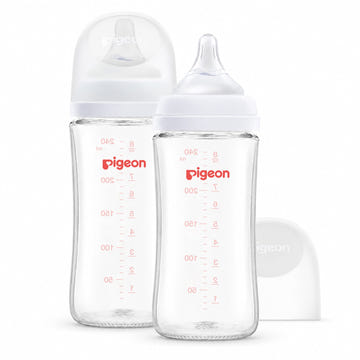
Pigeon Glass Wide Neck Baby Bottle 2-Pack 8.1 oz 3+ ...
$35.99
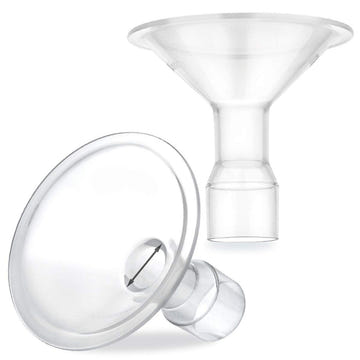
Bae & Bee Boutique Maymom Narrow Neck Flange compati...
$15.00
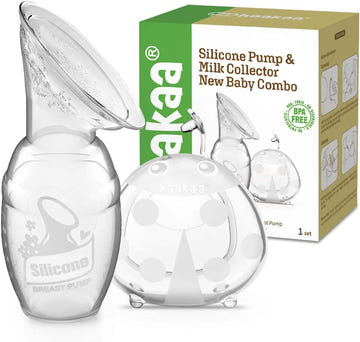
Haakaa Silicone Pump and Ladybug Milk Collector Comb...
$30.32
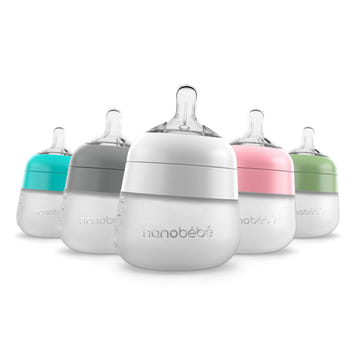
Nanobébé Flexy Silicone Baby Bottle 5oz
$16.99
Can I stop breastfeeding at night but continue during the day?
Yes, partial weaning is a common and effective approach for many families. Eliminating nighttime feedings while continuing daytime nursing can help everyone get better sleep while maintaining the breastfeeding relationship. This method allows for gradual adjustment and gives you flexibility to continue breastfeeding in situations where it's most convenient or meaningful.
How do I handle breast fullness and discomfort when reducing feedings?
As you drop nursing sessions, your body will gradually adjust milk production, but you may experience temporary fullness or discomfort. Hand express or pump just enough to relieve pressure without signaling your body to make more milk. Cold compresses, supportive bras, and Moogco silver nursing cups can help soothe soreness and promote healing during this transition period.
Should I stop breastfeeding if I'm returning to work?
Returning to work doesn't necessarily mean you need to stop breastfeeding entirely. Many mothers continue by pumping during work hours or nursing during mornings, evenings, and weekends. However, if you choose to wean due to work commitments, that's a valid decision too. The best choice is the one that supports your family's needs and your well-being.
From Moogco Studio
Printable and personalized nursery essentials. Designed by moms for moms.


About the Editor
Eda Ulger is the editor at Moogco Baby and a mom of two. She curates and edits our guides so every piece is honest, practical, and genuinely helpful for the early days of motherhood.
Shop This Story
Picks related to this guide, ready to ship from Moogco.

Milky Mama Lady Leche Lactation Liquid Grape Flavor ...
$27.00
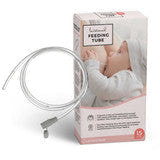
Bae & Bee Boutique LactTube 5FR Pediatric Feeding Tu...
$3.00

Nanobébé Silicone Anti-Colic Baby Bottle Nipples Gen...
$5.99
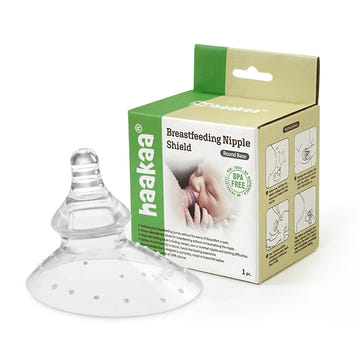
Haakaa Silicone Breastfeeding Nipple Shield Round Sh...
$19.05
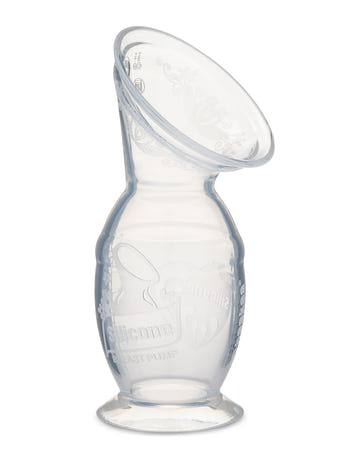
Haakaa Generation 2 Silicone Breast Pump 5 oz Suctio...
$20.99
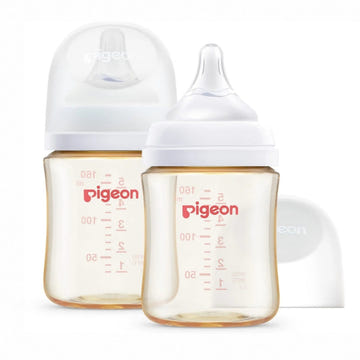
Pigeon PPSU Wide Neck Baby Bottle 2 Pack 5.4 oz Newborn
$34.99
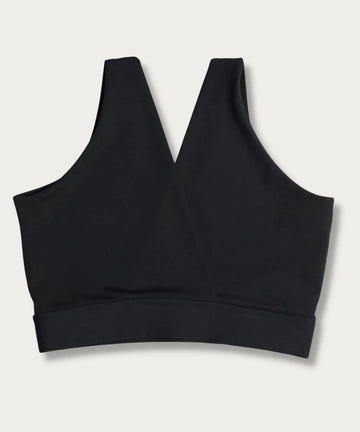
Nyssa FourthWear Postpartum Bralette Nursing and Pum...
$39.00
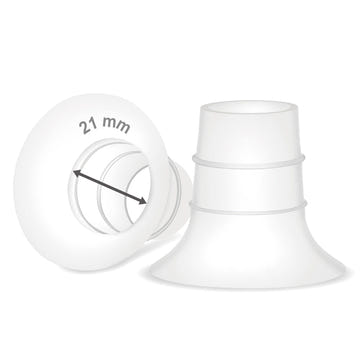
Bae & Bee Boutique Maymom Silicone Medela Flange Ins...
$6.00
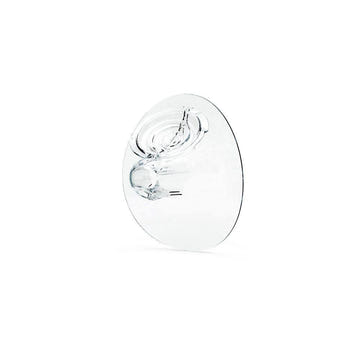
Healthy Horizons Elvie Pump Breast Shields 2 Pack 21...
$29.99
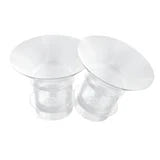
Bae & Bee Boutique Silicone Flange Inserts 10-21mm
$16.00