


Let's get straight to the good news: yes, most insurance plans cover a breast pump. Thanks to a key piece of legislation, breast pumps are considered a preventive health service, which means most new and expectant moms can get one for free or at a very low cost. For many families, this is a huge weight off their shoulders, removing a big financial hurdle to breastfeeding.
Your Insurance Will Likely Cover a Breast Pump

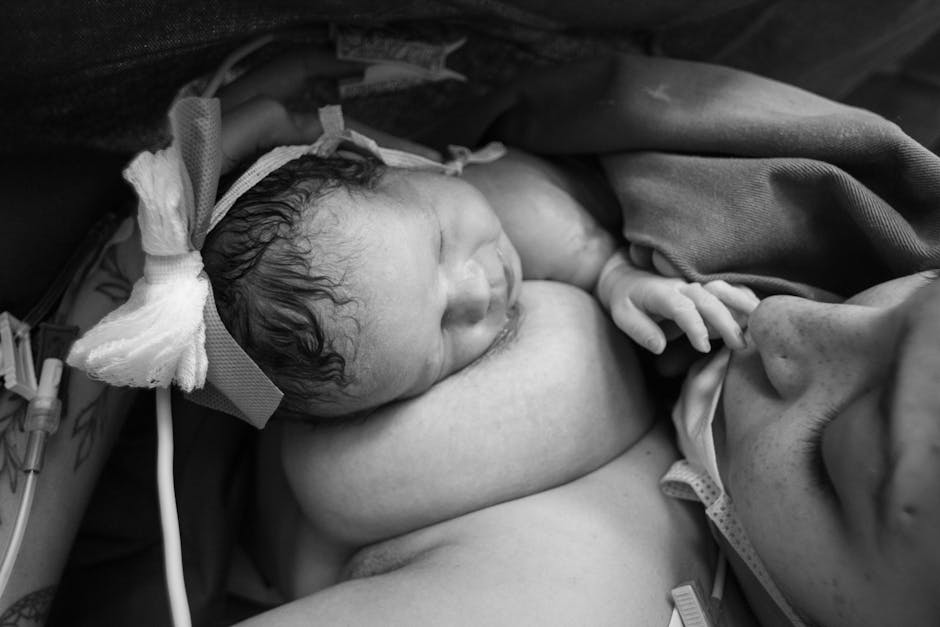
If you're asking yourself, "Will my insurance cover a breast pump?" the short answer is almost always yes. This isn't just a nice little perk from a few top-tier plans; it's a requirement for most health insurers in the United States, and it’s completely changed the game for new parents.
Top-rated pumps + accessories
Pumping made simpler
Take 20% off at checkout, applied automatically when you shop through this link.
Shop with MOM20 →Free US shipping over $100. Code applies automatically at checkout.
So, what made this possible? The Affordable Care Act (ACA), passed back in 2010. This law mandated that most health plans provide coverage for breastfeeding support and supplies, often without you having to pay a dime out of pocket for co-pays or deductibles. It's a big deal. In fact, by the early 2020s, over 60% of breastfeeding mothers in the U.S. said they got their breast pump through their insurance plan.
Making Your Breastfeeding Journey Easier
Getting a free breast pump is a fantastic start, but as any seasoned mom will tell you, a successful breastfeeding journey often involves more than just the pump itself. It’s common to hit a few bumps in the road, like sore or cracked nipples, which can be incredibly painful and make you want to throw in the towel. This is where having the right support tools makes all the difference.
"A breast pump is an essential tool, but it's just one piece of the puzzle. True success in breastfeeding comes from having a support system and the right products to overcome common hurdles with comfort and confidence."
This is exactly why having the right accessories is so important. For example, so many mothers find incredible relief and faster healing by using Moogco Silver Nursing Cups. These little wonders are naturally antimicrobial and anti-inflammatory, designed to soothe and protect sensitive skin, helping you push through the tough early days and breastfeed comfortably.
To help you get fully prepared, we've put together a list of essentials that go beyond just the pump. You’ll want to check out our ultimate breastfeeding must-haves guide, which is packed with everything from soothing tools to practical accessories that truly make a difference.
A Success Story From a Mom Like You
Sarah, a first-time mom, was so excited when her insurance-covered breast pump arrived. But within a week, the reality of breastfeeding set in. She developed painful, cracked nipples that made her dread every feeding and pumping session. Just as she was about to give up, a friend suggested she try Moogco Silver Nursing Cups.
She was skeptical but desperate enough to try anything. The cooling relief was instant. Within just a few days, her skin started to heal, and the pain vanished. For Sarah, these simple silver nursing cups didn't just soothe her skin—they saved her breastfeeding journey, allowing her to finally bond with her baby without wincing in pain.
Picks From This Story
Picks related to this guide, ready to ship from Moogco.

Healthy Horizons Elvie Stride Diaphragms 2 Pack
$21.99
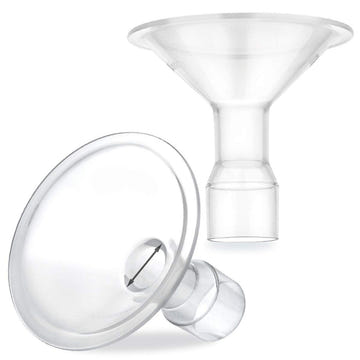
Bae & Bee Boutique Maymom Narrow Neck Flange compati...
$15.00
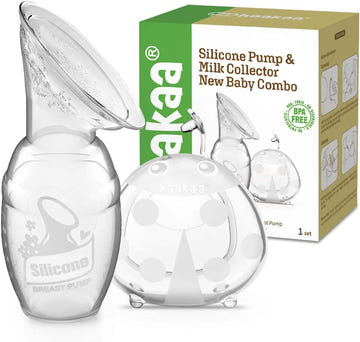
Haakaa Silicone Pump and Ladybug Milk Collector Comb...
$30.32
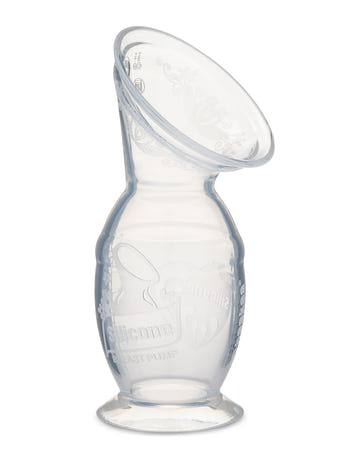
Haakaa Generation 2 Silicone Breast Pump 5 oz Suctio...
$20.99
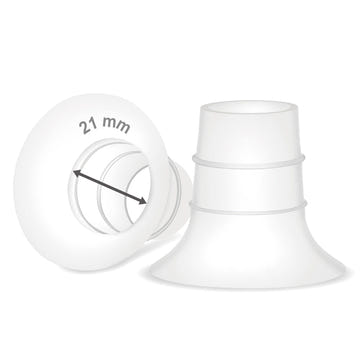
Bae & Bee Boutique Maymom Silicone Medela Flange Ins...
$6.00
Bae & Bee Boutique Silicone Flange Inserts 10-21mm
$16.00
Navigating Different Types of Insurance Plans
Trying to figure out your insurance plan can feel like you're trying to solve a puzzle, especially with all the acronyms and tiny print. But when it comes to getting your breast pump, knowing your plan is the first big step. Most health insurance falls into a few main buckets, and each one handles breast pump coverage a bit differently.
Let's break down what you can expect from private insurance, Medicaid, or one of those rare "grandfathered" plans.
Private and Employer-Sponsored Plans
Most families in the U.S. get their health insurance through an employer, and these are typically private plans like a PPO (Preferred Provider Organization) or an HMO (Health Maintenance Organization). The good news is that the ACA requires both to cover breast pumps. The main difference is how you get it.
A PPO usually gives you more freedom to choose where you get your pump from, but an HMO will likely have a specific list of "in-network" suppliers you have to use to be fully covered.
The best thing you can do is give your insurance company a quick call or check your plan documents online. They can tell you exactly which suppliers are approved and what you need to do to get your pump without a headache.
Medicaid and Government-Sponsored Plans
Medicaid is an incredible lifeline for so many families. In the United States, Medicaid considers breastfeeding support essential, which means states are required to provide counseling, support, and breast pumps. This coverage often includes everything from simple manual pumps to double electric ones, and even hospital-grade rentals if there’s a specific medical reason.
In fact, Medicaid covers breast pumps for roughly 25% of all births in the U.S. That’s a huge number, and it really shows how important this program is for new moms. You can read more about these kinds of maternal health trends over at Grandview Research.
Just remember that Medicaid is managed by each state, so the exact process and the types of pumps available can vary. Your best bet is to check directly with your state's Medicaid office to get the specifics.
What Are Grandfathered Plans?
Ever heard of a "grandfathered plan"? It sounds a bit like something from another era, and that's because it is! These are health plans that existed on or before March 23, 2010—the day the Affordable Care Act (ACA) became law.
Since these plans were already around before the new rules kicked in, they don't have to offer all the same preventive benefits, and that includes breast pumps. They’re pretty rare these days, but it’s something to be aware of.
If you happen to have a grandfathered plan, you might not have automatic coverage. But don't give up just yet! Some of these plans still offer partial coverage or discounts, so it never hurts to ask your benefits administrator. To help you feel confident going into that conversation, we put together your complete guide to getting breast pumps through insurance with the right questions to ask and simple steps to follow.
Your Step-by-Step Guide to Getting a Free Pump
Okay, so you know your insurance will probably cover a breast pump, which is a huge relief! But what do you actually do next? Getting your pump shouldn't feel like another complicated task on your pre-baby to-do list. Let's break it down into a few simple, manageable steps.
This quick visual gives you a bird's-eye view of the process for the most common types of insurance.
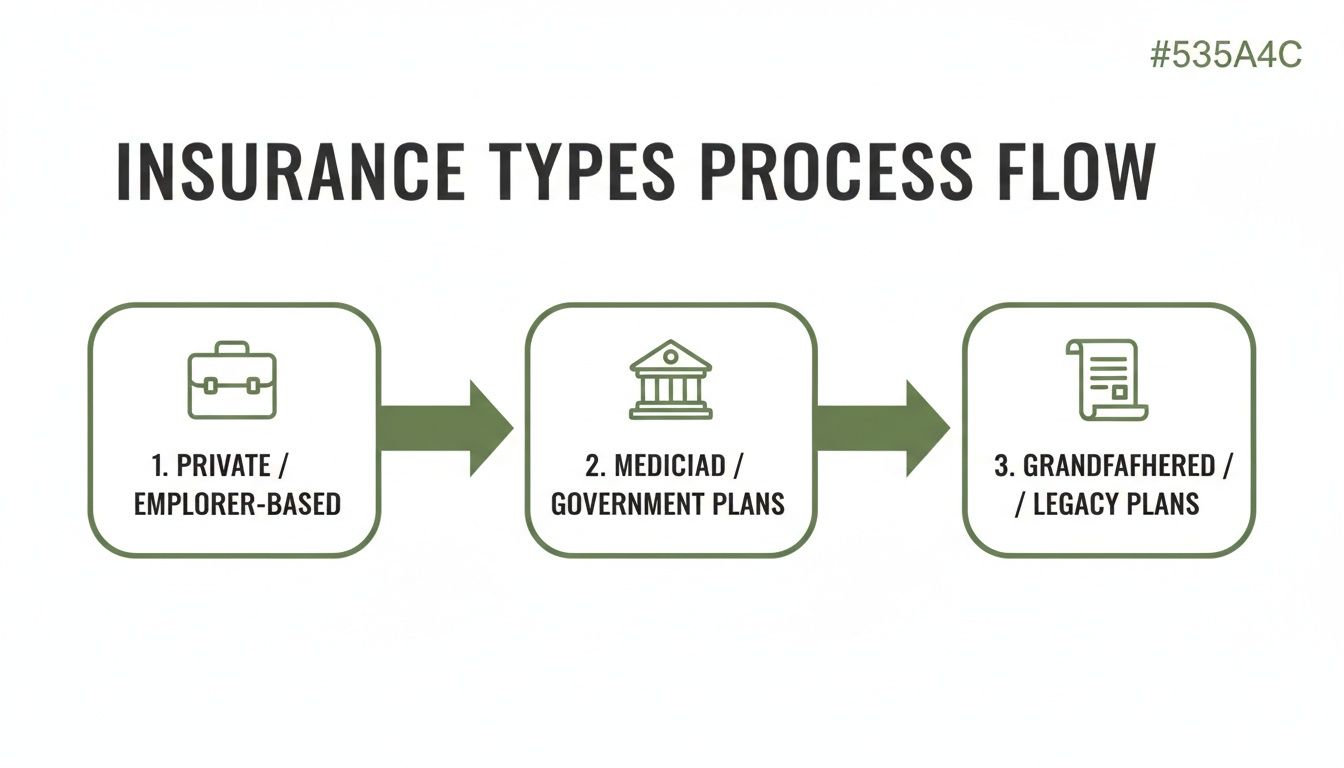
No matter what kind of plan you have—private, Medicaid, or one of those rare grandfathered plans—your first couple of moves are always the same: get a prescription and call your insurance company.
Step 1: Get a Prescription
First things first, you'll need a prescription from your doctor. This can come from your OB-GYN, midwife, or even your family doctor. Sometimes, you can even get the necessary doctor's note by consulting an online doctor, which is super convenient.
Make sure the prescription has all the right info:
- Your full name and date of birth
- A diagnosis code (something like "Z39.1, encounter for lactation management" is common)
- The type of pump you need (e.g., "double electric breast pump")
- Your doctor's signature and contact details
My best advice? Ask for this during one of your third-trimester checkups. Getting it done then means you’ll have it ready to go the moment your insurance says you can order.
Step 2: Contact Your Insurance Company
Now it's time to make a quick call. Find the member services number on the back of your insurance card and give them a ring. Knowing what to ask will make this call way more efficient.
Grab a notebook before you dial! I always recommend jotting down the date, time, and the name of the person you spoke with. You'll thank yourself later if you need to follow up.
Here’s exactly what you should ask:
- What specific types of breast pumps are 100% covered by my plan?
- Do I have to order from a specific Durable Medical Equipment (DME) supplier?
- When am I allowed to order my pump? (For example, some plans say 30 days before your due date.)
- What are the exact steps for submitting my prescription and ordering the pump?
Step 3: Find an In-Network DME Supplier and Order
Your insurance company will point you to their list of approved DME suppliers. Think of these as the medical equipment companies they've partnered with. Sticking to this list is the secret to getting your pump for free.
Once you have the names, you can hop onto their websites or call them. Most of these suppliers have made the process incredibly simple. You’ll usually just upload a picture of your prescription and insurance card, pick your pump from the covered options, and they take it from there.
For an even more detailed look at how this works, check out our guide on how to get a free breast pump through insurance: https://moogcoshelby.myshopify.com/blogs/moogco-baby-journal/get-a-free-breast-pump-through-insurance. Before you know it, your brand-new pump will be on its way to your doorstep
More Related Picks
A few more favorites from the same collection.
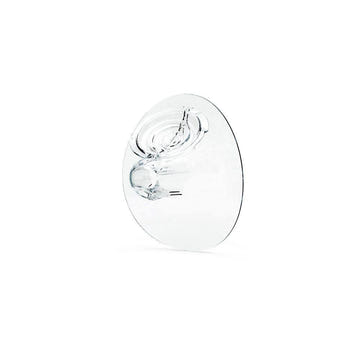
Healthy Horizons Elvie Pump Breast Shields 2 Pack 21...
$29.99
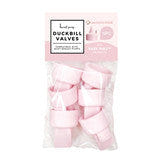
Bae & Bee Boutique Duckbill Valve Pink Replacement F...
$14.00
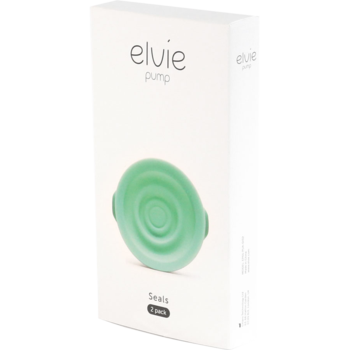
Healthy Horizons Elvie Pump Seals 2 Pack Spare Diaph...
$16.99
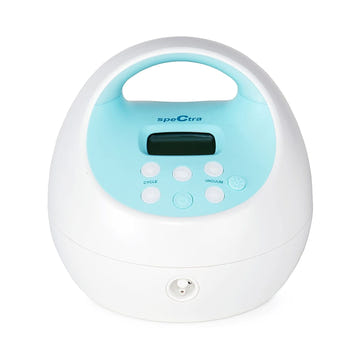
LL Medico Spectra S1 Plus Rechargeable Double Electr...
$216.00
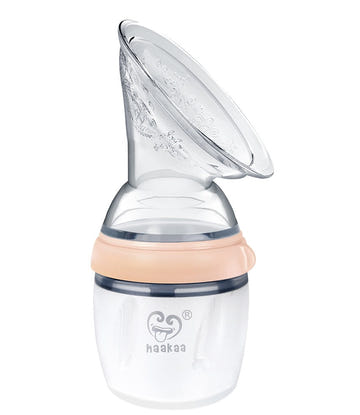
Haakaa Silicone Breast Pump Generation 3 160ml 250ml
$28.99
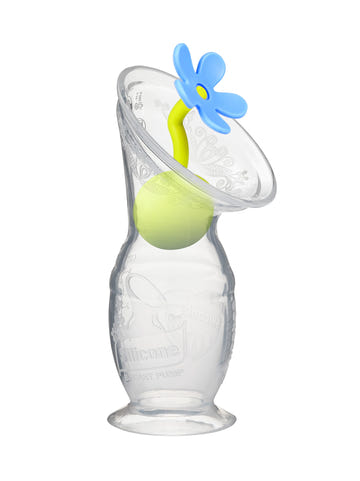
Haakaa Gen 2 Silicone Breast Pump 4 oz with Suction ...
$26.99
So, Which Breast Pumps Are Actually Covered?
Okay, so you’ve confirmed your insurance plan will cover a breast pump. That’s a huge win! But the next question is always, "Which one can I get?" It's a bit like finding out you get a free car, but you still need to know if it's a trusty sedan or a sporty convertible.
Most insurance plans keep things simple and will fully cover the cost of a basic, reliable breast pump. Think of these as the dependable workhorses of the pump world. You can almost always get a standard double electric breast pump and often a manual pump as well, with no out-of-pocket cost. For many moms, these are absolutely perfect for building and keeping up a healthy milk supply.
What About Hospital-Grade and Wearable Pumps?
Sometimes, you need something a bit more powerful. If your little one is in the NICU or you're facing serious challenges with milk production, your doctor might recommend a hospital-grade pump. These are the super-powered, multi-user machines you see in hospitals. Insurance typically covers these as a rental for as long as it's deemed medically necessary, not as a purchase.
And then there's the exciting new world of wearable or "smart" pumps—the ones you can discreetly tuck into your bra and go about your day. They're incredibly convenient, but insurers often classify them as "upgrades." This usually means they’ll pay the amount a standard pump would cost, and you'll be responsible for paying the difference. You'll have to decide if the freedom and convenience are worth the extra cash. For a little more help figuring it out, check out our practical guide to choosing the best breast pump for new moms.
A Story: When the Pump Isn't Enough
Getting the pump is just the first step. Let me tell you about Sarah, a new mom who did everything right—she got her pump through insurance and was ready to go. But soon, she was dealing with the excruciating pain of sore, cracked nipples. It’s a common struggle, but it was so bad it almost made her give up on breastfeeding altogether.
On the verge of quitting, a friend suggested she try Moogco Silver Nursing Cups. Sarah was skeptical but willing to try anything. The relief was almost instant. The natural antimicrobial and anti-inflammatory magic of pure silver helped her heal without dealing with sticky creams or ointments. These simple silver nursing cups didn’t just ease her pain; they completely saved her breastfeeding journey, letting her bond with her baby without wincing.
"I thought the pump was all I needed, but the pain was unbearable. Moogco Silver Nursing Cups were a total game-changer. They allowed my body to heal so I could actually use my pump and breastfeed my baby without crying."
Sarah’s story is a perfect reminder that the right support tools are just as crucial as the pump itself. It’s no surprise that the global breast pump market, valued at USD 1.59 billion in 2023, is expected to soar to USD 2.86 billion by 2032. This growth is fueled by innovations like wearable pumps and a growing awareness of the real challenges of lactation. You can dive deeper into these trends with the latest breast pump market news to see how technology and support products are evolving side-by-side.
How One Mom’s Breastfeeding Journey Was Saved by Silver

Getting your breast pump covered by insurance feels like a huge win, and it absolutely is! But as so many new parents quickly learn, the pump is just one piece of the puzzle. For a new mom named Sarah, that reality set in almost immediately.
Sarah was over the moon when her insurance-covered pump arrived. She’d done all her homework on will insurance cover breast pump and followed every step to the letter. But just days after her baby was born, the physical side of breastfeeding became almost too much to bear. Her nipples were cracked and painful, turning every feeding and pumping session into something she dreaded. It’s an incredibly common issue, but for Sarah, it felt like a roadblock that was ruining what should have been a special time. She was close to giving up.
The Turning Point That Changed Everything
Right when she was about to throw in the towel, a friend suggested something she’d never heard of before: Moogco Silver Nursing Cups. Willing to try anything for a bit of relief, Sarah ordered a pair. The difference was immediate and, frankly, life-changing.
The moment she put them on, the silver felt instantly cool and soothing. These weren't like the messy creams she'd tried, which always had to be wiped off before the baby latched on. The cups just sat comfortably inside her bra, creating a little shield that let a few drops of her own breast milk work its healing magic.
"I was in so much pain, I thought I'd have to stop breastfeeding. The pump I got through insurance was great, but I couldn't bear to use it. The Moogco Silver Nursing Cups didn't just provide relief—they gave me the ability to heal and continue feeding my baby. They truly saved my breastfeeding journey."
Why Silver Is a Game-Changer
What Sarah discovered wasn't a fluke; it's the natural power of silver. Moogco's silver nursing cups are made from pure 925 silver, which is known for its natural antimicrobial and anti-inflammatory properties. This helps keep the area clean, prevent infection, and soothe damaged skin—all without a single chemical.
Her story is such a perfect example of why the right support tools are just as crucial as the big-ticket items like a breast pump. Challenges like sore nipples are almost a rite of passage for new moms, but they don't have to derail your entire journey.
If you want to learn more about how this simple, traditional remedy can help, check out our guide on the original silver nursing cups. Sarah’s experience is proof that with the right support, you can push through the tough spots and find the joy in the beautiful experience you and your baby deserve.
Answering Your Top Questions About Breast Pump Coverage
So, you've confirmed your insurance plan covers a breast pump. That's a huge win! But as you get closer to the finish line, a few more specific questions usually pop up. It's totally normal to feel a little lost in the details, so let's walk through the most common concerns we hear from parents. Think of this as your final checklist to getting your pump, stress-free.
When Is the Best Time to Order My Breast Pump?
Timing is everything here. You don't want to be too early, but you definitely don't want to be too late.
The sweet spot for most moms is during the third trimester, usually 30 to 60 days before your due date. If you order too soon, your insurance might deny the claim. But if you wait until after the baby arrives, you could face frustrating delays right when you need your pump the most.
To be 100% sure, it's always a good idea to give your insurance provider a quick call. They can tell you their exact timeline, giving you plenty of peace of mind to get your prescription and pick out the perfect pump without feeling rushed.
Does Insurance Cover Replacement Parts and Supplies?
This is a fantastic question, and honestly, the answer can be all over the map. While the ACA requires plans to cover the pump itself, ongoing supplies like tubing, flanges, and valves are a different ballgame.
The good news? Many plans do cover these essential replacement parts. It makes sense—these pieces are critical for hygiene and making sure your pump works correctly. Often, you can get a fresh supply every 60-90 days. You'll almost certainly need a new prescription for these supplies, so be sure to check your plan’s benefits for details on "breast pump supplies."
For the official word on what your specific plan covers, you'll need to look at your Evidence of Coverage (EOC) documents.
What Should I Do If My Insurance Denies My Request?
First things first: take a deep breath. A denial is not the end of the road.
Your initial step should be to call your insurance company and ask for the specific reason it was denied. It’s often a simple paperwork mix-up that can be sorted out with a quick phone call.
If the problem is more complex, like having a rare "grandfathered" plan that isn't required to offer coverage, you have the right to file an appeal. This is where your doctor can be a huge help. Ask them to write a letter of medical necessity to strengthen your case. Going through the formal appeals process very often gets that initial "no" flipped to a "yes."
Can I Get a Pump If I Am Adopting or Using a Surrogate?
In many situations, yes! The goal of the ACA's provision is to make sure babies have access to breast milk, and induced lactation is a well-understood medical process.
While it isn't guaranteed by every single plan out there, coverage for adoptive mothers is becoming much more common. You will absolutely need a prescription from your doctor and might need to provide some extra paperwork. The best course of action is to speak directly with your insurance provider to understand their policy for non-birth mothers so you can get the support you deserve.
At Moogco Baby, we know a breast pump is just one piece of the puzzle. For those other challenges that pop up—like sore or cracked nipples—our Moogco Silver Nursing Cups offer natural, soothing relief. They're designed to help you heal quickly so you can get back to feeding your baby in comfort.
Bring this guide home with 20% off.
Use code MOM20 for 20% off →
Frequently Asked Questions
Can I get a breast pump before my baby is born?
Yes, most insurance plans allow you to order your breast pump during your third trimester, typically around 30 to 36 weeks. Some plans let you order even earlier, while others require you to wait until after delivery. Call your insurance provider to find out their specific timeline, and consider ordering early so everything arrives before your due date and you have time to familiarize yourself with the pump.
Do I need to return my insurance-covered breast pump after I'm done using it?
No, you do not need to return it. When your insurance covers a breast pump, it's yours to keep permanently. The only exception is if you rent a hospital-grade pump for a specific medical reason, in which case that particular unit would need to be returned. Standard electric and manual pumps provided through insurance are yours, and you can use them for future babies or pass them along to a friend.
What if I have twins or multiples, can I get more than one pump?
Great question! Some insurance plans will cover an additional pump or upgrade to a hospital-grade pump if you're having multiples, but it's not automatic. You'll typically need a letter of medical necessity from your doctor explaining why you need enhanced pumping equipment. Always call your insurance company to ask specifically about coverage for multiples, as policies vary widely from plan to plan.
Will my insurance cover a breast pump if I'm exclusively formula feeding?
Most insurance companies will still approve your breast pump even if you plan to formula feed, since the coverage is a preventive benefit and circumstances can change. You don't usually need to prove your feeding plans in advance. That said, it's smart to order the pump during pregnancy or shortly after birth while you're eligible, just in case you decide to pump occasionally or your plans shift.
Can I choose any brand of breast pump I want with my insurance?
Not always. Most insurance plans work with specific durable medical equipment suppliers who carry certain brands and models. You'll typically get to choose from a list of approved pumps, which usually includes several quality options in manual, single electric, and double electric styles. If you have your heart set on a specific brand or model, ask your supplier if it's available or if your plan offers an upgrade option where you pay the difference.
What happens if my breast pump breaks or stops working?
If your pump breaks during the manufacturer's warranty period, contact the manufacturer directly for a replacement or repair, most offer one-year warranties. If it breaks after the warranty expires, your insurance typically won't cover a second pump for the same baby, but some plans do have exceptions for defective equipment. Keep all your paperwork and warranty information in a safe place, and register your pump right away so you're covered if something goes wrong.
Does insurance cover breast pumps for same-sex couples or non-birthing parents?
Coverage depends on your specific insurance policy and sometimes state regulations. The birthing parent's insurance will almost always cover a breast pump as a standard benefit. For non-birthing parents who wish to induce lactation, coverage is less common but possible with a letter of medical necessity from a healthcare provider. It's best to call your insurance company directly and explain your situation to understand what's covered under your plan.
If I change insurance plans or jobs while pregnant, can I still get a breast pump?
Yes, as long as your new insurance plan is ACA-compliant, you should still be eligible for a breast pump. Just make sure to contact your new insurance provider as soon as your coverage starts to understand their process and timeline. If you already ordered a pump under your old plan and it arrived, you typically get to keep it. But if it hasn't shipped yet, you may need to resubmit your request through your new insurer.
From Moogco Studio
Printable and personalized nursery essentials. Designed by moms for moms.


About the Editor
Eda Ulger is the editor at Moogco Baby and a mom of two. She curates and edits our guides so every piece is honest, practical, and genuinely helpful for the early days of motherhood.
Shop This Story
Picks related to this guide, ready to ship from Moogco.
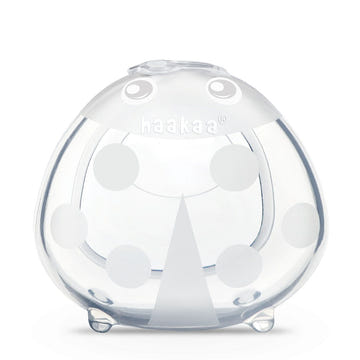
Haakaa Ladybug Silicone Milk Collector 2.5 oz 75 ml
$17.99
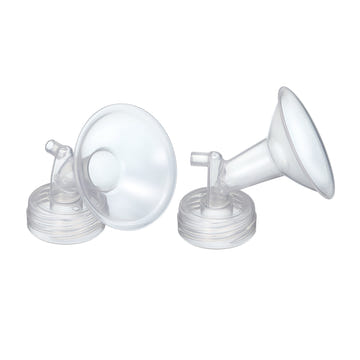
Cimilre Breast Shields set of two 21mm 24mm 28mm 32mm
$19.99
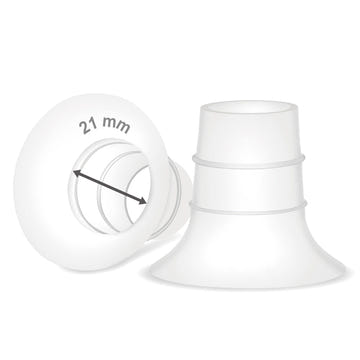
Bae & Bee Boutique Maymom Elvie Flange Inserts Semi-...
$6.00
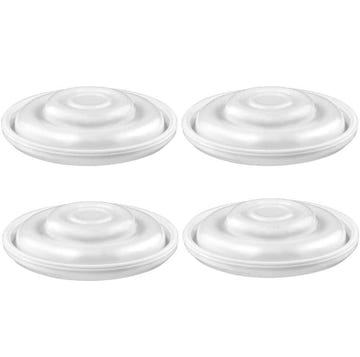
Bae & Bee Boutique 4pc Maymom Silicone Membrane for ...
$10.00
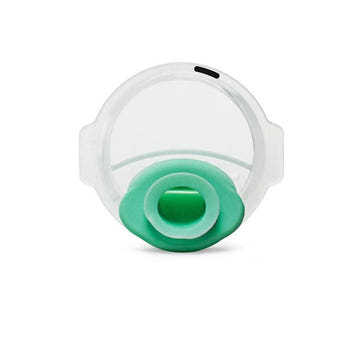
Healthy Horizons Breastfeeding Centers Elvie Pump Sp...
$16.99
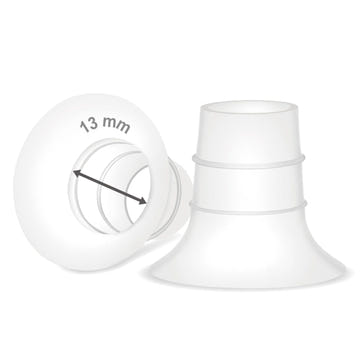
Healthy Horizons Maymom Flange Short Inserts 2 Pack ...
$14.99
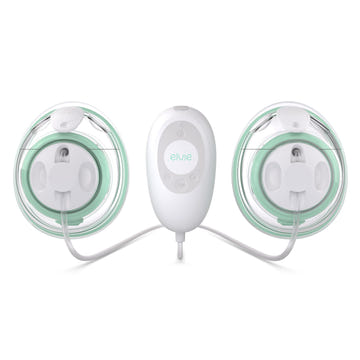
Healthy Horizons Elvie Stride wearable hands-free br...
$189.99
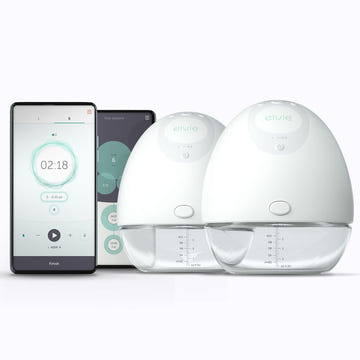
Healthy Horizons Elvie Double Electric Wearable Brea...
$549.99
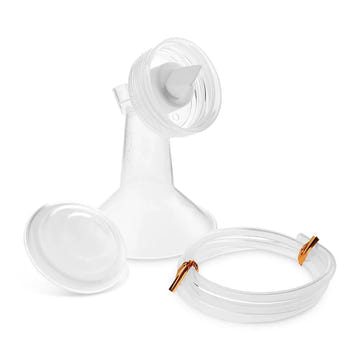
Spectra Wide Neck Breast Flange Kit
$15.99
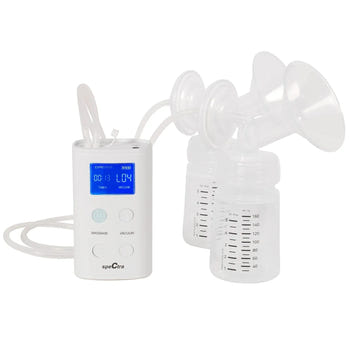
LL Medico Spectra 9 Plus Premier Portable Rechargeab...
$194.00