


Getting your postpartum recovery essentials ready is one of the kindest things you can do for your future self. Think of it less like a shopping list and more like setting up a cozy, healing nest so you have everything you need for comfort and bonding before your little one arrives.
Why a Postpartum Recovery Kit Matters
Welcome, new mama. That "fourth trimester" is a whirlwind—a beautiful, intense time for healing your body and getting to know your newborn. Forget the pressure to "bounce back." This is your time to be gentle with yourself. Having your recovery essentials sorted out ahead of time is just as important as packing your hospital bag.

This idea of truly caring for new mothers is finally getting the attention it deserves. The postpartum care market is booming, recently valued at USD 9.09 billion and expected to more than double by 2031. It shows a powerful shift where moms and healthcare providers are recognizing just how much dedicated recovery support matters.
Healing, comfort, and a little softness
Postpartum care, finally taken seriously
Take $15 off at checkout, applied automatically when you shop through this link.
Shop with READER15 →Free US shipping over $100. Code applies automatically at checkout.
When you have a kit ready to go, you won't be sending someone on a frantic late-night pharmacy run when you're exhausted and sore. It’s all about creating a little healing sanctuary for yourself, so you can focus on what’s most important: you and your baby.
A Holistic Approach to Healing
A good recovery plan looks at the whole picture—your physical healing and your emotional well-being. This infographic breaks it down nicely, showing you how to organize your essentials into a complete care system.
As you can see, a truly comprehensive kit goes way beyond just pads and witch hazel. It's about bringing together everything that supports both your body and your mind, laying the groundwork for you to feel whole again.
Your journey will be uniquely yours. Whether you have a vaginal birth or a C-section, planning ahead gives you the power to handle the postpartum period with more confidence and a lot less stress.
Your body just performed a miracle, and healing is not a race. Giving yourself the tools to recover comfortably is one of the greatest gifts you can offer yourself and your new family.
To help you get started, we've organized everything into a simple checklist below. It's a quick way to see what you might need at a glance. For an even more detailed list, you can explore our complete guide to postpartum must-haves for mom.
Quick-Glance Postpartum Essentials Checklist
Here’s a simple table to help you quickly identify what you need for each area of your recovery. Think of it as your starting point for building the perfect postpartum care package.
| Category | Essential Items | Primary Purpose |
|---|---|---|
| Perineal Care | Peri bottle, witch hazel pads, sitz bath, ice packs, high-waisted underwear | Soothing soreness, reducing swelling, and promoting healing |
| C-Section Recovery | Silicone scar strips, high-waisted underwear, gentle soap, step stool | Protecting the incision, minimizing scarring, and easing movement |
| Breastfeeding/Pumping | Nipple cream, nursing pads, comfortable nursing bras, breast pump | Soothing soreness, managing leaks, and supporting milk supply |
| Comfort & Self-Care | Comfortable loungewear, hydrating water bottle, favorite snacks, lip balm | Promoting rest, hydration, and emotional well-being |
| Household Support | Pre-made meals, paper plates, help from friends/family, a cozy blanket | Reducing daily chores and allowing you to focus on recovery |
This checklist gives you a solid foundation. Remember to tailor it to your specific needs and birth plan—what matters most is that you feel prepared and supported.
Your Hospital Stay & The First 48 Hours
Those first two days after your baby arrives are a whirlwind. It's a surreal mix of newborn cuddles, wild hormone shifts, and your body starting the incredible process of healing. The hospital will have the basics, of course, but bringing your own little "care package" is one of the best things you can do for yourself.
Think of it as a small bag packed with comfort and dignity for this beautifully tender time.
This bag of postpartum essentials is all about you. Having your favorite, most comfortable things on hand means you won't have to rely on standard-issue hospital gear, which can go a long way in helping you feel more human and cared for.
Perineal Care Must-Haves
Okay, let's talk about what's happening "down there." Whether you had a vaginal birth or a C-section, you'll have postpartum bleeding and will need some very gentle care. The hospital will provide mesh underwear and pads the size of a small boat, but bringing your own can make a huge difference in how comfortable you feel.
Here are the absolute non-negotiables for your perineal care kit:
- Peri Bottle: You’ll get a basic squirt bottle from the hospital, but trust me, an angled-neck version is a game-changer. It makes cleansing yourself after using the bathroom so much easier and helps keep the whole area clean without stinging, especially if you have stitches.
- Witch Hazel Pads: These are little cooling circles of magic. You can lay them right on top of your maternity pad to soothe swelling, hemorrhoids, and general discomfort. Absolute lifesavers.
- Dermoplast or Numbing Spray: A can of this pain-relieving spray gives you instant, cooling relief. Just make sure you grab the blue-cap version—it's specifically made for postpartum care.
Clothing for Comfort and Dignity
Hospital gowns serve a purpose, but they're not exactly cozy. Packing your own soft, practical clothes can give your mood a major boost and help you feel a bit more like yourself. The name of the game is loose, soft, and accessible for both your healing body and for feeding your baby.
Here's what to look for:
- High-Waisted Underwear: Go for soft, dark-colored cotton underwear, and buy them a size or two bigger than you normally wear. The high waist is key—it won't rub against a C-section incision and will be roomy enough to hold those giant maternity pads.
- Nursing-Friendly Pajamas or a Robe: A dark-colored, button-down nightgown or a plush robe makes skin-to-skin time and breastfeeding so much simpler. It’s also perfect for feeling comfortable and covered when visitors pop in or you take a stroll down the hall.
- Cozy Socks or Slippers: Hospital floors are notoriously cold! A pair of non-slip socks or slippers you can easily slide on will keep your feet warm and make those first few trips to the bathroom feel a lot more stable.
For a full rundown, check out our guide on what to pack in your hospital bag for birth. It’s a complete checklist to make sure you’ve got everything for you, your partner, and your new little one.
Picks From This Story
Picks related to this guide, ready to ship from Moogco.
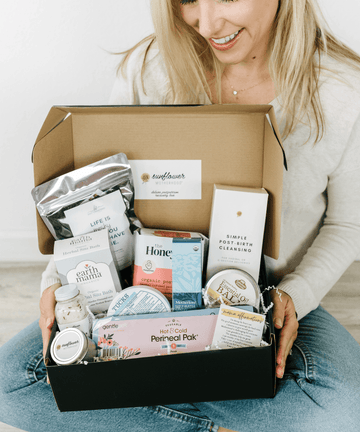
Sunflower Motherhood Deluxe Postpartum Recovery Box ...
$149.00
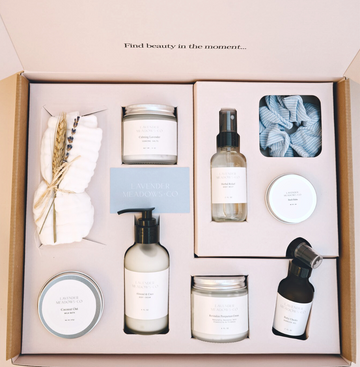
Lavender Meadows Co Postpartum Care Package Deluxe G...
$146.00
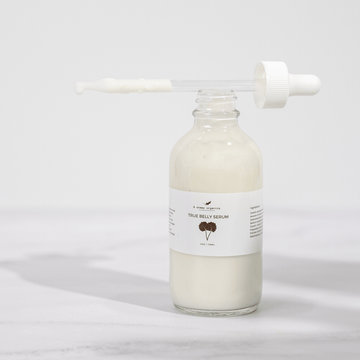
True Belly Serum
$47.00
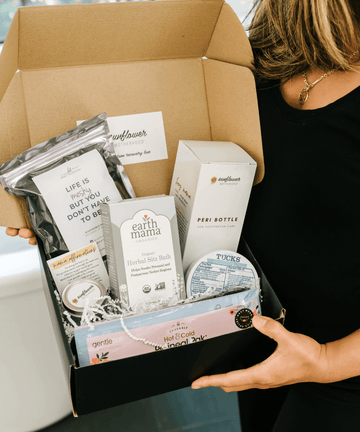
Sunflower Motherhood Postpartum Recovery Box full-si...
$79.00
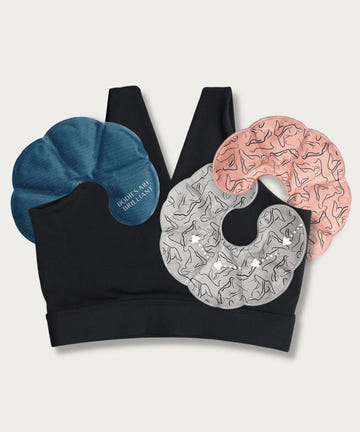
Nyssa FourthWear Postpartum Bralette and Breast Ice ...
$56.00
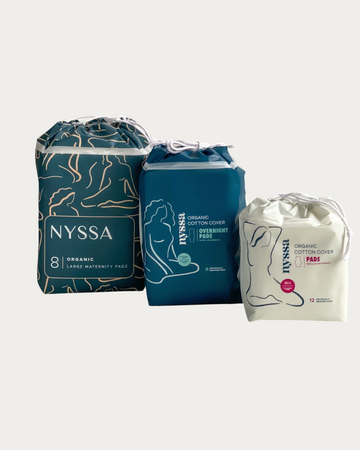
Nyssa Complete Organic Cotton Cover Pads Trio Postpa...
$25.00
Nurturing Your Healing Body at Home
Once you’re finally back in the comfort of your own home, the real, quiet work of recovery begins. This is your chance to turn your space into a personal healing sanctuary, making those first few weeks more about rest and bonding and less about scrambling for supplies. The whole idea is to get ahead of your needs so you can truly, deeply slow down.
And that home recovery period? It's everything. Globally, the long-term health impact of childbirth is a big deal, with at least 40 million women dealing with lasting health issues each year. We're talking about everything from nagging low back pain to urinary incontinence, which really drives home how crucial it is to prioritize your healing right from day one. You can read more about these postpartum health challenges from the World Health Organization to understand just how important this time is.
Creating Your Recovery Stations
Here's a little trick that experienced moms swear by: think of your home as a series of cozy nests. Instead of keeping all your postpartum essentials stashed in one bathroom, set up mini “recovery stations” wherever you'll be spending the most time—next to your bed, on the living room couch, and right beside your favorite feeding chair. It’s a simple move that means you won't have to get up and search for something every single time you need it.
Each station can be a small basket or a rolling cart stocked with everything you need within arm's reach:
- A giant water bottle with a straw: Staying hydrated is non-negotiable for healing, milk production, and keeping your energy up. A straw makes it so much easier to sip while you’re holding or feeding your baby.
- One-handed snacks: You'll be hungry at all hours, trust me. Keep things like granola bars, nuts, dried fruit, or lactation cookies close by for a quick and easy energy boost.
- Your pain relief toolkit: Have your witch hazel pads, perineal spray, and any pain medication (prescribed or over-the-counter) right where you need them, when you need them.
- A few small comforts: Lip balm, hand lotion, your phone charger, and a book or earbuds can make those long sessions of sitting and healing feel much more pleasant.
Soothing Pain and Swelling
The first two weeks are often the most intense, physically speaking. Your body is navigating a storm of hormonal shifts while healing stitches, and having the right tools for pain relief makes an incredible difference. The name of the game is gentle, soothing care.
A sitz bath is one of the most amazing postpartum recovery essentials for perineal healing. It's just a small, shallow basin that fits right over your toilet, letting you soak the area in warm water. This simple act helps increase blood flow, which can speed up healing, calm down swelling, and soothe the discomfort from stitches or hemorrhoids.
Pro Tip: For extra relief, try adding Epsom salts to your sitz bath, but always get the green light from your doctor or midwife first, especially if you have stitches. Just 10–15 minutes a few times a day can feel like a miracle.
On top of warm soaks, perineal cold packs (or "padsicles") are fantastic for immediate relief from swelling and that burning feeling. You can buy them pre-made or easily make your own by spritzing a maternity pad with water and witch hazel, then popping it in the freezer. Alternating between the warmth of a sitz bath and the coolness of an ice pack can give you incredible, round-the-clock comfort. To get a better sense of what's happening with your body during this time, check out our guide on postpartum body changes and how to support recovery.
Caring for Your Incision
For all you C-section mamas, your focus will be on keeping that incision clean, dry, and protected. Follow your doctor's instructions to the letter. Usually, this just means gently washing the area with soap and water and carefully patting it dry—absolutely no scrubbing.
Opt for loose, high-waisted pants and underwear that won’t rub against your incision. Some women find that placing a clean, dry maternity pad over the incision (tucked under their clothes) provides a nice little cushion and protects it from getting irritated. And most importantly, avoid lifting anything heavier than your baby to keep from straining the area. Your body just went through major surgery, and giving it the time and gentle care it needs is the fastest way to heal beautifully.
Finding Your Groove with Feeding
Whether you’re planning to breastfeed, pump, or do a little of both, your feeding journey is uniquely yours. Having the right support system in place doesn’t just make it physically easier—it gives you the confidence to navigate the learning curve and meet your own goals.
Let’s be honest: those first few days of feeding can be intense. From figuring out a good latch to dealing with unexpected soreness, a bit of preparation can truly make all the difference.
Creating Your Feeding Comfort Kit
Think of these essentials as your personal pit crew. They’re the tools that work behind the scenes to ease discomfort, boost your spirits, and make feeding a smoother, more enjoyable experience for both you and your baby.
Here are the absolute must-haves to have on hand:
- Comfortable Nursing Bras: You are going to live in these, so comfort is key. Look for soft, wire-free designs that give you gentle support without being restrictive, and make sure they have easy one-handed clips for quick access.
- Soothing Nipple Creams or Balms: A good lanolin-based or natural balm is a lifesaver. It creates a protective barrier that helps prevent and heal sore, cracked nipples while you and your little one are still getting the hang of things.
- Reusable Nursing Pads: Leaks are just a part of the deal. Soft, washable nursing pads are a wonderful, eco-friendly way to keep your clothes dry and prevent skin irritation.
These items are the foundation of a great feeding setup. For a more detailed list of helpful gear, be sure to check out our complete guide on breastfeeding must-haves.
The Soothing Power of Silver
While creams are great, many moms are looking for a solution that actively helps them heal—without having to be wiped off before every single feeding. This is where Moogco Silver Nursing Cups become a true game-changer.
Crafted from pure 925 silver, these brilliant little cups are designed to make nipple care incredibly simple and effective.
Silver has been known for centuries for its natural antimicrobial and anti-inflammatory properties, which help create the perfect environment for healing. You just pop the cups over your nipples between feedings, and that’s it. The silver gets to work soothing irritation, helping to prevent infection, and repairing sore skin—all naturally.
The magic is in their simplicity. There are no creams to apply or wipe away—just the natural healing power of silver providing continuous relief, which is a huge benefit for a tired new mom.
This simple yet powerful tool has helped countless mothers push through the initial pain that can make breastfeeding feel overwhelming. It’s a perfect example of how the right support can completely transform your experience.
A Mom’s Story: How Silver Cups Saved a Breastfeeding Journey
For so many new moms, the first few tries at breastfeeding can be surprisingly tough. Nipple pain is one of the biggest reasons moms stop breastfeeding sooner than they planned, and Sarah's story is one many can relate to.
A first-time mom, Sarah was committed to breastfeeding but was met with excruciating pain and cracked nipples within the first day. She felt totally defeated and was on the verge of switching to formula. A lactation consultant suggested she try Moogco Silver Nursing Cups, and the difference was immediate.
The natural healing and antimicrobial properties of the 925 silver soothed her skin between feedings. By day two, the pain had lessened dramatically, and the cracking had already started to heal. Sarah went on to breastfeed for over a year, something she’s sure wouldn’t have been possible without discovering this simple, powerful tool in her hospital bag. Her story is a perfect example of how the right essentials don’t just offer comfort—they can empower you to meet your own goals.
Comparing Feeding Needs After Birth
Your birth experience also plays a big role in what you’ll need for feeding in those early days. Finding a comfortable position is key, and that looks a little different depending on whether you had a vaginal or C-section delivery.
Thinking about this ahead of time can help you feel so much more prepared.
Feeding Support Comparison Vaginal vs C-Section Birth
| Recovery Aspect | Vaginal Birth Considerations | C-Section Birth Considerations |
|---|---|---|
| Positioning | Perineal soreness can make sitting upright uncomfortable. The "side-lying" or "laid-back" nursing positions are often your best friends here. | Your abdominal incision will be very tender, so any position that puts pressure on your stomach is a no-go. The "football hold" or using a firm nursing pillow to bring the baby up to your breast level is ideal. |
| Mobility | It’s generally easier to get up and move around, but sitting for long stretches might still be painful at first. | Your mobility will be limited, so you’ll need to bring the baby to you rather than leaning over. A bedside bassinet is an absolute lifesaver for this. |
| Milk Supply | Milk usually comes in 2-5 days after birth. | The physical stress of surgery can sometimes cause a slight delay in your milk coming in. Don’t panic! Frequent nursing attempts and lots of skin-to-skin contact will encourage it along. |
No matter how you give birth, remember to be gentle with yourself. Using pillows to support your back, arms, and baby will help you avoid strain and find a position that works for you both.
Supporting Your Core and Pelvic Floor
Your body just did something amazing. After carrying a baby for nine months and going through labor, your core and pelvic floor muscles have been stretched to their limits. Now, it's time to give them some dedicated, gentle TLC so they can get back to feeling strong and supportive. This part of recovery is all about rebuilding your body's foundation from the inside out—it’s a huge piece of your long-term health.
Think of your core as a natural corset that holds your entire midsection together. Pregnancy puts a lot of strain on this system, and focusing on its recovery is key to preventing things like back pain, poor posture, and even bladder leaks down the road.
Gentle Support with Abdominal Binders
One of the most talked-about postpartum recovery essentials is an abdominal binder or belly wrap. Let's be clear: this isn't about "shrinking" your tummy. It’s about providing gentle, comforting compression and support as your muscles and organs slowly find their way back home.
This extra support can feel like a godsend after a C-section. It helps stabilize your core, making everyday movements like getting out of bed, laughing, or even just walking feel less jarring on your incision. If you had a vaginal birth, a softer, less structured wrap can offer a lovely sense of stability and bring much-needed relief to tired back muscles.
When to Use a Belly Binder
- For C-Section Recovery: A more structured binder is fantastic for supporting the abdominal wall and can help ease pain and swelling around your incision.
- For Vaginal Birth Recovery: Look for a lighter, more flexible wrap. It provides gentle compression that can help your uterus contract and give your lower back a little extra love.
- For Diastasis Recti: Binders can physically help bring separated abdominal muscles closer together, acting as a helpful reminder to engage your core correctly as you move through your day.
It's important to remember that a binder is a temporary tool. It's there to provide comfort and stability in those early weeks, not to replace the real work of rebuilding your strength.
The Power of Pelvic Floor Physical Therapy
While binders give you support from the outside, true healing really happens from within. Your pelvic floor—that hammock of muscles supporting your bladder, uterus, and bowels—has been under incredible strain. It’s extremely common for these muscles to be weak or overly tight after birth.
This is where a pelvic floor physical therapist (PT) can be your best friend. A specialist can assess what’s going on with your body and create a plan to help you:
- Heal diastasis recti (abdominal separation).
- Get a handle on any bladder or bowel leakage.
- Manage pelvic pain or feelings of heaviness.
- Get back to exercise safely and confidently.
Never hesitate to ask your doctor for a referral. Seeking out this kind of specialized care is one of the best things you can do for your long-term health and well-being.
Starting with Safe, Gentle Movement
Once your doctor or midwife gives you the green light, you can start with some very gentle exercises to reconnect with your core. We’re not talking crunches or planks here! Think subtle, foundational movements that wake up those deep muscles.
For a great place to start, check out our guide on postpartum fitness and gentle exercises. These simple moves are designed to rebuild your strength safely, helping you feel more at home in your amazing postpartum body.
More Related Picks
A few more favorites from the same collection.
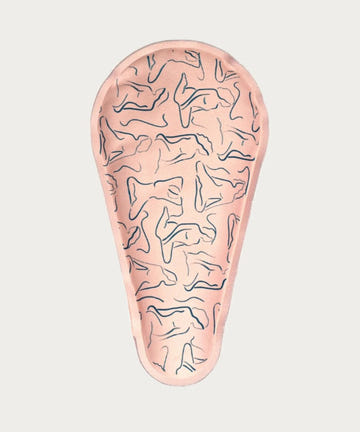
Nyssa Between Legs Perineal Ice Heat Pack for Postpa...
$15.00
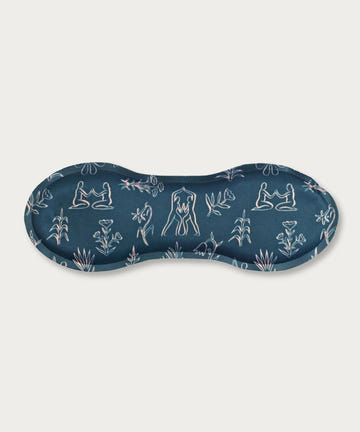
Nyssa Uterine Reusable Ice & Heat Pack contoured for...
$15.00
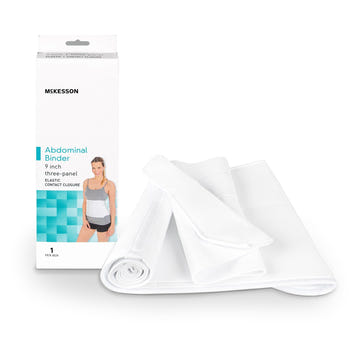
LL Medico McKesson Abdominal Binder Small Medium Whi...
$14.99

WishGarden Herbs Milk Rich Supply Booster pump top b...
$21.59
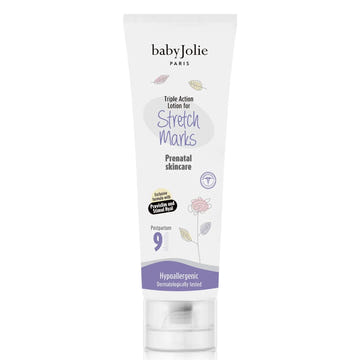
Baby Jolie Paris Triple Action Stretch Marks Cream 7...
$29.99

Sunflower Motherhood Peri Bottle 300 ML with Waterpr...
$15.00
Why Your Mental Health Is the Top Priority
We've covered all the physical stuff—the pads, the sprays, the pillows. But honestly, the most important of all postpartum recovery essentials is you. Your mental and emotional well-being is the bedrock of your entire recovery. The postpartum period, or the "fourth trimester," is an incredibly beautiful, wild, and intense ride, full of joy, exhaustion, and massive hormonal shifts.
It’s so important to see your mental health as something that needs just as much TLC as your healing body. Pushing it to the side simply isn't an option. The statistics are sobering: the postpartum window is a critical time for a new mom's health. Research shows a shocking 52% of pregnancy-related deaths happen between 42 days and one year after birth, often due to cardiovascular issues and mental health struggles. You can discover more insights about this critical window for women's long-term health and why it's so important.
The Baby Blues Versus Something More
You've probably heard about the "baby blues," and for good reason—around 80% of new moms experience them in the first couple of weeks. It can feel like a whirlwind of mood swings, random crying spells, anxiety, and a general sense of being totally overwhelmed. This is completely normal! It’s your body’s reaction to a hormonal rollercoaster and some serious sleep deprivation, and it usually gets better on its own.
But what if it doesn't? If those feelings get more intense, hang around for more than two weeks, or start getting in the way of you caring for yourself or your baby, it might be a sign of postpartum depression (PPD) or postpartum anxiety (PPA).
Important: Asking for help is an act of incredible strength, not a sign of weakness. If you feel like you're struggling, please don't wait. Talk to your doctor, your midwife, or a loved one you trust. You are not alone in this, and there is so much support out there to help you feel like yourself again.
Self-Care Essentials That Don't Come in a Box
Postpartum self-care rarely looks like a bubble bath or a spa day (though if you can get one, go for it!). More often, it looks like radical self-compassion and learning to draw some firm lines in the sand. These are the real essentials for protecting your peace and helping you heal mentally.
Here are a few practices that are truly non-negotiable:
- Accept Help When It's Offered: Seriously. When someone asks what they can do, give them a specific job. "Could you fold that basket of laundry?" "Would you mind bringing over dinner tomorrow?" "Can you hold the baby so I can take a 10-minute shower?" People want to help, so let them.
- Set Boundaries with Visitors: You are not an innkeeper. "no" to visitors or to tell people they can stop by for 30 minutes at a specific time. Your job is to rest and bond with your baby, not to entertain guests.
- Find Five Minutes of Solitude: Even five minutes alone can feel like a vacation. Step outside and breathe in some fresh air, put on headphones and listen to one favorite song, or just lock yourself in the bathroom and sit in silence. It can do wonders to reset your nervous system.
- Lower Your Expectations: The house is going to be a mess. You might live in pajamas for a week. That's okay. The only things that truly matter right now are feeding yourself, feeding your baby, and sleeping whenever humanly possible.
Taking care of your mental well-being isn't a luxury—it's an absolute necessity.
Got Questions? We've Got Answers.
Stepping into postpartum recovery can feel a bit like you’ve been handed a map to a new country, written in a language you don't quite speak yet. It's totally normal to have questions! Let's clear up some of the most common ones new moms have.
How Much of Everything Do I Actually Need to Buy?
This is a great question, and the last thing you want is to be running out of supplies at 2 a.m. A good rule of thumb is to have a solid two-week supply of your core essentials ready to go before the baby arrives.
For things you’ll go through quickly, like heavy-duty maternity pads or disposable underwear, plan on changing them every four to six hours at first. For soothing items like a perineal spray or witch hazel pads, one bottle or container is usually enough to get you through that initial, most intense healing phase. You'll quickly figure out what's working best for you, and you can always re-order your favorites later.
Does It Matter if I Had a Vaginal Birth or a C-Section?
Absolutely. While some things are universal (hello, comfy PJs and endless snacks!), your most crucial recovery gear will definitely depend on how you gave birth.
- For a Vaginal Birth: Your focus is all about healing "down there." Think of the peri bottle, a soothing sitz bath, and those amazing cold packs (often called "padsicles") as your personal healing dream team.
- For a C-Section Birth: It's all about protecting and caring for your incision. You'll be so grateful for high-waisted underwear that sits well above your scar, a gentle abdominal binder for support, and anything that helps you avoid bending over too much.
When Can I Finally Stop Using All This Stuff?
Your body will give you the best clues, as everyone's healing journey looks a little different.
You can probably say goodbye to the peri bottle once peeing doesn't sting anymore (a truly glorious day!). As for the postpartum bleeding, known as lochia, it can stick around for up to six weeks. You’ll need pads for as long as it lasts, but you'll get to graduate from the bulky maternity ones to lighter panty liners as things taper off.
The most important thing? Always listen to your doctor's guidance. If anything feels off or you're worried about how you're healing, don't ever hesitate to give them a call.
At Moogco Baby, we're all about supporting you through the real, raw, and beautiful journey of motherhood. We've been there, and we've handpicked the essentials that truly help, from soothing your body to making feeding time just a little bit easier.
Explore our collection of mom and baby essentials at Moogco Baby
Bring this guide home with $15 off.
Use code READER15 for $15 off →
Featured pick from Moogco
High-Waisted Postpartum Underwear Pack | Assorted Neutrals
$36.90
Shop this pick → Frequently Asked Questions
Can I Start Preparing My Postpartum Kit Before My Third Trimester?
Absolutely! In fact, gathering your postpartum essentials during your second trimester is a great way to stay ahead and stress-free. That way, by the time you hit the third trimester and feel more tired, everything is already sorted and ready to go. You can always adjust or add items as your due date gets closer based on how you're feeling.
What If I Don't Know Whether I'll Breastfeed or Formula Feed Yet?
That's totally okay, and you're not alone in that uncertainty. It's smart to have a few basics on hand for both options, like nipple cream and nursing pads, plus a couple of bottles and formula samples. Once your baby arrives and you see what feels right for you, you can easily add what you need. Keep your options open and be kind to yourself as you figure it out.
Should I Buy Postpartum Supplies Before or After the Baby Comes?
Definitely before. The last thing you want is to send someone on a middle-of-the-night pharmacy run when you're exhausted, sore, and trying to bond with your newborn. Stock up on your core essentials at least a few weeks before your due date so everything is ready and waiting when you come home. You can always order more later if needed.
Is It Normal to Still Need Postpartum Supplies After Six Weeks?
Yes, completely normal! While the six-week mark is often called the end of the postpartum period, many moms continue to experience bleeding, soreness, or healing well beyond that. Every body heals on its own timeline. If you're still using pads, soothing sprays, or scar care products after six weeks, that's okay and nothing to worry about.
Can I Use Regular Pads Instead of Maternity Pads?
You can, but maternity pads are really designed for the heavier postpartum bleeding and are longer, softer, and more absorbent than regular pads. They also tend to be gentler on sensitive, healing skin. If you're in a pinch, overnight pads can work in the later weeks, but for those first days and weeks, maternity pads will make you much more comfortable.
Do I Need a Sitz Bath If I Had a C-Section?
While sitz baths are most commonly recommended for perineal healing after a vaginal birth, they can still be soothing if you're dealing with hemorrhoids or general pelvic discomfort after a C-section. They're not essential for incision care, but many moms find the warm water incredibly relaxing. Listen to your body and use what feels good to you.
How Do I Know If I'm Buying Too Much or Not Enough?
Start with the basics in moderate amounts, like one or two packs of maternity pads, a peri bottle, and a tube of nipple cream. You can always order more online or ask a partner or friend to pick up extras as you go. It's better to start with the essentials and add as needed than to overwhelm yourself with a mountain of supplies you may not use.
Can My Partner or Support Person Help Me Set Up Recovery Stations?
Yes, and they absolutely should! Setting up recovery stations together before the baby arrives is a wonderful way for your support person to get involved and understand how they can help you in those early days. Walk them through what you need and where, so they can restock supplies, bring you water, or grab whatever you need without you having to ask every time.
From Moogco Studio
Printable and personalized nursery essentials. Designed by moms for moms.


About the Editor
Eda Ulger is a co-founder of Moogco Baby, the editor of the Moogco Baby Journal, and a mom of two. She curates and edits our guides so every piece is honest, practical, and genuinely helpful for the early days of motherhood.
Shop This Story
Picks related to this guide, ready to ship from Moogco.
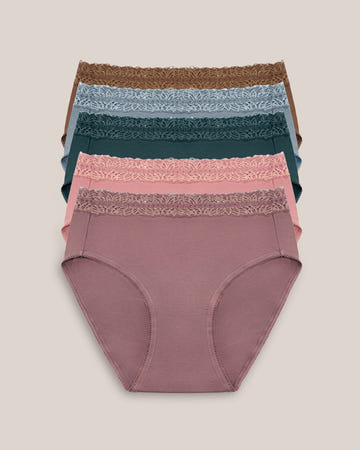
Kindred Bravely High-Waisted Postpartum Underwear Pa...
$36.90
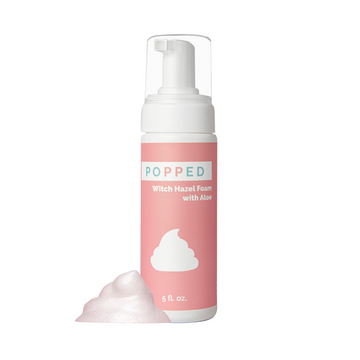
Popped Witch Hazel Foam with Aloe 5 fl oz Postpartum...
$12.99
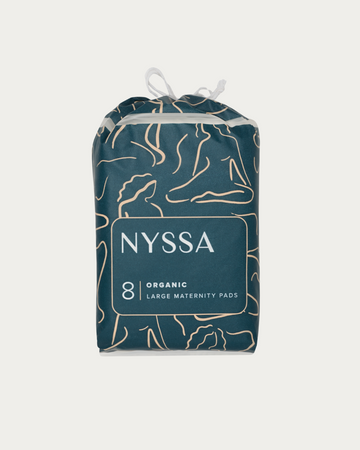
Nyssa Complete Coverage Organic Cotton Postpartum Pa...
$9.00

Nyssa Classic Black Essential Postpartum Kit 8-piece
$150.00
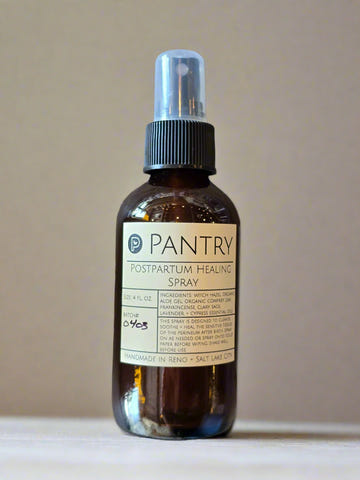
Postpartum Healing Spray - Perineum Recovery
$17.00
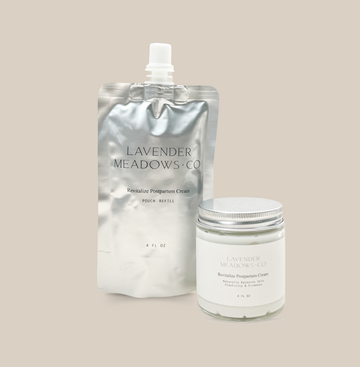
Lavender Meadows Co Revitalize Postpartum Cream Refi...
$30.00
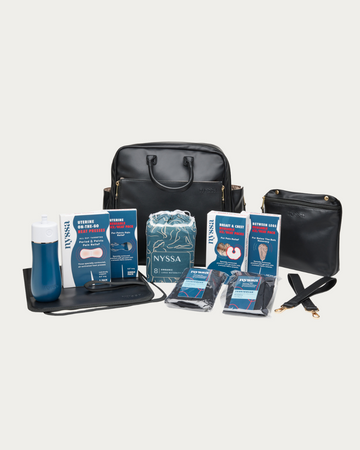
Nyssa Mother Bag + Essential Postpartum Kit Vegan Le...
$210.00
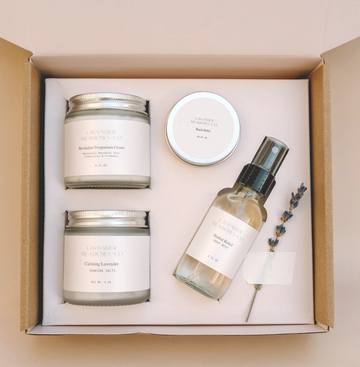
Lavender Meadows Co Postpartum Care Package organic ...
$70.00
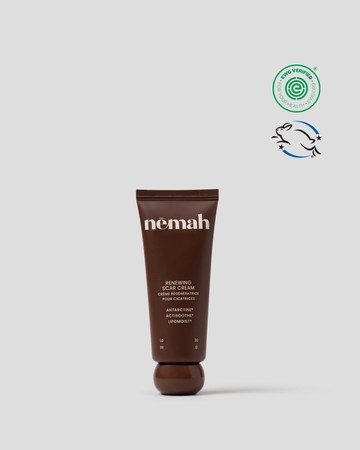
Nēmah Renewing Scar Cream for Pregnancy Breastfeedin...
$34.00
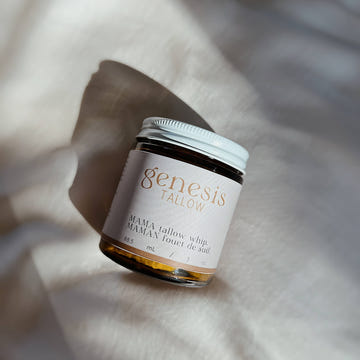
Hello Postpartum All-Natural Whipped Tallow Belly Bu...
$40.00