


When you're getting ready for breastfeeding, the essentials are all about making things comfortable and convenient for you. Think comfy nursing bras, a dependable breast pump, and some good old nipple cream. These items are the real MVPs—they create the foundation for a smoother, more enjoyable nursing and pumping journey for both you and your little one.
Your Quick-Start Breastfeeding Checklist
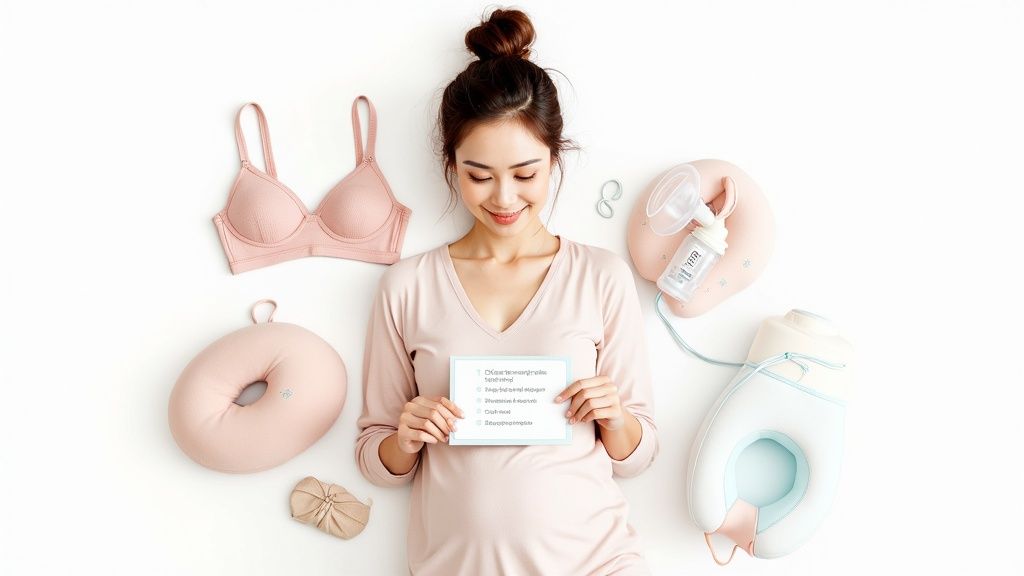

Welcome to the wild and wonderful world of breastfeeding! It’s easy to feel a little dizzy with all the baby products out there, but trust me, getting ready for this part of your journey doesn't need to be stressful. We're here to help you tune out the noise and focus on what you really need.
Curated by moms, vetted by lactation pros
Everything for the breastfeeding journey
Take 15% off at checkout, applied automatically when you shop through this link.
Shop with HAPPYSPRING →Free US shipping over $100. Code applies automatically at checkout.
Consider this your starter kit. This is the gear that will have your back from that very first latch in the hospital to figuring out your groove back at home. Having the right tools isn't just about physical comfort; it's a huge confidence booster, too.
That support is crucial. The World Health Organization champions exclusive breastfeeding as one of the best ways to keep infants healthy, yet only 38% of babies worldwide are exclusively breastfed for the first six months. This gap shows just how much moms need solid support systems in place. If you're curious about the data, you can explore the full WHO report on global health targets.
To make things super simple, we've laid out the must-haves in a handy table below. It gives you a quick snapshot of what you need and why, so you can feel ready from day one.
Quick-Glance Breastfeeding Essentials
The table below breaks down the key items, what they do, and when you'll find them most helpful. This list is laser-focused on breastfeeding, but don't forget to check out our complete guide on baby registry must haves for a bigger picture of all the gear your newborn will need.
| Item Category | Primary Purpose | When You'll Need It Most |
|---|---|---|
| Nursing Apparel | Gives you easy, discreet access for feeding while keeping you comfortable. | From birth onward, but especially during those first few weeks. |
| Breast Pump | Lets you express milk to build a supply or so a partner can help with feeds. | When returning to work, sharing feeding duties, or relieving engorgement. |
| Milk Storage | Safely stores your liquid gold in the fridge or freezer for later. | Anytime you're pumping and building a milk stash. |
| Nipple Care | Soothes and protects sore or cracked nipples as you and baby get the hang of it. | The first few weeks of breastfeeding are the most common time for discomfort. |
| Feeding Accessories | Helps with comfortable positioning and managing any pesky leaks. | Throughout your entire breastfeeding journey. |
By zeroing in on these core categories, you’re not just buying stuff—you’re building a support system for yourself. It’s all about being proactive and setting yourself up for a positive, rewarding experience with your baby.
Picks From This Story
Picks related to this guide, ready to ship from Moogco.
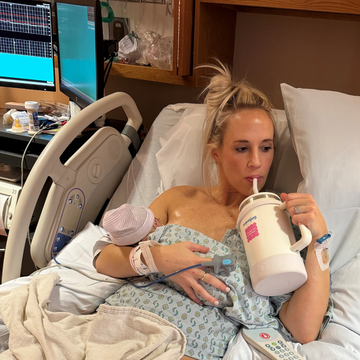
momjug breastfeeding water bottle 50oz double-wall s...
$49.99
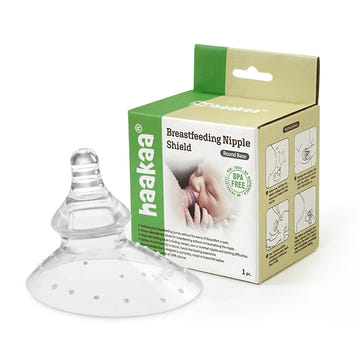
Haakaa Silicone Breastfeeding Nipple Shield Round Sh...
$19.05
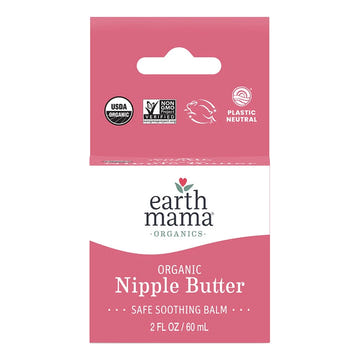
Organic Nipple Butter™ - Double-Sided for Kids
$14.99
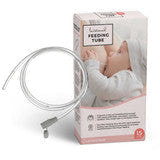
Bae & Bee Boutique LactTube 5FR Pediatric Feeding Tu...
$3.00
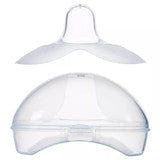
Bae & Bee Boutique Cherry Shaped Nipple Shield 21mm ...
$14.00
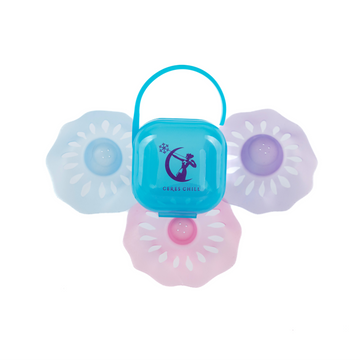
Ceres Chill Shield Maiden Nipple Shields 2pc or 3pc ...
$14.50
Building Your Foundation of Comfort and Support
When you're feeding a newborn around the clock, your own comfort can easily fall to the bottom of the list. But trust me, it's one of the most important breastfeeding must haves. Think of this gear as your personal support system, built to make those endless feeding and pumping sessions feel less like a chore and more like a special time to bond.
Putting your own comfort first isn't selfish; it's essential. The right gear helps you avoid the aches and pains that creep in from hunching over or holding your baby in an awkward position. Your back, neck, and arms will definitely thank you for making this a priority right from the start.
Finding Your Perfect Nursing Bra
A good nursing bra is so much more than a piece of lingerie with clips. It's a workhorse that supports your constantly changing breast size, helps prevent pesky clogged ducts, and, honestly, just makes you feel a little more human. Your old pre-pregnancy bras simply won't be able to keep up. Most moms quickly realize they need a small rotation of different styles to get through the week.
Here’s a look at the types you'll want to have on hand:
- Sleep Bras: Forget underwire. You need something soft, stretchy, and comfortable enough to sleep in. These offer just enough support to hold nursing pads in place and keep you comfortable through the night.
- Everyday Bras: For running errands or just living your life, you’ll want a bit more structure. Look for wide, supportive straps, breathable fabric like cotton, and—most importantly—nursing clips you can easily unlatch with one hand.
- Hands-Free Pumping Bras: This is an absolute game-changer if you plan on pumping. This style holds the pump flanges securely against your body, freeing up your hands to type, read a book, or just scroll through your phone.
Figuring out the right fit and style can feel a little overwhelming at first. To help, our guide on choosing the right nursing bra walks you through everything you need to know to find the perfect match.
The Power of a Great Nursing Pillow
Picture this: you're holding a tiny, eight-pound weight in your arms for 30 minutes at a time, up to 12 times a day. That's pretty much what breastfeeding is! A nursing pillow is specifically designed to lift your baby up to the right height, giving your arms, back, and shoulders a much-needed break.
It's a simple idea, but the impact is huge. Instead of leaning down to your baby, the pillow brings your baby up to you. This tiny adjustment helps your little one get a better latch and makes the whole experience way more relaxed for both of you.
A nursing pillow isn’t just a comfy cushion; it’s an ergonomic tool. It helps you maintain good posture, which is crucial for preventing the back and neck pain so many new moms struggle with.
The best part? Many of these pillows stick around long after the newborn phase. You can use them to prop your baby up for tummy time or as a support bumper when they're learning to sit up on their own, making it a great long-term investment.
Dressing for Easy Access and Confidence
Beyond bras, having a few nursing-friendly tops and dresses can make a massive difference, especially when you're out and about or have visitors over. These clothes are thoughtfully designed with discreet openings like hidden zippers, side-access panels, or simple crossover necklines that pull down easily.
This kind of clever design means you don't have to lift your whole shirt or fumble with layers, helping you feel more covered and confident. My advice? Stick with soft, machine-washable fabrics that can stand up to the inevitable spit-up and milk leaks.
The goal isn't to replace your whole wardrobe, but to build a small collection of comfortable, functional pieces that make you feel good. When you feel supported and at ease, it's so much easier to focus on what really matters—nurturing your new baby.
Mastering Milk Expression and Storage
A breast pump can be one of the most empowering breastfeeding must haves in your entire toolkit. Seriously, it’s a game-changer. It offers incredible freedom, letting your partner share in feeding duties (hello, extra sleep!), giving you a much-needed break, and making the idea of returning to work feel so much more doable. Think of it as your secret weapon for flexibility.
But let's be real—choosing a pump can feel like navigating a whole new world. Don't worry, it's simpler than it looks. The goal is to find one that just clicks with your lifestyle, whether you plan to pump daily to build a freezer stash or just occasionally for a date night.
This whole process is deeply personal, and having the right support makes all the difference. Unfortunately, a lot of health systems fall short here. Globally, only one in five countries provides solid infant feeding training for doctors and nurses. This gap often leaves new moms without the expert guidance they need right after birth, making supportive care feel out of reach. You can read more about these global health initiatives and the push for better maternity support worldwide.
Choosing Your Perfect Breast Pump
First things first, let's break down the different kinds of pumps out there. Each is designed for a slightly different purpose, and knowing the pros and cons will point you toward the right one for your unique situation.
- Manual Pumps: These are simple, hand-operated devices. They're super lightweight, portable, and amazing for occasional use or for quickly relieving painful engorgement. Since they don't need electricity, they're perfect to toss in your diaper bag for emergencies.
- Electric Pumps: This is the workhorse category. Double electric pumps are incredibly efficient, letting you pump from both breasts at the same time, which is a great way to boost your milk supply. They're the go-to for moms who pump regularly, especially if you're heading back to work.
- Wearable Pumps: These are the new kids on the block, and they're pretty cool. Wearable pumps have small, quiet motors that fit right inside your bra, offering total discretion and hands-free convenience. They are a dream for multitasking moms who need to pump on the go without being tethered to a wall outlet.
The infographic below really shows how different comfort-focused items come together to create a supportive breastfeeding bubble.
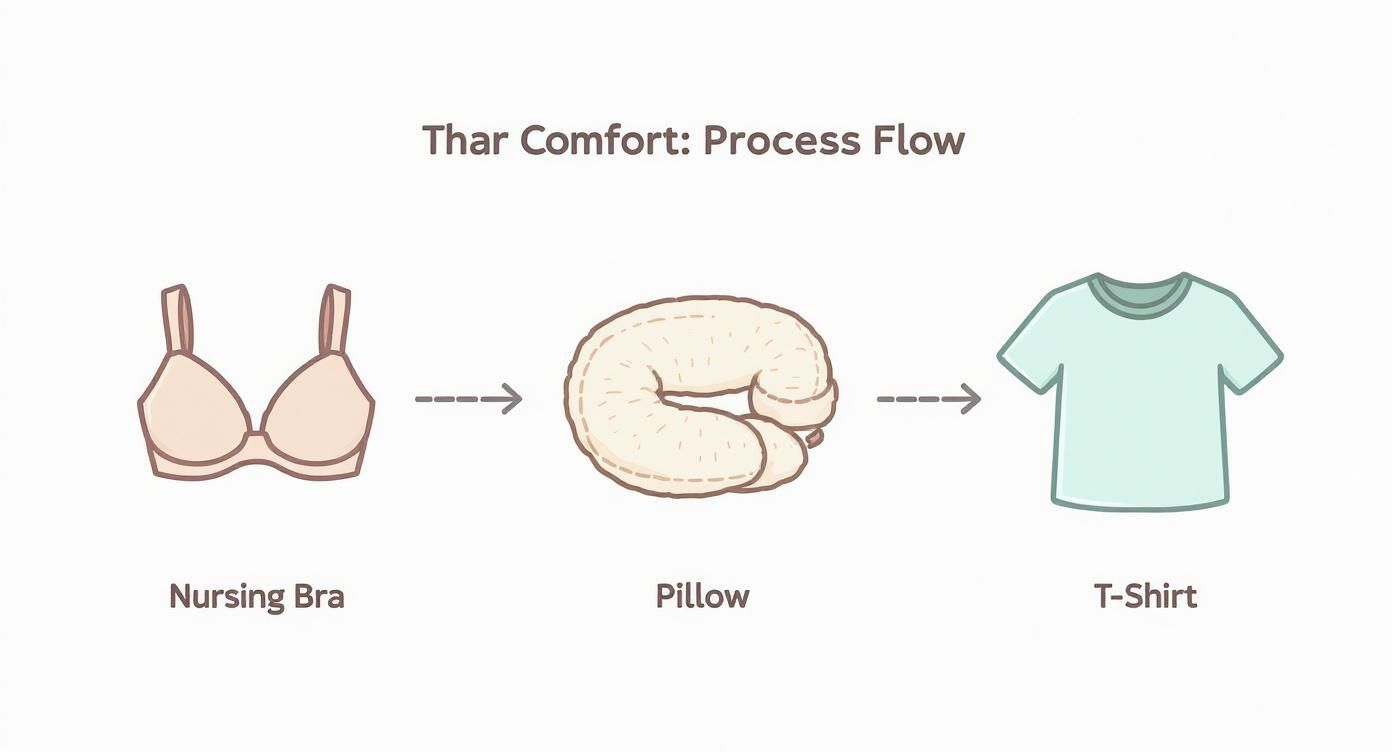
It’s a great visual reminder that comfort isn't just about one thing, but a whole system working together, starting with a good nursing bra and pillow.
Choosing a pump is less about finding the "best" one and more about finding the best one for you. Consider your daily routine, how often you'll pump, and where you'll be. Your lifestyle will point you to the right choice.
Building Your Milk Storage System
Once you start pumping, you'll need a reliable way to store all that precious liquid gold. This isn't just about having containers; it's about creating an organized, safe system to manage your milk stash so not a single drop goes to waste. A good setup empowers you to build a supply with total confidence.
Having the right storage supplies on hand from the get-go makes everything smoother. Here’s what you’ll need:
- Breast Milk Storage Bags: These are the gold standard for freezing milk. They come pre-sterilized, are designed to lie flat to save freezer space, and have a secure zip-top to prevent heartbreaking leaks. Look for bags made from thick, durable plastic.
- Bottles with Lids: For milk you plan to use within a few days, storing it in bottles right in the fridge is often the easiest route. Glass or BPA-free plastic bottles with tight-sealing lids work perfectly.
- A Permanent Marker: Labeling is absolutely non-negotiable. Always write the date (and the amount, if you want!) on every single bag or bottle before it goes into the fridge or freezer. This helps you stick to the "first in, first out" rule.
- A Cooler Bag with Ice Packs: For bringing milk home from work or for when you're out and about, an insulated cooler bag is a must. It keeps your milk at a safe temperature until you can get it to a fridge.
Safe Milk Storage Guidelines
Handling breast milk correctly is so important for your baby's health. The good news is that the process is straightforward once you learn the rules. Think of it just like food safety—a few simple steps make a huge difference in keeping your milk fresh and nutritious for your little one.
Here are the key guidelines for safe storage:
-
Hygiene First: Always, always wash your hands thoroughly with soap and water before you pump or handle breast milk. Make sure all your pump parts and storage containers are clean and completely dry.
-
Label Everything: Grab that permanent marker and clearly label each bag or bottle with the date the milk was expressed. This is your ticket to making sure you use the oldest milk first.
-
Follow Temperature Rules: Breast milk is surprisingly resilient! Freshly expressed milk can stay at room temperature (up to 77°F or 25°C) for up to four hours.
-
Refrigerate or Freeze Promptly: If you won't be using the milk within those four hours, pop it in the fridge or freezer right away. It can be stored in the refrigerator for up to four days and in a standard freezer for about six months.
Trying to remember all the little details of pumping and storing can feel like a lot at first. For a more detailed walkthrough, check out our guide on how to store breast milk—it covers everything from the best thawing techniques to combining milk from different sessions.
More Related Picks
A few more favorites from the same collection.

Holistic Lactation Advanced Lactation Formula 30 Ser...
$34.99
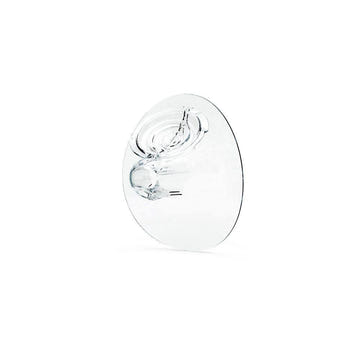
Healthy Horizons Elvie Pump Breast Shields 2 Pack 21...
$29.99

Mila's Keeper Silicone Breast Milk Bottle 6 oz Stand...
$36.00
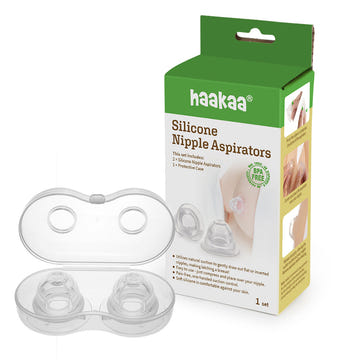
Haakaa Silicone Inverted Nipple Aspirators 2 pk
$17.99
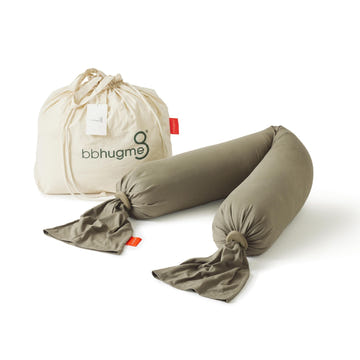
bbhugme Pregnancy Pillow Dusty Olive Adjustable Firm...
$219.00
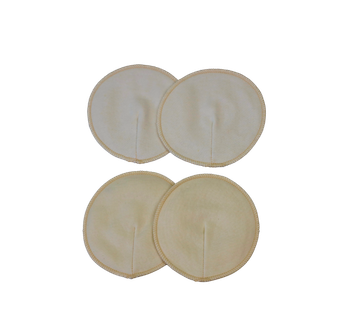
Babee Greens Contoured Nursing Pads 1 Pair Organic C...
$7.25
Your Go-To Toolkit For Nipple Care And Comfort
https://www.youtube.com/embed/gJd0FzYDX5E
Taking care of yourself is just as important as taking care of your new baby. In those early days and weeks, it's completely normal to feel some nipple soreness while you and your little one are still figuring out the perfect latch. This is where having a dedicated personal care toolkit comes in—it's truly one of the most essential breastfeeding must haves.
Think of this as your personal soothing station. It’s a small collection of gentle, effective products designed to give you immediate relief and help your skin heal. This isn’t about just “toughing it out”; it’s about giving your body the support it needs to navigate this learning curve comfortably. A little proactive nipple care can stop minor irritation from turning into a bigger problem, letting you focus on what really matters: bonding with your baby.
Soothing Creams and Cooling Pads
When your nipples feel tender, a good nipple cream or butter can feel like an absolute lifesaver. These products are specifically made to moisturize and protect delicate skin, creating a healing barrier between feeding sessions.
- Lanolin Cream: This is a classic choice for a reason! Lanolin is a powerhouse moisturizer that locks in hydration and protects sore, cracked skin. It's thick, deeply nourishing, and safe for your baby, so there's no need to wipe it off before nursing.
- Nipple Butter: If you prefer a plant-based option, nipple butters are fantastic. They’re often made with soothing ingredients like shea butter, cocoa butter, and olive oil, offering a smooth, natural alternative.
- Hydrogel Pads: These are like a cool drink of water for your skin. For an extra dose of relief, pop these gel pads in the fridge. They provide instant soothing comfort and create a moist environment that helps sore nipples heal faster.
Pro Tip: The best time to apply nipple cream or butter is right after a nursing or pumping session. This gives the product the most time to absorb and work its magic before your next feeding.
To help you decide what might work best for you, here’s a quick comparison of the most common options.
Nipple Care Product Comparison
| Product Type | Best For | Key Features | Application Tips |
|---|---|---|---|
| Lanolin Cream | Deep moisturizing for very sore or cracked nipples. | Thick, occlusive barrier; locks in moisture; safe for baby. | Apply a pea-sized amount after nursing. No need to remove before feeding. |
| Nipple Butter | Soothing relief with natural, plant-based ingredients. | Smooth texture; lanolin-free; often contains healing oils and butters. | Great for daily moisturizing to prevent soreness. |
| Hydrogel Pads | Instant, cooling relief from intense soreness or friction. | Provides a moist healing environment; reusable for up to 24 hours. | Store in the fridge for extra cooling. Place directly on the nipple inside your bra. |
| Silver Cups | Preventing irritation and promoting natural healing. | Naturally antimicrobial; creates a healing environment with breast milk. | Worn between feedings; rinse with water to clean. A great non-cream option. |
Ultimately, the right product is the one that brings you the most comfort. Many moms find that having a couple of different options on hand is the best way to tackle whatever comes their way.
Managing Leaks with Nursing Pads
Leaking is a totally normal part of breastfeeding, especially in the early days as your milk supply gets established. Nursing pads are designed to absorb any unexpected let-downs, keeping your clothes dry and helping you feel more confident and comfortable.
You’ll find two main types of nursing pads, and it’s often helpful to have both on hand for different situations.
- Disposable Pads: These are super convenient, particularly for your hospital bag or when you're out and about. They have a sticky strip to keep them in place, and you can just toss them when they’re full.
- Reusable Pads: Made from soft, absorbent materials like cotton, bamboo, or hemp, these are an eco-friendly and budget-friendly choice. Just toss them in the wash—they even get softer over time.
For a deeper dive into protecting your skin and managing discomfort, our comprehensive guide offers more tips on nipple care during breastfeeding.
When Nipple Shields Might Be an Option
A nipple shield is a thin, flexible silicone tool that you wear over your nipple during breastfeeding. It’s not something every mom needs, but it can be an invaluable tool in specific situations—like helping a baby with a poor latch or protecting extremely sore nipples while they heal.
It's really important to use a nipple shield only with guidance from a lactation consultant. They can make sure you have the right size and are using it correctly, and they'll help you create a plan to eventually wean your baby off the shield once the underlying issue is resolved.
Breastfeeding Confidently Outside Your Home

Life doesn’t stop when you have a baby, and breastfeeding shouldn't chain you to your house. Taking this journey on the road—whether you're just popping out to the grocery store or heading back to the office—is all about having a game plan. With the right gear, feeding your baby anywhere can feel just as comfortable and natural as it does in your favorite glider.
Having the right breastfeeding must-haves for public and work settings isn't just about convenience; it’s your secret weapon for feeling confident and in control. It empowers you to meet your baby’s needs without missing a beat, giving you the freedom to embrace this new chapter to the fullest.
Packing Your On-The-Go Feeding Kit
Think of your diaper bag as your mobile breastfeeding command center. A well-packed bag means you're ready for anything, transforming a potentially stressful "hangry baby" moment into a calm, manageable one.
Here’s what your core feeding kit should include:
- A Nursing Cover: You absolutely have the right to breastfeed anywhere, with or without a cover. But if you prefer a bit of privacy, modern nursing covers are stylish and often double as car seat canopies or light blankets.
- Portable Cooler Bag: This is a non-negotiable for transporting pumped milk. A small insulated bag with a frozen ice pack keeps your liquid gold safe and cool until you get home.
- Extra Nursing Pads: Leaks can happen anytime, anywhere. Tucking a few extra disposable or reusable pads into your bag is always a smart move.
Knowing your rights and feeling comfortable is everything. For more practical advice, check out our guide on breastfeeding in public with confidence boosters.
The Working Mom’s Pumping Bag Checklist
Heading back to work adds a new dimension to your breastfeeding journey. But trust me, having a dedicated pumping bag makes the transition so much smoother. Keeping it packed and ready to go eliminates that morning scramble and the dreaded fear of forgetting a crucial piece. It’s your grab-and-go solution for a successful workday.
A dedicated pumping bag is your professional lifeline. It ensures you have everything needed to maintain your milk supply and provide for your baby, even when you're apart.
Here’s what every working mom should have ready in her pumping bag:
- Your Breast Pump: Don't forget the motor, all the tubing, and both flanges. It sounds obvious, but it happens!
- Milk Collection Bottles or Bags: Always pack more than you think you’ll need for the day.
- Cleaning Supplies: Pump part cleaning wipes are a lifesaver when you don't have access to a sink.
- Permanent Marker: For labeling your milk with the date and time. Future you will be grateful.
- Hands-Free Pumping Bra: This is the key to multitasking. You can answer emails, eat lunch, or just relax during your pump breaks.
Finding Support at Work and in Public
Let's be real: successfully breastfeeding while juggling life and a career often relies on the support systems around you. Broader issues, like paid family leave and accessible lactation rooms, play a huge role in whether mothers can meet their breastfeeding goals. The CDC reported that among infants born in 2019, only 24.9% were exclusively breastfed through six months, which is a bit short of the national targets. This just goes to show how much more societal support is needed for nursing moms.
Knowing your rights is so empowering. Federal law actually requires many employers to provide reasonable break time and a private, non-bathroom space for pumping. Don't be shy about advocating for what you and your baby need to keep your breastfeeding journey going strong.
Of course. Here is the rewritten section, designed to sound like it was written by an experienced human expert.
Your Top Breastfeeding Gear Questions, Answered
Alright, so you’ve got your checklist, but let's be real—the world of baby gear can feel like a whole other language. It’s completely normal to have a few questions still rattling around in your head. Think of this as our little chat over coffee, where we tackle those common "wait, but what about...?" moments.
We'll clear up the confusion about how much stuff you actually need, whether those fancy gadgets are worth the splurge, and what to do when things don't go quite as planned. Let's get you some straightforward answers so you can feel confident and ready.
How Many Nursing Bras Do I Really Need?
This is easily one of the most-asked questions, and the honest answer is: probably a few more than you think, but you definitely don’t need an entire new lingerie drawer. Most veteran moms will tell you that having three to five nursing bras in rotation is the sweet spot. This little system means you can wear one, have one in the wash, and still have a clean one (or two!) ready and waiting.
Here’s a simple way to think about building your starter collection:
- Two Everyday Bras: These are your workhorses. You’ll want something supportive and comfortable with clips you can easily manage one-handed, because you'll quickly become a pro at multitasking.
- Two Sleep Bras: Comfort is everything at night. A soft, stretchy, wire-free bra is perfect for holding nursing pads in place and giving you just enough support to sleep comfortably.
- One Hands-Free Pumping Bra: If you plan on pumping regularly, this isn't just a nice-to-have—it's a game-changer. It holds the pump flanges for you, freeing up your hands to work, scroll, or just relax.
The real pro tip? Start with just a few before your baby arrives. Your breast size can change quite a bit in those first few weeks as your milk comes in, so it's smart to wait until things settle down before buying more.
Are Those Expensive "Smart" Breast Pumps Actually Worth It?
It's hard to miss the ads for those sleek, wearable breast pumps that promise total freedom. They can be an incredible tool, especially for moms who need to pump at work, wrangle other kids, or travel. The ability to just slip a pump into your bra and carry on with your day is a massive win.
But are they a must-have for everyone? Not necessarily.
A traditional double electric pump is often more powerful, which can be really important for establishing and maintaining your milk supply, particularly in the early days. Plus, these workhorse pumps are usually covered by insurance, making them a much friendlier option for your wallet.
Before you make a big investment, think about:
- How often will you really be pumping? If you'll be pumping several times a day while at work, a wearable pump could honestly be a lifesaver.
- What's your budget? "Smart" pumps are pricey. It's always a good idea to see what your insurance will cover first—you might get a top-notch standard pump for free.
- What's the main goal? If you only plan to pump occasionally for a date night or to have a small backup stash, a simple manual pump or a standard electric one will get the job done perfectly without the hefty price tag.
What If My Baby Won't Take a Bottle?
Oh, the frustration is real. You've gone through the effort of pumping, and your little one just flat-out refuses the bottle. This is a super common challenge called "bottle refusal," and it happens a lot with breastfed babies who know and love the real deal. First off, don't panic! You have options.
A great first step is to have someone else offer the bottle. Babies can smell their mom and her milk from a mile away, which can leave them wondering why they aren't getting it straight from the source. A partner, grandparent, or caregiver trying the feed can make all the difference.
If that trick doesn't work, it's time to play detective and experiment a bit.
- Try Different Bottles and Nipples: Some babies are surprisingly picky about the nipple shape and flow. What works for your friend's baby might not work for yours, so it can be worth trying a couple of different brands.
- Check the Milk Temperature: Your baby is used to milk that is perfectly body temperature. Double-check that the bottled milk isn't too cool or too warm.
- Get the Timing Right: Try offering the bottle when your baby is calm and content, not when they're already crying from hunger. A hungry, upset baby is way less likely to try something new.
Can I Reuse Breast Milk Storage Bags?
This is a firm but simple no. Breast milk storage bags are designed and sterilized for one-time use only. Trying to wash and reuse them can introduce harmful bacteria and compromises the plastic, which can lead to heartbreaking tears and leaks.
Think of it this way: you wouldn't reuse a disposable diaper, and the same logic applies here. Once you've used a bag, its sterile environment and the integrity of its seal are gone. For the health of your baby and the safety of your precious liquid gold, it’s just not worth the risk. Always grab a fresh, new bag for every single pumping session.
At Moogco Baby, we know this journey is full of questions, and we're here to support you through every single one. Our curated collection of breastfeeding essentials, from our soothing silver nursing cups to reliable pumps and accessories, is designed to make your experience as smooth and comfortable as possible. Explore our thoughtful selections and find everything you need to feel confident and prepared.
Discover Your Breastfeeding Must-Haves at Moogco Baby
Bring this guide home with 15% off.
Use code HAPPYSPRING for 15% off →
Frequently Asked Questions
When should I buy my nursing bras during pregnancy?
Wait until around 36 weeks of pregnancy to shop for nursing bras, since your breast size can change quite a bit in the final weeks. Some moms prefer to wait until a week or two after birth when their milk comes in and size stabilizes. If you need something earlier, grab one or two affordable sleep bras in a stretchy fabric that can adapt as your body changes.
Do I really need a hands-free pumping bra or can I just hold the flanges?
You can technically hold the flanges yourself, but a hands-free pumping bra is a total sanity-saver if you plan to pump regularly. It frees you up to work on your laptop, eat a snack, or just relax instead of sitting there holding the pump for 20 minutes. If you pump more than a few times a week, the investment absolutely pays off in convenience and comfort.
How do I know if my nursing pillow is the right height?
Your baby should be at breast level without you having to lean down or hunch forward. Your shoulders should stay relaxed, and your baby's head should rest comfortably on the pillow without you straining your arms. If you find yourself constantly adjusting or feeling back pain during feeds, try adding a regular pillow underneath the nursing pillow to boost the height.
Can I use a regular pillow instead of buying a nursing pillow?
Absolutely, lots of moms use a stack of regular bed pillows and do just fine! The advantage of a nursing pillow is that it's shaped to wrap around your waist and stay in place, giving consistent support feed after feed. Regular pillows can shift around and need constant adjusting, but they work in a pinch or if you prefer a more budget-friendly option.
What's the difference between a sleep nursing bra and a regular one?
Sleep nursing bras are made from ultra-soft, stretchy fabrics with no underwire or rigid structure, designed for maximum comfort while you rest. Regular nursing bras offer more support and shaping for daytime wear, often with adjustable straps and firmer bands. You'll likely want both types, since what feels great for sleeping can feel too loose during the day, and vice versa.
How many nursing-friendly outfits should I have in my wardrobe?
Aim for about five to seven nursing-friendly tops so you always have something clean and accessible. You don't need to overhaul your whole closet, just focus on versatile basics like soft tees with crossover necks or button-down shirts. Mix and match with your regular bottoms, and you'll have plenty of comfortable, functional options without breaking the bank.
Are nursing covers necessary or can I skip them?
Nursing covers are totally optional and come down to personal preference. Some moms love the extra privacy and confidence they provide, especially when feeding in public or around extended family. Others find them fussy and prefer nursing in well-designed tops that offer discreet coverage naturally. Try borrowing one first to see if it feels helpful or just gets in the way for you.
Should I get a manual or electric breast pump first?
If you plan to pump regularly or return to work, start with a quality electric pump for efficiency and speed. A manual pump is great as a backup or for occasional use when you just need quick relief from engorgement. Many moms end up with both, the electric for daily sessions and the manual tucked in the diaper bag for emergencies or travel.
From Moogco Studio
Printable and personalized nursery essentials. Designed by moms for moms.


About the Editor
Eda Ulger is a co-founder of Moogco Baby, the editor of the Moogco Baby Journal, and a mom of two. She curates and edits our guides so every piece is honest, practical, and genuinely helpful for the early days of motherhood.
Shop This Story
Picks related to this guide, ready to ship from Moogco.
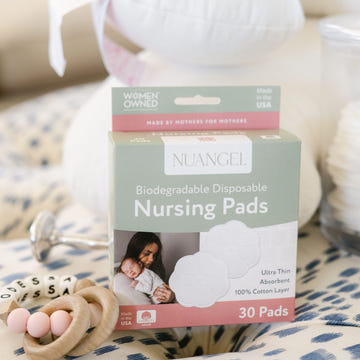
NuAngel Plant-based Disposable Nursing Pads individu...
$9.99
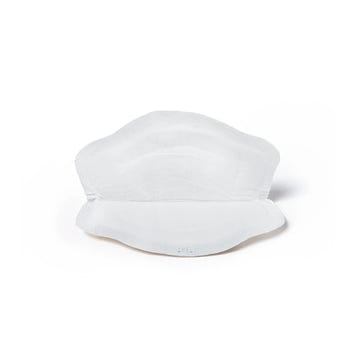
Zomee Breast Pumps Nursing Pads 100 or 200 count
$2.99

WishGarden Herbs Milk Rich Supply Booster pump top b...
$21.59

Wendy Anne Lounger Slip Cover Organic Cotton Waterpr...
$49.00
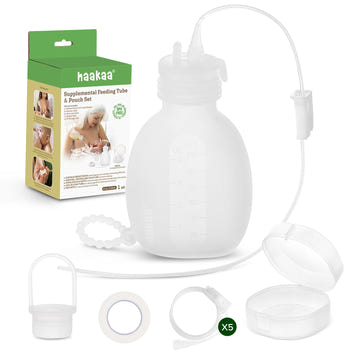
Haakaa Supplemental Feeding Tube and Pouch Set Size ...
$33.99
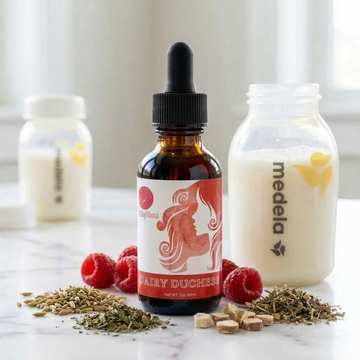
Milky Mama Dairy Duchess Raspberry Breastfeeding Sup...
$27.00
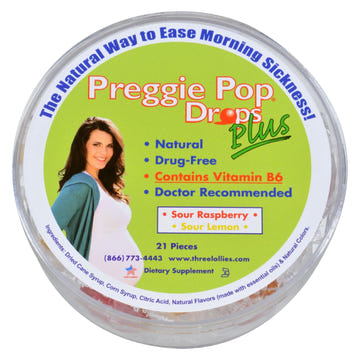
Preggie Drops Plus Morning Sickness Relief Lollies, ...
$13.75
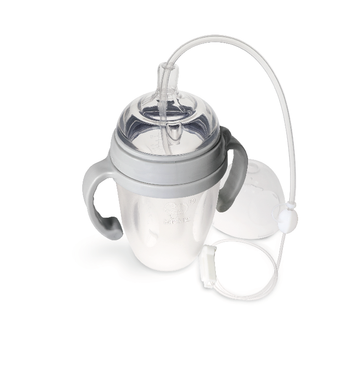
Haakaa Supplemental Feeding Combo 250ml Bottle with ...
$32.99
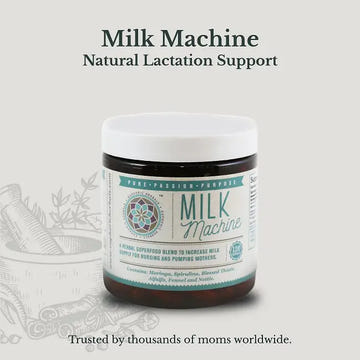
Euphoric Herbals Milk Machine lactation supplement 2...
$19.99
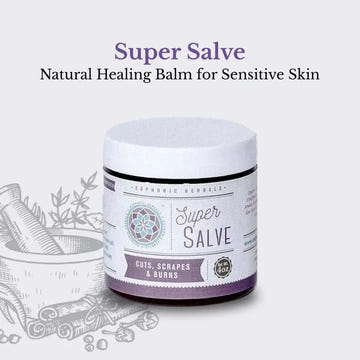
Euphoric Herbals Super Salve Nursing Salve no essent...
$10.00