


Feeding your baby is one of the most important and intimate parts of early parenthood. From breastfeeding and formula to the introduction of solids, every stage requires careful attention to ensure proper nutrition and healthy growth. This guide offers expert-backed advice on how to nourish your baby during their first year.
The Importance of Proper Nutrition in Infancy
During the first year, babies grow rapidly, and their nutritional needs are higher than at any other stage of life. According to the American Academy of Pediatrics (AAP) and the World Health Organization (WHO), breast milk or formula should be the primary source of nutrition for the first 6 months.

✔️ Breast Milk: Contains essential nutrients, antibodies, and enzymes that support immunity and brain development. ✔️ Formula Feeding: Provides balanced nutrition for babies who are not breastfed or require supplementation. ✔️ Solid Foods: Introduced around 6 months to complement, not replace, breast milk or formula.
Curated by moms, vetted by lactation pros
Everything for the breastfeeding journey
Take $15 off at checkout, applied automatically when you shop through this link.
Shop with MAMA15 →Free US shipping over $100. Code applies automatically at checkout.
Dr. Emily Nguyen, Pediatric Nutritionist: “Babies have unique nutritional needs. Introducing a variety of foods gradually helps ensure they receive essential vitamins, minerals, and energy for growth.”
Breastfeeding: Benefits and Challenges
Breastfeeding offers numerous health benefits for both mother and baby. It promotes bonding, provides optimal nutrition, and lowers the risk of infections.
Benefits of Breastfeeding:
✅ Provides antibodies that protect against illnesses. ✅ Promotes healthy weight gain and brain development. ✅ Lowers the risk of allergies and respiratory infections.
Common Challenges:
🔹 Nipple pain and soreness. 🔹 Low milk supply. 🔹 Difficulty with latching.
💡 Solution: Using Moogco Silver Nursing Cups can help relieve sore nipples and prevent infections, making breastfeeding more comfortable.
📌 Get yours today: Moogco Silver Nursing Cups on Amazon.
Picks From This Story
Picks related to this guide, ready to ship from Moogco.
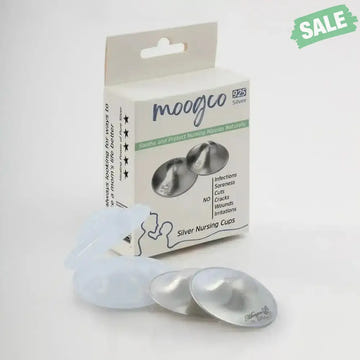
MOOGCO Silver Nursing Cups 925k Silver - Protect Aga...
$34.75
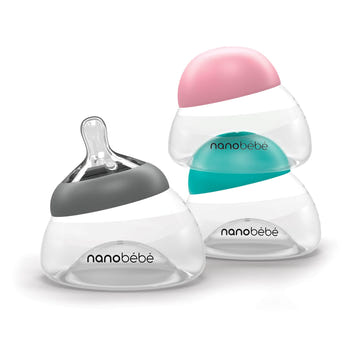
Nanobébé Breastmilk Baby Bottle 5 oz Pack Options Pi...
$16.99
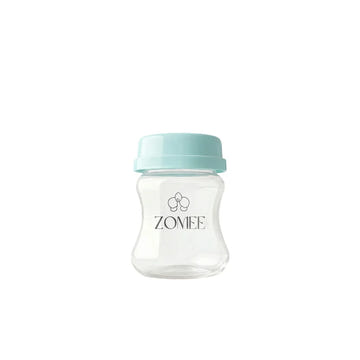
Zomee Breast Pumps Breast Milk Storage Bottles BPA-free
$3.99
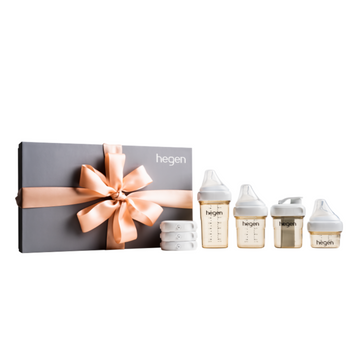
hegen PPSU Essentials Kit 60ml 150ml 240ml baby bottles
$99.99

Healthy Horizons Elvie Stride Diaphragms 2 Pack
$21.99
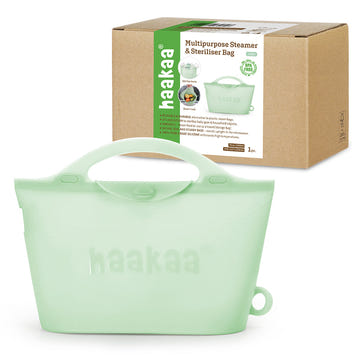
Haakaa Multipurpose Steamer & Sterilizer Bag 3 sizes...
$14.99
Formula Feeding: Nutritional Guidelines
Formula feeding is a safe and effective alternative to breastfeeding. Commercial formulas are designed to closely mimic breast milk, providing essential nutrients for healthy growth.
✔️ Types of Formula: Cow’s milk-based, soy-based, hydrolyzed, and specialized formulas. ✔️ Preparation: Always follow the manufacturer’s instructions for mixing and storage. ✔️ Safety Tips: Use sterilized bottles, avoid reheating formula multiple times, and discard unfinished bottles after an hour.
Dr. Rachel Lee, Pediatric Dietitian: “Choosing the right formula depends on your baby’s unique needs. If you have concerns about allergies or intolerance, consult your pediatrician.”
Introducing Solid Foods: When and How
Babies are usually ready for solid foods around 6 months, when they can sit up with support, show interest in food, and have good head control.
Best First Foods:
✅ Iron-fortified cereals (rice, oatmeal, barley). ✅ Pureed vegetables (sweet potatoes, carrots, peas). ✅ Pureed fruits (bananas, apples, avocados). ✅ Protein-rich foods (chicken, lentils, eggs).
Signs of Readiness:
🔹 Sitting upright with minimal support. 🔹 Loss of tongue-thrust reflex. 🔹 Reaching for or showing interest in food.
💡 Tip: Introduce one new food at a time and wait at least 3 days before introducing another to watch for allergies.
Building Healthy Eating Habits
✔️ Establish a Routine: Feed your baby at consistent times each day. ✔️ Encourage Self-Feeding: Allow babies to explore textures and practice hand-eye coordination. ✔️ Avoid Added Sugar and Salt: Focus on natural, unprocessed foods. ✔️ Stay Patient: Babies may need multiple exposures to accept new foods.
More Related Picks
A few more favorites from the same collection.
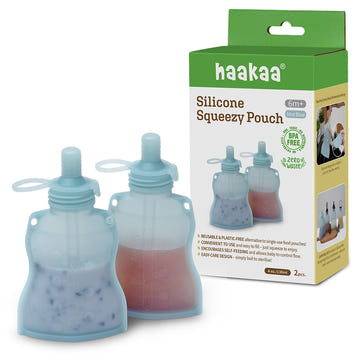
Haakaa Silicone Yummy Pouch 4.5 oz
$13.56
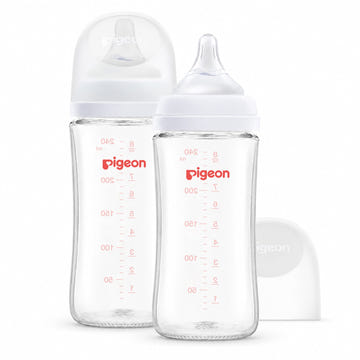
Pigeon Glass Wide Neck Baby Bottle 2-Pack 8.1 oz 3+ ...
$35.99
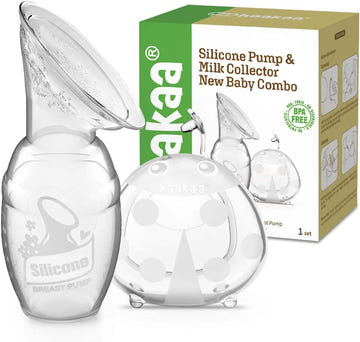
Haakaa Silicone Pump and Ladybug Milk Collector Comb...
$30.32
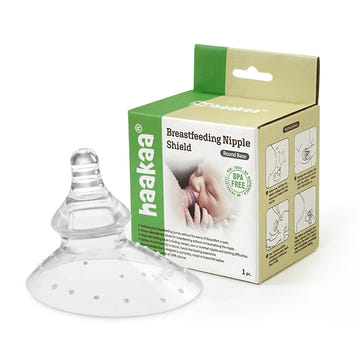
Haakaa Silicone Breastfeeding Nipple Shield Round Sh...
$19.05
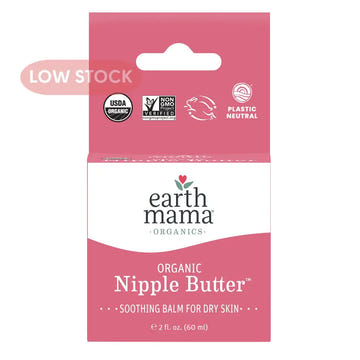
Organic Nipple Butter™ - Double-Sided for Kids
$14.99
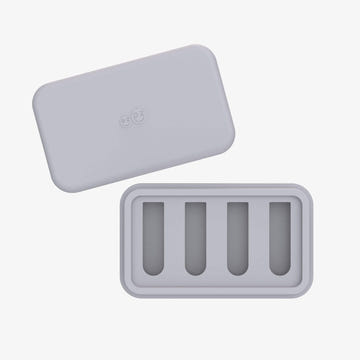
Ice Tray for the Baby-Led™ Gumline Feeder
$9.99
Common Feeding Myths
🔹 Myth: Starting solids early helps babies sleep through the night.
✔️ Fact: Introducing solids before 4-6 months can increase the risk of choking and digestive issues.
🔹 Myth: Babies need juice for vitamins.
✔️ Fact: Breast milk, formula, and whole fruits provide all the necessary nutrients without added sugar.
The Role of Moogco Silver Nursing Cups
Nipple pain from breastfeeding can interfere with feeding sessions. Moogco Silver Nursing Cups help prevent and relieve nipple soreness, ensuring a smoother breastfeeding journey.
📌 Shop now: Moogco Silver Nursing Cups on Amazon.
Final Thoughts: Feeding Your Baby with Confidence
From breastfeeding to the introduction of solids, every stage of feeding requires patience, consistency, and love. Creating a positive mealtime environment helps build healthy eating habits that last a lifetime.
🛒 Find all your baby essentials at Moogco Baby.
Bring this guide home with $15 off.
Use code MAMA15 for $15 off →
Featured pick from Moogco
The Original Silver Nursing Cups with Silicone Pads
$62.90 $74.90
Shop this pick → Frequently Asked Questions
How do I know if my baby is getting enough milk when breastfeeding?
Look for signs like six or more wet diapers per day, consistent weight gain, and satisfied behavior after feedings. Your baby should also have regular bowel movements and appear alert and active when awake. If you have concerns about milk intake, your pediatrician can assess your baby's growth and offer guidance.
Can I mix breast milk and formula in the same bottle?
Yes, you can mix breast milk and formula in the same bottle, but it's best to prepare the formula according to package directions first, then add expressed breast milk. This ensures proper formula concentration and avoids wasting precious breast milk if your baby doesn't finish the bottle. Always use mixed bottles within two hours or refrigerate promptly.
What's the difference between baby-led weaning and traditional purees?
Baby-led weaning involves offering soft, appropriately sized finger foods that babies can self-feed from the start, while traditional weaning begins with smooth purees and gradually advances textures. Both approaches can be successful and are not mutually exclusive. Many parents use a combination, allowing babies to explore self-feeding while also offering spoon-fed foods.
When should I introduce water to my baby?
You can begin offering small amounts of water once your baby starts eating solid foods around 6 months of age. Before 6 months, babies get all the hydration they need from breast milk or formula. Offer water in a sippy cup or open cup with meals, but breast milk or formula should remain the primary source of nutrition and hydration throughout the first year.
How can I tell if my baby has a food allergy versus a food intolerance?
Food allergies typically cause immediate reactions like hives, swelling, vomiting, or difficulty breathing, while intolerances usually result in digestive issues like gas, bloating, or diarrhea that appear hours later. Allergies involve the immune system and can be serious, requiring immediate medical attention. If you suspect either condition, keep a food diary and consult your pediatrician for proper evaluation.
Is it normal for my baby to refuse certain foods multiple times?
Absolutely! Babies often need 10 to 15 exposures to a new food before accepting it. This is a normal part of learning to eat and developing taste preferences. Continue offering rejected foods alongside accepted ones without pressure, and model enjoying those foods yourself. Patience and repeated exposure, not force, help babies develop varied, healthy eating habits.
How much formula should my baby drink at each feeding?
Formula intake varies by age and individual needs, but generally newborns take 2 to 3 ounces per feeding, gradually increasing to 6 to 8 ounces by 6 months. Most babies need about 2.5 ounces of formula per pound of body weight daily, up to 32 ounces maximum. Watch your baby's hunger cues rather than strictly following amounts, and consult your pediatrician if you have concerns about intake or growth.
Should I wake my newborn for feedings, or let them sleep?
In the first few weeks, most pediatricians recommend waking newborns every 2 to 3 hours during the day and every 3 to 4 hours at night until they regain their birth weight. Once your baby is gaining weight well and your pediatrician gives the okay, you can usually let them sleep longer stretches at night. Always follow your doctor's specific guidance based on your baby's growth and health.
From Moogco Studio
Printable and personalized nursery essentials. Designed by moms for moms.


About the Editor
Eda Ulger is the editor at Moogco Baby and a mom of two. She curates and edits our guides so every piece is honest, practical, and genuinely helpful for the early days of motherhood.
Shop This Story
Picks related to this guide, ready to ship from Moogco.
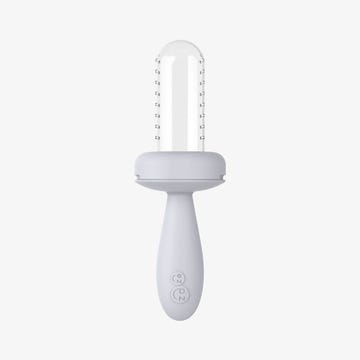
ezpz Baby-Led Gumline Feeder silicone pouch for baby...
$13.99
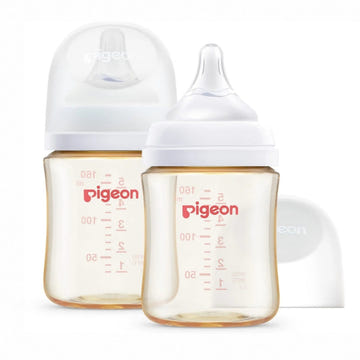
Pigeon PPSU Wide Neck Baby Bottle 2 Pack 5.4 oz Newborn
$34.99
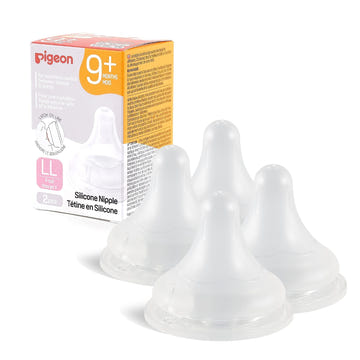
Silicone Nipple (LL), 9+ Months
$21.99
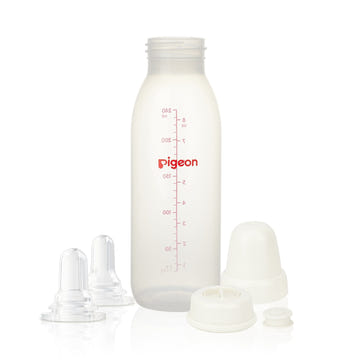
Pigeon Baby Cleft Lip/Palate Bottle 8.11 Oz 2 Nipples
$19.90
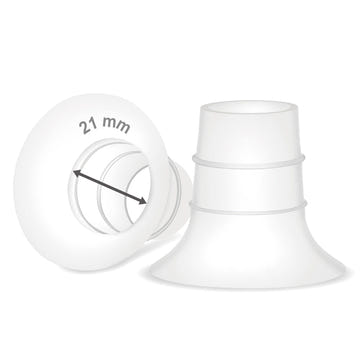
Bae & Bee Boutique Maymom Silicone Medela Flange Ins...
$6.00
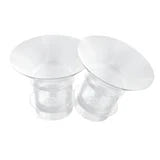
Bae & Bee Boutique Silicone Flange Inserts 10-21mm
$16.00
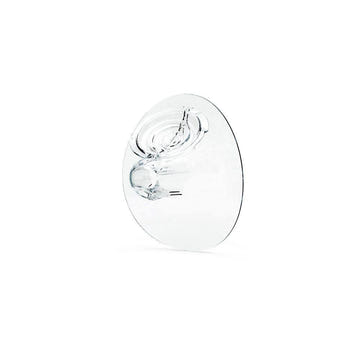
Healthy Horizons Elvie Pump Breast Shields 2 Pack 21...
$29.99
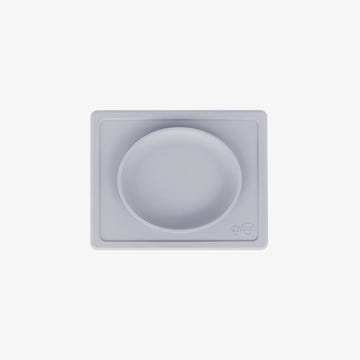
ezpz Tiny Plate open plate for self-feeding and uten...
$18.99
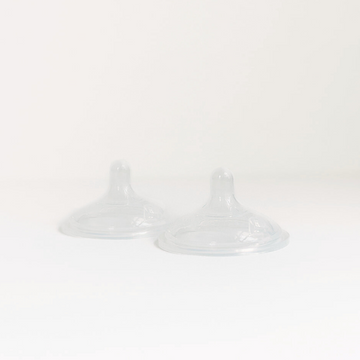
Mason Bottle Silicone Nipples 2 Pack Regular-Mouth B...
$12.99
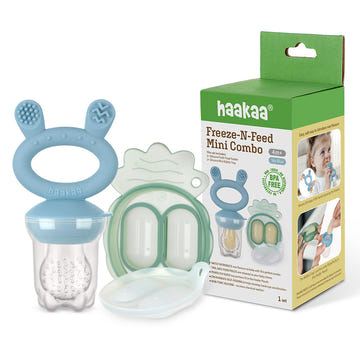
Haakaa Freeze-N-Feed Mini Combo Fresh Food Feeder Set
$19.90