


Accidents can happen in a split second, especially when caring for a baby. While prevention is the best defense, being prepared for emergencies gives you the confidence and ability to respond effectively. This guide outlines essential baby first aid knowledge every parent and caregiver should have.
Dr. Leah Stanton, Pediatric Emergency Physician: “Knowing basic first aid can make a critical difference in an emergency. It’s one of the most empowering tools a parent can have.”
1. Choking: Know How to Respond
Babies explore with their mouths, making choking a top concern—especially as they start solids.

Signs of choking:
✔️ Difficulty breathing or noisy breathing
✔️ Coughing weakly or not at all
✔️ Blue lips or skin
✔️ Inability to cry or make sounds
Free US shipping over $100
Real essentials, picked by real moms
Take 25% off at checkout, applied automatically when you shop through this link.
Shop with READER25 →Free US shipping over $100. Code applies automatically at checkout.
What to do (under 1 year):
✔️ Give 5 back blows between the shoulder blades while baby is face-down on your forearm.
✔️ Follow with 5 chest thrusts using two fingers on the breastbone.
✔️ Repeat until object is dislodged or help arrives.
💡 Tip: Take an infant CPR/first aid class to practice these techniques hands-on.
2. CPR for Infants (Under 1 Year)
In the event of unresponsiveness or no breathing:
- Tap baby’s foot and shout their name.
- If no response, call emergency services.
- Begin chest compressions—use two fingers in the center of the chest, compressing 1.5 inches deep at a rate of 100–120 per minute.
- Give two gentle rescue breaths after every 30 compressions.
Picks From This Story
Picks related to this guide, ready to ship from Moogco.

76.8 Inch Baby Bed Rail with Double Safety Child Lo...
$49.99
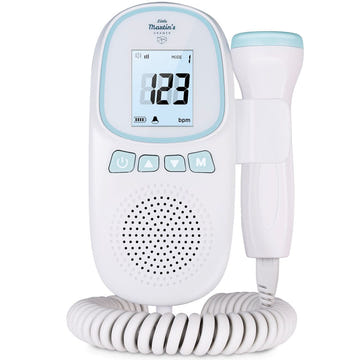
Little Martin's Portable Fetal Doppler USB Rechargea...
$69.99
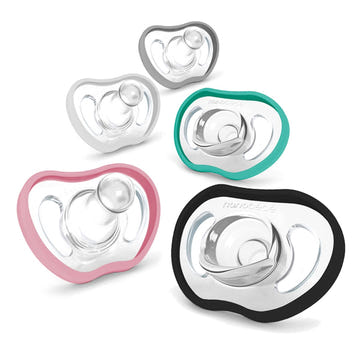
Nanobébé Active Flexy Pacifier 4m+ 4-pack Pink Teal ...
$14.99
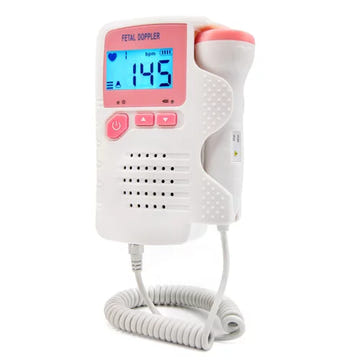
Little Martin's Drawer SpringBud FD-200B Fetal Doppl...
$52.99
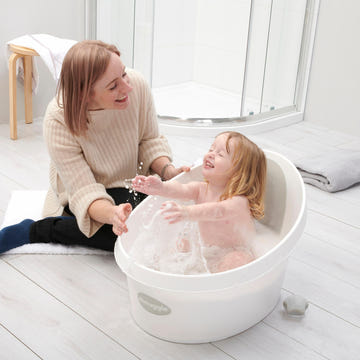
Shnuggle Toddler Bath Tub | Big Bath for bigger kids...
$76.95
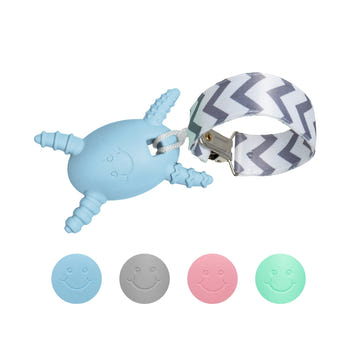
The Teething Egg The Molar Magician baby teether 4 t...
$19.95
3. Burns and Scalds
✔️ Immediately cool the burn with cool (not cold) running water for 10–20 minutes.
✔️ Do not use ice, butter, or creams.
✔️ Cover with a clean, non-stick dressing.
✔️ Seek medical attention for burns on the face, hands, genitals, or large areas.
4. Fever Management
✔️ A fever is usually a sign of infection, not an emergency.
✔️ Monitor baby’s behavior and hydration.
✔️ Use infant-approved fever reducers (e.g., acetaminophen) if directed by a doctor.
✔️ Seek medical help if baby is under 3 months with a fever over 100.4°F (38°C).
5. Bumps and Falls
✔️ Stay calm and check for bleeding, swelling, or loss of consciousness.
✔️ Apply a cold compress to reduce swelling.
✔️ Monitor for vomiting, lethargy, or unusual behavior, and consult your doctor if concerned.
Dr. Aria Mitchell, Pediatrician: “Falls are common, but trust your instincts. If something feels off after a fall, call your provider.”
More Related Picks
A few more favorites from the same collection.
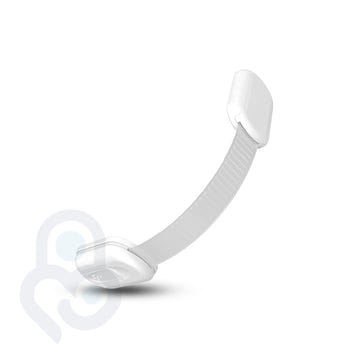
Baby Proof Me Adjustable Safety Strap Lock 3M Adhesi...
$9.95

8 Sheep Organics Juniors Bedtime Lotion deep sea mag...
$23.00
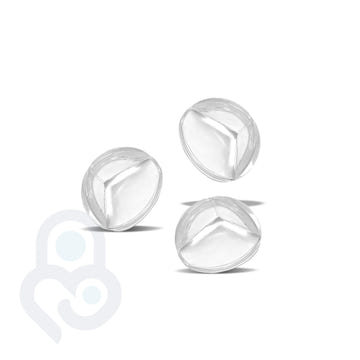
Baby Proof Me Clear Table & Counter Corner Protector...
$9.95
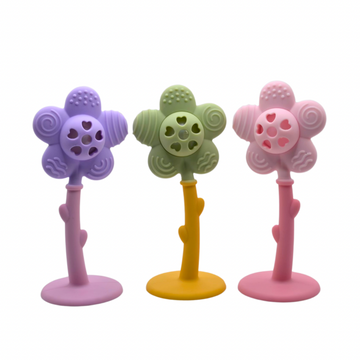
Golden Baby Rattle Teethers food grade silicone for ...
$7.99
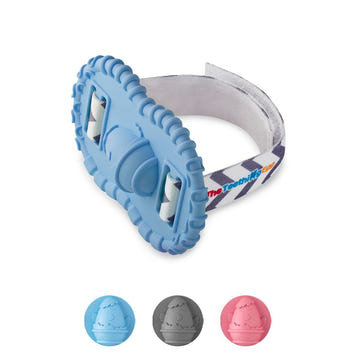
The Teething Egg Wristie Teether for 3-12 Months Adj...
$9.99
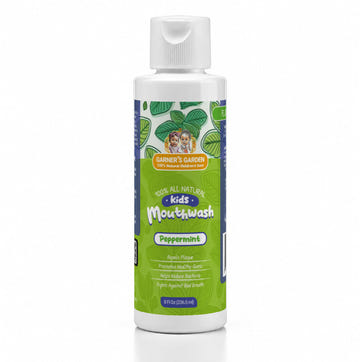
Garner's Garden Kids Natural Mouthwash Fluoride-Free...
$9.00
6. Allergic Reactions
Signs may include: ✔️ Hives or rash
✔️ Swelling of the face or lips
✔️ Vomiting or diarrhea
✔️ Difficulty breathing (call 911 immediately)
Keep track of new foods and products to identify possible allergens. Always have emergency numbers accessible.
Baby First Aid Kit Essentials
✔️ Digital thermometer
✔️ Infant acetaminophen or ibuprofen
✔️ Nasal aspirator
✔️ Saline drops
✔️ Bandages and antiseptic wipes
✔️ Sterile gauze and tape
✔️ Tweezers and nail scissors
✔️ Emergency contact card
The Role of Moogco Silver Nursing Cups
While not part of a first aid kit, Moogco Silver Nursing Cups offer soothing support for nursing mothers recovering from nipple soreness—helping reduce discomfort during one of baby’s most vulnerable times.
📌 Available here: Moogco Silver Nursing Cups on Amazon
Final Thoughts: Prepared, Not Panicked
You don’t need to be a medical expert to keep your baby safe—you just need to be prepared. Learn the basics, trust your instincts, and keep your first aid kit close. Your calm response in a stressful moment can make all the difference.
🛒 Explore trusted baby care tools at Moogco Baby.
Bring this guide home with 25% off.
Use code READER25 for 25% off →
Featured pick from Moogco
MOOGCO Silver Nursing Cups 999k Silver - BPA-Free for Babies & Toddlers
$46.90 $52.90
Shop this pick → Frequently Asked Questions
At what age should I take an infant CPR class?
Ideally, take an infant CPR and first aid class before baby arrives or within the first few months. Many hospitals, fire stations, and community centers offer courses specifically for parents and caregivers. Refreshing your skills every year or two is also recommended as guidelines can change.
How do I know if a bump on the head is serious?
Watch for warning signs like vomiting more than once, severe drowsiness, unequal pupil size, clear fluid from the nose or ears, or loss of consciousness. If your baby seems confused, extremely irritable, or won't stop crying, call your pediatrician immediately. Trust your instincts if something feels wrong.
Can I give my baby water after they choke?
After a choking incident is resolved, wait a bit before offering anything by mouth to ensure baby is breathing normally and calm. Small sips of breast milk or formula are usually better than water for young infants. Always have your baby checked by a doctor after a serious choking episode.
What's the difference between a fever that needs attention and one that doesn't?
For babies under 3 months, any fever of 100.4°F or higher requires immediate medical attention. For older infants, focus on behavior: if baby is eating, playing, and alert, monitor at home. Seek help if fever lasts more than 24 hours, baby is lethargic, or you notice difficulty breathing or a rash.
Should I keep Benadryl in my baby first aid kit?
Always consult your pediatrician before giving any antihistamine to a baby. Many doctors do not recommend Benadryl for infants due to dosing concerns and potential side effects. For allergic reactions, focus on recognizing symptoms early and calling 911 if there's any breathing difficulty or swelling.
How often should I replace items in my baby first aid kit?
Check your kit every six months to replace expired medications, update emergency contact numbers, and restock any used items. Infant dosing changes as baby grows, so ensure medications are age-appropriate. Keep the kit in an easy-to-reach spot that everyone in your household knows about.
Is it normal to feel anxious about baby emergencies?
Absolutely. Most new parents feel worried about handling an emergency, and that's a sign you care deeply. Taking a first aid class, keeping emergency numbers handy, and reviewing basic techniques can help ease anxiety. Remember, staying as calm as possible helps you respond more effectively if something does happen.
What should I do if my baby has a nosebleed?
Gently pinch the soft part of baby's nose and lean them slightly forward to prevent blood from going down the throat. Apply light pressure for about 10 minutes. Nosebleeds in babies are uncommon, so if they happen frequently or won't stop after 20 minutes, contact your pediatrician to rule out other concerns.
From Moogco Studio
Printable and personalized nursery essentials. Designed by moms for moms.


About the Editor
Eda Ulger is the editor at Moogco Baby and a mom of two. She curates and edits our guides so every piece is honest, practical, and genuinely helpful for the early days of motherhood.
Shop This Story
Picks related to this guide, ready to ship from Moogco.
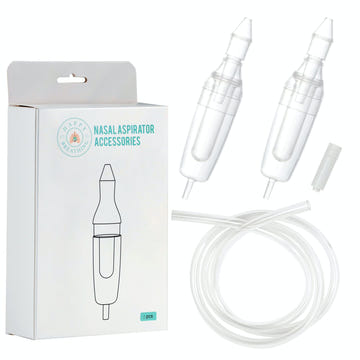
Happy Breathing Suction Replacement Accessories 2 Ti...
$14.99
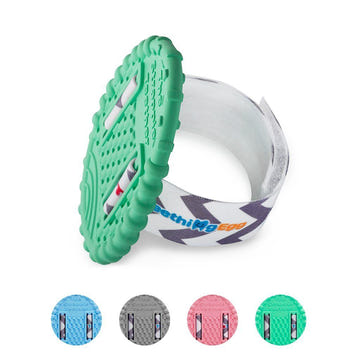
The Teething Egg Strappie Teether for Baby Carriers ...
$9.99

Mushie Linen Pacifier Clip 2-Pack linen clips faux w...
$15.99
Garner's Garden Baby Hair Butter Unscented 100% All-...
$15.00
The Teething Egg®
$19.95
Aquasonic 100 Ultrasound Transmission Gel
$6.99
Shnuggle Baby Bath | Newborn baby bath Support with ...
$59.95
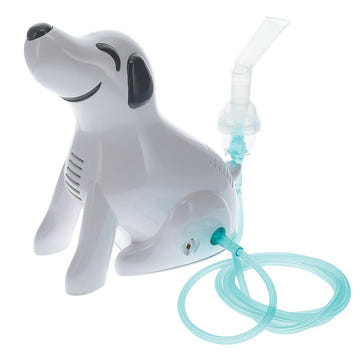
LL Medico BodyMed Pediatric Dog Compressor Nebulizer...
$29.99
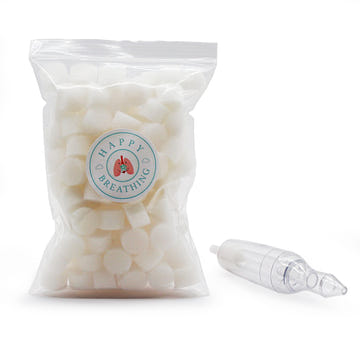
Happy Breathing Replacement Filters 100 Count Foam B...
$9.99

71-Inch Foldable Bed Rail Swing Down Baby Bed Guard ...
$42.99