


What is the best nipple cream for breastfeeding?
Short answer: The best nipple cream is one that is safe if baby ingests traces and needs no wiping before a feed. Lanolin is the most studied option; plant-based balms suit wool allergies. If you are reapplying cream all day and still cracking, silver nursing cups are the usual next step because nothing needs to be washed off.
- Lanolin: most researched, safe to leave on, avoid with wool allergy
- Plant-based balms: lanolin-free, check for added fragrance
- Skip anything with menthol, camphor or numbing agents
- If cracks persist past a week, get a latch check from an IBCLC
- Silver nursing cups are the no-reapply alternative
When you're looking for the best natural nipple cream, you're really looking for two things: effective relief for you and complete safety for your baby. The best ones use a handful of simple, plant-based ingredients like soothing calendula or rich shea butter. A huge plus? You don’t have to worry about washing it off before nursing.
Moms have bought more than 200,000 Moogco silver nursing cups on Amazon, and the question we hear most alongside them is which nipple cream is actually safe to nurse with. Here is the honest answer, ingredient by ingredient.
Why Natural Nipple Cream Is a Breastfeeding Essential
Those first few weeks of breastfeeding are an incredible time for bonding, but let's be honest, they can also be really tough. Nipple soreness is one of the most common hurdles new moms face, and it can turn what should be a peaceful experience into a painful one. This is where a great natural nipple cream stops being a nice-to-have and becomes an absolute essential for your postpartum toolkit.

Choosing a "natural" product isn't just about a label; it's about giving yourself peace of mind. Your baby is going to ingest tiny amounts of whatever you put on your skin, so you want a cream made with ingredients that are basically food-grade.
Curated by moms, vetted by lactation pros
Everything for the breastfeeding journey
Take 15% off eligible items at checkout, applied automatically when you shop through this link.
Shop with MOM15 →Free US shipping over $100. Code applies automatically at checkout.
Here's a simple way to think about it: If you wouldn't feel comfortable eating an ingredient yourself, you probably don't want it in a product your newborn will be in direct contact with all day long. This is the guiding principle behind the best natural nipple creams.
The Focus on Soothing and Safe Ingredients
A truly natural cream steps away from complicated chemicals and leans into the gentle, healing power of plants. The goal is simple: soothe your discomfort without introducing any unnecessary synthetics or potential irritants to your baby.
This back-to-basics philosophy is clearly resonating with mothers. The global nipple balm market was valued at a staggering USD 500 million in 2023 and is expected to soar to USD 900 million by 2032. This boom is happening because more women are breastfeeding and actively seeking out safe, effective ways to handle common issues like soreness.
One of the biggest benefits of this approach is pure convenience. When your cream is made with a baby-safe formula, you can apply it right after a feed and not even think about washing it off before the next one. That small detail can feel like a lifesaver during those hazy, middle-of-the-night nursing sessions.
While you're tackling the physical side of things, it’s also important to remember the emotional journey. Friends and family can show support with thoughtful gifts for new mothers that bring comfort. But making sure you have the right tools for yourself, like a reliable cream, is a powerful act of self-care. For more tips on getting ready, check out our guide on how to prepare for breastfeeding.
Picks From This Story
Picks related to this guide, ready to ship from Moogco.
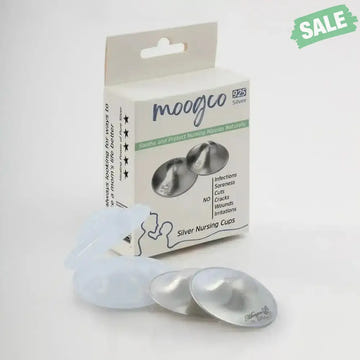
MOOGCO Silver Nursing Cups 925k Silver - Protect Aga...
$34.75

The Original Silver Nursing Cups with Silicone Pads
$62.90
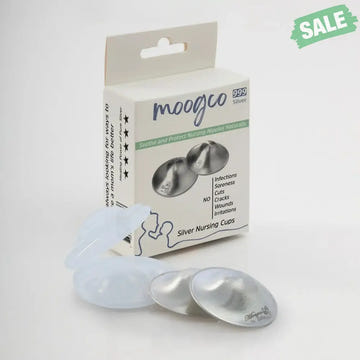
MOOGCO Silver Nursing Cups 999k Silver
$49.90
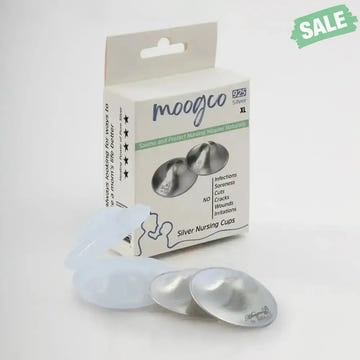
MOOGCO Silver Nursing Cups 925k Silver
$34.75
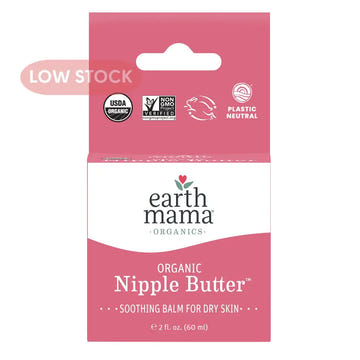
Organic Nipple Butter™ - Double-Sided for Kids
$14.99
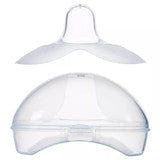
Bae & Bee Boutique Cherry Shaped Nipple Shield 21mm ...
$14.00
Reading the Label: Soothing Ingredients vs. Hidden Risks
Let’s be honest, when you’re a new parent, the last thing you want to do is decipher a complex ingredients label. It shouldn’t feel like a pop quiz in chemistry.
Choosing a great natural nipple cream really boils down to knowing which ingredients offer gentle, effective relief and which ones are better left on the shelf. The goal is to find a simple, plant-based formula that puts safety first, for both you and your baby.

When it comes down to it, the best products nail this balance. They help you heal without getting in the way of your breastfeeding journey.
Safe and Soothing: The Good Stuff to Look For
When you're scanning a label, a good rule of thumb is to think "simple and edible." The most effective natural ingredients are often ones you’d recognize from your own pantry. These botanicals and plant-based butters are brimming with healing properties that soothe, moisturize, and protect delicate skin.
Here are a few powerhouse ingredients you want to see:
- Calendula: This gentle flower is a champion at reducing inflammation. It's fantastic for calming irritated skin and helping it heal faster.
- Shea Butter: A wonderfully rich moisturizer, shea butter forms a soft, breathable barrier that seals in moisture without that heavy, greasy feeling.
- Olive Oil: Packed with antioxidants and healthy fats, olive oil is a classic skincare remedy for a reason. It deeply nourishes and softens the skin.
- Plant-Based Waxes: Ingredients like candelilla or carnauba wax are excellent vegan alternatives to beeswax or lanolin. They provide a protective layer that shields against friction from your bra or nursing pads.
The beauty of these ingredients is that they work together to provide real relief, and they're so gentle you don't have to worry about washing them off before the next feed.
A truly great natural nipple cream is built on a simple principle: every ingredient should be so safe that it poses no risk to a nursing baby. A short, easy-to-read ingredient list is almost always a green flag.
To help you become a pro at scanning labels, here’s a quick reference table.
A Quick Guide to Nipple Cream Ingredients
Use this reference table to quickly compare common safe ingredients with those you may want to avoid in a natural nipple cream.
| Ingredient Category | Examples | Why It's a Good Choice | Potential Concerns or What to Avoid |
|---|---|---|---|
| Plant Butters & Oils | Shea butter, cocoa butter, olive oil | Deeply moisturizing, rich in vitamins, and forms a breathable barrier to promote healing. | N/A - these are generally fantastic. Just ensure they are high-quality and minimally processed. |
| Herbal Infusions | Calendula, chamomile, marshmallow root | Known for their powerful anti-inflammatory and skin-calming properties. | Avoid essential oils unless specifically formulated for nursing, as they can be too potent for a baby. |
| Waxes (Emulsifiers) | Candelilla wax, carnauba wax (vegan) | Creates a protective layer, locks in moisture, and gives the cream its texture. | Lanolin can be a concern for those with wool allergies. Petroleum-based waxes (petrolatum) don't let the skin breathe properly. |
| Preservatives & Additives | Vitamin E (tocopherol), rosemary extract | Natural antioxidants that help extend shelf life without harsh chemicals. | Parabens, Phthalates, BHT: Synthetic preservatives linked to health concerns. |
| Fragrances | None | A fragrance-free product prevents irritation and ensures the baby isn't deterred from latching. | "Fragrance," "Parfum," "Natural Fragrance": Vague terms that can hide hundreds of potential allergens and skin irritants. |
This table isn’t exhaustive, but it covers the main players. Over time, you’ll start to recognize the good guys right away.
Red Flags: Ingredients to Avoid on Any Label
Just as important as knowing what you want is knowing what you don’t. Some common cosmetic ingredients just don't belong in a product that your baby will inevitably ingest. You're looking for a clean formula, free from anything that could cause irritation or raise long-term health questions.
Be wary of products that list any of the following:
- Parabens: These are synthetic preservatives designed to give products a longer shelf life. However, concerns have been raised about their potential to disrupt hormones, so they're best avoided in products for you and your baby.
- Synthetic Fragrances: Often hidden under the simple term "fragrance" or "parfum," this can be a catch-all for hundreds of undisclosed chemicals. It’s one of the most common causes of skin irritation and allergic reactions for both mom and baby.
- Petroleum-Based Ingredients: While things like petroleum jelly create a thick barrier, they don't allow the skin to breathe. This can trap moisture and actually slow down the healing process for sore, cracked nipples.
- Drying Alcohols: Certain types of alcohol can strip the skin of its natural oils, making dryness and irritation even worse, the exact opposite of what you're trying to achieve.
Becoming a confident label-reader is a superpower. It empowers you to tune out the marketing noise and choose a natural nipple cream that delivers pure, safe, and effective relief when you need it most.
The Great Lanolin Debate: Is It Right for You?
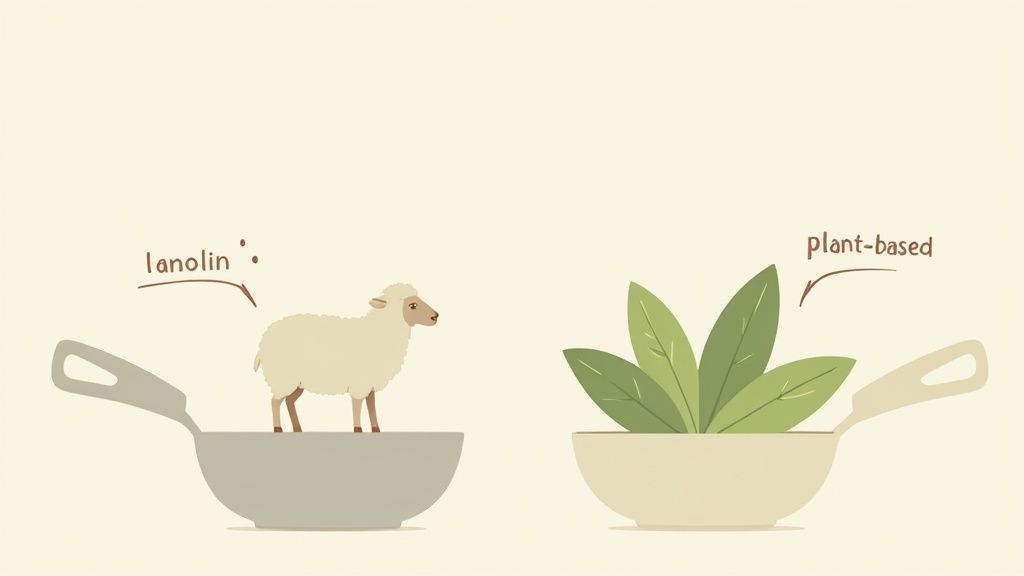
If you’ve started shopping for nipple creams, you’ve probably seen one ingredient pop up again and again: lanolin. For decades, it's been the go-to recommendation from hospitals and parenting guides, making it one of the most popular and trusted options out there. But what is it, really, and does it live up to the hype?
Lanolin is a waxy oil that comes from sheep's wool. It’s secreted from their skin glands to condition their fleece and protect them from the elements, kind of like nature’s own built-in raincoat. This substance is incredibly good at creating a moisture barrier, which is exactly why it became the standard for treating sore, cracked nipples. It locks in moisture and prevents friction, which can be a lifesaver during those early breastfeeding days.
While lanolin has worked wonders for countless mothers, a growing conversation around ingredient safety has sparked a healthy debate. This has led many parents to look for lanolin-free alternatives, driving a huge shift in the market toward organic, plant-based products. This trend toward natural skincare is a big one.
Understanding the Potential Concerns
The biggest knock against lanolin is its potential to trigger allergic reactions. Since it’s a byproduct of wool, anyone with a wool sensitivity might find that it irritates their skin, or their baby’s. An allergic reaction is the very last thing you want to deal with when your skin is already tender and stressed.
The key thing to know here is that not all lanolin is created equal. Medical-grade lanolin is highly purified to remove the impurities and allergens that typically cause reactions. Lower-grade versions, on the other hand, can sometimes contain pesticide residues from the chemicals used to treat the sheep's wool.
This doesn't mean all lanolin is bad, but it does highlight why it isn't a one-size-fits-all solution. It really comes down to your personal comfort level and your family's unique sensitivities.
Lanolin vs. Plant-Based Alternatives
So, what's the right call for you? Laying out the options side-by-side can help clear things up.
-
Lanolin-Based Creams: These are famous for creating a thick, heavy-duty moisture barrier. They’re a classic for a reason and have a long track record of success. If you go this route, make sure the label says 100% pure, medical-grade lanolin to get the safest product possible.
-
Plant-Based (Lanolin-Free) Creams: These formulas rely on ingredients like shea butter, olive oil, and candelilla wax to soothe and protect. They're a fantastic choice if you have a known wool allergy, prefer a vegan product, or just feel more comfortable skipping animal-derived ingredients.
In the end, the "best" natural nipple cream is the one that brings you relief and peace of mind. Knowing the full story on lanolin helps you make a choice you can feel good about, whether that means grabbing a trusted lanolin cream or reaching for a gentle, plant-based alternative instead.
How to Use Nipple Cream for Maximum Relief
Finding a great natural nipple cream is a solid first step, but how you use it is what really brings the relief. The right technique helps you get the most out of every tube, creating a soothing barrier that lets your skin heal between feedings.
The golden rule here is that less is more. You really only need a pea-sized amount to cover your nipple and areola. Gently dab it on, creating a thin, protective layer. Slathering on too much cream, even a perfectly safe one, won’t speed up healing, it’ll just leave a sticky mess on your nursing pads and bra.
Perfecting Your Application Timing
When you apply your cream can make all the difference. The ideal time is right after a nursing or pumping session. Your skin is clean and dry, which gives the ingredients plenty of time to absorb and work their magic before your baby is ready to feed again.
Applying it just before bed is another fantastic trick. This gives your skin a long, uninterrupted stretch to heal overnight. And it goes without saying, but always wash your hands before you apply anything to such a sensitive area.
When Soreness Is More Than Skin Deep
While a good nipple cream is a lifesaver for managing typical soreness, it isn’t a magic wand for deeper breastfeeding issues. Think of nipple soreness as a signal from your body. A little tenderness is totally normal in the early days, but sharp, persistent pain is a red flag that something else needs a closer look.
Nipple cream is a fantastic tool for comfort, but its real job is to help your skin heal while you figure out the root cause of the pain. If discomfort sticks around past the first week or gets worse, it's time to investigate.
It's so important to know when the problem is more than just surface irritation. Be on the lookout for these signs:
- Intense, toe-curling pain when your baby latches that doesn't ease up after a minute.
- Bleeding, blistering, or deep cracks that just aren't getting better.
- Nipples that look flattened, creased, or blanched (white) right after a feeding.
These symptoms often point to a poor latch, which is hands-down the most common cause of serious nipple pain. Sometimes, ongoing pain can also signal an infection like thrush or a condition like mastitis. If you're experiencing any of this, please don’t just tough it out with cream. Your best move is to call a lactation consultant or your healthcare provider. They can offer the expert guidance you need to get things back on track.
To learn more, check out these essentials for nipple care during breastfeeding.
More Related Picks
A few more favorites from the same collection.
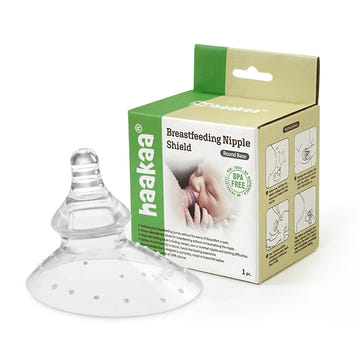
Haakaa Silicone Breastfeeding Nipple Shield Round Sh...
$19.05
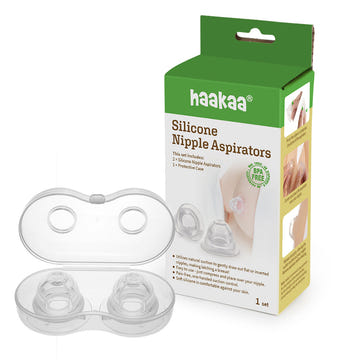
Haakaa Silicone Inverted Nipple Aspirators 2 pk
$17.99
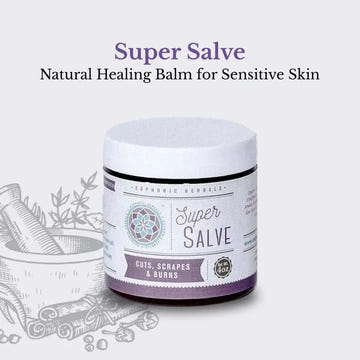
Euphoric Herbals Super Salve Nursing Salve no essent...
$10.00
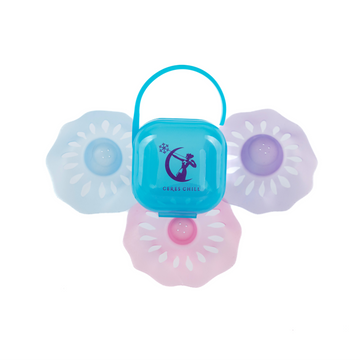
Ceres Chill Shield Maiden Nipple Shields 2pc or 3pc ...
$14.50
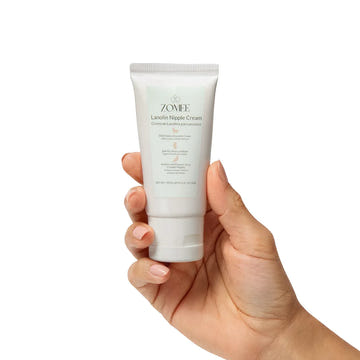
Zomee Breast Pumps Lanolin Nipple Cream
$9.99
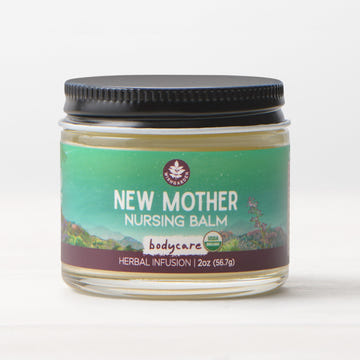
WishGarden Herbs New Mother Nursing Balm USDA Organic
$14.99
What About Chemical-Free Alternatives?
If you want the full picture before choosing, two reads help: our silver nursing cups vs nipple cream comparison and the 925 vs 999 silver evidence guide, which breaks down what the purity numbers actually mean for healing.
While a great natural nipple cream can be a lifesaver, sometimes the best solutions don't come in a tube or jar. It's worth looking at a few chemical-free options to round out your care routine, especially if you have super sensitive skin or just prefer a more minimalist approach.
Believe it or not, one of the most effective remedies is something you already have on hand: your own breast milk. It’s a powerhouse of antibodies and natural healing properties that can soothe sore skin and help minor cracks heal. After you finish feeding, just express a few drops, gently massage it over your nipple and areola, and let it air-dry. It’s free, completely safe, and a fantastic first line of defense.

The Magic of Silver Nursing Cups
For round-the-clock protection, many moms swear by silver nursing cups, like MoogCo's Original Silver Nursing Cups. These little handcrafted cups are made from pure 925k silver and are designed to be worn right inside your bra between nursing sessions. They act as a physical shield, protecting sore nipples from the constant rubbing of your clothes or nursing pads, which can be a huge source of irritation.
Think of them as tiny, personal healing sanctuaries for your nipples. The silver has natural properties that help keep the skin clean and healthy, creating the perfect environment for your body to repair itself. As a bonus, they hold a little bit of your own breast milk against the skin, so you get the benefits of physical protection and natural moisture at the same time.
Here’s why so many moms love this approach:
- No Mess, No Fuss: Unlike creams, there's nothing to wipe off before your baby latches on, which makes them incredibly convenient.
- Totally Reusable: This is a one-time purchase. They’ll last through your entire breastfeeding journey and can even be passed on.
- Pure, Chemical-Free Relief: They bring comfort without introducing any outside ingredients, which is ideal if you or your baby have sensitive skin or allergies.
So, Cream or Cups? Making the Right Choice
Choosing between a nipple cream and a chemical-free alternative doesn't have to be an either/or situation. Many mothers find that a combination of the two works wonders. You could wear silver cups during the day for constant protection and then apply a thin layer of natural nipple cream at night for an extra dose of moisture.
This growing interest in alternatives is part of a bigger shift in the market. More and more, parents are seeking out natural, organic, and dermatologist-tested nipple care products. In response, companies are getting creative, using advanced natural moisturizers and traditional herbal ingredients to meet this demand. You can discover more insights about this evolving market to see how things are changing.
At the end of the day, having several gentle and effective tools in your toolbox empowers you to create a personalized care routine that helps you feel confident and comfortable.
Got Questions About Natural Nipple Creams? We've Got Answers.
When you're figuring out this whole breastfeeding thing, a million questions pop up. And when it comes to something you're putting on your body, and that your baby will come in contact with, you want answers you can trust. Let's clear up some of the most common questions new moms have about nipple cream.
Do I Have to Wash This Stuff Off Before Nursing?
This is the big one, and the answer is a huge relief: with a truly high-quality natural nipple cream, you almost always don't have to.
The entire point of choosing a cream with simple, plant-based ingredients is that it’s made with your baby’s safety as the top priority. Formulas that use food-grade ingredients like shea butter, olive oil, or calendula are designed to be ingested in tiny amounts without any worry. This is a game-changer during those blurry-eyed, middle-of-the-night feedings.
That said, it never hurts to glance at the product's instructions just to be sure. If you're ever in doubt, a quick wipe with a soft, damp cloth is an easy fix. But the whole idea behind the best natural creams is to make your life simpler by offering relief for you and complete safety for your baby.
When Should I Start Using Nipple Cream?
Honestly? Before you think you need it. The key to avoiding serious discomfort is to get ahead of the problem before it starts.
Many lactation consultants suggest starting to apply a natural nipple cream during the last few weeks of pregnancy. This helps moisturize and prep the skin for the marathon ahead. Once your baby arrives, make it a habit to apply it right after your very first nursing session.
Think of it less as a treatment for pain and more as a preventative step in your daily postpartum self-care. Keeping your skin supple and resilient from the get-go can help you sidestep the painful cracking and soreness that can really derail a breastfeeding journey.
Can I Have an Allergic Reaction to a Natural Cream?
Yes, it's possible. While it’s pretty rare, "natural" doesn't automatically mean "allergy-proof." A person can be sensitive to just about anything, including botanicals that are usually very gentle.
For instance, if you have a known ragweed allergy, you might cross-react to calendula, since they're in the same plant family. Likewise, a nut allergy could be a problem if a cream contains ingredients like shea butter or almond oil.
Your nipple area is incredibly sensitive, so it’s always a good idea to do a quick patch test first.
- Dab a tiny amount of the cream on a less sensitive spot, like your inner forearm.
- Give it 24 hours and watch for any redness, itching, or irritation.
- If your skin is happy, you're likely good to go. If not, stop using it immediately and find a product with a different set of ingredients.
What's the Difference Between a Balm and a Cream?
This one really comes down to texture and what the product is made of, which changes how it feels and works. The main distinction is their base.
-
Balms: These are almost always oil-based and contain very little, if any, water. This gives them a thick, rich consistency that creates a fantastic protective barrier on the skin. A balm is brilliant at locking in moisture and shielding your skin from friction, exactly what you need during breastfeeding.
-
Creams: These are a mix of oil and water, which makes them feel lighter, softer, and absorb more quickly into the skin.
For the kind of long-lasting, heavy-duty protection needed to soothe and prevent sore, cracked nipples, a balm is often the better choice. It forms a more substantial, breathable layer that offers more durable relief from the constant friction and moisture of nursing.
If you're looking for a truly chemical-free approach that soothes and protects without needing constant reapplication, many mothers turn to MoogCo. Our Original Silver Nursing Cups provide a natural, gentle barrier that helps your skin heal and prevents irritation, giving you total peace of mind with every single feed.
Bring this guide home with 15% off.
Use code MOM15 for 15% off →
Featured pick from Moogco
MOOGCO Silver Nursing Cups 999k Silver - BPA-Free for Babies & Toddlers
$46.90 $52.90
Shop this pick → Frequently Asked Questions
How often should I apply natural nipple cream during the day?
You can apply natural nipple cream as often as you need to, ideally after each nursing session while your skin is still slightly damp. Most moms find that applying it three to five times a day provides consistent relief. Because truly natural formulas are baby-safe, there's no need to limit applications or worry about overuse.
Can I use natural nipple cream while I'm pregnant to prepare my skin?
Yes, you absolutely can use natural nipple cream during pregnancy if you'd like to keep your skin moisturized and supple. However, there's no evidence that pre-treating will prevent soreness once breastfeeding begins. Some moms like to start using it in the third trimester just to get familiar with the product and have it ready to go.
Will natural nipple cream stain my nursing bras or breast pads?
Most high-quality natural nipple creams absorb well and won't leave heavy grease stains, though plant-based oils can occasionally leave a light mark on fabric. To be safe, let the cream absorb for a minute or two before putting your bra back on, and consider using washable nursing pads. Any minor residue typically washes out easily in a regular laundry cycle.
Is it safe to use natural nipple cream if I have a cut or open crack?
Yes, gentle natural ingredients like calendula and shea butter are actually ideal for open skin because they promote healing without stinging or irritation. Just make sure the product is truly free of harsh chemicals, alcohol, or synthetic fragrances. If you notice any signs of infection like increased redness, warmth, or pus, contact your healthcare provider right away.
Can my partner or older child accidentally ingest nipple cream, and is that okay?
If you're using a truly natural, food-grade formula, accidental ingestion of small amounts is generally not a concern for anyone in your household. That said, nipple cream is designed for topical use on nursing mothers, not as a snack. Keep it stored safely and out of reach of curious toddlers, just like you would with any personal care product.
Do natural nipple creams expire, and how should I store them?
Yes, natural products do have a shelf life, usually between 12 and 24 months depending on the preservative system used. Check the label for a best-by date or a small jar icon with a number indicating months after opening. Store your cream in a cool, dry place away from direct sunlight, and always use clean hands or a spatula to scoop it out to prevent contamination.
Can I use natural nipple cream on other dry or irritated areas of my body?
Absolutely! Because natural nipple creams are formulated to be ultra-gentle and safe for a nursing baby, they work beautifully on other sensitive areas like chapped lips, dry cuticles, eczema patches, or even minor scrapes. Many moms keep a tin in their diaper bag as a multipurpose skin soother for the whole family.
What if natural nipple cream isn't helping and the pain continues?
Persistent nipple pain that doesn't improve with a good natural cream may be a sign of a latch issue, thrush, or another underlying problem that needs professional attention. Don't hesitate to reach out to a lactation consultant or your healthcare provider. Effective pain relief starts with addressing the root cause, and there's lots of help available to get you back on track.
From Moogco Studio
Printable and personalized nursery essentials. Designed by moms for moms.


Do I need to wipe off nipple cream before breastfeeding?
It depends on the ingredients. Pure lanolin and single ingredient plant butters like shea or coconut oil are generally considered safe to leave on, so most moms do not wipe them off before a feed. Anything with added fragrance, numbing agents, vitamin E additives, or essential oils should be wiped away gently with a warm cloth first. When in doubt, apply cream right after a feed instead of right before one.
What can I use instead of nipple cream?
Expressed breast milk rubbed into the skin and air dried is the classic free option. Silver nursing cups worn between feeds are the most popular cream free alternative, since they keep the skin protected without adding anything you would need to wipe off before nursing. Hydrogel pads help with acute cracking, and a properly checked latch fixes the root cause more often than any product.
About the Editor
Eda Ulger is the editor at Moogco Baby and a mom of two. She curates and edits our guides so every piece is honest, practical, and genuinely helpful for the early days of motherhood.
Shop This Story
Picks related to this guide, ready to ship from Moogco.
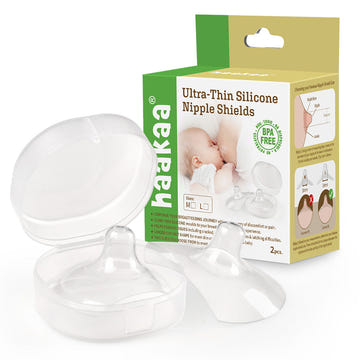
Haakaa Silicone Nipple Shields 2-pack 18 mm
$13.93
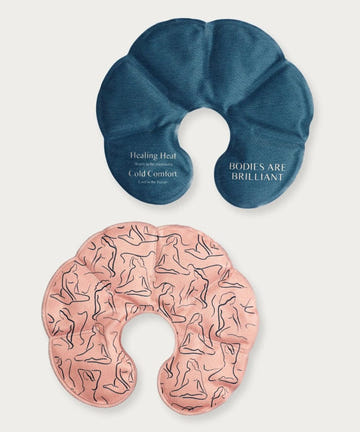
Nyssa Breast Ice and Heat Therapy Packs 8-inch Full-...
$20.00
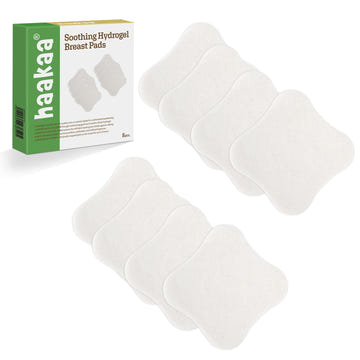
Haakaa Soothing Hydrogel Breast Pads
$9.99
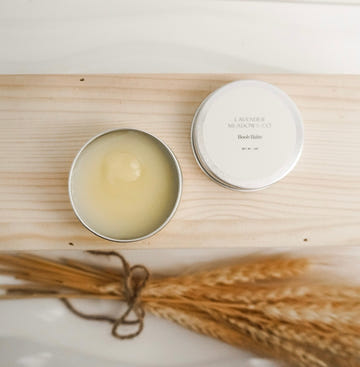
Lavender Meadows Co Boob Balm 1oz breastfeeding nipp...
$12.00

Nēmah Renewing Nipple + Lip Balm calendula multi-use
$24.00
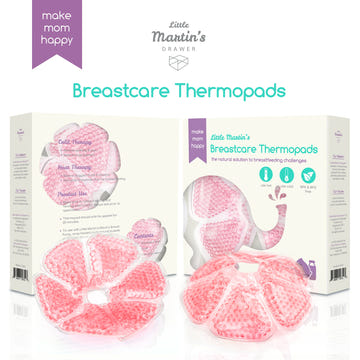
Little Martin's Drawer Breast Care Thermopads Hot Co...
$18.99
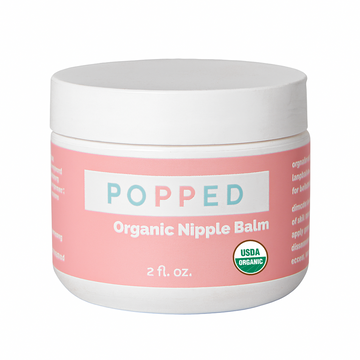
Popped Organic Nipple Balm 2 oz Unscented Lanolin-Free
$12.99
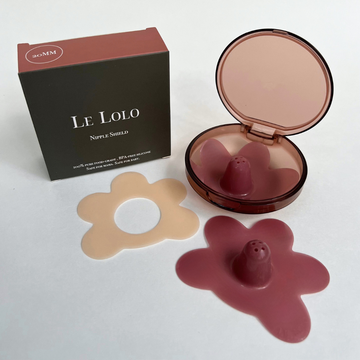
Hello Postpartum Colored Nipple Shield System with Case
$20.00
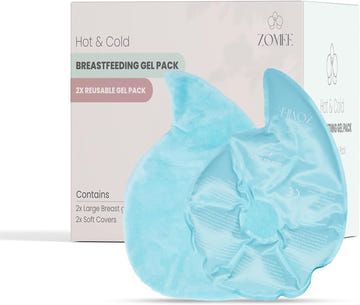
Zomee Breast Pumps Hot & Cold Reusable Gel Packs for...
$14.99
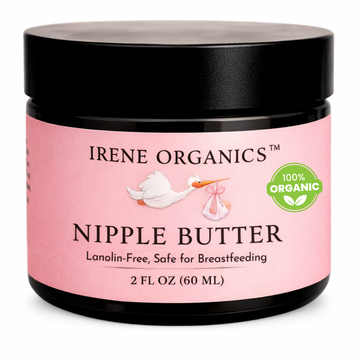
Nipple Butter
$18.99