


Many new mothers wonder whether they can enjoy their favorite caffeinated beverages while breastfeeding. The good news is that moderate caffeine consumption is generally considered safe for breastfeeding mothers. However, understanding how caffeine affects both you and your baby is important for ensuring a healthy and comfortable breastfeeding experience. In this blog post, we’ll explore the effects of caffeine on breastfeeding, recommended limits, and how Moogco silver nursing cups can support your breastfeeding journey.
Understanding Caffeine and Breastfeeding
How Caffeine Affects Breastfeeding: Caffeine is a stimulant that can pass into breast milk. While most mothers can consume caffeine without it significantly affecting their babies, some infants may be more sensitive to caffeine and experience symptoms such as irritability, wakefulness, or fussiness.
Caffeine Transfer to Breast Milk: After you consume caffeine, it enters your bloodstream and can transfer into your breast milk. The amount of caffeine that passes into breast milk is generally low, but newborns and premature babies may process caffeine more slowly, making them more susceptible to its effects.
Recommended Caffeine Limits: Most health experts, including the American Academy of Pediatrics, suggest that breastfeeding mothers limit their caffeine intake to about 300 milligrams per day. This is roughly equivalent to two to three cups of coffee. Individual tolerance to caffeine can vary, so it’s important to monitor your baby’s behavior and adjust your intake accordingly.
Practical Tips for Managing Caffeine Intake While Breastfeeding
Monitor Your Baby’s Reaction: Pay attention to your baby’s behavior after you consume caffeine. If you notice increased irritability, wakefulness, or fussiness, consider reducing your caffeine intake to see if it helps.
Timing Matters: Try to consume caffeine shortly after breastfeeding rather than right before. This allows time for some of the caffeine to clear from your system before the next feeding, reducing the amount that passes into your breast milk.
Choose Lower-Caffeine Options: Opt for beverages with lower caffeine content, such as tea, decaffeinated coffee, or caffeine-free soft drinks. This can help you enjoy your favorite drinks without overloading on caffeine.
Be Mindful of Hidden Caffeine Sources: Caffeine is found in more than just coffee and tea. Chocolate, some medications, energy drinks, and certain soft drinks also contain caffeine. Be aware of these sources to avoid unintentional overconsumption.
Stay Hydrated: Caffeine can have a diuretic effect, so it’s important to stay well-hydrated. Drink plenty of water throughout the day to maintain your hydration levels and support overall health.
Consult Your Healthcare Provider: If you have concerns about caffeine consumption and its effects on your baby, consult your healthcare provider. They can provide personalized advice based on your specific situation.
Moogco Silver Nursing Cups: Enhancing Comfort and Health
Moogco silver nursing cups are designed to support breastfeeding mothers by providing natural antibacterial protection and promoting healing. These cups can help alleviate discomfort and prevent infections, making breastfeeding a more comfortable and enjoyable experience.
Benefits of Moogco Silver Nursing Cups:
Natural Antibacterial Properties: Silver’s natural antibacterial properties help prevent infections and promote healing, ensuring your nipples stay healthy during breastfeeding.
Smooth Surface: The smooth surface of Moogco silver nursing cups reduces friction and irritation, providing a soothing barrier between your nipples and clothing.
Healing and Comfort: Moogco silver nursing cups are designed to promote healing and provide comfort, making breastfeeding a more enjoyable experience for both you and your baby.
Conclusion
Moderate caffeine consumption is generally safe for breastfeeding mothers, but it’s important to be mindful of your intake and monitor your baby’s reactions. By staying within recommended limits, timing your caffeine consumption, and choosing lower-caffeine options, you can enjoy your favorite beverages without compromising your baby’s comfort. Tools like Moogco silver nursing cups can further enhance your breastfeeding experience by promoting comfort and health. Embrace your breastfeeding journey with confidence, knowing that you can enjoy a cup of coffee while providing the best for your baby. Every breastfeeding experience is unique, and finding what works for you is key to a successful and fulfilling journey.
Bring this guide home with 25% off.
Use code MAMA25 for 25% off →
Featured pick from Moogco
The Original Silver Nursing Cups with Silicone Pads
$62.90 $74.90
Shop this pick → Frequently Asked Questions
How long does caffeine stay in breast milk after drinking coffee?
Caffeine reaches peak levels in breast milk about one to two hours after consumption. The half-life of caffeine in breast milk is approximately three to seven hours, meaning it takes that long for half the caffeine to be eliminated. This is why timing your caffeine intake right after nursing can help minimize the amount your baby receives at the next feeding.

Can drinking caffeine while breastfeeding cause my baby to have trouble sleeping?
Some babies, especially newborns and younger infants, may be more sensitive to caffeine and experience sleep disruptions or wakefulness. If you notice your baby having trouble sleeping or seeming more alert than usual after you consume caffeine, try reducing your intake or avoiding caffeine later in the day. Every baby responds differently, so monitor your little one's patterns closely.
Curated by moms, vetted by lactation pros
Picks From This Story
Picks related to this guide, ready to ship from Moogco.

The Original Silver Nursing Cups with Silicone Pads
$62.90
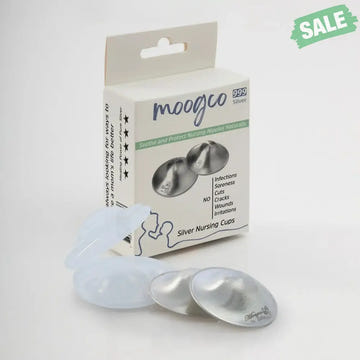
MOOGCO Silver Nursing Cups 999k Silver
$49.90
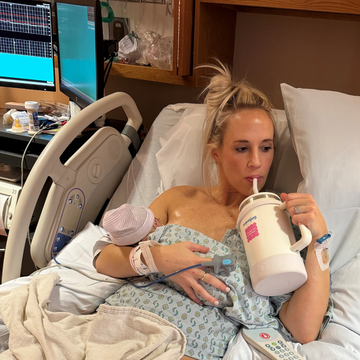
momjug breastfeeding water bottle 50oz double-wall s...
$49.99
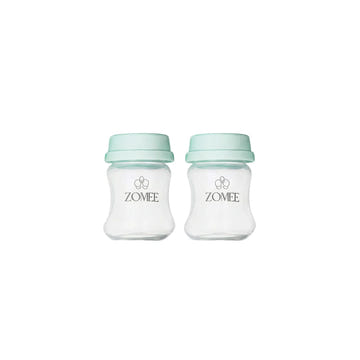
Zomee Breast Pumps Breast Milk Storage Bottles BPA-free
$3.99
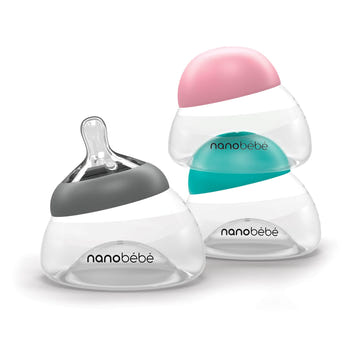
Nanobébé Breastmilk Baby Bottle 5 oz Pack Options Pi...
$16.99
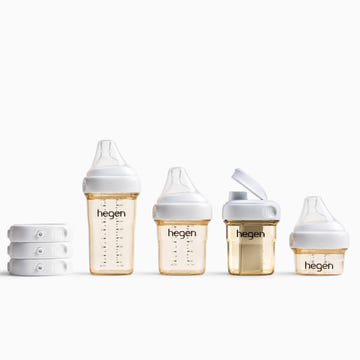
hegen PPSU Essentials Kit 60ml 150ml 240ml baby bottles
$99.99
Everything for the breastfeeding journey
Take 25% off at checkout, applied automatically when you shop through this link.
Shop with MAMA25 →Free US shipping over $100. Code applies automatically at checkout.
Is green tea a better option than coffee while breastfeeding?
Green tea typically contains less caffeine than coffee, usually around 25 to 50 milligrams per cup compared to 95 milligrams or more in coffee. This makes it a good lower-caffeine alternative if you're looking to reduce your intake while still enjoying a warm beverage. Just be mindful that green tea still contains caffeine and should be counted toward your daily total.
Does my newborn process caffeine differently than an older baby?
Yes, newborns and premature babies metabolize caffeine much more slowly than older infants and adults. Their immature liver and kidneys take longer to process and eliminate caffeine from their systems, making them more susceptible to its effects. As your baby grows, typically after three to four months, their ability to process caffeine improves significantly.
Can I drink energy drinks while breastfeeding?
Energy drinks are not recommended for breastfeeding mothers because they often contain very high amounts of caffeine, sometimes 200 milligrams or more per serving, plus other stimulants and additives. These drinks can quickly push you over the recommended 300 milligram daily limit and may cause irritability or sleep issues in your baby. Stick to coffee, tea, or other moderate caffeine sources instead.
More Related Picks
A few more favorites from the same collection.
Healthy Horizons Elvie Stride Diaphragms 2 Pack
$21.99
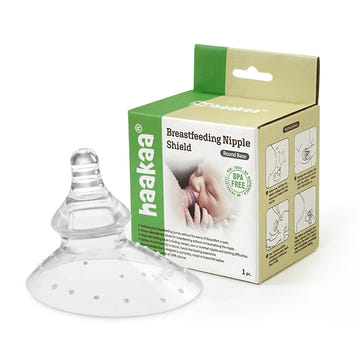
Haakaa Silicone Breastfeeding Nipple Shield Round Sh...
$19.05
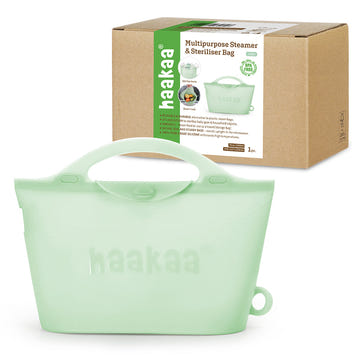
Haakaa Multipurpose Steamer & Sterilizer Bag 3 sizes...
$14.99
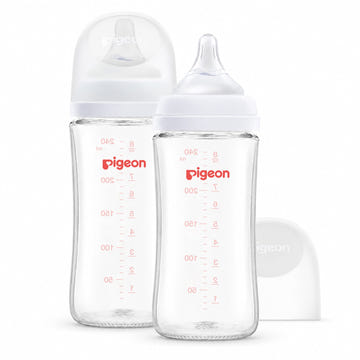
Pigeon Glass Wide Neck Baby Bottle 2-Pack 8.1 oz 3+ ...
$35.99
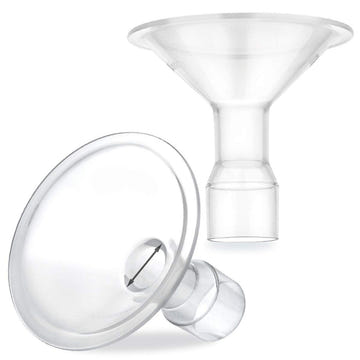
Bae & Bee Boutique Maymom Narrow Neck Flange compati...
$15.00
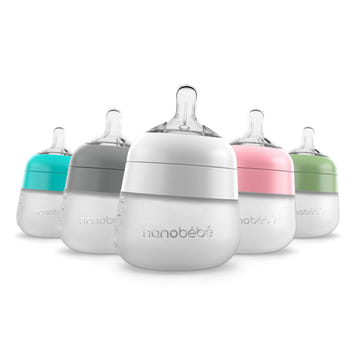
Nanobébé Flexy Silicone Baby Bottle 5oz
$16.99
Will eating chocolate affect my breastfed baby the same way coffee does?
Chocolate does contain caffeine, but in much smaller amounts than coffee, typically 5 to 30 milligrams per ounce depending on the type. Dark chocolate has more caffeine than milk chocolate. While an occasional chocolate treat is unlikely to affect your baby, eating large amounts along with other caffeine sources could contribute to your total daily intake and potentially impact a sensitive baby.
Should I avoid caffeine completely in the first few weeks postpartum?
You don't necessarily need to avoid caffeine completely in the early weeks, but keeping your intake on the lower end of the recommended range is wise. Newborns are most sensitive to caffeine and process it slowly, so starting with one cup of coffee per day and observing your baby's reaction is a sensible approach. You can gradually increase if your baby tolerates it well.
Can caffeine consumption reduce my breast milk supply?
Moderate caffeine intake, within the recommended 300 milligrams per day, does not typically affect milk supply. However, excessive caffeine consumption can have a mild diuretic effect and may contribute to dehydration if you're not drinking enough water. Staying well-hydrated is essential for maintaining a healthy milk supply, so be sure to balance any caffeinated beverages with plenty of water throughout the day.
From Moogco Studio
Printable and personalized nursery essentials. Designed by moms for moms.


About the Editor
Eda Ulger is a co-founder of Moogco Baby, the editor of the Moogco Baby Journal, and a mom of two. She curates and edits our guides so every piece is honest, practical, and genuinely helpful for the early days of motherhood.
Shop This Story
Picks related to this guide, ready to ship from Moogco.
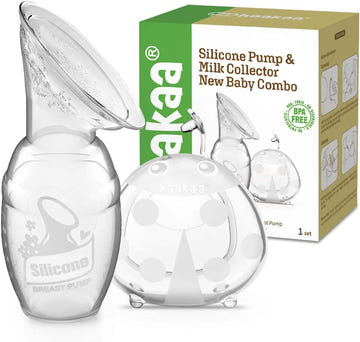
Haakaa Silicone Pump and Ladybug Milk Collector Comb...
$30.32
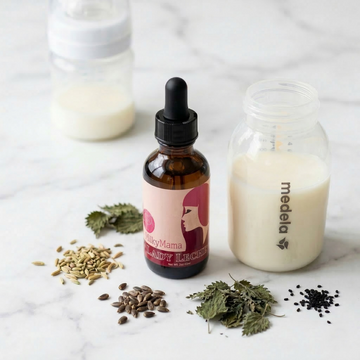
Milky Mama Lady Leche Lactation Liquid Grape Flavor ...
$27.00
Bae & Bee Boutique LactTube 5FR Pediatric Feeding Tu...
$3.00
Bae & Bee Boutique Cherry Shaped Nipple Shield 21mm ...
$14.00
Mason Bottle Silicone Nipples 2 Pack Regular-Mouth B...
$12.99

Nanobébé Silicone Anti-Colic Baby Bottle Nipples Gen...
$5.99
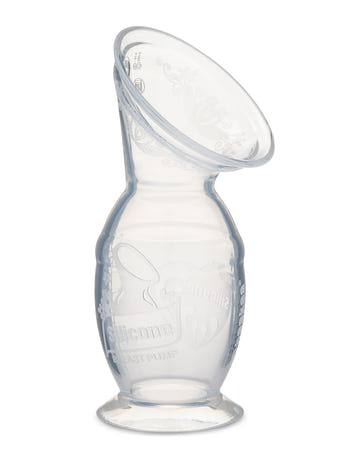
Haakaa Generation 2 Silicone Breast Pump 5 oz Suctio...
$20.99
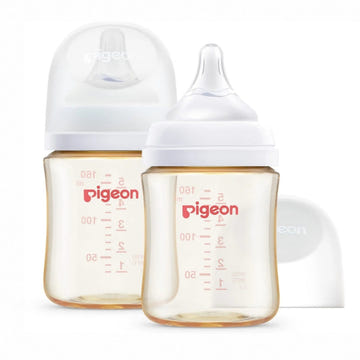
Pigeon PPSU Wide Neck Baby Bottle 2 Pack 5.4 oz Newborn
$34.99
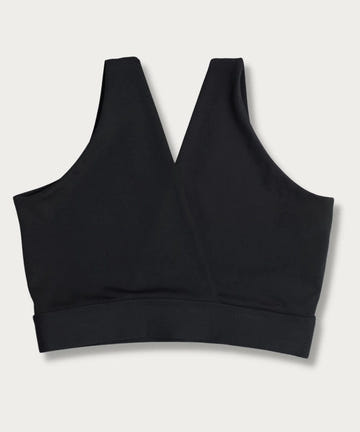
Nyssa FourthWear Postpartum Bralette Nursing and Pum...
$39.00
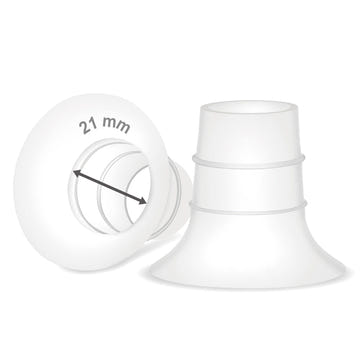
Bae & Bee Boutique Maymom Silicone Medela Flange Ins...
$6.00