


Diapering is one of the first hands-on skills every new parent learns—and while it might feel overwhelming at first, it quickly becomes second nature. Whether you choose disposable, cloth, or a combination of both, keeping your baby clean and comfortable is what matters most. Here’s a straightforward guide to diapering basics, tips, and troubleshooting.
Dr. Jenna Li, Pediatrician: “Diapering isn’t just about cleanliness—it’s about protecting delicate skin, fostering comfort, and creating small bonding moments every day.”
How Often Should You Change a Diaper?
✔️ Newborns: Every 2–3 hours (including night changes) ✔️ Infants: Around 6–10 times a day ✔️ Toddlers: Every 3–4 hours or as needed

💡 Tip: Change diapers promptly after bowel movements to prevent irritation.
Rash-fighting picks moms reorder
Everything for diaper duty
Take 20% off at checkout, applied automatically when you shop through this link.
Shop with MOM20 →Free US shipping over $100. Code applies automatically at checkout.
Diapering Essentials
✔️ Clean diaper (disposable or cloth)
✔️ Baby wipes or soft washcloths
✔️ Diaper cream or barrier ointment
✔️ Changing pad or clean surface
✔️ Diaper pail or sealed disposal bag
Picks From This Story
Picks related to this guide, ready to ship from Moogco.
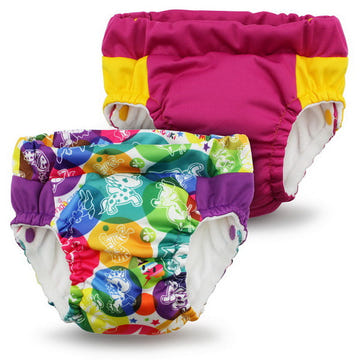
Lil Learnerz Training Pants (2pk) - tokidoki x Kanga...
$7.00
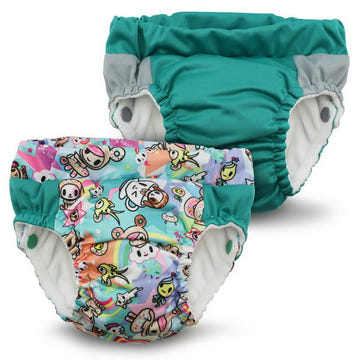
Lil Learnerz Training Pants (2pk) - tokidoki x Kanga...
$7.00
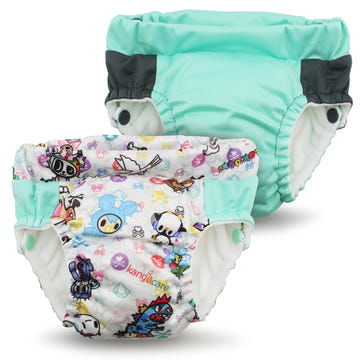
Lil Learnerz Training Pants (2pk) - Large
$7.00
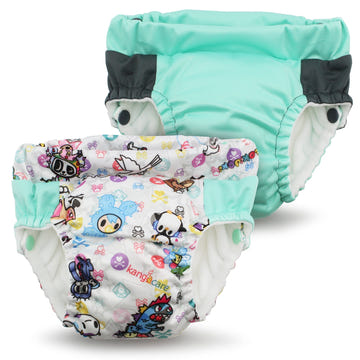
Lil Learnerz Training Pants (2pk) - Medium
$7.00
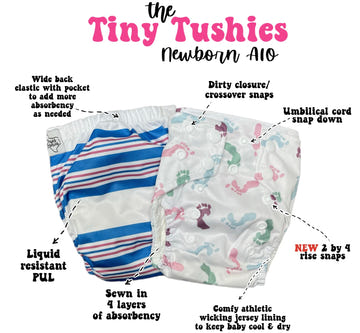
Tiny Tushies Newborn AIO Cloth Diaper
$9.00
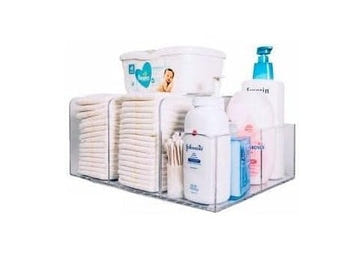
LELLOBABY™ - Deluxe Lucite Acrylic Diaper Caddy
$119.00
Step-by-Step Diaper Change
- Wash your hands or use sanitizer.
- Lay baby on a secure, flat surface.
- Unfasten the dirty diaper but don’t remove it yet.
- Clean baby’s bottom front to back (especially for girls).
- Gently lift baby’s legs to remove the dirty diaper.
- Apply diaper cream if needed.
- Slide a fresh diaper under baby, fasten snugly but not too tight.
- Wash hands again after cleanup.
Preventing Diaper Rash
✔️ Let skin dry fully before putting on a new diaper.
✔️ Use fragrance-free wipes or warm water and cotton pads.
✔️ Apply a zinc oxide-based barrier cream to protect skin.
✔️ Give baby some diaper-free time each day to air out.
Dr. Mira Patel, Pediatric Dermatologist: “Most diaper rashes respond to consistent barrier protection and frequent changes. If it persists, a pediatrician should evaluate for yeast or bacterial causes.”
Cloth vs. Disposable Diapers: Pros & Cons
Cloth Diapers:
✔️ Reusable and eco-friendly
✔️ Gentle on sensitive skin
✖️ Require washing and drying routines
✖️ May need more frequent changes
Disposable Diapers:
✔️ Convenient and highly absorbent
✔️ Easy for travel and daycare
✖️ Ongoing expense and environmental impact
✖️ Some contain fragrance or dyes (look for hypoallergenic options)
More Related Picks
A few more favorites from the same collection.
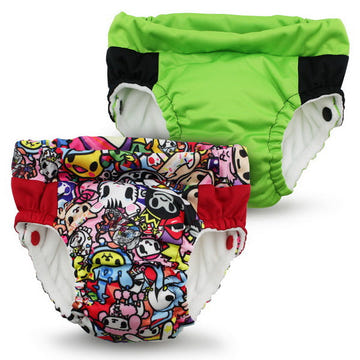
Lil Learnerz Training Pants (2pk) - tokidoki x Kanga...
$7.00
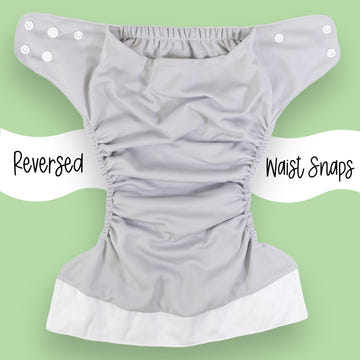
Flex Fit Pocket Cloth Diaper
$8.00
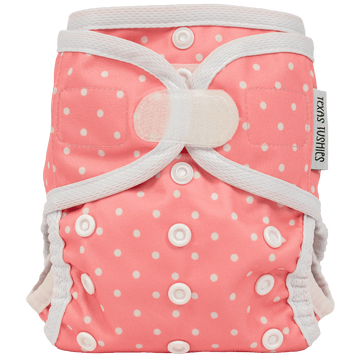
Tiny Tushies Newborn Hook & Loop Covers
$8.50
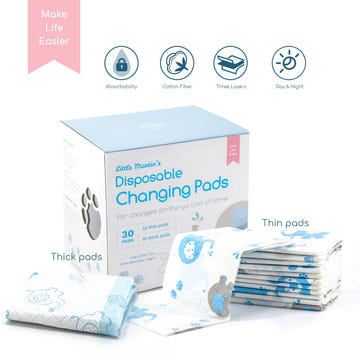
Little Martin's Disposable Changing Pads - 30 Counts
$25.99
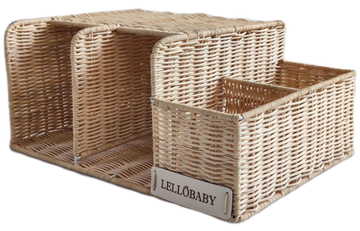
LELLOBABY™ X Hampton BABY - Deluxe Rattan Diaper Caddy
$99.00
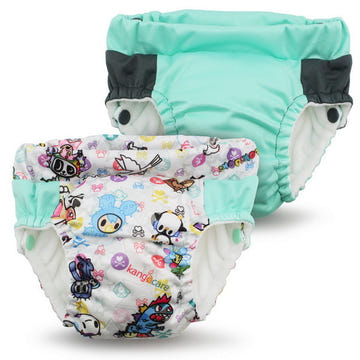
Lil Learnerz Training Pants (2pk) - tokidoki x Kanga...
$7.00
Diaper Blowouts and Leaks: What to Do
✔️ Size up if diapers are too snug or leak frequently.
✔️ Ensure snug fit around thighs and waist.
✔️ Try overnight diapers for extra absorbency.
✔️ Keep an extra outfit in your diaper bag just in case!
The Role of Moogco Silver Nursing Cups
Diapering often leads directly into feedings. If nursing is part of your routine, Moogco Silver Nursing Cups can relieve nipple soreness and support a smoother transition from changing table to cuddle time.
📌 Try them now: Moogco Silver Nursing Cups on Amazon
Final Thoughts: You’ve Got This
Whether it’s your first diaper change or your fiftieth, each one is a chance to connect with your baby and care for them with love. With a few essentials and a calm mindset, diapering becomes a breeze.
🛒 Stock up on baby care must-haves at Moogco Baby.
Bring this guide home with 20% off.
Use code MOM20 for 20% off →
Featured pick from Moogco
Pampers Baby Wipes Pop-Top Complete Clean 72 ct
$47.78 $71.67
Shop this pick → Stocking up? Browse our disposable diapers collection for gentle, reliable picks from bamboo to overnight options. US orders over $100 ship free.
Frequently Asked Questions
How do I know if a diaper fits my baby correctly?
A properly fitted diaper should lie flat against your baby's tummy without gaps, and you should be able to fit two fingers comfortably between the diaper and their skin. The leg cuffs should be snug but not leave red marks. If you notice frequent leaks or red marks around the waist or thighs, it's time to size up.
Can I use baby powder during diaper changes?
Most pediatricians advise against talcum powder due to inhalation risks. If you want extra moisture protection, opt for cornstarch-based powders or simply use a quality zinc oxide barrier cream. Always apply any product away from baby's face and in small amounts.
What should I do if my baby cries during every diaper change?
Try singing, making eye contact, or hanging a colorful mobile above the changing area to keep baby engaged. Some babies dislike feeling cold, so warm your hands or use a wipe warmer. If crying persists, check that wipes aren't too cold and that you're being gentle around sensitive areas.
How long can a baby stay in a wet diaper at night?
Newborns should be changed during night feedings to prevent rash and keep them comfortable. Once your baby sleeps longer stretches (around 3 to 4 months), you can use overnight diapers and skip changes unless there's a bowel movement. Always apply barrier cream before bed to protect skin.
Is it normal for my baby to pee during diaper changes?
Yes, it's very common, especially for boys. The cool air hitting their skin can trigger the reflex to pee. Keep a washcloth or extra diaper handy to cover baby during changes, and work quickly but calmly to minimize exposure time.
When should I be concerned about diaper rash?
Most diaper rashes clear up within a few days with frequent changes and barrier cream. Contact your pediatrician if the rash is bright red, has blisters or pus, spreads beyond the diaper area, or doesn't improve after three days. These can be signs of yeast or bacterial infection.
Can I reuse a diaper if my baby only peed a little?
It's best not to. Even a small amount of urine creates a moist environment that can irritate baby's delicate skin and increase the risk of rash. Diapers are designed to be single-use for hygiene and comfort, so change them regularly even if they don't feel soaked.
How do I dispose of cloth diapers when I'm out and about?
Carry a small wet bag or sealed waterproof pouch in your diaper bag to store soiled cloth diapers until you get home. Shake any solid waste into a toilet before storing, and wash the diaper as soon as possible. Many parents keep disposables on hand for outings to simplify cleanup.
From Moogco Studio
Printable and personalized nursery essentials. Designed by moms for moms.


About the Editor
Eda Ulger is the editor at Moogco Baby and a mom of two. She curates and edits our guides so every piece is honest, practical, and genuinely helpful for the early days of motherhood.
Shop This Story
Picks related to this guide, ready to ship from Moogco.
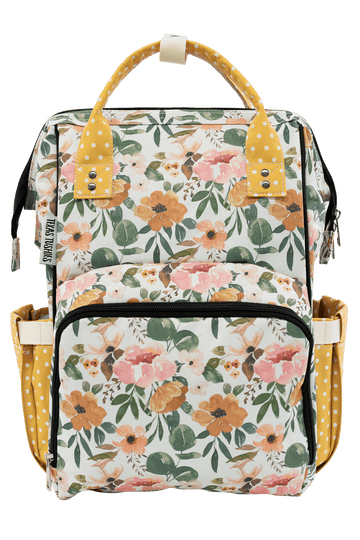
Josie Floral & Mustard Dot - Diaper Bag
$59.95
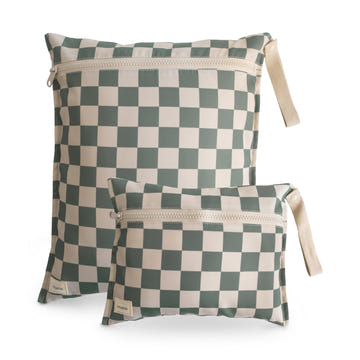
Water Resistant Wet Bag
$16.99
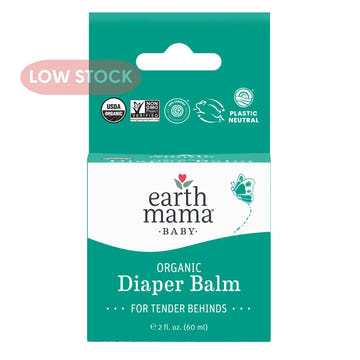
Organic Diaper Balm - Large Capacity for Parents
$13.99
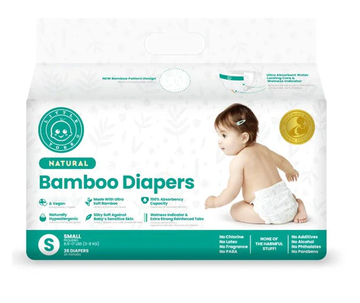
Little Toes® Natural Bamboo Diapers — 36 Pack
$25.99
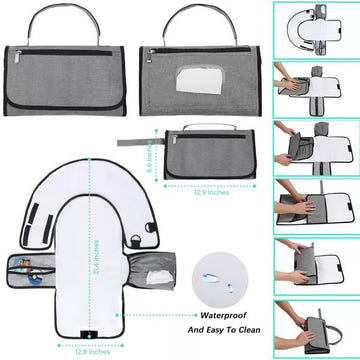
The Portable Diaper Changing Pad with Clean Hands Ba...
$19.95
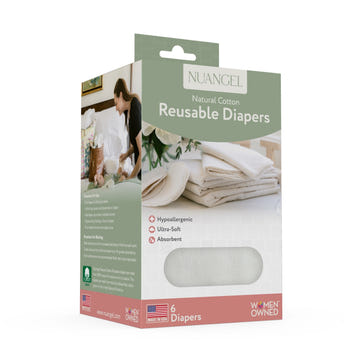
Natural Cotton Pre-fold Cloth Diaper
$21.99
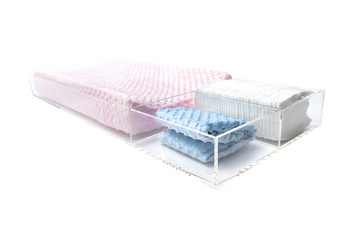
LELLOBABY™ - 8mm Thick Deluxe Edition Acrylic Diape...
$299.00
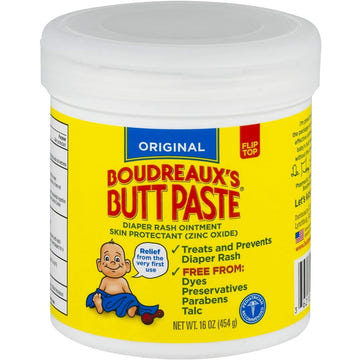
Boudreaux's Butt Paste Rash Cream, Original
$12.99
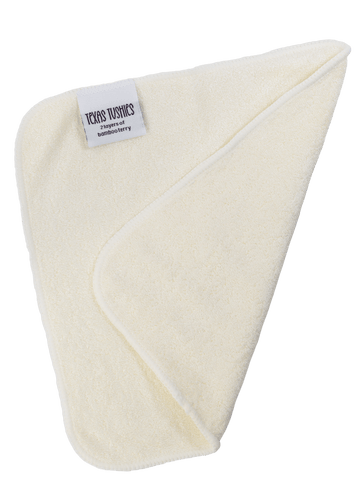
Bamboo Reusable Cloth Wipes
$12.00
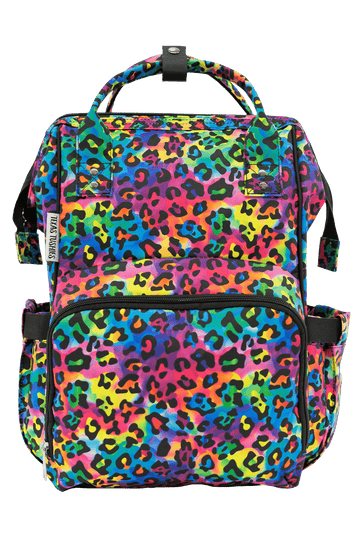
Lisa - Diaper Bag
$59.95