


Your baby’s first steps are a magical milestone, and finding the right first pair of shoes is an exciting task. However, with so many options on the market, it can feel overwhelming to decide what’s best for those tiny feet. Choosing the right shoes not only supports your baby's walking journey but also ensures their comfort and foot health.
When Does Your Baby Need Shoes?
Babies don’t need shoes until they start walking outdoors. Inside the house, barefoot is best as it helps develop balance, strength, and coordination. Once your baby starts exploring the outdoors, it’s time to invest in a sturdy, supportive pair of first shoes.
Key Features to Look For in Baby’s First Shoes
1. Flexible Sole
A soft, flexible sole allows natural movement and helps your baby feel the ground beneath them, which is essential for learning to walk.
2. Proper Fit
Make sure the shoes are not too tight or too loose. There should be about a thumb’s width of space between the front of the shoe and your baby’s toes.
3. Breathable Materials
Opt for shoes made of natural, breathable materials like leather or canvas. These keep your baby’s feet cool and prevent sweat buildup.
4. Lightweight Design
Heavy shoes can make walking difficult. Choose lightweight shoes that won’t weigh down your baby’s tiny feet.
5. Secure Fastenings
Velcro straps or laces ensure the shoes stay on and can be adjusted as needed. Avoid slip-ons, which can easily fall off.
6. Non-Slip Soles
Look for shoes with a textured or rubber sole to prevent slipping, especially on smooth surfaces.
How to Find the Right Fit
- Measure Regularly: Babies’ feet grow rapidly, so measure their feet every 6-8 weeks.
- Try Shoes On: Always try both shoes on your baby to ensure a proper fit. Let them walk a few steps to see if they’re comfortable.
- Check for Toe Room: Press gently on the front of the shoe to ensure there’s enough space for your baby’s toes to move freely.
- Feel for Snugness: The heel should fit snugly without slipping.
Choosing the Right Style
For early walkers, simple styles work best. Avoid shoes with heavy decorations, stiff soles, or heels. Minimalistic designs that mimic being barefoot are ideal.
The Role of Moogco Silver Nursing Cups
Taking care of your baby starts with taking care of yourself. Breastfeeding moms often face challenges like nipple soreness, which can be distracting during daily tasks like shopping for baby essentials. Moogco Silver Nursing Cups offer a natural and effective solution, promoting healing and comfort with the antibacterial properties of silver. By staying comfortable, you can focus more on your baby's needs, from their first shoes to their first steps.
Picks From This Story
Picks related to this guide, ready to ship from Moogco.
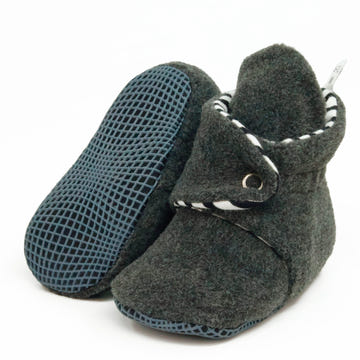
Anti-Slip Sole, Fleece Baby Booties, Newborn Home Bo...
$21.99
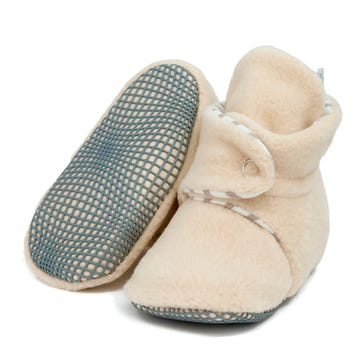
Anti-Slip Sole, Fleece Baby Booties, Newborn Home Bo...
$21.99
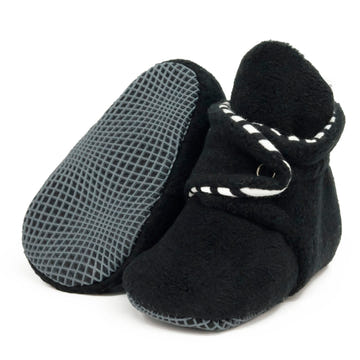
Anti-Slip Sole, Fleece Baby Booties, Newborn Home Bo...
$21.99
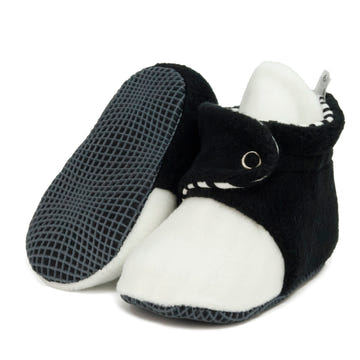
Anti-Slip Sole, Fleece Baby Booties, Newborn Home Bo...
$21.99
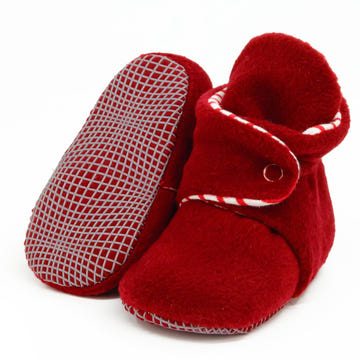
Anti-Slip Sole, Fleece Baby Booties, Newborn Home Bo...
$21.99
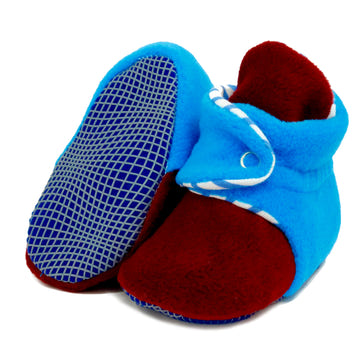
Anti-Slip Sole, Fleece Baby Booties, Newborn Home Bo...
$21.99
Final Thoughts
Your baby’s first shoes are a stepping stone (literally!) in their journey to independence. By prioritizing comfort, fit, and functionality, you can support their early walking adventures. And don’t forget—every step your baby takes is a celebration, so enjoy this special stage of growth and discovery!
Bring this guide home with 15% off.
Use code HAPPYSPRING for 15% off →
Featured pick from Moogco
The Original Silver Nursing Cups with Silicone Pads
$62.90 $74.90
Shop this pick → Frequently Asked Questions
What size should I buy for my baby's first shoes?
Measure your baby's feet and add about a thumb's width (roughly 1/2 inch) for growing room. Babies' feet grow quickly, so check the fit every 6 to 8 weeks. Always have both feet measured, as one foot may be slightly larger than the other.

Are soft sole or hard sole shoes better for first walkers?
Soft, flexible soles are better for first walkers because they allow natural foot movement and help your baby feel the ground. Hard soles can restrict movement and make it harder for your baby to develop proper walking mechanics. Look for shoes that bend easily at the ball of the foot.
Free US shipping over $100
Real essentials, picked by real moms
Take 15% off at checkout, applied automatically when you shop through this link.
Shop with HAPPYSPRING →Free US shipping over $100. Code applies automatically at checkout.
How often should I replace my baby's first shoes?
Most babies need new shoes every 2 to 3 months during their first year of walking due to rapid foot growth. Check the fit regularly by feeling for toe room and watching for signs like red marks, blisters, or difficulty walking. If the shoes look worn or your baby resists wearing them, it's time for a new pair.
More Related Picks
A few more favorites from the same collection.
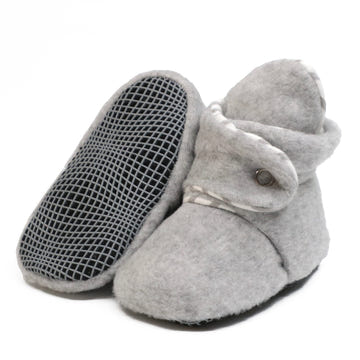
Anti-Slip Sole, Fleece Baby Booties, Newborn Home Bo...
$21.99
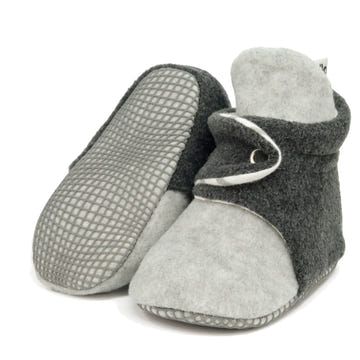
Anti-Slip Sole, Fleece Baby Booties, Newborn Home Bo...
$21.99
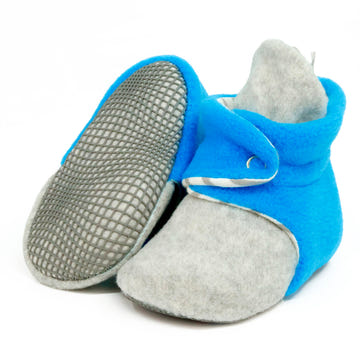
Anti-Slip Sole, Fleece Baby Booties, Newborn Home Bo...
$21.99
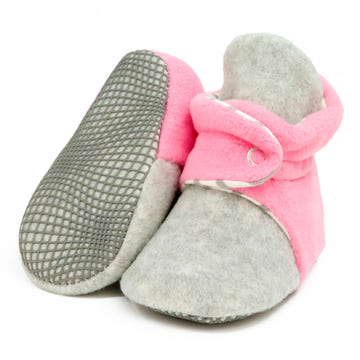
Anti-Slip Sole, Fleece Baby Booties, Newborn Home Bo...
$21.99
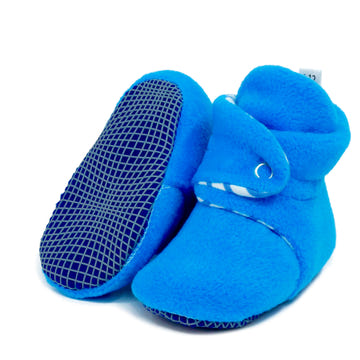
Anti-Slip Sole, Fleece Baby Booties, Newborn Home Bo...
$21.99
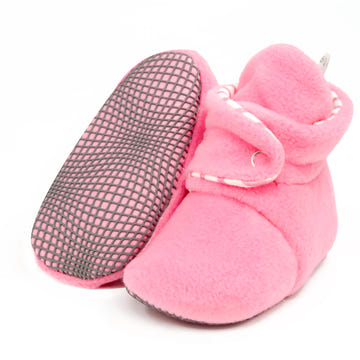
Anti-Slip Sole, Fleece Baby Booties, Newborn Home Bo...
$21.99
Can my baby wear hand me down shoes from a sibling?
It's best to avoid hand me down shoes because they mold to the previous wearer's foot shape and gait pattern. Worn down soles and stretched materials won't provide the proper support your baby needs. For foot health and safety, invest in new shoes that fit your baby's unique feet.
Should baby shoes have arch support?
No, babies and toddlers don't need arch support in their first shoes. Their feet are naturally flat, and arches develop gradually through childhood. Shoes should be flat and flexible to allow natural foot development. Overly supportive shoes can actually interfere with healthy foot growth.
What's the best material for baby's first shoes?
Natural, breathable materials like soft leather, canvas, or suede are ideal for baby's first shoes. These materials allow air circulation, prevent sweating, and are gentle on sensitive skin. Avoid synthetic materials that can trap moisture and cause discomfort or irritation.
How do I know if my baby's shoes fit properly?
Check that there's a thumb's width of space at the toe, the heel fits snugly without slipping, and the widest part of the foot aligns with the widest part of the shoe. Your baby should be able to wiggle their toes freely. Watch your baby walk in the shoes and look for any signs of tripping, discomfort, or difficulty moving naturally.
Is it okay for my baby to wear shoes while learning to walk indoors?
Barefoot is actually best for learning to walk indoors, as it helps babies develop balance, strength, and proper foot mechanics. Shoes are only necessary when walking outdoors for protection from rough surfaces, hot pavement, or sharp objects. Save the shoes for outside adventures and let those little feet be free at home.
From Moogco Studio
Printable and personalized nursery essentials. Designed by moms for moms.


About the Editor
Eda Ulger is a co-founder of Moogco Baby, the editor of the Moogco Baby Journal, and a mom of two. She curates and edits our guides so every piece is honest, practical, and genuinely helpful for the early days of motherhood.
Shop This Story
Picks related to this guide, ready to ship from Moogco.
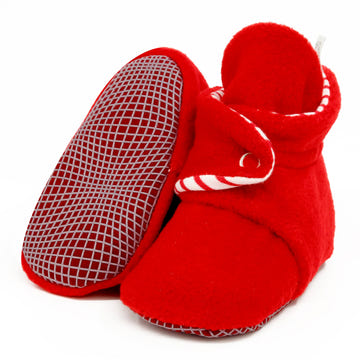
Anti-Slip Sole, Fleece Baby Booties, Newborn Home Bo...
$21.99
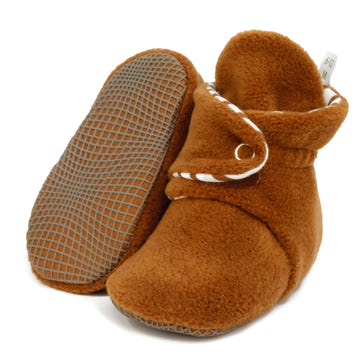
Anti-Slip Sole, Fleece Baby Booties, Newborn Home Bo...
$21.99
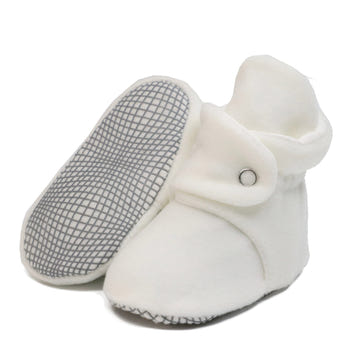
Anti-Slip Sole, Fleece Baby Booties, Newborn Home Bo...
$21.99
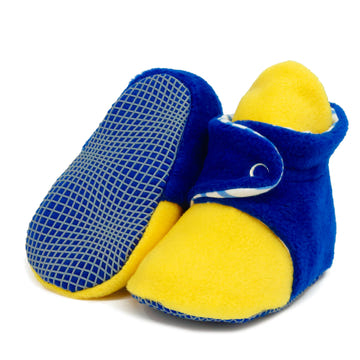
Anti-Slip Sole, Fleece Baby Booties, Newborn Home Bo...
$21.99
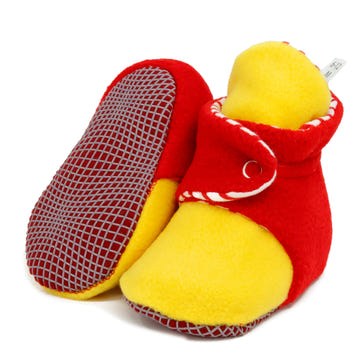
Anti-Slip Sole, Fleece Baby Booties, Newborn Home Bo...
$21.99
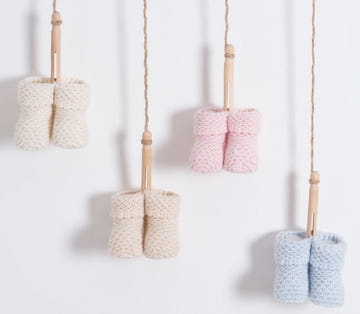
Basic Knit Booties
$23.00
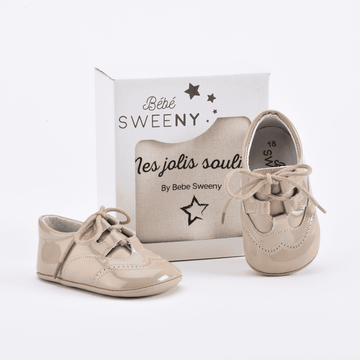
Bebe Sweeny Baby Beige Patent Leather Pre-Walker Shoes
$62.00
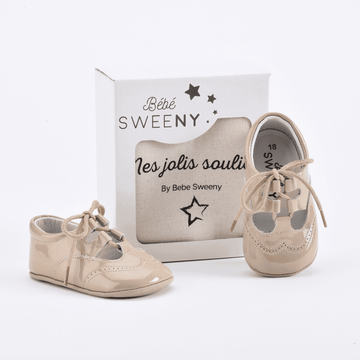
Bebe Sweeny Baby Beige Patent Leather Pre-Walker Shoes
$62.00
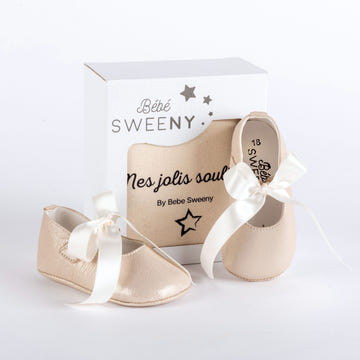
Bebe Sweeny Baby Girls Gold Leather Pre-Walker Shoes...
$62.00
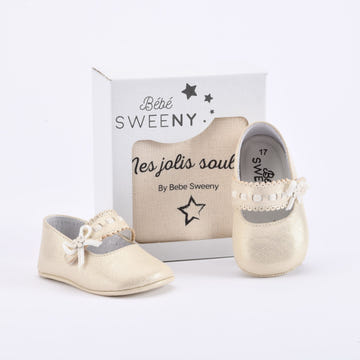
Bebe Sweeny Baby Girls Gold Leather Pre-Walker Shoes...
$62.00