


The transition from milk to solids is an exciting developmental milestone—but it can also feel overwhelming for parents. Knowing when, what, and how to introduce solids sets the foundation for healthy eating habits and nutritional growth.
Dr. Nina Feldman, Pediatric Nutritionist:
“Introducing solids isn’t about replacing milk—it’s about exploring taste, texture, and the skills that lead to confident, independent eating.”
When Should You Start Solids?
The American Academy of Pediatrics recommends starting solids around 6 months of age, when your baby shows signs of readiness:

-
Sitting up with minimal support
Bottles, bowls, and baby-led picksMealtime, simplified
Take 25% off at checkout, applied automatically when you shop through this link.
Shop with READER25 →Free US shipping over $100. Code applies automatically at checkout.
-
Good head and neck control
-
Loss of the tongue-thrust reflex
-
Showing interest in food (reaching or opening mouth)
Picks From This Story
Picks related to this guide, ready to ship from Moogco.
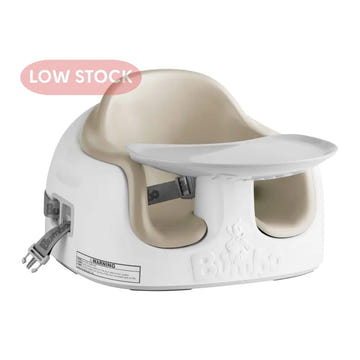
Bumbo 3-in-1 Multi Seat w/Adjustable Height, Tray In...
$69.99
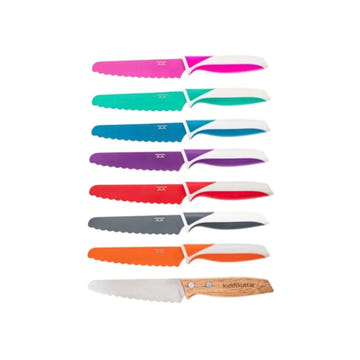
KiddiKutter Training Knife for Children 3+ (More col...
$18.99

Mushie Long Sleeve Bib water resistant 6 to 24 months
$14.99
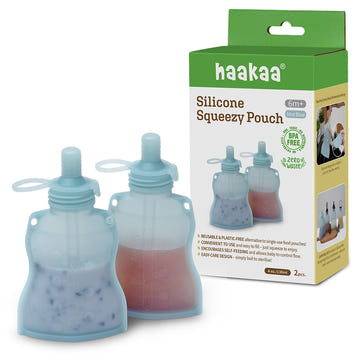
Haakaa Silicone Yummy Pouch 4.5 oz
$13.56
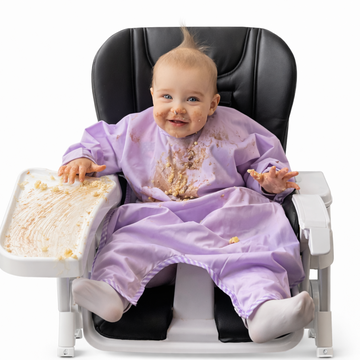
BodyBibShop BodyBib Long Sleeve Full-Coverage Bib Ch...
$24.99
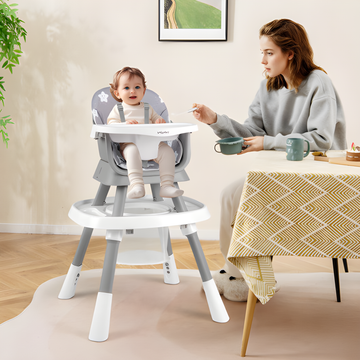
16-in-1 Baby High Chair with Activity Center and Boo...
$94.99
Best First Foods for Babies
Single-Ingredient Purees
-
Iron-fortified baby cereals (like oat or rice)
-
Mashed avocado or banana
-
Steamed and pureed sweet potato, carrots, or peas
Baby-Led Weaning Options
-
Soft-cooked carrot sticks, broccoli florets, or ripe fruit slices
-
Strips of scrambled egg or toast with mashed avocado
💡 Always supervise and cut foods appropriately to reduce choking risk.
How to Introduce New Foods
1. Start Slowly
-
Offer 1 new food at a time, waiting 3–5 days before introducing another
-
Watch for allergic reactions: rash, vomiting, swelling, or diarrhea
2. Keep Portions Small
-
Begin with 1–2 teaspoons once or twice a day
-
Gradually increase as baby shows interest and appetite
3. Offer a Variety
-
Expose your baby to different tastes and textures early on
-
Include fruits, vegetables, whole grains, and eventually proteins
Dr. Feldman advises:
“Variety in the first year builds acceptance of healthy foods and reduces picky eating later on.”
More Related Picks
A few more favorites from the same collection.
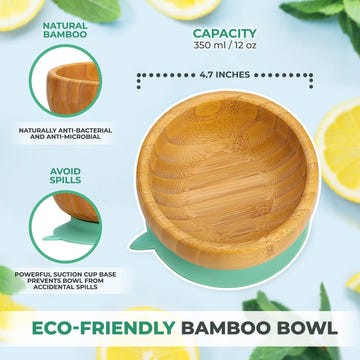
The Teething Egg Bamboo Bowl with Suction Base Natur...
$17.95
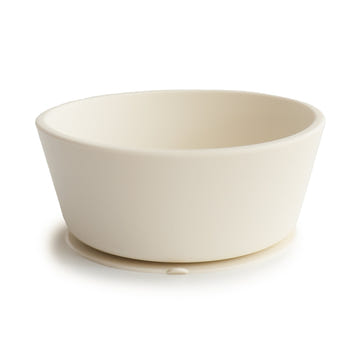
Mushie Silicone Suction Bowl for Babies Learning to ...
$14.99
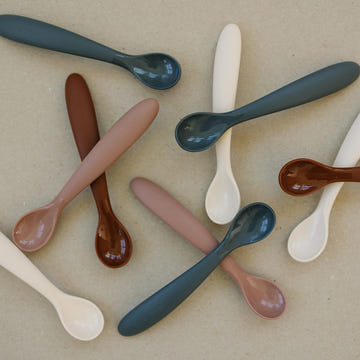
Mebie Baby Silicone Spoon Sets BPA Free Soft Dishwas...
$5.00
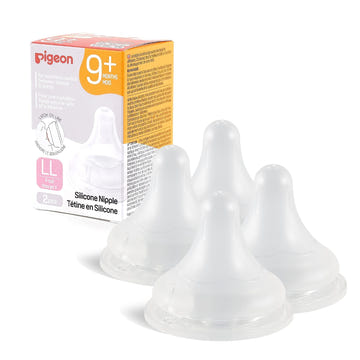
Silicone Nipple (LL), 9+ Months
$21.99
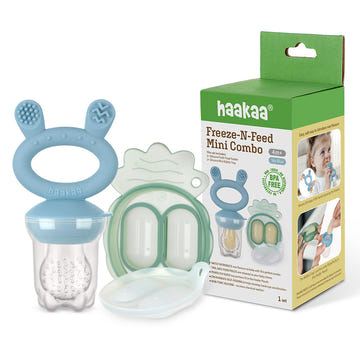
Haakaa Freeze-N-Feed Mini Combo Fresh Food Feeder Set
$19.90
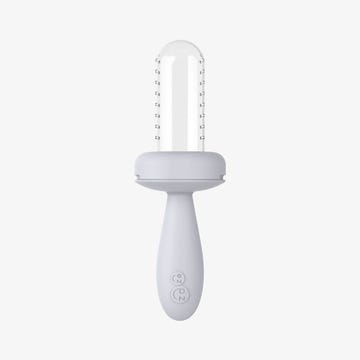
ezpz Baby-Led Gumline Feeder silicone pouch for baby...
$13.99
Common Concerns
-
Gagging is normal as babies learn to chew and swallow
-
Avoid honey and cow’s milk before age 1
-
Don’t stress over messy meals—exploration is part of the process
The Role of Moogco Silver Nursing Cups
Introducing solids doesn’t mean weaning right away. Many moms continue breastfeeding during this transition.
Moogco Silver Nursing Cups provide soothing relief for sore nipples, helping moms nurse comfortably through every milestone.
Final Thoughts: Follow Your Baby’s Lead
Every baby is different. Some dive right in, while others take time to explore new flavors. Stay patient, enjoy the process, and celebrate this messy, magical chapter in your baby’s growth.
🛒 Explore feeding essentials and baby-friendly kitchen tools at Moogco Baby
Bring this guide home with 25% off.
Use code READER25 for 25% off →
Frequently Asked Questions
What are the signs my baby is ready for solid foods?
Look for your baby to sit up with minimal support, hold their head steady, and show interest in what you're eating. They should also have lost the tongue-thrust reflex that automatically pushes food out of their mouth. These signs typically appear around 6 months of age.
Can I start solids before 6 months if my baby seems hungry?
It's best to wait until around 6 months, as your baby's digestive system and developmental readiness need time to mature. If you have concerns about hunger or growth, consult your pediatrician before introducing solids early. Breast milk or formula provides complete nutrition in the early months.
Should I do purees or baby-led weaning?
Both approaches work beautifully, and you can even combine them. Purees allow careful control of texture and portion, while baby-led weaning encourages self-feeding and motor skills. Choose what feels right for your family and your baby's readiness level.
How do I know if my baby is having an allergic reaction to a new food?
Watch for symptoms like hives, rash, vomiting, diarrhea, swelling of the face or lips, or difficulty breathing. Introduce one new food at a time and wait 3 to 5 days before adding another, so you can easily identify the cause of any reaction. Contact your pediatrician immediately if you suspect an allergy.
Is it normal for my baby to gag when trying solids?
Yes, gagging is a normal reflex as babies learn to move food around their mouth and swallow. It's different from choking and usually resolves as they develop better oral motor skills. Always supervise meals and offer age-appropriate textures to support safe eating.
What foods should I avoid giving my baby in the first year?
Avoid honey (due to botulism risk), cow's milk as a main drink, choking hazards like whole grapes or nuts, and added salt or sugar. Also steer clear of undercooked eggs, unpasteurized dairy, and fish high in mercury. Stick to whole, simple foods as much as possible.
How much solid food should my 6-month-old eat per day?
Start with just 1 to 2 teaspoons once or twice a day and let your baby set the pace. Solids are for practice at this stage, not nutrition, so breast milk or formula remains the primary source of calories. Gradually increase portions as your baby shows more interest and appetite.
Can I continue breastfeeding while introducing solids?
Absolutely. Many moms breastfeed well into toddlerhood, and introducing solids doesn't mean weaning. Nursing provides comfort, immune support, and bonding alongside the new adventure of solid foods. Moogco Silver Nursing Cups can help keep you comfortable as you navigate both feeding stages.
From Moogco Studio
Printable and personalized nursery essentials. Designed by moms for moms.


About the Editor
Eda Ulger is the editor at Moogco Baby and a mom of two. She curates and edits our guides so every piece is honest, practical, and genuinely helpful for the early days of motherhood.
Shop This Story
Picks related to this guide, ready to ship from Moogco.
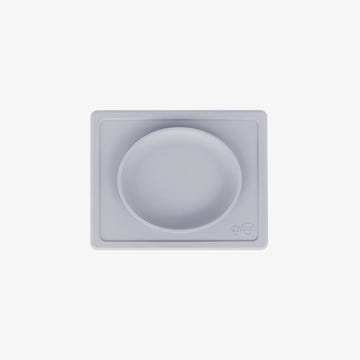
ezpz Tiny Plate open plate for self-feeding and uten...
$18.99
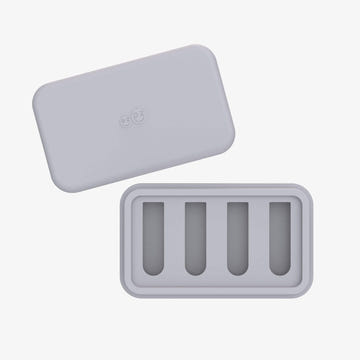
Ice Tray for the Baby-Led™ Gumline Feeder
$9.99

Mushie Silicone Training Cup with Removable Lid and ...
$16.99
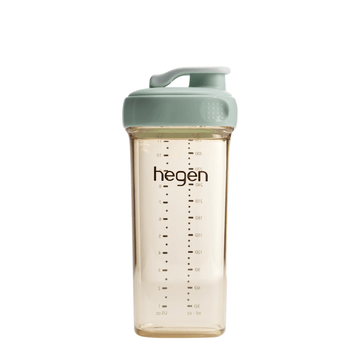
hegen Drinking Bottle PPSU 330ml 24 Months Plus Green
$22.99

Mushie Silicone Feeding Spoons Soft Flexible Tip Lig...
$12.99
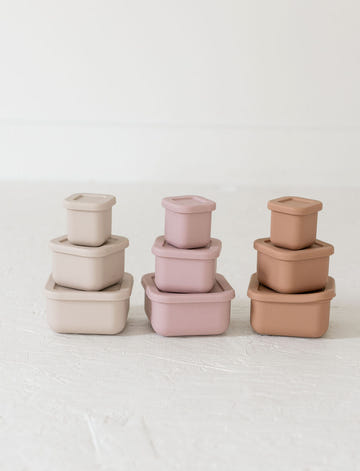
ShopMyLittleSongbird Silicone Bento Box Set of 3 wit...
$15.99
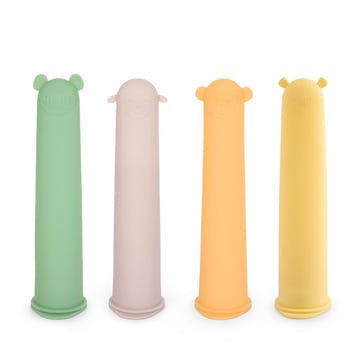
Haakaa Silicone Ice Pop Mold 1 pk 3.5 oz
$9.45
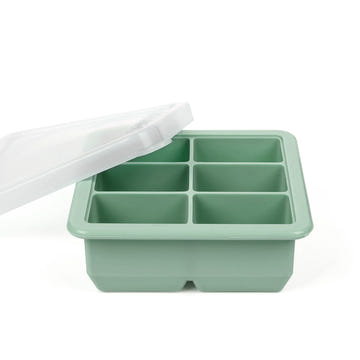
Haakaa Baby Freezer Tray Silicone 4 6 9 Compartment ...
$17.43

SUNVENO Disposable Placemats Stick-On 18.7 x 12.5 in...
$14.99
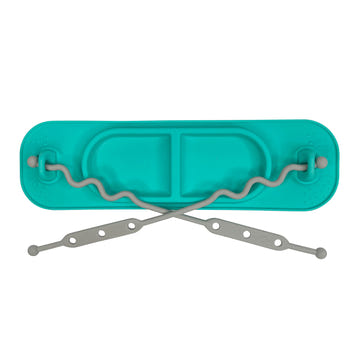
Busy Baby Mini Mat with Toy Straps compact placemat ...
$20.00