


While many mothers worry about having enough milk, some find themselves dealing with an oversupply. High milk production can lead to its own set of challenges, including discomfort, engorgement, and difficulties for the baby during feedings. Understanding how to manage an abundant milk supply can help ensure a more comfortable and successful breastfeeding experience. In this blog post, we’ll explore the common issues associated with high milk production, practical strategies to manage it, and how tools like Moogco silver nursing cups can support your breastfeeding journey.
Understanding High Milk Production
What is High Milk Production? High milk production, also known as oversupply or hyperlactation, occurs when the breasts produce more milk than the baby needs. While it might seem like a good problem to have, oversupply can lead to several challenges for both mother and baby.
Common Issues Associated with High Milk Production:
- Engorgement: When the breasts are overly full, they can become hard, swollen, and painful, making it difficult for the baby to latch.
- Plugged Ducts and Mastitis: Excess milk can lead to plugged ducts and increase the risk of mastitis, a painful breast infection.
- Baby’s Feeding Difficulties: A fast flow of milk can cause the baby to gulp, choke, or spit up more frequently. It can also lead to digestive issues like gas and colic.
- Milk Leakage: Constant leakage can be inconvenient and embarrassing for mothers.
Practical Strategies for Managing High Milk Production
Block Feeding: Block feeding involves nursing from one breast for a set period (e.g., 3-4 hours) before switching to the other breast. This method helps regulate milk production by ensuring one breast gets emptied more completely, signaling the body to slow down milk production.
Hand Express or Pump for Comfort: If your breasts are engorged, hand express or use a breast pump to relieve discomfort. Be cautious not to pump too much, as it can stimulate further milk production. Express just enough to soften the breast and make latching easier for the baby.
Adjust Feeding Positions: Certain breastfeeding positions can help manage a fast milk flow. The laid-back position or side-lying position can help slow down the flow, making it easier for the baby to manage and reducing the risk of choking and gulping.
Use Breast Pads: Breast pads can help manage milk leakage. Choose reusable or disposable pads that are absorbent and comfortable to wear. Change them frequently to maintain hygiene and prevent skin irritation.
Apply Cold Compresses: Applying cold compresses to your breasts after feedings can help reduce swelling and discomfort associated with engorgement. Use a cold pack or a bag of frozen peas wrapped in a cloth for 10-15 minutes.
Avoid Overstimulation: Avoid activities that might stimulate milk production, such as unnecessary pumping or frequent breast massage. Allowing the baby to regulate milk removal can help balance supply and demand.
Wear Supportive Nursing Bras: Wearing a well-fitting, supportive nursing bra can help manage the weight of full breasts and reduce discomfort. Avoid bras with underwires, as they can contribute to plugged ducts.
Stay Hydrated and Nourished: While managing high milk production, it’s important to stay hydrated and maintain a balanced diet. Drinking plenty of water and eating nutritious foods supports overall health and milk production.
Moogco Silver Nursing Cups: Enhancing Comfort and Health
Moogco silver nursing cups are designed to support breastfeeding mothers by providing natural antibacterial protection and promoting healing. These cups can be particularly beneficial for mothers managing high milk production, as they can help alleviate discomfort and prevent infections.
Benefits of Moogco Silver Nursing Cups:
Natural Antibacterial Properties: Silver’s natural antibacterial properties help prevent infections and promote healing, ensuring your nipples stay healthy during breastfeeding.
Smooth Surface: The smooth surface of Moogco silver nursing cups reduces friction and irritation, providing a soothing barrier between your nipples and clothing.
Healing and Comfort: Moogco silver nursing cups are designed to promote healing and provide comfort, making breastfeeding a more enjoyable experience for both you and your baby.
Conclusion
Managing high milk production can present unique challenges, but with the right strategies and support, you can ensure a comfortable and successful breastfeeding experience. Techniques such as block feeding, adjusting feeding positions, and using cold compresses can help regulate milk supply and alleviate discomfort. Tools like Moogco silver nursing cups can further enhance your breastfeeding journey by promoting comfort and health. Embrace your abundant milk supply with confidence, knowing that you are providing the best for your baby and yourself. Every breastfeeding journey is unique, and finding what works for you is key to a successful and fulfilling experience.
Bring this guide home with 20% off.
Use code MOM20 for 20% off →
Frequently Asked Questions
How long does it take to regulate an oversupply of breast milk?
Milk supply typically takes one to two weeks to adjust when using block feeding and other management techniques consistently. Every mother's body responds differently, so some may see changes sooner while others may need a bit more time. Be patient with the process and avoid sudden changes that could lead to plugged ducts. If oversupply persists beyond three weeks, consult with a lactation consultant for personalized guidance.

Can high milk production cause my baby to refuse the breast?
Yes, babies can become frustrated with a fast milk flow and may pull away, fuss, or refuse to nurse. The forceful letdown can cause them to gulp, choke, or feel overwhelmed during feedings. Try laid-back nursing positions to help your baby control the flow better, and consider letting some milk express before latching to slow the initial flow. With consistent management, most babies adapt well once the supply stabilizes.
Curated by moms, vetted by lactation pros
Picks From This Story
Picks related to this guide, ready to ship from Moogco.
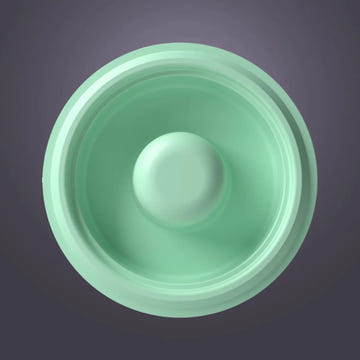
Healthy Horizons Elvie Stride Diaphragms 2 Pack
$21.99
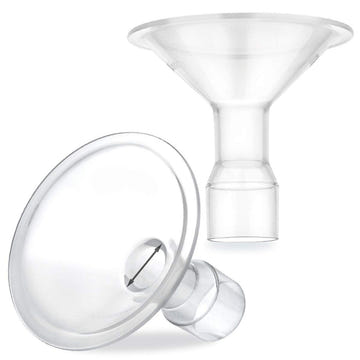
Bae & Bee Boutique Maymom Narrow Neck Flange compati...
$15.00
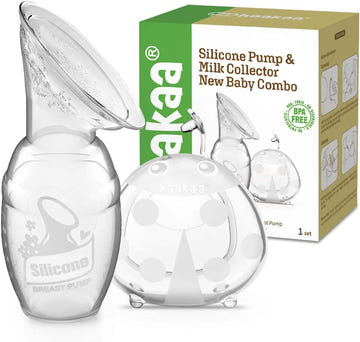
Haakaa Silicone Pump and Ladybug Milk Collector Comb...
$30.32
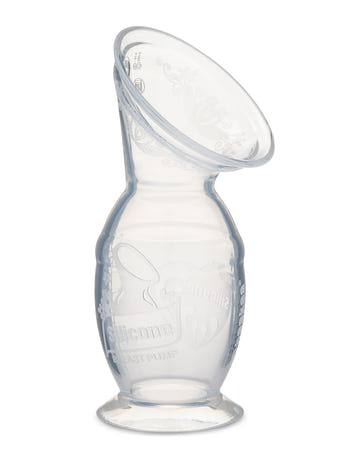
Haakaa Generation 2 Silicone Breast Pump 5 oz Suctio...
$20.99
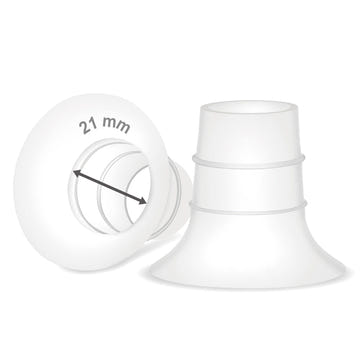
Bae & Bee Boutique Maymom Silicone Medela Flange Ins...
$6.00
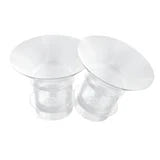
Bae & Bee Boutique Silicone Flange Inserts 10-21mm
$16.00
Everything for the breastfeeding journey
Take 20% off at checkout, applied automatically when you shop through this link.
Shop with MOM20 →Free US shipping over $100. Code applies automatically at checkout.
Is it safe to use cabbage leaves for engorgement with oversupply?
Chilled cabbage leaves can provide relief for engorgement, but use them cautiously with oversupply as they may reduce milk production more than intended. Apply cold cabbage leaves for only 20 minutes at a time, and discontinue use once you feel relief. This method is best reserved for severe engorgement rather than regular daily use. Always monitor your supply and consult a lactation professional if you have concerns.
Will my oversupply affect my baby's weight gain?
Oversupply can sometimes lead to imbalanced feeding where babies get too much foremilk and not enough hindmilk, potentially causing green, frothy stools and adequate but not optimal weight gain. However, many babies with oversupply mothers gain weight well or even rapidly. Block feeding helps ensure your baby gets more fatty hindmilk by fully emptying one breast. Monitor diaper output and weight with your pediatrician to ensure healthy growth.
Should I pump and donate my extra breast milk?
Donating excess milk is a generous option, but wait until your supply has regulated before pumping regularly for donation. Pumping too early can maintain or worsen the oversupply cycle. Once your production has stabilized and your baby is feeding comfortably, you can gradually introduce pumping sessions for donation. Check with local milk banks about their requirements and screening processes for donors.
More Related Picks
A few more favorites from the same collection.
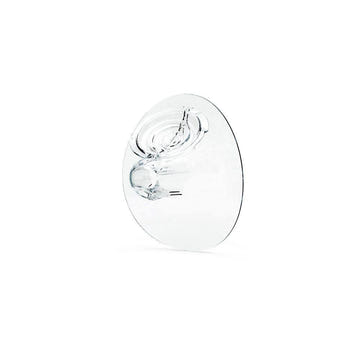
Healthy Horizons Elvie Pump Breast Shields 2 Pack 21...
$29.99
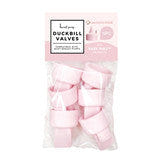
Bae & Bee Boutique Duckbill Valve Pink Replacement F...
$14.00
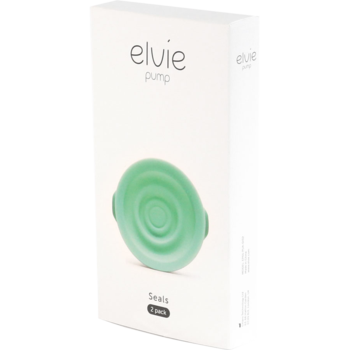
Healthy Horizons Elvie Pump Seals 2 Pack Spare Diaph...
$16.99
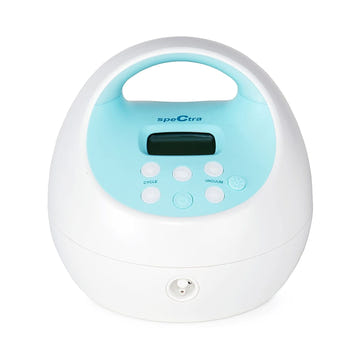
LL Medico Spectra S1 Plus Rechargeable Double Electr...
$216.00
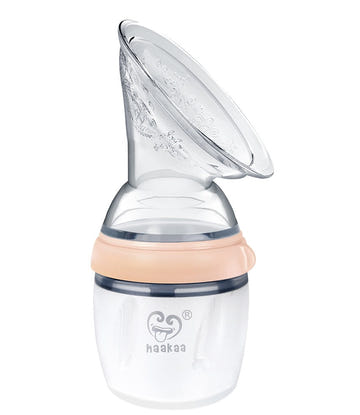
Haakaa Silicone Breast Pump Generation 3 160ml 250ml
$28.99
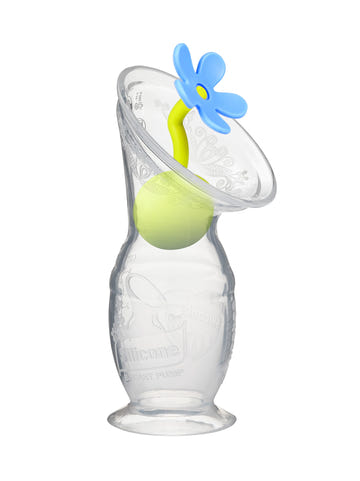
Haakaa Gen 2 Silicone Breast Pump 4 oz with Suction ...
$26.99
Can certain foods or herbs reduce my milk supply safely?
Some mothers find that herbs like sage, peppermint, and parsley may help reduce milk supply when consumed in larger amounts, though research is limited. These should be used carefully and only after other management strategies have been tried. Always consult with a lactation consultant or healthcare provider before using herbs to reduce supply. Sudden or dramatic supply reduction can increase your risk of plugged ducts and mastitis.
How do I know if I have true oversupply or just normal fullness?
True oversupply typically includes persistent symptoms beyond the first few weeks: constant leaking, baby choking or gulping during feeds, frequent spit-up, green frothy stools, and breast pain from frequent engorgement. Normal fullness in early weeks is expected as your body learns your baby's needs and usually resolves naturally. If symptoms persist past six to eight weeks or significantly impact feeding, consult a lactation professional for assessment and support.
Can Moogco silver nursing cups help with oversupply symptoms?
While Moogco silver nursing cups do not reduce milk production, they provide excellent support for the nipple soreness and irritation that often accompany oversupply challenges. The natural antibacterial properties help prevent infection, which is especially important when dealing with engorgement and potential plugged ducts. The smooth silver surface creates a protective barrier that promotes healing between feedings. They are a comfortable addition to your oversupply management toolkit.
From Moogco Studio
Printable and personalized nursery essentials. Designed by moms for moms.


About the Editor
Eda Ulger is the editor at Moogco Baby and a mom of two. She curates and edits our guides so every piece is honest, practical, and genuinely helpful for the early days of motherhood.
Shop This Story
Picks related to this guide, ready to ship from Moogco.
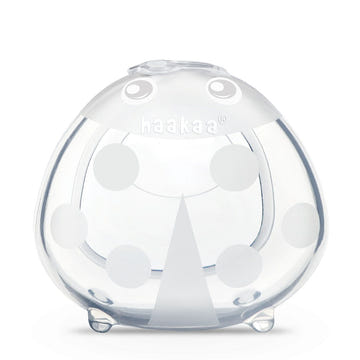
Haakaa Ladybug Silicone Milk Collector 2.5 oz 75 ml
$17.99
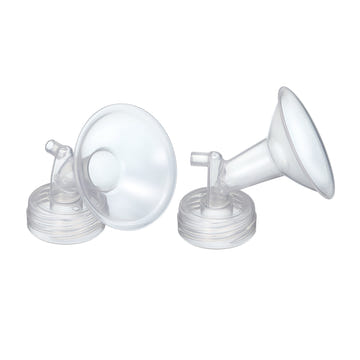
Cimilre Breast Shields set of two 21mm 24mm 28mm 32mm
$19.99
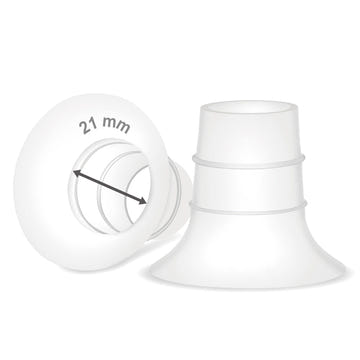
Bae & Bee Boutique Maymom Elvie Flange Inserts Semi-...
$6.00
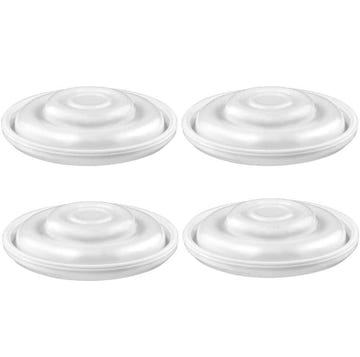
Bae & Bee Boutique 4pc Maymom Silicone Membrane for ...
$10.00
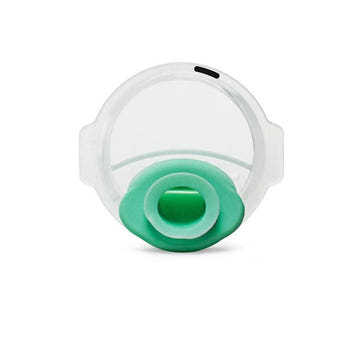
Healthy Horizons Breastfeeding Centers Elvie Pump Sp...
$16.99
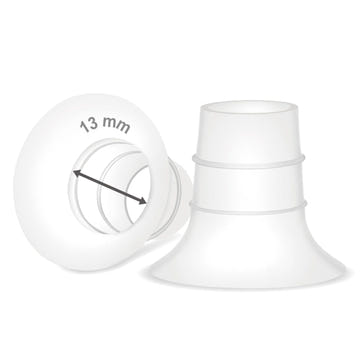
Healthy Horizons Maymom Flange Short Inserts 2 Pack ...
$14.99
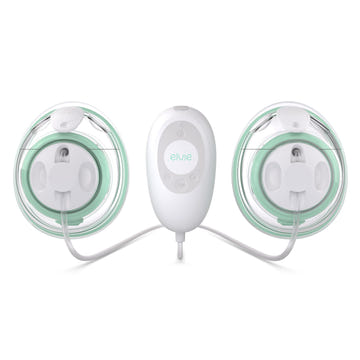
Healthy Horizons Elvie Stride wearable hands-free br...
$189.99

Healthy Horizons Elvie Double Electric Wearable Brea...
$549.99
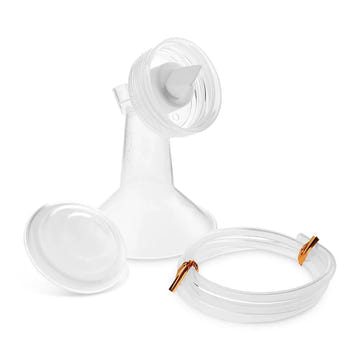
Spectra Wide Neck Breast Flange Kit
$15.99
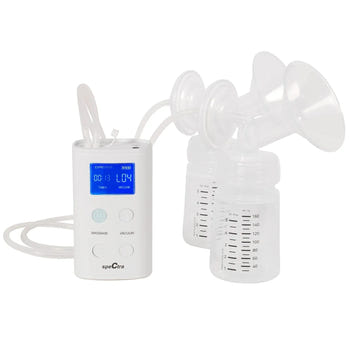
LL Medico Spectra 9 Plus Premier Portable Rechargeab...
$194.00