


The human body is intricately designed, and the anatomy of the nipple is a fascinating example of this complexity. Understanding the structure and sensitivity of the nipple can help breastfeeding mothers better manage the challenges that may arise during nursing. In this blog post, we’ll explore the anatomy of the nipple, why it is so sensitive, and how tools like Moogco silver nursing cups can support breastfeeding mothers by protecting and promoting nipple health.
The Anatomy of the Nipple
Structure and Function: The nipple, located at the center of the breast, is a small, raised structure composed of several key components. It plays a crucial role in breastfeeding, allowing milk to flow from the milk ducts to the baby.
Milk Ducts: Beneath the surface of the nipple are numerous milk ducts that transport milk from the milk-producing glands (alveoli) within the breast to the nipple. When a baby sucks at the breast, milk is ejected from these ducts through tiny openings in the nipple.
Smooth Muscle Fibers: The nipple contains smooth muscle fibers that contract in response to stimulation, such as a baby’s suckling. This contraction aids in the ejection of milk during breastfeeding.
Areola: The areola is the pigmented area surrounding the nipple. It contains Montgomery glands, which secrete an oily substance that lubricates and protects the nipple during breastfeeding.
Nerve Endings: One of the most notable features of the nipple is its high concentration of nerve endings. These nerve endings make the nipple highly sensitive to touch, temperature, and pressure.
Why the Nipple is So Sensitive
High Concentration of Nerve Endings: The nipple’s sensitivity is primarily due to the dense network of nerve endings. These nerve endings are crucial for the breastfeeding process, as they send signals to the brain to release oxytocin, the hormone responsible for the milk ejection reflex (let-down).
Hormonal Influence: Hormonal changes during pregnancy and breastfeeding also play a role in nipple sensitivity. Increased levels of hormones such as estrogen, progesterone, and prolactin prepare the breasts for milk production and make the nipples more sensitive.
Protective Function: The sensitivity of the nipple serves a protective function, signaling discomfort or pain that may indicate issues such as improper latch, infections, or other breastfeeding-related problems. This sensitivity prompts mothers to address these issues promptly to ensure effective and comfortable breastfeeding.
Common Causes of Nipple Sensitivity and Discomfort
Improper Latch: An improper latch can cause significant nipple pain and sensitivity. Ensuring your baby has a wide mouthful of breast tissue, not just the nipple, can help achieve a proper latch and reduce discomfort.
Nipple Damage: Cracked, sore, or bleeding nipples can result from various factors, including dry skin, improper latch, or overuse of breast pumps. It’s essential to address the underlying causes and use healing products to promote recovery.
Infections: Infections such as thrush or mastitis can cause nipple pain and sensitivity. Prompt treatment with appropriate medications and maintaining good breast hygiene can help alleviate these issues.
Moogco Silver Nursing Cups: Protecting and Promoting Nipple Health
Moogco silver nursing cups are designed to support breastfeeding mothers by providing natural antibacterial protection and promoting healing. The smooth surface of these cups reduces friction and irritation, making them ideal for sensitive nipples. By incorporating Moogco silver nursing cups into your breastfeeding routine, you can enhance your comfort and protect your nipple health.
Benefits of Moogco Silver Nursing Cups:
Natural Antibacterial Properties: Silver has natural antibacterial properties that help prevent infections and promote healing, ensuring your nipples stay healthy during breastfeeding.
Smooth Surface: The smooth surface of Moogco silver nursing cups reduces friction and irritation, providing a soothing barrier between your nipples and clothing.
Healing and Comfort: Moogco silver nursing cups are designed to promote healing and provide comfort, making breastfeeding a more enjoyable experience for both you and your baby.
Conclusion
Understanding the anatomy and sensitivity of the nipple is essential for breastfeeding mothers. By recognizing the structure and function of the nipple, as well as the reasons for its sensitivity, you can better manage and address any challenges that arise during breastfeeding. Tools like Moogco silver nursing cups offer valuable support, providing natural antibacterial protection and promoting healing to ensure a comfortable and successful breastfeeding journey. Embrace the unique design of your body, knowing that with the right knowledge and tools, you can provide the best care for yourself and your baby.

Bring this guide home with 15% off.
Use code HAPPYSPRING for 15% off →Frequently Asked Questions
How many milk ducts does the average nipple have?
The average nipple contains between 15 and 20 milk ducts, though this number can vary from person to person. These ducts are the pathways through which milk travels from the milk-producing glands deep in the breast tissue to the tiny openings at the nipple surface. Understanding this anatomy can help you appreciate the complexity of breastfeeding and why proper latch is so important for efficient milk transfer.

Why do my nipples feel more sensitive during certain times of the month?
Nipple sensitivity often fluctuates with your menstrual cycle due to hormonal changes, particularly variations in estrogen and progesterone levels. These hormones affect breast tissue and nerve sensitivity throughout your cycle. If you're breastfeeding, you may notice increased sensitivity around ovulation or just before your period returns, which is completely normal and typically temporary.
Free US shipping over $100
Picks From This Story
Picks related to this guide, ready to ship from Moogco.
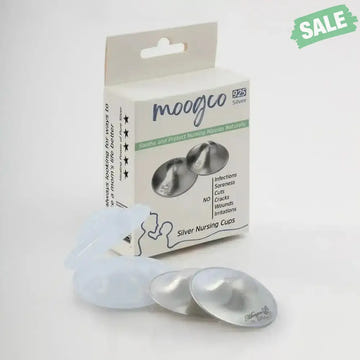
MOOGCO Silver Nursing Cups 925k Silver - Protect Aga...
$34.75

The Original Silver Nursing Cups with Silicone Pads
$62.90
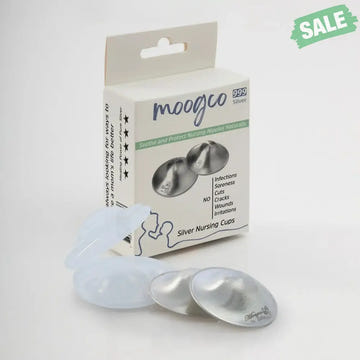
MOOGCO Silver Nursing Cups 999k Silver
$49.90
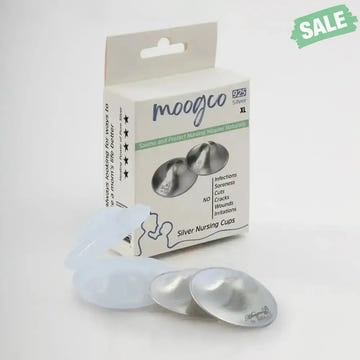
MOOGCO Silver Nursing Cups 925k Silver
$34.75
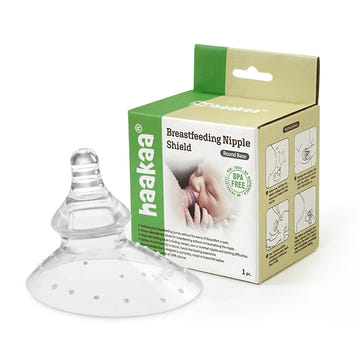
Haakaa Silicone Breastfeeding Nipple Shield Round Sh...
$19.05
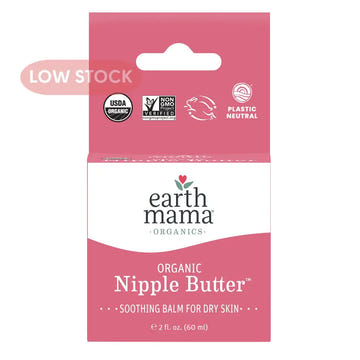
Organic Nipple Butter™ - Double-Sided for Kids
$14.99
Real essentials, picked by real moms
Take 15% off at checkout, applied automatically when you shop through this link.
Shop with HAPPYSPRING →Free US shipping over $100. Code applies automatically at checkout.
What are Montgomery glands and why do they become more visible during breastfeeding?
Montgomery glands are the small, raised bumps on your areola that secrete an oily substance to lubricate and protect your nipples during nursing. During pregnancy and breastfeeding, these glands become more prominent and active as your body prepares for and supports milk production. The oil they produce has natural antibacterial properties and helps keep your nipples moisturized, so there's no need to wash it off before nursing.
Can nipple sensitivity affect my milk let-down reflex?
Yes, the nerve endings in your nipples play a crucial role in triggering your let-down reflex. When your baby latches and begins to nurse, those sensitive nerve endings send signals to your brain to release oxytocin, which causes your milk to flow. If you're experiencing significant nipple pain or damage, it can sometimes interfere with this reflex, making it harder for milk to let down comfortably.
Is it normal for one nipple to be more sensitive than the other?
Yes, it's completely normal for one nipple to be more sensitive than the other, as nipple sensitivity can vary between breasts. This difference may be due to variations in nerve density, previous injury, or simply individual anatomy. Many mothers also notice that babies may prefer one side or latch differently on each breast, which can contribute to different sensitivity levels over time.
More Related Picks
A few more favorites from the same collection.
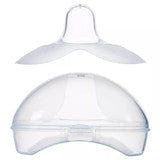
Bae & Bee Boutique Cherry Shaped Nipple Shield 21mm ...
$14.00
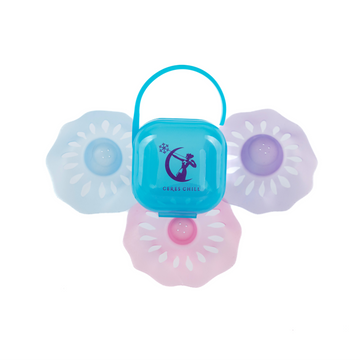
Ceres Chill Shield Maiden Nipple Shields 2pc or 3pc ...
$14.50
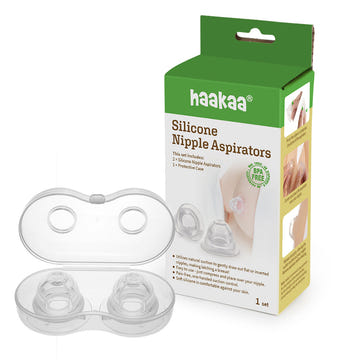
Haakaa Silicone Inverted Nipple Aspirators 2 pk
$17.99
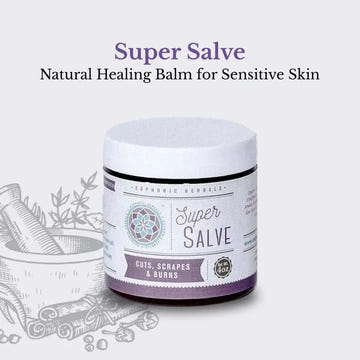
Euphoric Herbals Super Salve Nursing Salve no essent...
$10.00
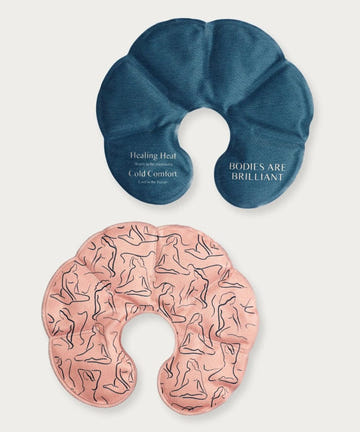
Nyssa Breast Ice and Heat Therapy Packs 8-inch Full-...
$20.00
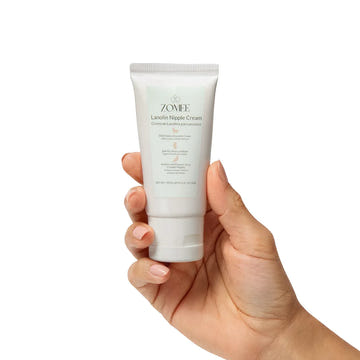
Zomee Breast Pumps Lanolin Nipple Cream
$9.99
How long does it take for nipples to adjust to breastfeeding?
Most mothers find that their nipples adapt to breastfeeding within the first two to three weeks, though this timeline can vary. Initially, you may experience some tenderness as your skin adjusts to frequent nursing, but this should not progress to severe pain or damage. If you're experiencing ongoing pain beyond the first few weeks, it's important to check for latch issues or seek support from a lactation consultant.
Can temperature changes affect nipple sensitivity during breastfeeding?
Yes, temperature changes can significantly affect nipple sensitivity due to the high concentration of nerve endings. Cold temperatures can cause nipple contraction and increased sensitivity, while warmth can promote blood flow and comfort. Some mothers with conditions like Raynaud's phenomenon experience painful nipple reactions to cold, and using warming measures or products that provide gentle insulation can help manage this sensitivity.
Why do my nipples still feel sensitive even when my baby has a good latch?
Even with a correct latch, some nipple sensitivity is normal, especially in the early weeks of breastfeeding or during hormonal fluctuations. The intense suction and frequent stimulation can temporarily increase sensitivity as your body adjusts. However, if the sensitivity progresses to pain, cracking, or bleeding, it's worth having a lactation consultant observe a full feeding session, as subtle latch issues or other factors like tongue tie may be present.
From Moogco Studio
Printable and personalized nursery essentials. Designed by moms for moms.


About the Editor
Eda Ulger is a co-founder of Moogco Baby, the editor of the Moogco Baby Journal, and a mom of two. She curates and edits our guides so every piece is honest, practical, and genuinely helpful for the early days of motherhood.
Shop This Story
Picks related to this guide, ready to ship from Moogco.
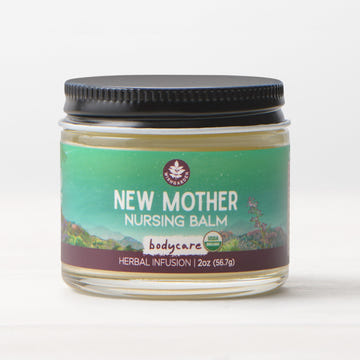
WishGarden Herbs New Mother Nursing Balm USDA Organic
$14.99
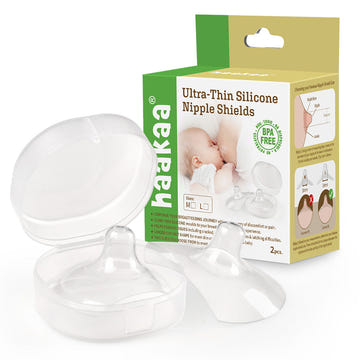
Haakaa Silicone Nipple Shields 2-pack 18 mm
$13.93
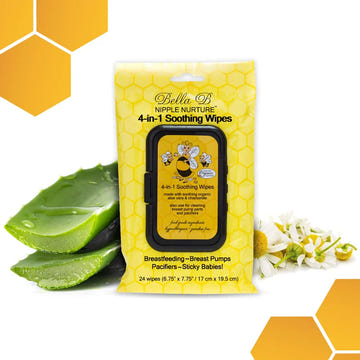
Bella B Nipple Nurture 4-in-1 Soothing Wipes
$5.99

Silver Soothing Nipple Shields
$39.99
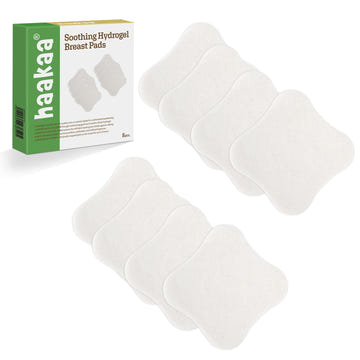
Haakaa Soothing Hydrogel Breast Pads
$9.99
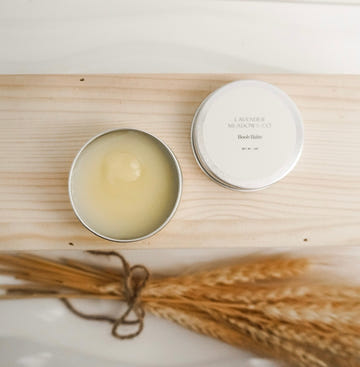
Lavender Meadows Co Boob Balm 1oz breastfeeding nipp...
$12.00

Nēmah Renewing Nipple + Lip Balm calendula multi-use
$18.00
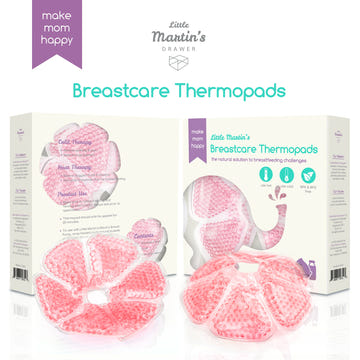
Little Martin's Drawer Breast Care Thermopads Hot Co...
$18.99
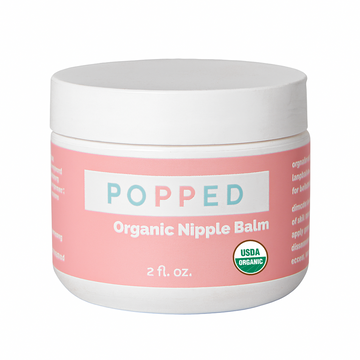
Popped Organic Nipple Balm 2 oz Unscented Lanolin-Free
$12.99
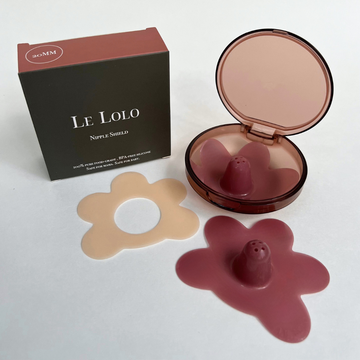
Hello Postpartum Colored Nipple Shield System with Case
$20.00