


Breastfeeding is a natural and beneficial way to nourish your baby, providing essential nutrients and fostering a strong bond between mother and child. However, it’s important to be aware of certain substances and practices that can negatively impact breastfeeding and your baby’s health. In this blog post, we’ll explore what to avoid while breastfeeding, why these precautions are necessary, and how tools like Moogco silver nursing cups can support your breastfeeding journey by promoting comfort and health.
Foods and Beverages to Avoid
Caffeine: While moderate caffeine consumption is generally considered safe, excessive intake can affect your baby’s sleep and behavior. Limit your consumption of coffee, tea, and other caffeinated beverages to ensure your baby remains calm and well-rested.
Alcohol: Alcohol can pass into breast milk and affect your baby’s development. If you choose to drink alcohol, it’s best to do so sparingly and time it carefully, allowing at least two hours per drink before breastfeeding. This practice helps minimize the amount of alcohol in your milk.
Certain Fish: Fish like swordfish, king mackerel, and tilefish contain high levels of mercury, which can be harmful to your baby’s developing nervous system. Opt for low-mercury fish such as salmon, tilapia, and shrimp, and limit your intake to two servings per week.
Spicy and Gassy Foods: Some babies may be sensitive to spicy foods or foods that cause gas, such as beans, broccoli, and onions. Monitor your baby’s reactions and adjust your diet accordingly to ensure their comfort.
Herbs and Supplements: Certain herbs and supplements can affect milk production or pose risks to your baby. Avoid using herbal supplements without consulting a healthcare professional, and steer clear of herbs like sage, parsley, and peppermint, which may reduce milk supply.
Medications and Substances to Avoid
Over-the-Counter Medications: Not all over-the-counter medications are safe for breastfeeding mothers. Always consult your healthcare provider before taking any medication, including pain relievers, cold medicines, and antihistamines, to ensure they are safe for you and your baby.
Prescription Medications: Some prescription medications can pass into breast milk and affect your baby. Discuss all medications with your healthcare provider to determine safe alternatives or necessary adjustments.
Smoking and Nicotine: Nicotine from smoking or using e-cigarettes can pass into breast milk and harm your baby’s health. It can lead to issues such as respiratory problems, irritability, and poor weight gain. Quitting smoking is the best option for your baby’s well-being.
Recreational Drugs: Recreational drugs, including marijuana, can have serious adverse effects on your baby’s development and health. Avoid using recreational drugs while breastfeeding to ensure your baby’s safety.
Lifestyle and Environmental Factors to Avoid
Stress: High levels of stress can negatively impact milk production and your overall breastfeeding experience. Practice relaxation techniques, seek support from loved ones, and prioritize self-care to manage stress effectively.
Excessive Exercise: While moderate exercise is beneficial, excessive or intense workouts can affect milk production and alter the taste of breast milk due to increased lactic acid levels. Aim for balanced and gentle exercise routines that support your health without compromising breastfeeding.
Chemicals and Toxins: Avoid exposure to harmful chemicals and toxins, such as pesticides, solvents, and heavy metals, which can pass into breast milk. Choose organic foods, use natural cleaning products, and minimize contact with potentially harmful substances.
Breastfeeding Comfort and Support
Moogco Silver Nursing Cups: Breastfeeding can sometimes lead to sore or cracked nipples, making it challenging to continue nursing. Moogco silver nursing cups provide natural antibacterial protection, promoting healing and preventing infections. Their smooth surface reduces friction and irritation, ensuring a more comfortable breastfeeding experience.
Proper Latch and Positioning: Ensuring a proper latch and comfortable breastfeeding position can prevent nipple pain and make breastfeeding more enjoyable for you and your baby. Seek guidance from a lactation consultant if you experience difficulties.
Conclusion
Breastfeeding is a rewarding and nurturing experience, but it’s important to be mindful of certain foods, medications, and lifestyle factors that can affect your baby’s health. By avoiding harmful substances and practices, you can ensure a healthy start for your little one. Tools like Moogco silver nursing cups can further enhance your breastfeeding journey by providing comfort and protection. Embrace the journey of breastfeeding, knowing you are making the best choices for your baby’s well-being and your own health.

Bring this guide home with $15 off.
Use code BABY15 for $15 off →Frequently Asked Questions
How long after drinking alcohol is it safe to breastfeed my baby?
It's generally recommended to wait at least two hours per standard drink before breastfeeding to allow alcohol levels in your breast milk to decrease. The exact timing depends on factors like your weight and how much you consumed. If you're unsure, you can always pump and discard milk or wait until you feel completely sober before nursing.

Can I drink coffee every day while breastfeeding?
Yes, moderate caffeine consumption of about 200 to 300 milligrams per day, roughly two to three cups of coffee, is generally considered safe while breastfeeding. However, some babies are more sensitive to caffeine and may become fussy or have trouble sleeping. If you notice these signs, consider reducing your intake and monitoring your baby's response.
Curated by moms, vetted by lactation pros
Picks From This Story
Picks related to this guide, ready to ship from Moogco.

The Original Silver Nursing Cups with Silicone Pads
$62.90
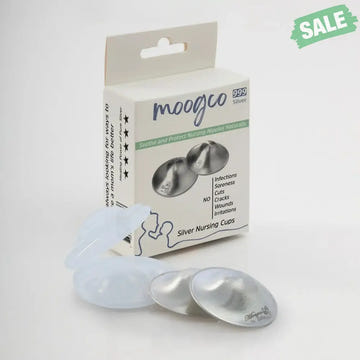
MOOGCO Silver Nursing Cups 999k Silver
$49.90

momjug breastfeeding water bottle 50oz double-wall s...
$49.99
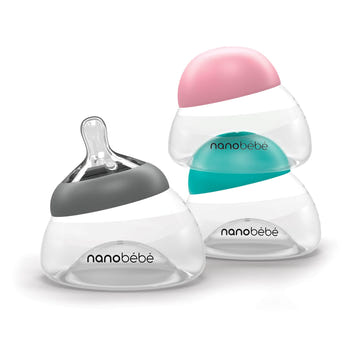
Nanobébé Breastmilk Baby Bottle 5 oz Pack Options Pi...
$16.99
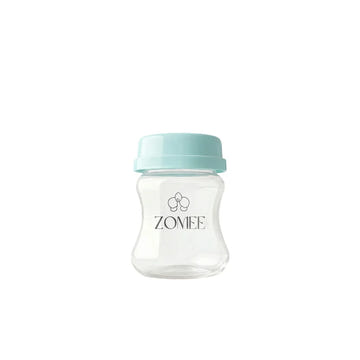
Zomee Breast Pumps Breast Milk Storage Bottles BPA-free
$3.99
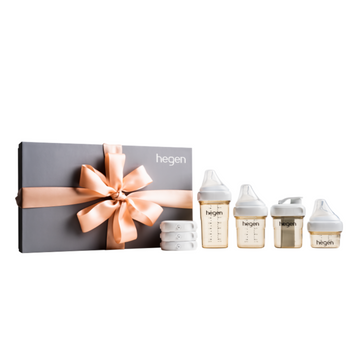
hegen PPSU Essentials Kit 60ml 150ml 240ml baby bottles
$99.99
Everything for the breastfeeding journey
Take $15 off at checkout, applied automatically when you shop through this link.
Shop with BABY15 →Free US shipping over $100. Code applies automatically at checkout.
What are the signs that my diet is bothering my breastfed baby?
Common signs include unusual fussiness, excessive gas, diarrhea, rash, or changes in sleep patterns after you eat certain foods. Many babies are sensitive to dairy, soy, or spicy foods in their mother's diet. Keep a food diary to track what you eat and any reactions your baby has, and consult your pediatrician if symptoms persist.
Will exercise change the taste of my breast milk?
Intense exercise can temporarily increase lactic acid levels in breast milk, which may slightly alter its taste, though most babies don't seem to mind. Moderate exercise is beneficial and shouldn't affect milk taste or supply. If your baby seems to reject nursing after vigorous workouts, try showering first or waiting 30 to 60 minutes before breastfeeding.
Are there any herbs I should completely avoid while breastfeeding?
Yes, certain herbs like sage, parsley in large amounts, peppermint, and oregano can reduce milk supply. Others like comfrey, ephedra, and kava may be harmful to your baby. Always consult with your healthcare provider or a lactation consultant before taking any herbal supplements, even those marketed as natural or safe.
More Related Picks
A few more favorites from the same collection.
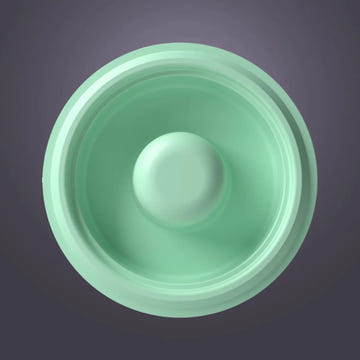
Healthy Horizons Elvie Stride Diaphragms 2 Pack
$21.99
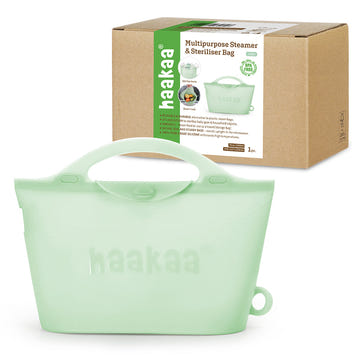
Haakaa Multipurpose Steamer & Sterilizer Bag 3 sizes...
$14.99
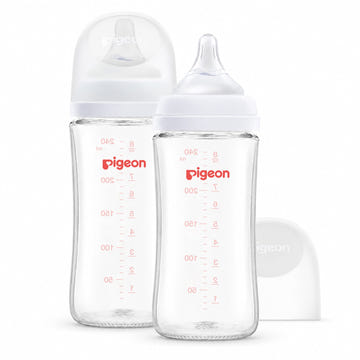
Pigeon Glass Wide Neck Baby Bottle 2-Pack 8.1 oz 3+ ...
$35.99
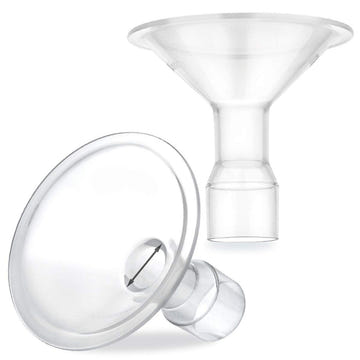
Bae & Bee Boutique Maymom Narrow Neck Flange compati...
$15.00
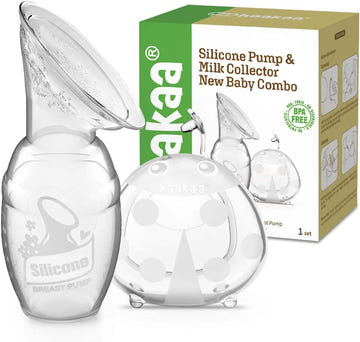
Haakaa Silicone Pump and Ladybug Milk Collector Comb...
$30.32
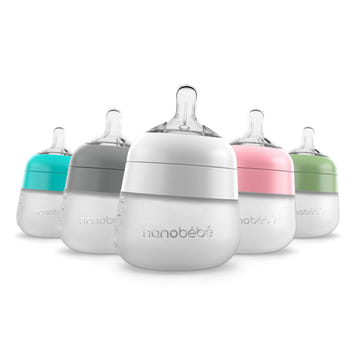
Nanobébé Flexy Silicone Baby Bottle 5oz
$16.99
Can I take ibuprofen or acetaminophen while breastfeeding?
Both ibuprofen and acetaminophen are generally considered safe for breastfeeding mothers when taken as directed. Only small amounts pass into breast milk and are unlikely to harm your baby. However, always consult your healthcare provider before taking any medication to ensure it's appropriate for your specific situation.
How does smoking affect my breast milk and baby?
Nicotine passes into breast milk and can cause irritability, poor sleep, respiratory issues, and reduced weight gain in babies. Smoking also decreases milk supply and increases the risk of SIDS. If you're struggling to quit, breastfeeding is still beneficial, but try to smoke after nursing sessions and never smoke around your baby to minimize exposure.
Should I avoid all fish while breastfeeding due to mercury concerns?
No, you don't need to avoid all fish, as many varieties are low in mercury and provide essential omega-3 fatty acids beneficial for your baby's development. Choose low-mercury options like salmon, tilapia, cod, and shrimp, and limit consumption to about two to three servings per week. Avoid high-mercury fish like swordfish, king mackerel, and tilefish to protect your baby's developing nervous system.
From Moogco Studio
Printable and personalized nursery essentials. Designed by moms for moms.


About the Editor
Eda Ulger is the editor at Moogco Baby and a mom of two. She curates and edits our guides so every piece is honest, practical, and genuinely helpful for the early days of motherhood.
Shop This Story
Picks related to this guide, ready to ship from Moogco.
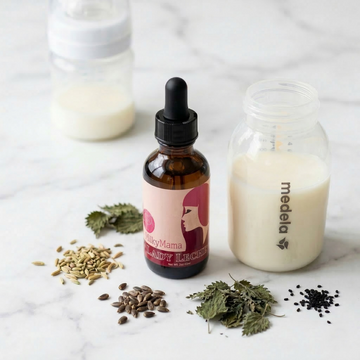
Milky Mama Lady Leche Lactation Liquid Grape Flavor ...
$27.00
Bae & Bee Boutique LactTube 5FR Pediatric Feeding Tu...
$3.00
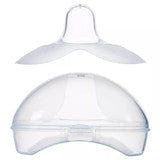
Bae & Bee Boutique Cherry Shaped Nipple Shield 21mm ...
$14.00

Nanobébé Silicone Anti-Colic Baby Bottle Nipples Gen...
$5.99
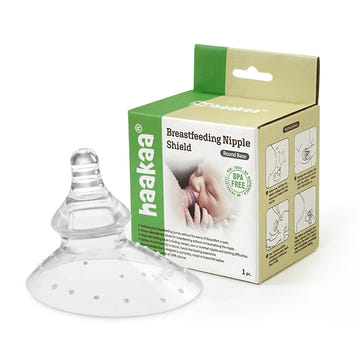
Haakaa Silicone Breastfeeding Nipple Shield Round Sh...
$19.05
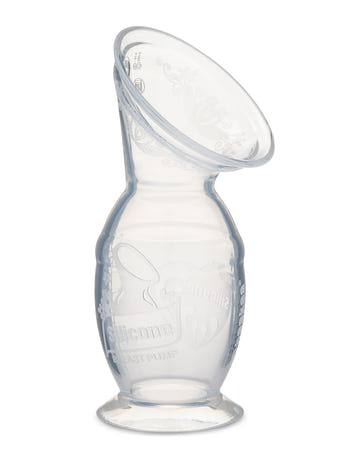
Haakaa Generation 2 Silicone Breast Pump 5 oz Suctio...
$20.99
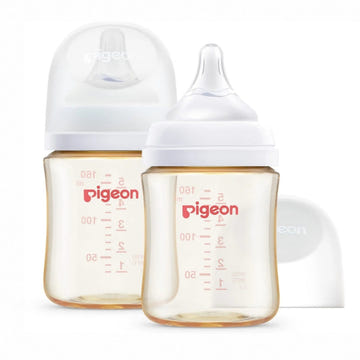
Pigeon PPSU Wide Neck Baby Bottle 2 Pack 5.4 oz Newborn
$34.99
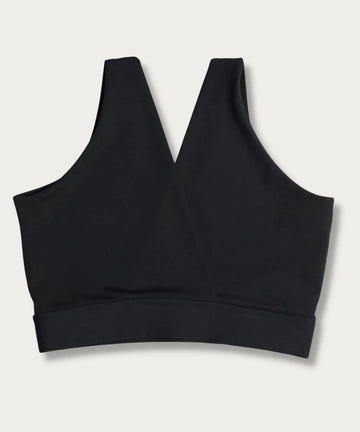
Nyssa FourthWear Postpartum Bralette Nursing and Pum...
$39.00
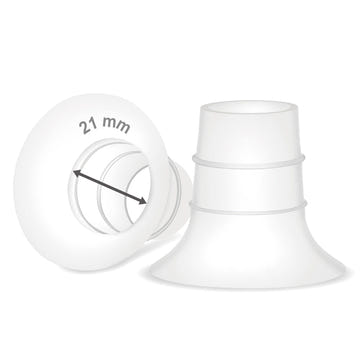
Bae & Bee Boutique Maymom Silicone Medela Flange Ins...
$6.00
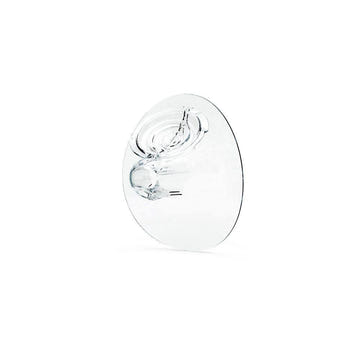
Healthy Horizons Elvie Pump Breast Shields 2 Pack 21...
$29.99