


If your period is late, it’s completely natural for your mind to go straight to one question — Am I pregnant?
For many women, that question brings a mix of emotions: curiosity, excitement, and hope. Whether you’re trying for a baby or simply paying closer attention to your cycle, waiting for answers can feel endless.
Before you start worrying or overanalyzing, take a moment to breathe. Our bodies are sensitive to countless factors: stress, sleep, diet, travel, breastfeeding, hormonal changes… even small lifestyle shifts can delay ovulation and, in turn, your period. And of course, there’s one more possible reason — you might be pregnant.
In this post, we’ll explore:
-
Why your period might be late
-
How stress, hormones, and daily life affect your cycle
-
When to take a test or talk to your doctor
-
Gentle ways to care for yourself while you wait
🌿 Common Reasons Your Period Might Be Late
Your menstrual cycle isn’t a clock — it’s a rhythm that changes with your body, emotions, and environment. Even if your period is usually predictable, small disruptions can shift its timing.
-
Stress — High stress can delay ovulation via cortisol.
-
Postpartum or Breastfeeding Hormones — Prolactin can suppress ovulation for weeks or months.
-
Changes in Sleep, Travel, or Routine — Jet lag/night feedings can shift your internal clock.
-
Diet or Weight Changes — Rapid changes can affect hormone balance.
-
Perimenopause or Hormonal Shifts — Irregular periods in your 30s/40s may signal transitions.
💭 It’s Okay to Feel Uncertain
When your period doesn’t arrive as expected, it’s easy to feel caught between hope and worry. You might find yourself checking your calendar again or quietly wondering what’s happening. Be gentle with yourself while you’re in this waiting space.
🩺 When to Take a Test (and When to Just Wait It Out)
If your period is a few days late, you can take a pregnancy test — especially if your cycles are usually regular. Most home tests are accurate around two weeks after ovulation, but testing too early can sometimes show a false negative.
If the test is negative and your period still hasn’t started after another week, take another one. Hormone levels rise at different speeds for everyone, and a second test can give a clearer result.
In some cases, a blood test can be done in a doctor’s office to detect pregnancy even a few days earlier than an at-home urine test. Blood tests measure exact hCG levels, providing a more sensitive and reliable result if you need clarity sooner.
This is also a good time to reflect: have you been under more stress, sleeping less, eating differently, or recovering from illness/travel? All of these can temporarily shift your cycle.
🌸 How to Care for Yourself While You Wait
-
Rest and restore. Good sleep and downtime support hormone balance.
-
Stay hydrated and nourished. Balanced meals help your natural rhythm.
-
Move gently. Walking or stretching lowers stress.
-
Notice patterns. Track mood, energy, and symptoms.
-
Be kind to yourself. Your feelings are valid; your body is adapting.
Picks From This Story
Picks related to this guide, ready to ship from Moogco.

Sunflower Motherhood Morning Sickness Box nausea rel...
$65.00
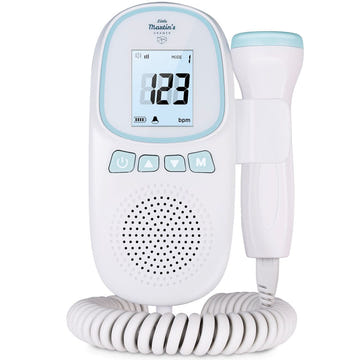
Little Martin's Portable Fetal Doppler USB Rechargea...
$69.99
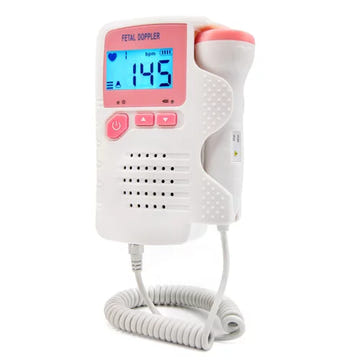
Little Martin's Drawer SpringBud FD-200B Fetal Doppl...
$52.99
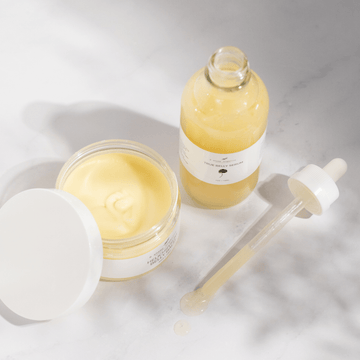
2-Step Stretch Mark Prevention Bundle
$69.00
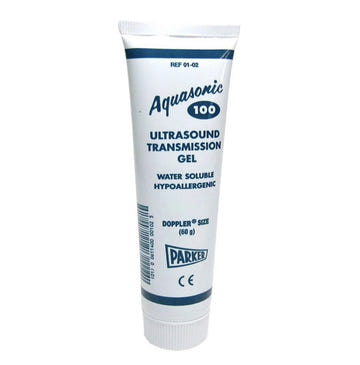
Aquasonic 100 Ultrasound Transmission Gel
$6.99
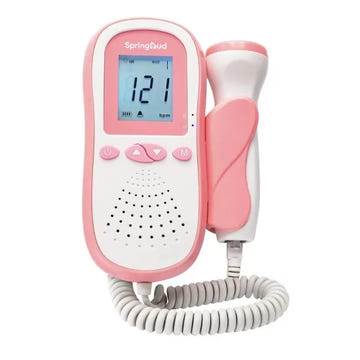
Little Martin's Drawer SpringBud FD-500B Fetal Doppl...
$59.99
🩸 When to Talk to Your Doctor
A single late period usually isn’t a cause for concern. But if your cycle stays irregular, your period hasn’t come for more than six weeks, or you’re experiencing severe pain, dizziness, or unusual spotting, reach out to your healthcare provider.
If you don’t currently have a doctor, this can be a good time to find one. You can contact your health insurance provider to learn which doctors are covered under your plan and begin researching options.
Many OB/GYN offices schedule the first prenatal appointment around 6–8 weeks of pregnancy, so reaching out early can help you get on their schedule and feel prepared. Whether you’re pregnant or not, building that connection early helps you feel supported and informed about your health.
Your doctor can help identify whether the cause is hormonal, stress-related, or tied to another health factor. And if you’re trying to conceive, they can guide you on next steps with reassurance and clarity.
💬 A Gentle Reminder
So instead of rushing to conclusions, take a moment to listen. Whether this month brings new beginnings or simply a reset, your body is still doing its quiet, remarkable work.
Bring this guide home with 20% off.
Use code MOM20 for 20% off →
Featured pick from Moogco
MOOGCO Silver Nursing Cups 999k Silver - BPA-Free for Babies & Toddlers
$46.90 $52.90
Shop this pick → Frequently Asked Questions
How soon after a missed period can a home pregnancy test detect pregnancy?
Most home pregnancy tests are accurate about two weeks after ovulation, or around the first day of your missed period. However, hormone levels vary from person to person, so testing a few days after your missed period can increase accuracy. If you test too early and get a negative result but your period still hasn't arrived, wait a few more days and test again.

Can stress really delay my period even if I'm not pregnant?
Yes, stress can absolutely delay your period. High stress levels increase cortisol, which can interfere with the hormones that trigger ovulation. When ovulation is delayed, your period shifts later too. This is especially common during major life changes, illness, or emotionally intense periods.
Curated by moms, vetted by lactation pros
Everything for the breastfeeding journey
Take 20% off at checkout, applied automatically when you shop through this link.
Shop with MOM20 →Free US shipping over $100. Code applies automatically at checkout.
More Related Picks
A few more favorites from the same collection.
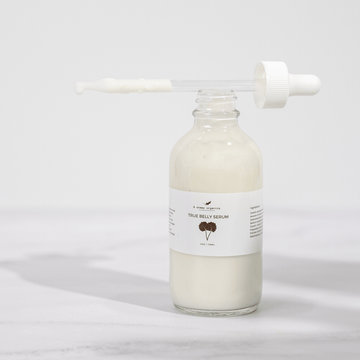
True Belly Serum
$47.00

8 Sheep Organics Organic Sleepy Body Lotion for Preg...
$29.00
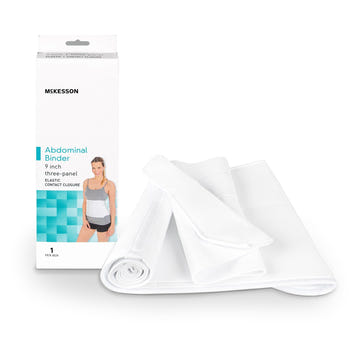
LL Medico McKesson Abdominal Binder Small Medium Whi...
$14.99
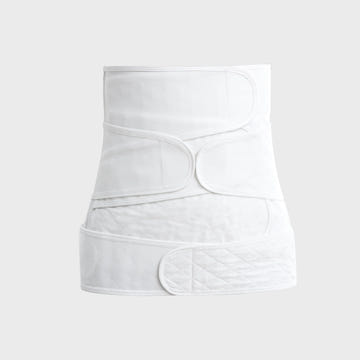
SUNVENO 2-in-1 Postpartum Belt Wrap Waist Waist Belt...
$34.99

Baby Jolie Paris Triple Action Stretch Marks Cream 7...
$29.99

Preggie Drops Plus Morning Sickness Relief Lollies, ...
$13.75
How long after giving birth can breastfeeding prevent my period from returning?
Breastfeeding can delay the return of your period for several weeks to many months, depending on how often you nurse. The hormone prolactin, which supports milk production, can suppress ovulation. Some moms don't get their period back until they start weaning or reduce nursing frequency, while others may resume cycles sooner.
What's the difference between a urine pregnancy test and a blood test at the doctor's office?
A blood test is more sensitive and can detect pregnancy a few days earlier than a home urine test. Blood tests also measure the exact level of hCG hormone in your body, which can help confirm pregnancy or identify potential concerns. If you need early or definitive results, your doctor may recommend a blood test.
Is it normal for my period to be irregular in my late 30s or 40s?
Yes, irregular periods in your late 30s and 40s can be a sign of perimenopause, the transition leading up to menopause. Hormone fluctuations during this time can cause cycles to lengthen, shorten, or skip altogether. If you're unsure whether changes are related to perimenopause or another cause, your doctor can help clarify.
When should I be concerned about a late period and call my doctor?
A single late period is usually not a concern, especially if you've been stressed or experienced lifestyle changes. However, if your period is more than six weeks late, you have severe pain, unusual spotting, dizziness, or your cycles remain irregular for several months, it's a good idea to reach out to your healthcare provider for evaluation.
Can traveling or changing time zones affect when my period comes?
Yes, travel and time zone changes can temporarily disrupt your cycle. Jet lag, changes in sleep patterns, and shifts in routine can all affect your body's internal clock and hormone production. This can delay ovulation and push your period back a few days or even longer.
What should I do while waiting to find out if I'm pregnant?
While you wait, focus on gentle self-care. Get plenty of rest, stay hydrated, eat balanced meals, and move your body in ways that feel good, like walking or stretching. It's also helpful to track your symptoms and feelings. Remember to be kind to yourself during this uncertain time, your emotions are completely valid.
From Moogco Studio
Printable and personalized nursery essentials. Designed by moms for moms.


About the Editor
Eda Ulger is the editor at Moogco Baby and a mom of two. She curates and edits our guides so every piece is honest, practical, and genuinely helpful for the early days of motherhood.
Shop This Story
Picks related to this guide, ready to ship from Moogco.
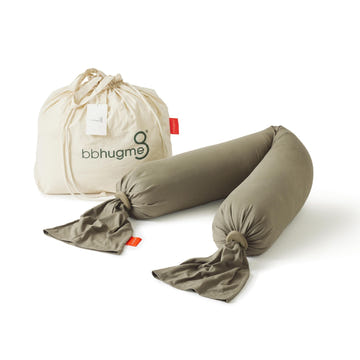
bbhugme Pregnancy Pillow Dusty Olive Adjustable Firm...
$219.00
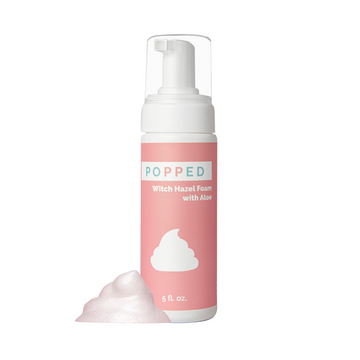
Popped Witch Hazel Foam with Aloe 5 fl oz Postpartum...
$12.99
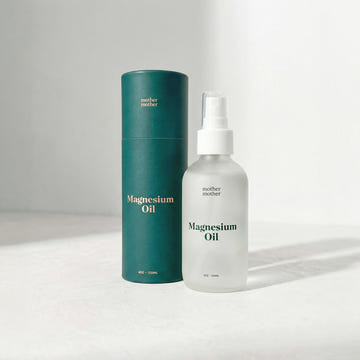
Mother Mother Magnesium Oil Spray 4 oz glass bottle
$34.00

Mother Mother Face + Belly Oil 1 oz glass dropper bo...
$36.00

Euphoric Herbals Womb Wellness Prenatal Tea Organic ...
$24.99
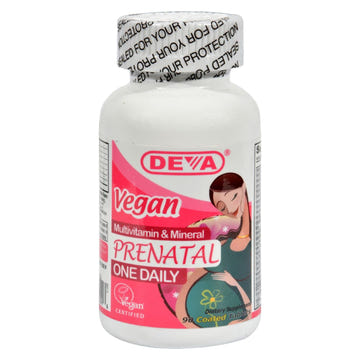
Cozy Farm Deva Prenatal Vegan Multivitamin 90 Tablets
$16.60

Nēmah Renewing Scar Cream for Pregnancy Breastfeedin...
$34.00

Hello Postpartum All-Natural Whipped Tallow Belly Bu...
$40.00

The Spoiled Mama Tummy Butter for Stretch Marks 4 oz...
$45.00

bbhugme Pregnancy Pillow Stone Adjustable 5-Point Su...
$219.00