


When that familiar, queasy feeling of an upset stomach takes hold, the last thing you want is a complicated fix. Sometimes, the simplest solutions are the most effective, and a warm cup of anti nausea tea is a perfect example. Herbs like ginger, peppermint, and chamomile have been go-to remedies for generations, trusted to calm digestive upset and gently ease nausea.
Your First Step to Soothing Nausea Naturally
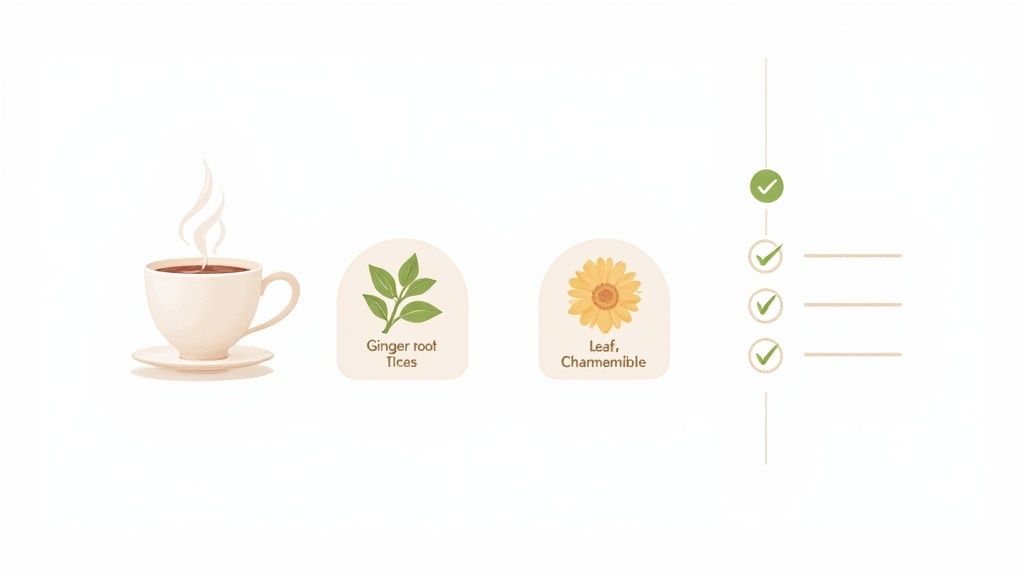

When nausea throws your day off course, wrapping your hands around a warm mug of herbal tea is more than just comforting—it's a remedy rooted in both long-standing tradition and solid science. This guide is here to walk you through how to use these powerful plants safely and effectively.
Free US shipping over $100
Real essentials, picked by real moms
Take $15 off at checkout, applied automatically when you shop through this link.
Shop with READER15 →Free US shipping over $100. Code applies automatically at checkout.
We’ll start by exploring the best teas for settling your stomach, so you can quickly find the right one for you. After that, we’ll get into the specifics of why they work so well. Think of your body's nausea signals as a faulty smoke detector that's going off for no reason; the natural compounds in these teas help dial it back down.
What to Expect in This Guide
My goal is to give you everything you need to feel confident using anti-nausea tea whenever you need it. We'll cover:
- A Closer Look at the Best Teas: We'll break down the top choices, including ginger, peppermint, and chamomile.
- Brewing for Maximum Relief: You'll get simple, step-by-step instructions to get the most out of every cup.
- Important Safety Guidelines: I'll share critical advice on safe use, especially for those who are pregnant or breastfeeding.
Speaking of pregnancy, for any expecting mothers exploring natural wellness, our guide on how to prepare for breastfeeding might also be a great resource to have on hand.
It’s clear that more and more people are turning to these time-tested remedies. The global herbal tea market was valued at roughly USD 3.5 billion in 2023 and is expected to climb to USD 6.2 billion by 2032. You can dig into more details about the global tea market on ResearchAndMarkets.com.
Now, let's get to brewing.
How Herbal Teas Soothe an Upset Stomach
Ever wondered how a simple cup of tea can actually stop nausea in its tracks? It's not magic, but a fascinating bit of biology. Think of your body's nausea signals as a smoke detector that's a little too sensitive—it's blaring, but there’s no fire. The natural compounds in these herbs act like a calm technician, figuring out how to quiet the alarm.
This whole process relies on a few key actions that work together to settle your stomach. The best teas for nausea usually contain herbs that tackle the problem from several angles, which is why they can bring such quick and effective relief.
The Active Compounds Doing the Heavy Lifting
The real power behind a cup of anti-nausea tea comes from its bioactive compounds. These are just naturally occurring chemicals in plants that have real, measurable effects on our bodies. For example, ginger is packed with potent substances called gingerols and shogaols, while peppermint gets its punch from menthol.
These compounds are the MVPs. As you sip your tea, they get to work, interacting directly with your digestive system and even your brain to turn down the volume on that queasy feeling.
"The active compounds in herbs like ginger may help relax the digestive tract muscles and reduce nausea signals sent to the brain. This dual-action approach is why they are so effective for many people."
When you understand what these compounds are doing, it makes sense why these remedies have been trusted for centuries. They aren’t just masking the symptom; they're actively working on the digestive distress that's causing the nausea in the first place.
The Three Main Ways Teas Provide Relief
So, what are these compounds actually doing? They mostly use a three-pronged approach to settle your stomach.
-
Relaxing Stomach Muscles: Nausea often comes with uncomfortable stomach spasms and cramps. Compounds like menthol in peppermint are known for their antispasmodic properties, which means they help the smooth muscles in your stomach wall relax. This stops the churning and contracting that makes you feel so sick.
-
Getting Digestion Moving: Sometimes, nausea happens simply because your stomach is emptying too slowly. The gingerols in ginger tea are great for speeding up gastric emptying, which helps food move along into the small intestine more efficiently. This can relieve that awful pressure and bloating that often triggers nausea.
-
Interrupting Nausea Signals: Your gut and brain are constantly talking to each other. Certain compounds can interfere with serotonin receptors in both your digestive tract and your brain. By blocking these receptors, they can interrupt the chemical messages that tell your brain you feel sick, essentially hitting the mute button on your body's nausea alarm.
Picks From This Story
Picks related to this guide, ready to ship from Moogco.
8 Sheep Organics Juniors Bedtime Lotion deep sea mag...
$23.00

Garner's Garden Baby Hair Butter Unscented 100% All-...
$15.00

Happy Liver
$29.95

LL Medico BodyMed Pediatric Dog Compressor Nebulizer...
$29.99
Health Ranger Store Nascent Iodine 1 fl oz 2% Cap Lo...
$41.95
Health Ranger Store Clean Chlorella 200mg Tablets 2....
$15.95
The Best Anti-Nausea Teas Explained
When you're dealing with a queasy stomach, wading through the world of herbal remedies can feel like a chore. The good news is that a few tried-and-true options consistently rise to the top for their ability to settle things down.
If you're looking for the best anti-nausea tea, you'll quickly find four superstars: ginger, peppermint, chamomile, and fennel. Each one works a little differently, making them better suited for specific kinds of nausea. Once you understand what each one does best, you can pick the perfect brew to get the relief you need, whether it's from a bumpy car ride or a meal that didn't quite agree with you.
Ginger Tea: The Potent Soother
There's a reason ginger is the first thing most people think of for nausea—it really works. Its power comes from two active compounds, gingerols and shogaols, which have been researched time and again for their anti-nausea properties. These compounds actually help your stomach empty faster, moving food along so you don't have that heavy, queasy feeling sitting in your gut.
This makes ginger tea a fantastic go-to for:
- Motion Sickness: Sipping it before you head out can make a real difference on long trips.
- Morning Sickness: Countless studies have shown it’s a safe and effective way to manage nausea during pregnancy.
- Post-Surgery Nausea: It's often suggested for calming the stomach as anesthesia wears off.
The trust in natural options like ginger is growing, and it shows. The entire nausea medicine market, which covers both pharmaceuticals and herbal aids, is on track to reach USD 4.86 billion by 2032. You can find more details about this growing market on BioSpace.
Peppermint Tea: The Digestive Aid
If your nausea feels more connected to bloating, gas, or general indigestion, peppermint tea is your best bet. The secret here is menthol, a compound with antispasmodic properties. In simple terms, it helps relax the muscles in your digestive tract. This eases the cramping and spasms that often come with an upset stomach and trigger that nauseous feeling.
Think of peppermint as a calming agent for a stomach that's working overtime. It’s less about speeding things up like ginger and more about soothing the whole system to reduce discomfort.
Chamomile and Fennel: The Gentle Calmers
Everyone knows chamomile is great for relaxation and sleep, but those calming effects work on your digestive system, too. It acts as a gentle anti-inflammatory and can help ease stomach muscle spasms, making it perfect for nausea that's tied to stress or anxiety.
Fennel tea is another wonderful, albeit less common, choice for digestive-related nausea. It has a long history of use for relieving gas, bloating, and stomach cramps. It’s a mild but surprisingly effective brew for general stomach upset. For new moms navigating the postpartum period, gentle remedies are essential. You might also find our guide on the best natural nipple cream for breastfeeding comfort helpful.
This quick decision tree can help you zero in on the right tea for what you're feeling right now.
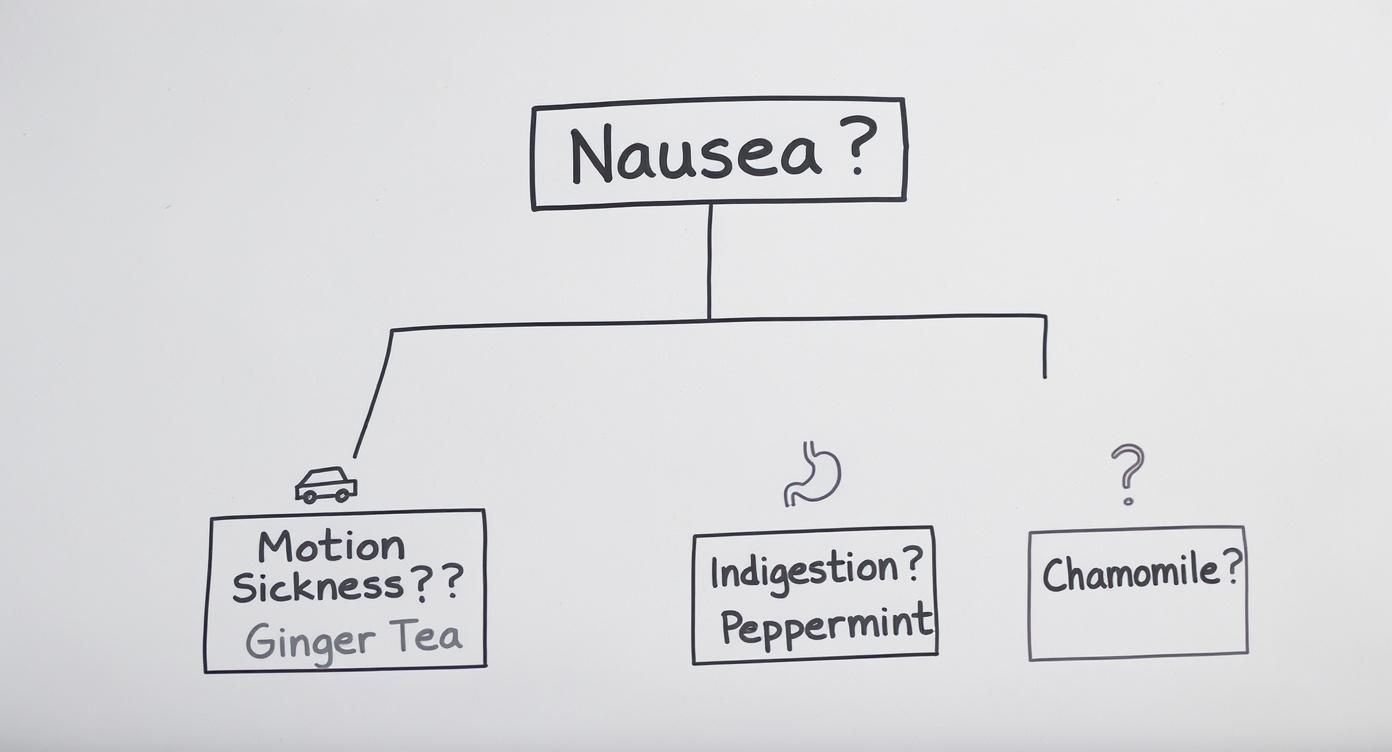
As you can see, ginger is the clear winner for motion-related queasiness, while peppermint really shines when indigestion is the culprit.
Comparing Top Anti-Nausea Teas
To make the choice even clearer, let's put these herbal heavyweights side-by-side. Seeing their strengths and weaknesses laid out can help you quickly find the one that's right for you.
| Tea Type | Scientific Evidence | Best For | Potential Side Effects |
|---|---|---|---|
| Ginger | Strong backing for motion sickness, morning sickness, and chemotherapy-induced nausea. | All-purpose nausea relief, especially when movement or pregnancy is the cause. | High doses might cause heartburn. Can interact with blood thinners. |
| Peppermint | Good evidence for nausea tied to indigestion and Irritable Bowel Syndrome (IBS). | Nausea that comes with bloating, gas, or stomach cramps. | Can sometimes worsen acid reflux or heartburn. |
| Chamomile | Supported for general digestive upset and stress-related nausea. | Nausea linked to anxiety, stress, or a mildly upset stomach. | Possible allergic reactions for those sensitive to the daisy family (like ragweed). |
| Fennel | Long history of traditional use for relieving gas, bloating, and indigestion. | Nausea from sluggish digestion or painful gas. | Generally very safe, but best consumed in moderation. |
By matching the right tea to the root cause of your nausea, you're not just sipping something warm—you're getting targeted, effective relief from some of nature's most powerful remedies.
Brewing Your Tea for Maximum Relief
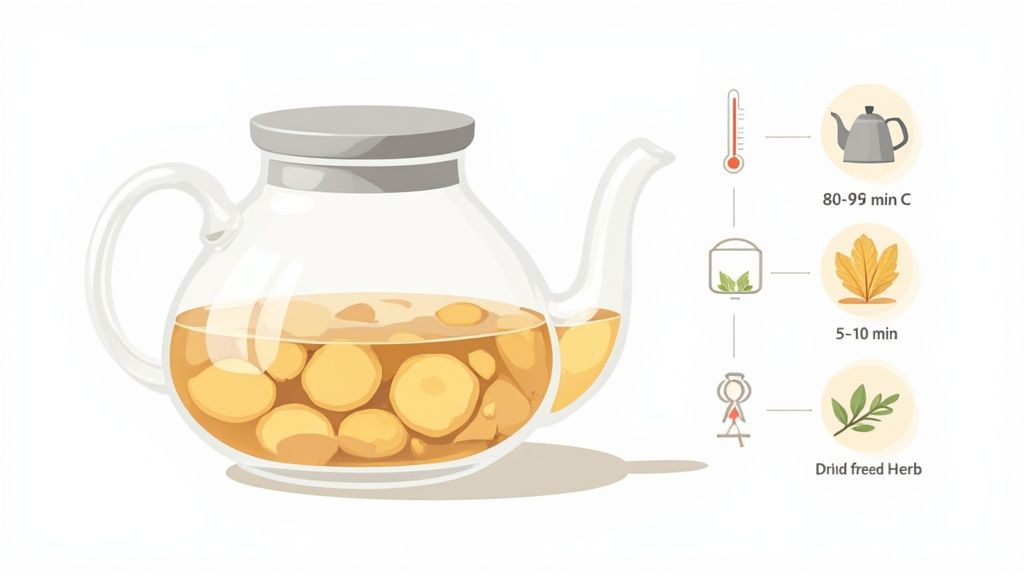
When you're trying to settle a queasy stomach, making a cup of tea is about more than just dunking a bag in hot water. To get real relief, you have to think of it as a simple extraction—you're gently pulling out the powerful natural compounds that actually calm your nausea.
The secret to a truly therapeutic brew comes down to three things: fresh ingredients, the right water temperature, and how long you let it steep. Each of these details can be the difference between a cup that just tastes nice and one that genuinely helps you feel better.
Take ginger, for example. Using fresh ginger root will almost always give you better results than the dried or powdered kind because its active compounds, the gingerols, are much more concentrated. It's the same with water temperature; different herbs need different heat levels to release their good stuff.
Temperature and Steeping Times Matter
You wouldn't want to blast delicate peppermint or chamomile leaves with scalding water—it can actually destroy their soothing properties. On the flip side, tough ingredients like ginger root need that higher heat and a longer brew time to really unlock their medicinal benefits.
Here’s a simple cheat sheet to get you started:
- Delicate Herbs (Peppermint & Chamomile): Aim for water that’s just off the boil, around 175-185°F (80-85°C). Let them steep for 3-5 minutes. This is usually the sweet spot for extracting their benefits without the tea turning bitter.
- Hearty Roots (Ginger & Fennel): These tough guys need boiling water—a full 212°F (100°C)—to break down their fibers. Give them a good, long steep of 10-15 minutes to draw out their full anti-nausea power.
Using the right tools can make hitting these targets a lot easier. An electric kettle with temperature control, for instance, takes all the guesswork out of it. If you're curious, you can find out more about an Aicok Electric Kettle for tea brewing and similar models.
Pro Tip: Always cover your cup or teapot while your tea is steeping. This simple step traps the steam, which holds the valuable volatile oils (like the menthol in peppermint) and ensures they infuse your water instead of evaporating into the air.
Simple and Effective Anti-Nausea Tea Recipes
Ready to put this into practice? Here are a couple of straightforward recipes designed to deliver maximum relief.
1. Potent Fresh Ginger Decoction
This method is fantastic for pulling every last bit of goodness from fresh ginger.
- Thinly slice a 1-inch piece of fresh ginger root. Don't worry about peeling it.
- Put the ginger slices into a small saucepan with 1.5 cups of cold water.
- Bring it all to a boil, then immediately turn the heat down to a gentle simmer for 10-15 minutes.
- Strain the liquid into a mug. A little squeeze of lemon or a dab of honey can be nice, but it's powerful on its own.
2. Calming Peppermint-Chamomile Blend
This is my go-to when nausea feels tied to stress or an upset stomach.
- Place one peppermint tea bag and one chamomile tea bag in your mug (or 1 teaspoon of each if you're using loose-leaf herbs).
- Heat your water until it’s steaming but not quite at a rolling boil, then pour it over the herbs.
- Cover the mug with a small plate and let it steep for 5-7 minutes.
- Remove the tea bags or strain the leaves, and then sip it slowly.
Safe Usage and Important Considerations
Reaching for an anti nausea tea often feels like a gentle, natural first step, and it usually is. But it’s important to remember that "natural" doesn't automatically mean "risk-free" for everyone, all the time. Like any remedy, knowing how to use it responsibly is the key to getting all the soothing benefits without any unwelcome side effects.
For most healthy adults, sipping on one to three cups of ginger, peppermint, or chamomile tea a day is perfectly fine. The best advice, though, is simply to listen to your body. For example, if you overdo it with a particularly strong ginger brew, you might find yourself trading nausea for a bit of mild heartburn. The goal here is gentle relief, not swapping one problem for another.
Special Guidance for Sensitive Groups
Herbal remedies require a bit more thought for certain people. The powerful compounds found in these plants can act differently in the bodies of expectant mothers, nursing parents, and young children.
- Pregnancy and Morning Sickness: Ginger tea is a well-known ally for morning sickness. Most research points to 1 gram of ginger daily as a safe upper limit—that’s roughly what you'd get in four cups of standard tea. Other herbs, like peppermint, are best used cautiously, especially in high doses, during pregnancy.
- Breastfeeding Mothers: What you consume can pass into your breast milk. While ginger and chamomile are generally considered safe in moderation, it's always wise to err on the side of caution. Navigating this time involves many questions, and you might find it helpful to learn how other things, like Allegra interact with breastfeeding, to make more informed choices.
- Children: For little ones over the age of two, a weak, diluted cup of chamomile or ginger tea can be a gentle tummy soother. Peppermint is often a bit too intense for young children. Always start with a tiny amount to see how they tolerate it.
Always chat with your pediatrician or healthcare provider before giving any herbal tea to a child. The same goes if you are pregnant or breastfeeding. Their personalized advice is the best way to keep you and your baby safe.
Potential Medication Interactions
Herbal teas are far more than just flavored water. They contain active compounds that can, and sometimes do, interact with prescription medications. This is one of the most critical safety points to understand before you make these teas a daily habit.
Think of it this way: the same compounds in ginger that soothe your stomach can also have a mild blood-thinning effect. If you’re already taking a prescription blood thinner like warfarin, the tea could amplify the medication's effect, potentially increasing your risk of bleeding.
Here are a few key interactions to keep on your radar:
- Blood Thinners: Ginger is the main one to watch here. If you take warfarin, aspirin, or similar medications, talk to your doctor before making strong ginger tea a regular go-to.
- Diabetes Medications: Both ginger and chamomile might influence blood sugar levels. If you're on medication for diabetes, just be sure to monitor your levels closely as you introduce these teas into your routine.
- Blood Pressure Medications: Peppermint can sometimes interfere with certain medications for high blood pressure.
This list isn't meant to scare you off these wonderful teas! It's simply a reminder that open communication with your doctor is vital. A quick conversation can ensure you enjoy the comforting benefits of your tea with total peace of mind.
More Related Picks
A few more favorites from the same collection.
Health Ranger Store Groovy Bee Collagen Peptides Hyd...
$28.95
True Belly Serum
$47.00

LL Medico Boudreaux's Butt Paste Rash Cream Original...
$12.99
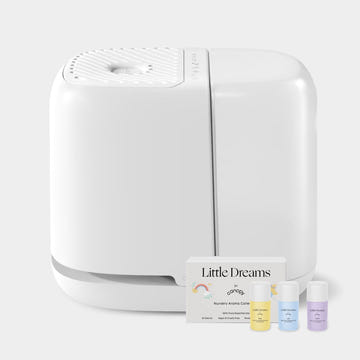
Canopy Nursery Humidifier 2.0 mold-inhibiting dishwa...
$159.00

Repair Hydrogel
$34.97
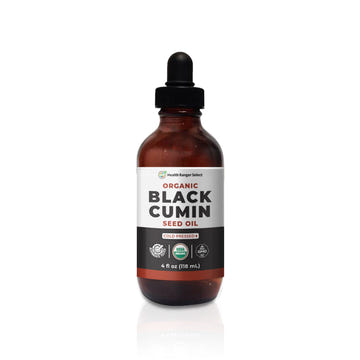
Health Ranger Store Organic Black Cumin Seed Oil 4oz...
$27.95
Beyond Tea: Other Natural Nausea Remedies

While a warm cup of tea is one of the best ways to soothe a queasy stomach, it helps to have a few other tricks up your sleeve. Think of it like building a personal toolkit for relief—the more options you have, the better equipped you'll be when nausea hits.
A fantastic addition to your tea lineup is Rooibos, a caffeine-free herbal infusion from South Africa. It has a naturally sweet, earthy flavor and is loaded with antioxidants that can help settle your stomach without the jolt of caffeine. This unique tea is becoming a global favorite, with sales projected to jump from $1.50 billion in 2023 to $1.63 billion in 2024. You can learn more about the growing herbal tea market at Klipopmekaar.
Non-Tea Strategies for Nausea Relief
Sometimes you need something more than a beverage. Luckily, there are plenty of simple, drug-free methods that can make a real difference, either on their own or paired with your go-to herbal tea.
- Acupressure Wristbands: You’ve probably seen these simple elastic bands. They work by putting gentle, steady pressure on a specific point on your inner wrist called the P6 or Nei-Kuan point. It’s an age-old technique that helps disrupt the nausea signals your brain receives, making it a go-to for motion sickness and morning sickness.
- Aromatherapy: Never underestimate the power of scent. Simply inhaling certain essential oils, like peppermint or lemon, can offer surprisingly fast relief. You can add a few drops to a diffuser or just put one or two on a cotton ball or tissue for a quick fix.
- The BRAT Diet: When you feel up to eating again, the last thing you want is to upset your stomach further. Sticking to the BRAT diet—Bananas, Rice, Applesauce, and Toast—is a classic strategy. These foods are bland and easy to digest, giving your system a much-needed break.
Think of these different strategies as layers of comfort. By combining a few, you can create a more complete and effective plan to manage your nausea.
Finding gentle yet effective remedies is especially crucial during the postpartum period. If you're navigating that journey, our list of postpartum must-haves for mom might be a helpful resource.
Your Top Questions About Anti-Nausea Tea
When you're turning to herbal teas for relief, it's natural to have a few questions. Let's get them answered so you can feel confident in what you're sipping.
Can I Drink Anti-Nausea Tea Every Day?
For most of us, having a few cups of ginger or chamomile tea each day is perfectly fine. A good rule of thumb is sticking to one to three cups.
That said, everyone is different. Pay attention to how your body responds. For example, too much of a strong tea like ginger can sometimes cause a little heartburn. If you're thinking about making it a permanent part of your daily routine, it's always smart to have a quick chat with your doctor first.
How Quickly Will It Work?
This really depends on you and what's causing the nausea in the first place. Many people start to feel the calming effects of a warm cup of ginger or peppermint tea pretty quickly, often within 15 to 30 minutes.
If you're dealing with a more stubborn case of queasiness, it might take a bit longer. Try sipping it slowly over an hour to give it time to work its magic.
Is Fresh Ginger Better Than a Tea Bag?
Fresh is usually best. When you brew tea from freshly sliced ginger root, you're getting a more powerful dose of its active compounds, like gingerols. This often leads to faster, more noticeable relief.
But don't discount the tea bag! A high-quality ginger tea bag is a fantastic, convenient option when you need something quick and easy. They are still plenty effective for settling an upset stomach.
For new moms looking for gentle, natural ways to care for themselves during their breastfeeding journey, MoogCo has you covered. Check out our Original Silver Nursing Cups for soothing, chemical-free nipple protection.
Bring this guide home with $15 off.
Use code READER15 for $15 off →
Featured pick from Moogco
MOOGCO Silver Nursing Cups 925k Silver - Protect Against Sore Breasts And Nipple Irritation
$45.90 $49.90
Shop this pick → Frequently Asked Questions
Which tea is safest during pregnancy for nausea?
Ginger tea is generally considered the safest and most researched option for pregnancy-related nausea, with many studies supporting its use for morning sickness. Always start with small amounts and consult your healthcare provider first, especially in your first trimester. Peppermint is usually fine in moderation, but some herbs like fennel should be used more cautiously during pregnancy.
Can anti-nausea tea help with food poisoning symptoms?
While anti-nausea tea can help ease the queasy feeling that comes with mild food poisoning, it won't treat the underlying infection or bacterial cause. Ginger and peppermint teas can provide comfort and help settle your stomach while your body fights off the illness. If you have severe symptoms like high fever, bloody stools, or dehydration, skip the tea and call your doctor right away.
What's the best time of day to drink anti-nausea tea?
The best time really depends on when your nausea tends to strike. For morning sickness, sip ginger tea first thing when you wake up, even before getting out of bed. If you get nauseous after meals, try peppermint tea about 20 to 30 minutes after eating to aid digestion and prevent that uncomfortable feeling from building up.
Does adding honey or lemon change how effective the tea is?
Adding honey or lemon won't reduce the anti-nausea benefits and might actually make your tea more effective and easier to sip. Honey can soothe your throat and add a touch of natural sweetness without upsetting your stomach, while lemon provides a fresh scent that many people find calming when they're nauseous. Just avoid adding too much sugar, which can sometimes worsen nausea for some people.
Can I give anti-nausea tea to my child?
Chamomile and mild peppermint tea are generally safe for older children in small amounts, but it's important to check with your pediatrician first, especially for kids under age two. Ginger tea can be quite strong and spicy for little ones, so you'd want to make it very diluted and get the green light from your doctor. Always introduce any new remedy slowly and watch for any reactions.
Will anti-nausea tea interfere with my medications?
Some herbal teas, especially ginger in large amounts, can interact with blood thinners, diabetes medications, and certain heart drugs. Peppermint can sometimes interfere with medications for acid reflux or heartburn. If you take any prescription medications regularly, it's always smart to run it by your doctor or pharmacist before making herbal tea a daily habit.
What should I do if the tea makes my nausea worse?
If a particular tea seems to make you feel worse, stop drinking it right away and switch to plain water or ice chips. Sometimes the strong flavor or temperature can backfire, especially if your stomach is very sensitive. Try a different herb, a weaker brew, or let the tea cool to room temperature, and if nausea persists or gets severe, reach out to your healthcare provider.
Is there a difference between loose leaf and bagged anti-nausea tea?
Loose leaf tea often contains larger, fresher pieces of the herb, which can give you a stronger flavor and potentially more active compounds per cup. Tea bags are more convenient and still effective, especially if they're from a quality brand and haven't been sitting on the shelf for years. Either way, the most important thing is using fresh tea and steeping it properly to get the most relief from your nausea.
From Moogco Studio
Printable and personalized nursery essentials. Designed by moms for moms.


About the Editor
Eda Ulger is a co-founder of Moogco Baby, the editor of the Moogco Baby Journal, and a mom of two. She curates and edits our guides so every piece is honest, practical, and genuinely helpful for the early days of motherhood.
Shop This Story
Picks related to this guide, ready to ship from Moogco.
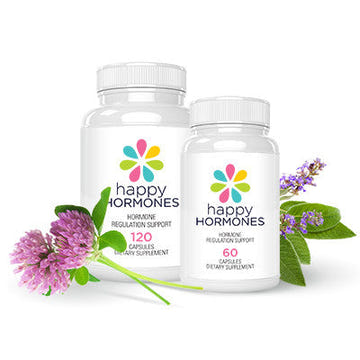
Happy Hormones
$29.95
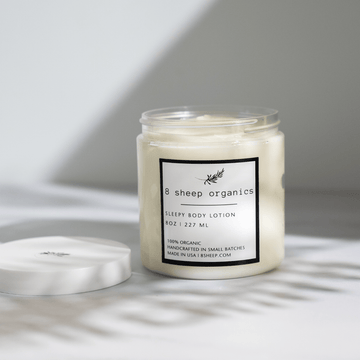
8 Sheep Organics Organic Sleepy Body Lotion for Preg...
$29.00
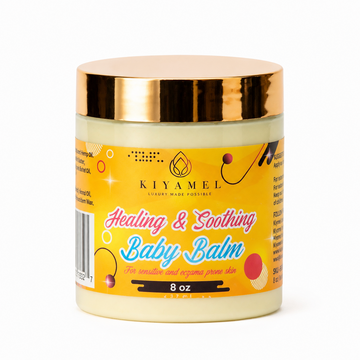
Kiyamel Baby Balm Natural Diaper Rash Cream 8 oz
$49.99

Lavender Life Company BUD Coat 40% Zinc Oxide Diaper...
$16.50

Garner's Garden Baby Cocoa Butter whipped moisturizi...
$10.00
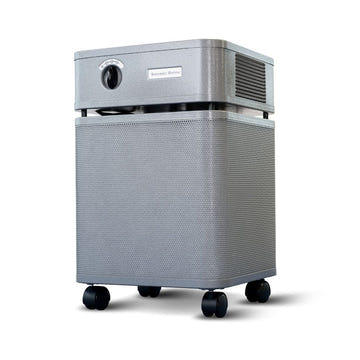
Austin Air Immunity Machine
$1,145.00
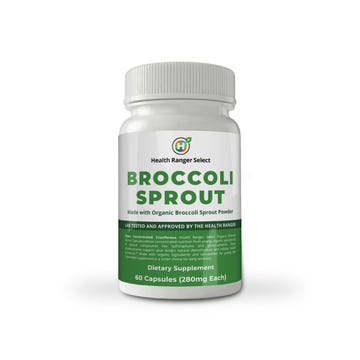
Health Ranger Store Broccoli Sprout Capsules 60 Orga...
$26.95

Nourish + Grow Essentials Set
$120.00
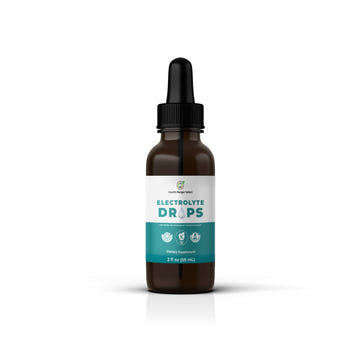
Health Ranger Store Electrolyte Drops 2 fl oz travel...
$12.95
Austin Air Healthmate
$845.00