


Moogco makes silver nursing cups in 999 fine and 925 sterling silver. We are moms who wore them too.
You're standing in the pharmacy aisle at 2 a.m., reading the back of yet another nipple cream tube, wondering if there's something better out there. Or maybe you've heard about silver nursing cups from another mom and now you're Googling whether they're actually safe. Been there.
The FDA question comes up a lot, and for good reason. You're putting something directly on your body while feeding your baby, so you want to know it's been vetted properly.
Quick Answer: Silver nursing cups are classified as Class I medical devices by the FDA. That means they're considered low-risk and don't require premarket approval to be sold in the United States. The Class I designation confirms that 925 sterling silver nursing cups meet baseline safety standards for external breast care products, though individual brands remain responsible for quality manufacturing and accurate labeling.
What Are Silver Nursing Cups? (The Basics)
Silver nursing cups are small, dome-shaped cups made from 925 sterling silver that you wear inside your bra between feedings to soothe sore, cracked nipples.

That's 92.5% pure silver mixed with 7.5% copper alloy for durability. The magic is in the silver itself.
Backed by 200,000+ cups sold since 2020
Heal faster with silver nursing cups
Take $15 off at checkout, applied automatically when you shop through this link.
Shop with BABY15 →Free US shipping over $100. Code applies automatically at checkout.
Silver has natural antimicrobial properties that inhibit bacterial growth without needing creams, ointments, or lotions. That means no mess, no reapplication every two hours, and nothing for your baby to accidentally ingest during the next feeding.
They're reusable throughout your entire breastfeeding journey and even for future babies. Most brands (including ours at Moogco Baby) sell them in pairs with a protective pouch for storage. Think of them as a one-time investment that pays off in comfort and faster healing.
Unlike disposable hydrogel pads or tubes of lanolin that you'll replace every few weeks, Moogco Silver Nursing Cups last for years with basic care. Shop silver nursing cups here.
What Does Class I Medical Device Actually Mean?
Class I medical devices are the lowest-risk category of FDA-regulated devices, subject only to general controls like Good Manufacturing Practices (GMP), accurate labeling, and FDA registration, but not premarket approval.
The FDA classifies medical devices into three categories based on risk level:
- Class I: Low risk (bandages, exam gloves, breast shells)
- Class II: Moderate risk (electric breast pumps, pregnancy tests)
- Class III: High risk (pacemakers, implants)
Class I devices pose minimal potential for harm and are subject to what the FDA calls "general controls" only. That means manufacturers must follow Good Manufacturing Practices (GMP), use accurate labeling, and register their devices with the FDA. But they don't need to submit a premarket notification (510k) or get premarket approval (PMA) before selling them.
Think of it this way: the FDA has determined that when a product is used as intended (worn externally on the breast between feedings), it's low-risk enough that extensive pre-market testing isn't required. The FDA's device classification database lists thousands of Class I devices that you probably use without thinking twice.
Other Class I devices you might recognize: adhesive bandages, manual breast pumps, nursing pads, and yes, breast shells (which is the category silver nursing cups fall under).
Are Silver Nursing Cups FDA Approved?
Silver nursing cups don't require FDA "approval" because Class I devices are exempt from premarket approval, but that doesn't mean they're unregulated.
They ARE regulated by the FDA under 21 CFR Part 880 (General Hospital and Personal Use Devices), with the specific product code LYP (Breast Shell). Manufacturers must register with the FDA, list their devices in the FDA database, and comply with labeling requirements. The FDA can inspect facilities and take enforcement action if safety issues arise.
So what should you look for? Choose reputable sellers who use genuine 925 sterling silver, provide proper labeling with materials and care instructions, and stand behind their product with real customer reviews. If a brand is vague about their materials or dodges questions about FDA registration, that's a red flag.
According to , one of the top three safety questions parents ask before purchasing silver nursing cups is whether they're FDA regulated. You're not alone in wanting this reassurance.
Picks From This Story
Picks related to this guide, ready to ship from Moogco.
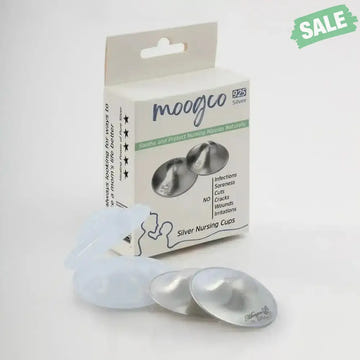
MOOGCO Silver Nursing Cups 925k Silver - Protect Aga...
$34.75

The Original Silver Nursing Cups with Silicone Pads
$62.90
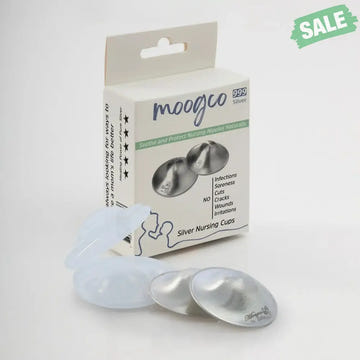
MOOGCO Silver Nursing Cups 999k Silver
$49.90
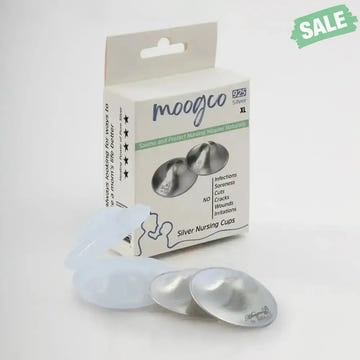
MOOGCO Silver Nursing Cups 925k Silver
$34.75
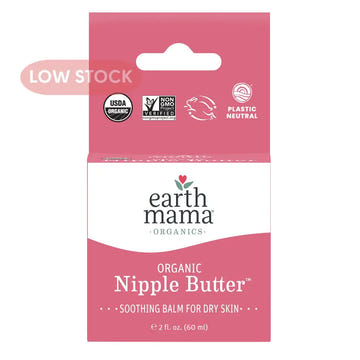
Organic Nipple Butter™ - Double-Sided for Kids
$14.99
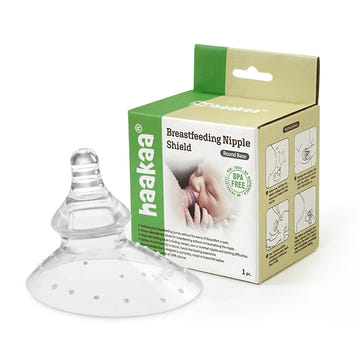
Haakaa Silicone Breastfeeding Nipple Shield Round Sh...
$19.05
Why Does Silver Have Antimicrobial Properties? The Science Behind It
Silver works as an antimicrobial because silver ions disrupt bacterial cell walls and prevent bacteria from replicating, a property that's been used in wound care for centuries and is well-documented in medical literature.
A study published in the National Institutes of Health database explains how silver's antimicrobial mechanism works at the cellular level. When silver comes into contact with moisture (like your skin), it releases ions that interfere with bacterial DNA replication.
For breastfeeding parents, this means Moogco Silver Nursing Cups create a moist healing environment without adding creams or lanolin. The silver itself does the antimicrobial work while keeping the area clean and protected from fabric friction.
This is particularly effective for cracked nipples, bleeding, nipple thrush, mastitis prevention, or concerns about infection. And unlike ointments, there's no risk of your baby ingesting product residue during the next feeding. You just rinse your nipple with water and you're ready to nurse.
What's the Difference Between 925 Sterling Silver and Other Materials?
Not all silver is created equal, and this matters for both safety and effectiveness.
925 sterling silver is 92.5% pure silver plus 7.5% copper for durability. Pure silver (999) would be too soft for daily wear, it would bend and lose shape quickly. The copper alloy adds structural integrity without reducing the antimicrobial effect.
Silver-plated cups have only a thin coating of silver over a base metal. That coating wears off quickly with washing and use, leaving you with a non-antimicrobial product that you paid silver prices for. Not worth it.
Stainless steel cups might look similar, but they lack antimicrobial properties entirely. They're just a physical barrier, like a plastic breast shell.
When you're shopping, look for hallmark stamps like "925" or "Sterling" on the cups themselves or in the product description. Reputable sellers will clearly state the silver content and provide certification if you ask.
How Silver Nursing Cups Compare to Other Nipple Care Options
Silver cups outperform other nipple care methods because they combine antimicrobial protection, reusability, and mess-free application, unlike lanolin creams, hydrogel pads, or air-drying alone.
Here's what we hear from real parents about the alternatives:
Silver cups vs lanolin creams: No mess, no reapplication every feeding, nothing to wash off before nursing. The cups do the work while you're wearing them. Lanolin creates a moisture barrier but doesn't have antimicrobial properties.
Silver cups vs hydrogel pads: Hydrogel pads feel cooling and soothing (which is nice), but they're disposable. You'll spend $15-20 every week or two. Silver cups are reusable for years, making them far more cost-effective long-term.
Silver cups vs air-drying alone: Air-drying is free and does help, but it's slow and doesn't provide the antimicrobial boost that speeds healing. Combining air-drying with silver cups gives you faster results.
According to , parents who switch to silver nursing cups report noticeable improvement in nipple soreness within 2-3 days of consistent use, compared to 5-7 days with lanolin alone. That's real feedback from real people who've been there. Grab your silver nursing cups here.
| Method | How It Works | Reusable? | Antimicrobial? | Typical Cost |
|---|---|---|---|---|
| Silver Nursing Cups | 925 sterling silver creates moist, antimicrobial healing environment | Yes, for years | Yes, naturally antimicrobial | $30-40 one-time |
| Lanolin Cream | Petroleum-based moisture barrier | No, must repurchase | No | $10-15 per tube |
| Hydrogel Pads | Cooling gel soothes pain | No, disposable | No | $15-20 per box |
| Air Drying | Exposure to air promotes healing | Yes, free | No | $0 |
| Breast Shells | Plastic barrier protects nipple from fabric friction | Yes, reusable | No | $10-15 |
When Should You Start Using Silver Nursing Cups?
Start using silver nursing cups as soon as you feel soreness, don't wait until you have cracks or bleeding to take action.
You can start using Moogco Silver Nursing Cups immediately postpartum if you're experiencing tenderness from those first few feedings. Many moms assume soreness is just part of the deal and try to tough it out, but early intervention makes a huge difference.
5 ideal times to start using silver nursing cups:
- Before soreness becomes cracks: Prevention is easier than repair. Early use stops minor irritation from progressing to painful damage
- During growth spurts: When your baby is cluster feeding and you're nursing every 45 minutes, the constant friction creates faster breakdown
- When returning to work: If you're pumping frequently and dealing with increased friction from flanges that don't quite fit like your baby's latch
- Throughout your entire breastfeeding journey: They're safe to use as long as you're nursing, whether that's 3 months or 3 years
- During weaning: If you're experiencing discomfort as you transition, silver cups provide relief during engorgement or sensitivity
The key is consistent use. Wear them between feedings for at least 20 minutes (or overnight, which many moms prefer) to give your nipples protected healing time.
More Related Picks
A few more favorites from the same collection.
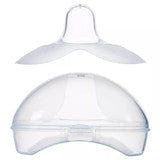
Bae & Bee Boutique Cherry Shaped Nipple Shield 21mm ...
$14.00
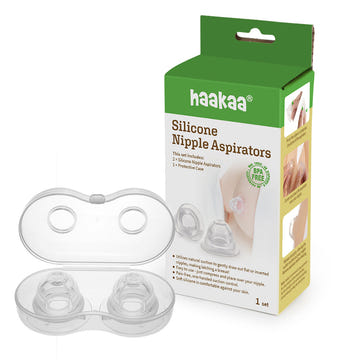
Haakaa Silicone Inverted Nipple Aspirators 2 pk
$17.99
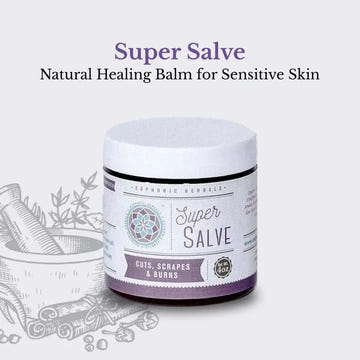
Euphoric Herbals Super Salve Nursing Salve no essent...
$10.00
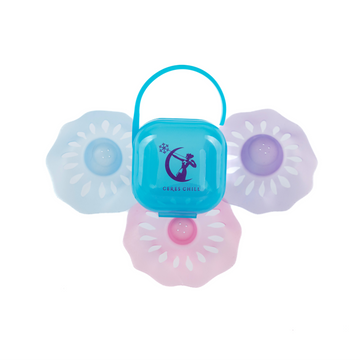
Ceres Chill Shield Maiden Nipple Shields 2pc or 3pc ...
$14.50
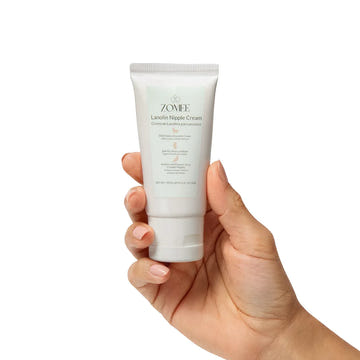
Zomee Breast Pumps Lanolin Nipple Cream
$9.99
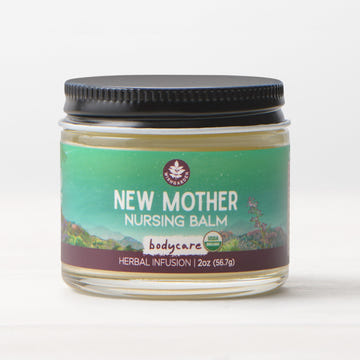
WishGarden Herbs New Mother Nursing Balm USDA Organic
$14.99
What to Look for When Shopping for Silver Nursing Cups
When shopping for silver nursing cups, verify 925 sterling silver composition, FDA device registration, and parent reviews with specific healing results, not just generic praise.
Here's your complete checklist for choosing a quality product:
Verify 925 sterling silver composition. Ask for certification if it's not clearly stated. Some sellers use vague language like "silver-toned" or "silver finish" to hide the fact that they're selling plated or stainless steel products.
Check for FDA device registration. Reputable sellers will confirm their product is registered as a Class I medical device. As a parent-owned baby marketplace since 2020, Moogco Baby is FDA-registered and backed by 200,000+ cups sold since 2020, and we're happy to answer these questions.
Look for parent reviews with specific results. Generic five-star reviews don't tell you much. Look for feedback like "healed my cracked nipples in three days" or "finally got relief after trying everything else." Our cups have 4.8 stars and are backed by 200,000+ cups sold since 2020 who share real experiences.
Check the interior for smooth construction. No rough seams or sharp edges that could irritate already sore skin.
Sizing matters. Most silver nursing cups are 1.6-2 inches in diameter, which fits the majority of nipples. They should cover your areola without pressing uncomfortably.
Protective storage pouch included. Silver tarnishes when exposed to air (that's normal), so you want a breathable pouch for storage between uses.
Return policy. In case of sizing issues or sensitivity, you want the option to return or exchange. Shop our silver nursing cups with confidence here.
How to Use and Care for Your Silver Nursing Cups
Using silver nursing cups is straightforward: wash before first use, wear directly on skin inside your bra for at least 20 minutes between feedings, rinse your nipple before nursing, then wash cups with warm soapy water after each use.
Here's the complete step-by-step so you get the best results:
Before first use: Wash with warm water and mild soap, rinse thoroughly, air dry. That's it.
How to wear them: After nursing or pumping, rinse your nipple with warm water and pat dry gently. Place the cup directly on your skin (no fabric between) and tuck it into your nursing bra. The cup should sit comfortably without slipping or pressing too hard.
How long to wear: Minimum 20 minutes for healing benefits, but wearing them overnight between feedings works great too. Many moms sleep in them.
Before the next feeding: Remove cups, rinse your nipple with clean water, and you're ready to nurse. No scrubbing or soap needed on your skin.
Cleaning the cups: After each use, wash with warm soapy water and air dry completely. You don't need to sterilize them because silver is naturally antimicrobial.
Storage: Keep them in the breathable pouch that comes with your set. Avoid airtight plastic containers, which can trap moisture.
Tarnish is normal. Over time, your cups might develop a darker patina. That's just oxidation and doesn't affect antimicrobial properties or safety. A gentle polish with silver cleaning cloth restores shine if you want, but it's not necessary for function.
Are There Any Safety Concerns or Contraindications?
Silver nursing cups are generally safe for most breastfeeding parents when worn externally as directed, though rare silver allergies can occur and active infections require medical treatment rather than home remedies.
Here's the transparent safety talk you deserve:
Silver nursing cups are generally safe for most breastfeeding parents. They're worn externally, they don't leave residue on your skin, and the antimicrobial properties actually reduce infection risk rather than increase it.
Silver allergy is rare but possible. If you develop a rash, redness, or irritation after wearing the cups, discontinue use and consult your healthcare provider. Most people who wear sterling silver jewelry without issues won't have problems with nursing cups.
Not a replacement for medical treatment. If you have signs of mastitis, breast abscess, or severe nipple infection (fever, red streaks, pus, severe pain), see your doctor or lactation consultant right away. Silver cups are for soothing and healing minor soreness and cracks, not treating active infections or abscesses.
La Leche League International recommends seeing an IBCLC (International Board Certified Lactation Consultant) if nipple pain persists beyond the first week or interferes with nursing. Silver cups can help while you're getting professional support, but they're not a substitute for addressing latch issues, tongue tie, lip tie, or other underlying problems.
Safe for baby? Yes. There's no residue left on your nipple like with creams, and you rinse before nursing anyway. Silver is non-toxic when used externally.
Compatible with pumping, nursing, and combination feeding. Use them however they fit into your routine. You've got this.
The Bottom Line: Class I Means Regulated and Safe
Silver nursing cups are FDA-regulated as Class I medical devices, which means they're low-risk, meet safety standards, and are manufactured according to FDA guidelines, without requiring premarket approval because they're considered safe and effective when used as directed.
The antimicrobial properties of 925 sterling silver are backed by medical research and centuries of use in wound care. For cracked, sore nipples, they're a game-changer because they work while you wear them, no mess, no reapplication, no residue for baby.
Choose silver nursing cups from reputable sellers who are transparent about materials, FDA registration, and manufacturing practices. Look for real parent reviews that describe actual results, not just generic praise.
Our Moogco Silver Nursing Cups are backed by 200,000+ cups sold since 2020, made from genuine 925 sterling silver, and backed by a parent-owned company that's been supporting families since 2020. We've been there, we know how much the right tools matter, and we stand behind every set we sell.
If you're tired of creams that don't work or spending money on disposable pads every week, grab your silver nursing cups now. You deserve relief that actually works. Less worry. More wonder.
Frequently Asked Questions
Do silver nursing cups really work for cracked nipples?
Yes, the antimicrobial properties of 925 sterling silver create ideal healing conditions by preventing bacterial growth while maintaining a moist environment. Most moms see noticeable improvement within 2-3 days of consistent use. The silver ions work continuously while you're wearing the cups, so you're getting active healing time between every feeding. We've heard from thousands of parents who tried creams and pads first and wish they'd started with silver cups sooner.
Can I wear silver nursing cups overnight?
Yes, wearing them overnight is safe and actually gives your nipples extended healing time between feedings. Many moms prefer overnight wear because it's one less thing to think about during the day. Just make sure they're positioned comfortably in your bra and won't shift around while you sleep. You'll wake up to noticeably less soreness.
How do I know if silver nursing cups are the right size?
Most silver nursing cups are 1.6-2 inches in diameter, which fits the majority of nipples comfortably. They should cover your areola without pressing uncomfortably against your breast tissue. If you can wear a standard nursing pad without issue, you'll likely be fine with standard-size silver cups. The cups sit inside your bra and should feel secure but not tight. If you're unsure, look for sellers with flexible return policies so you can try them risk-free.
Will silver nursing cups tarnish, and does that affect safety?
Tarnish is normal oxidation that happens when silver is exposed to air and moisture. It doesn't reduce the antimicrobial properties or affect safety at all. The silver ions continue working whether the surface is shiny or slightly darkened. If the tarnish bothers you aesthetically, you can gently clean the cups with a silver polishing cloth, but it's not necessary for function. We've had moms use the same cups through multiple babies with zero issues.
Are silver nursing cups safe if I have a silver allergy?
Silver allergy is rare, affecting less than 1% of people according to dermatology research. If you wear sterling silver jewelry without problems, you'll almost certainly be fine with nursing cups. However, if you develop a rash, redness, or irritation after wearing the cups, discontinue use immediately and consult your healthcare provider. Most silver "allergies" are actually reactions to nickel in lower-quality jewelry, but 925 sterling silver contains copper, not nickel.
Do I need to sterilize silver nursing cups?
No, washing with warm soapy water after each use is sufficient because silver is naturally antimicrobial. Sterilizing isn't necessary and could potentially damage the silver over time. Just wash, rinse thoroughly, air dry, and store in the breathable pouch. The silver itself prevents bacterial growth, so you don't need the extra step of boiling or sterilizing that you'd use with pump parts or bottles.
Can I use silver nursing cups with other nipple creams?
You can, but most parents find they don't need creams once they start using silver cups. The silver creates a moist, antimicrobial healing environment on its own, which is exactly what cracked nipples need to repair. If you prefer to use a thin layer of purified lanolin or coconut oil underneath, that won't interfere with the silver's effectiveness. Just know that the cups are designed to work independently, so you're not missing out if you skip the creams entirely. Less mess, less expense, same results.
Bring this guide home with $15 off.
Use code BABY15 for $15 off →
From Moogco Studio
Printable and personalized nursery essentials. Designed by moms for moms.


About the Editor
Eda Ulger is the editor at Moogco Baby and a mom of two. She curates and edits our guides so every piece is honest, practical, and genuinely helpful for the early days of motherhood.
Shop This Story
Picks related to this guide, ready to ship from Moogco.
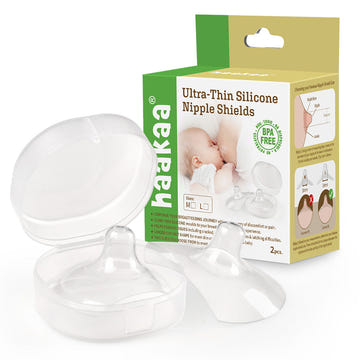
Haakaa Silicone Nipple Shields 2-pack 18 mm
$13.93
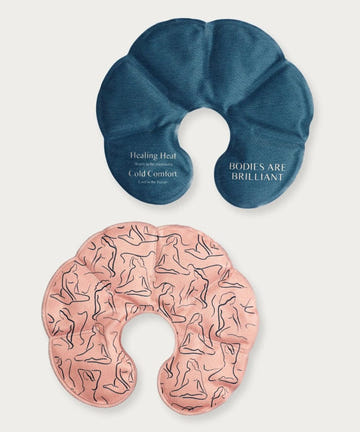
Nyssa Breast Ice and Heat Therapy Packs 8-inch Full-...
$20.00

Silver Soothing Nipple Shields
$39.99
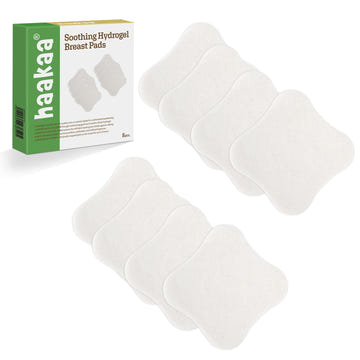
Haakaa Soothing Hydrogel Breast Pads
$9.99
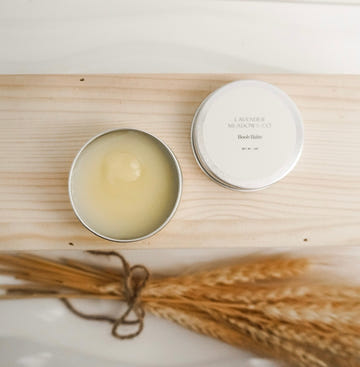
Lavender Meadows Co Boob Balm 1oz breastfeeding nipp...
$12.00

Nēmah Renewing Nipple + Lip Balm calendula multi-use
$24.00
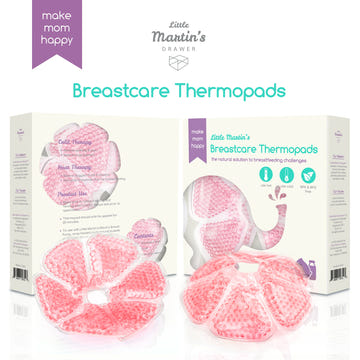
Little Martin's Drawer Breast Care Thermopads Hot Co...
$18.99
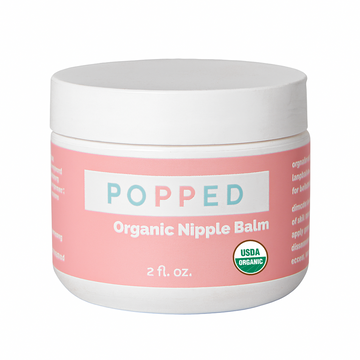
Popped Organic Nipple Balm 2 oz Unscented Lanolin-Free
$12.99
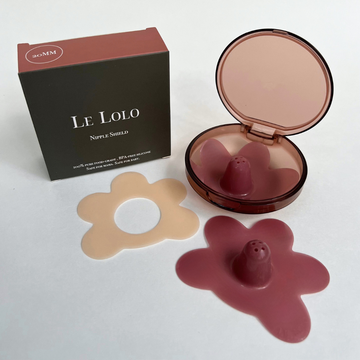
Hello Postpartum Colored Nipple Shield System with Case
$20.00
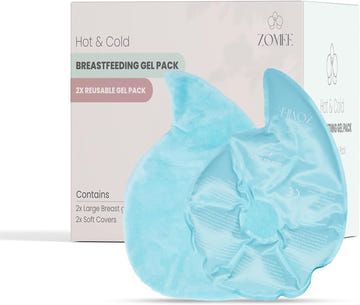
Zomee Breast Pumps Hot & Cold Reusable Gel Packs for...
$14.99