


The first year of your baby’s life is filled with incredible growth, discovery, and change. From tiny movements to first words, each milestone is a celebration of development and connection. While every baby progresses at their own pace, here’s a general month-by-month guide to help you know what to expect—and when to cheer.
Dr. Allison Grant, Pediatrician: “Milestones are markers of development—not deadlines. Use them as a guide, not a checklist.”
Month 1
✔️ Lifts head briefly during tummy time
✔️ Responds to loud sounds
✔️ Begins to focus on faces
✔️ Makes jerky, arm movements

Month 2
✔️ Starts to smile socially
✔️ Follows things with eyes
✔️ Coos and makes gurgling sounds
✔️ Holds head up more steadily
Free US shipping over $100
Real essentials, picked by real moms
Take $15 off at checkout, applied automatically when you shop through this link.
Shop with BABY15 →Free US shipping over $100. Code applies automatically at checkout.
Month 3
✔️ Recognizes familiar voices
✔️ Opens and shuts hands
✔️ Pushes up on arms during tummy time
✔️ Turns head toward sound
Month 4
✔️ Laughs out loud
✔️ Reaches for toys
✔️ Begins to roll from tummy to back
✔️ Bats at objects with hands
Picks From This Story
Picks related to this guide, ready to ship from Moogco.
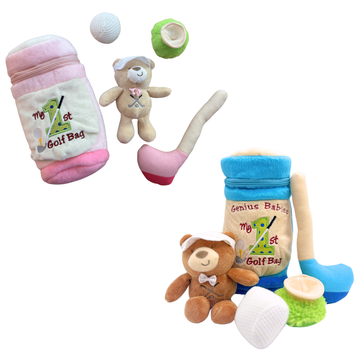
Genius Babies Toys My First Baby Golf Bag Blue or Pi...
$29.99
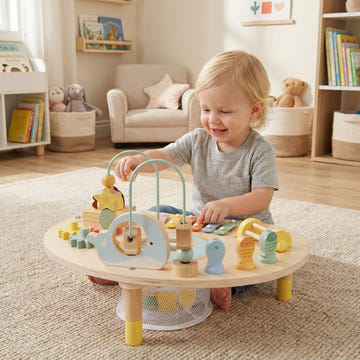
7-in-1 Toddler Activity Table Montessori Sensory Toy...
$45.14
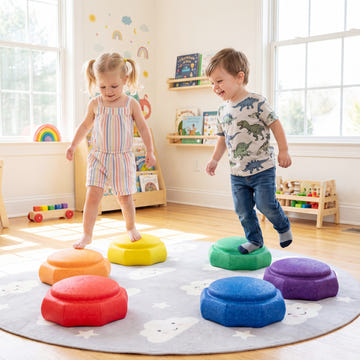
6-Piece Stepping Stones for Kids for Sensory Play an...
$48.29
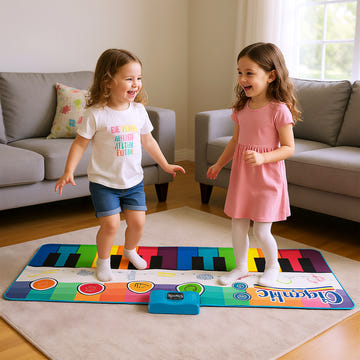
Floor Piano Dance Mat for Kids Musical Playmat with ...
$52.49
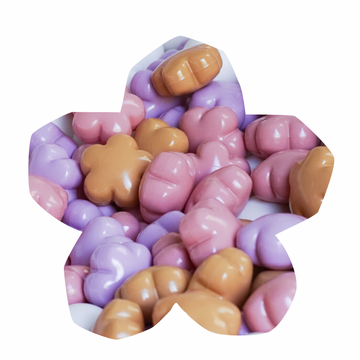
Mini Castles FLORA Ball Pit Balls 3 x 3 x 1.65 inch ...
$12.98
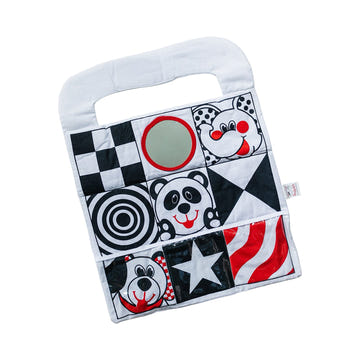
Genius Babies Toys Baby Car Activity Center Reversib...
$20.99
Month 5
✔️ Explores toys with mouth
✔️ Rolls in both directions
✔️ Recognizes own name
✔️ Shows emotion (joy, frustration)
Month 6
✔️ Sits with minimal support
✔️ Babbles with consonants (e.g., “ba,” “da”)
✔️ Transfers objects hand-to-hand
✔️ Responds to facial expressions
Month 7
✔️ Sits without support
✔️ Begins crawling or scooting
✔️ Shows interest in mirrors
✔️ Understands “no” (may not always obey!)
Month 8
✔️ Plays peek-a-boo
✔️ Develops pincer grasp (thumb and finger)
✔️ Responds to own name
✔️ Imitates sounds and gestures
Month 9
✔️ Pulls to stand
✔️ Cruises along furniture
✔️ Waves “bye-bye”
✔️ Shows stranger anxiety
More Related Picks
A few more favorites from the same collection.
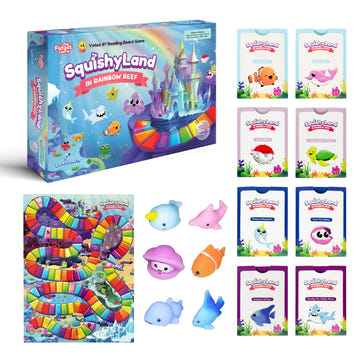
The Fidget Games Squishyland Ages 3 to 8 2 to 6 Players
$39.99
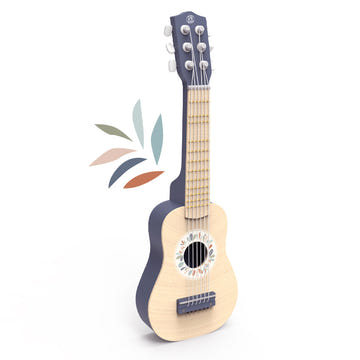
Speedy Monkey Guitar six-string toy multicolor 21.2in
$39.99
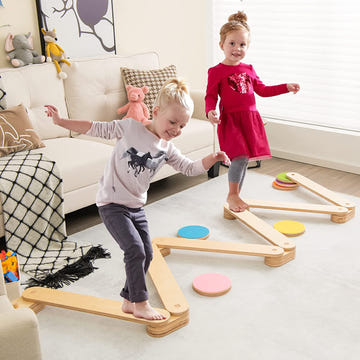
12-Piece Kids Wooden Balance Beam with Colorful Stee...
$50.39
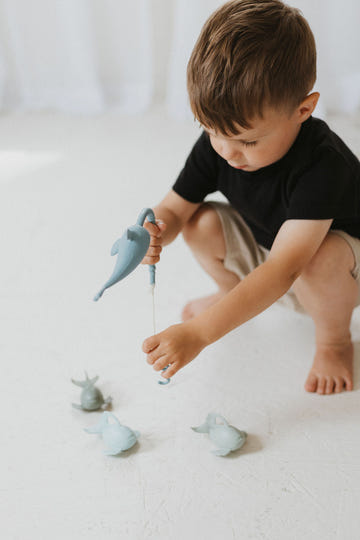
ShopMyLittleSongbird Silicone Fishing Set 3 Fish 1 N...
$15.99
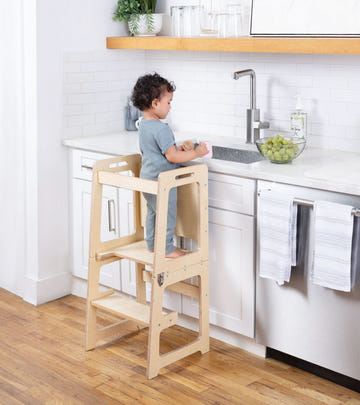
Avenlur 4-in-1 Convertible Toddler Kitchen Tower Des...
$129.00
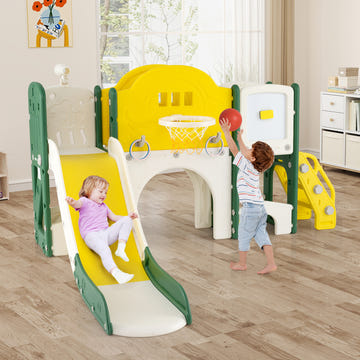
10 in 1 Toddler Slide Set Kids Slide and Climber Pla...
$157.49
Month 10
✔️ Stacks or bangs toys together
✔️ Tries to say “mama” or “dada” with intent
✔️ Understands basic words (e.g., “ball,” “milk”)
✔️ Explores cause and effect through play
Month 11
✔️ Stands alone for a few seconds
✔️ Claps hands
✔️ Imitates speech sounds
✔️ Looks at correct object when named
Month 12
✔️ Takes first steps (may still be assisted)
✔️ Says one or two clear words
✔️ Points to request or show interest
✔️ Expresses a wider range of emotions
Tips for Supporting Development
✔️ Encourage tummy time from day one
✔️ Read, sing, and talk daily to support language skills
✔️ Offer safe toys to encourage grasping, reaching, and exploring
✔️ Follow your baby’s cues—they thrive on interaction and love
💡 Note: If you’re concerned about missed milestones, speak with your pediatrician. Early intervention is effective and supportive.
The Role of Moogco Silver Nursing Cups
Feeding plays a key role in development, but frequent nursing can cause nipple soreness. Moogco Silver Nursing Cups soothe and protect so you can nourish your baby in comfort.
📌 Available here: Moogco Silver Nursing Cups on Amazon
Final Thoughts: Celebrate Every Step
Each milestone marks not just growth—but your baby’s discovery of their world. Whether it’s a smile, a roll, or a wobbly step, every achievement is a reminder of how far they’ve come—and how beautifully they’re growing.
🛒 Explore development-focused products at Moogco Baby.
Bring this guide home with $15 off.
Use code BABY15 for $15 off →
Featured pick from Moogco
MOOGCO Silver Nursing Cups 999k Silver - BPA-Free for Babies & Toddlers
$46.90 $52.90
Shop this pick → Frequently Asked Questions
What should I do if my baby hasn't reached a milestone by the expected month?
First, remember that every baby develops at their own pace and milestone ranges are guidelines, not deadlines. If your baby is a month or two behind on one skill but progressing in others, it's usually not a concern. However, if you notice delays across multiple areas or have any worry, contact your pediatrician. Early intervention services are incredibly effective and supportive when needed.
How much tummy time does my newborn really need each day?
Start with just 2 to 3 minutes of tummy time, two to three times a day in the first weeks. As your baby gets stronger and more comfortable, gradually increase the duration and frequency. By three months, aim for about 20 minutes total throughout the day. Tummy time strengthens neck, shoulder, and core muscles essential for rolling, sitting, and crawling.
Is it normal for my baby to skip crawling and go straight to walking?
Yes, some babies never crawl in the traditional hands-and-knees way and move straight to pulling up and walking, or they may scoot, roll, or bottom-shuffle instead. What matters most is that your baby is finding ways to move and explore their environment. As long as they're using both sides of their body and progressing in mobility, skipping crawling is typically not a concern.
When should my baby say their first real word?
Most babies say their first intentional word between 10 and 14 months, though the range is wide. Words like mama, dada, ball, or dog are common first words. Before clear words emerge, babies communicate through babbling, gestures, and sounds. If your baby isn't saying words by 15 months or seems unresponsive to their name, mention it to your pediatrician.
How can I tell the difference between babbling and real words?
Babbling consists of repeated sounds like bababa or dadada without clear meaning, while true words are used consistently to label the same person, object, or action. For example, if your baby says dada only when they see dad and uses it intentionally to get his attention, that's a real word. Context and consistency are the key signs.
Should I be worried if my 9-month-old shows stranger anxiety?
Not at all. Stranger anxiety is actually a healthy developmental milestone that shows your baby has formed strong attachments and can distinguish between familiar and unfamiliar people. It typically peaks between 8 and 12 months and gradually fades as your baby's social understanding grows. Offer comfort and reassurance during this phase without forcing interactions.
What's the best way to encourage my baby to start talking?
Talk to your baby throughout the day, narrating what you're doing, naming objects, and responding to their coos and babbles as if you're having a conversation. Read books together daily, sing songs, and make eye contact during interactions. Limiting screen time and prioritizing face-to-face communication gives your baby the rich language exposure they need to develop speech.
Can teething delay my baby's developmental milestones?
Teething can temporarily make your baby fussier or less interested in practicing new skills, but it doesn't cause true developmental delays. If your baby seems off track during a teething episode, they'll usually catch up quickly once they feel better. If delays persist beyond teething or you're concerned, check in with your pediatrician for reassurance and guidance.
From Moogco Studio
Printable and personalized nursery essentials. Designed by moms for moms.


About the Editor
Eda Ulger is a co-founder of Moogco Baby, the editor of the Moogco Baby Journal, and a mom of two. She curates and edits our guides so every piece is honest, practical, and genuinely helpful for the early days of motherhood.
Shop This Story
Picks related to this guide, ready to ship from Moogco.
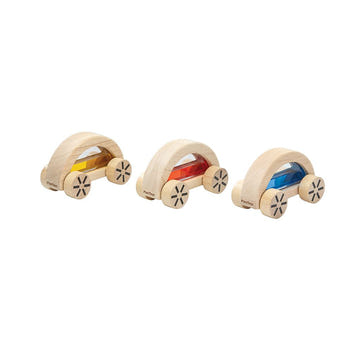
PlanToys Wautomobile Semi-Circular Colored Water Car...
$24.99
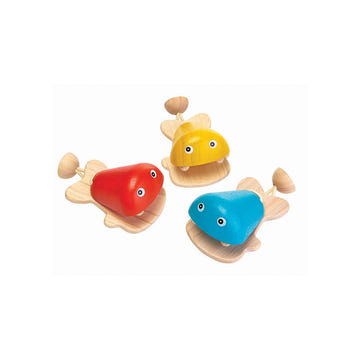
PlanToys Fish Castanet small percussion instrument y...
$9.99
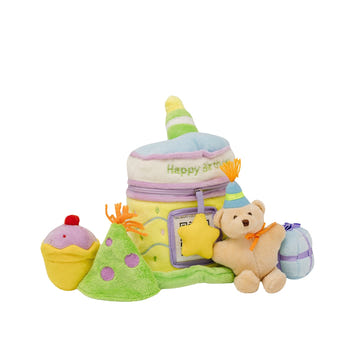
Genius Babies Toys Baby's 1st Birthday Plush Cake Pl...
$19.99
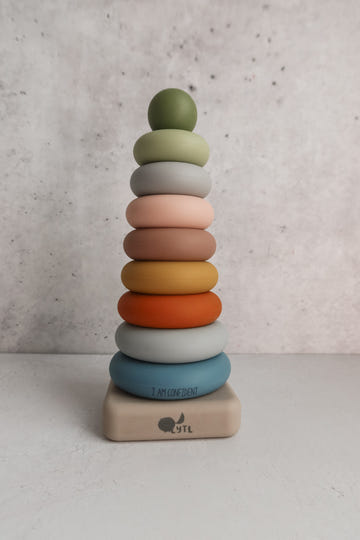
LYTL Silicone Ring Stacking Toy 10pc Food-grade BPA-...
$42.00
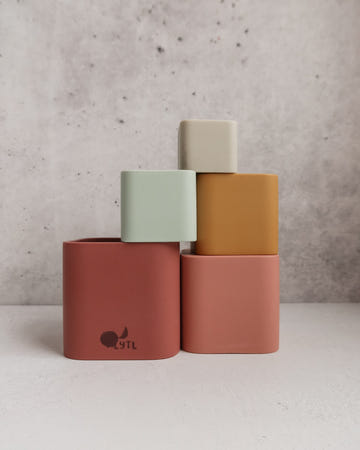
LYTL Silicone Stacking Cups Set of 5 Soft Toy Cups
$22.00
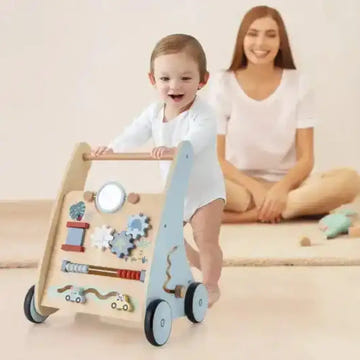
Wooden Baby Push and Pull Walker with Multi-Activity...
$41.99
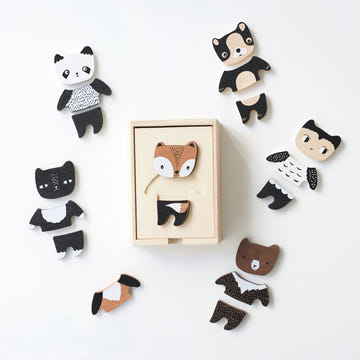
Wee Gallery Mix & Match Animal Tiles 18 Wooden Pieces
$63.95
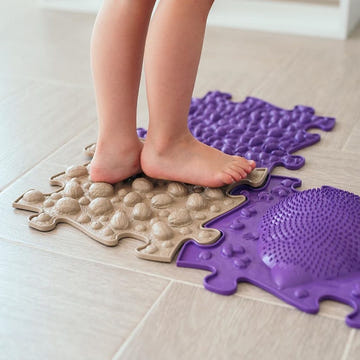
Extra Large Sensory Playmat Set
$174.95
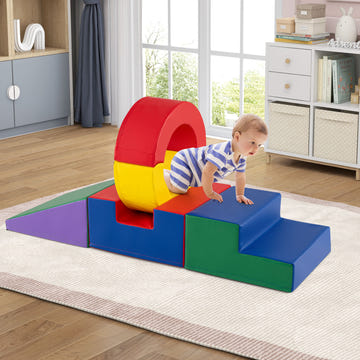
5 Pieces Kids Climbing Toys with PU Leather Cover - ...
$125.99
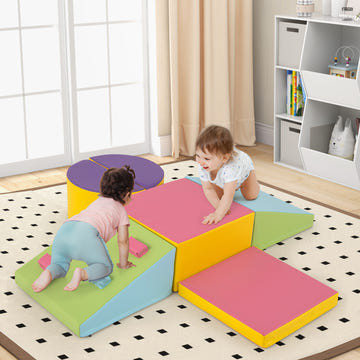
6-Piece Foam Climbing Blocks with Hook and Loop Fast...
$94.49