


Before babies can speak, they have plenty to say. Baby sign language offers a powerful way for little ones to express their needs, emotions, and interests—often months before they utter their first words. This gentle communication tool can strengthen parent-child bonds, reduce frustration, and even support language development.
What Is Baby Sign Language?
Baby sign language involves using simple hand gestures—adapted from American Sign Language (ASL)—to communicate basic concepts such as “milk,” “more,” or “all done.” It helps bridge the gap between understanding and speaking.

Dr. Amanda Lin, Speech-Language Pathologist: “Babies often understand language before they can speak it. Signing gives them a way to communicate earlier, making everyday life smoother and more connected.”
Free US shipping over $100Real essentials, picked by real moms
Take 15% off at checkout, applied automatically when you shop through this link.
Shop with HAPPYSPRING →Free US shipping over $100. Code applies automatically at checkout.
When to Start Teaching Baby Sign Language
You can begin introducing signs as early as 6 months, though most babies start signing back between 8–12 months. The key is consistency, patience, and pairing signs with spoken words.
✔️ Start with 3-5 essential signs like:
👋 More
🍼 Milk
✋ All Done
🙋 Help
👨👩👧 Mommy / Daddy
💡 Tip: Always say the word aloud while signing. The goal is to enhance—not replace—verbal communication.
Picks From This Story
Picks related to this guide, ready to ship from Moogco.
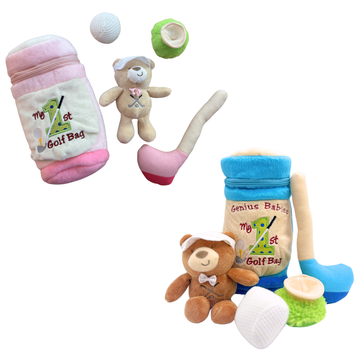
Genius Babies Toys My First Baby Golf Bag Blue or Pi...
$29.99
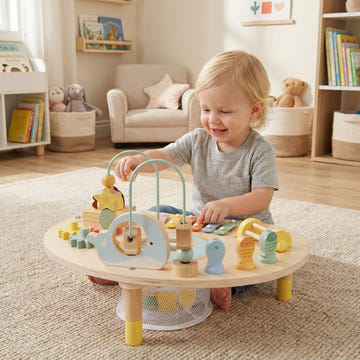
7-in-1 Toddler Activity Table Montessori Sensory Toy...
$39.99
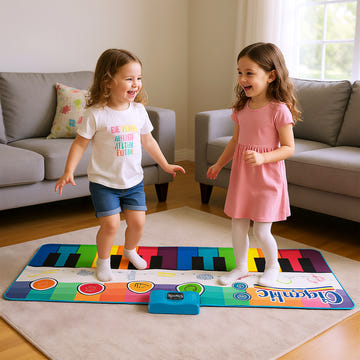
Floor Piano Dance Mat for Kids Musical Playmat with ...
$49.99
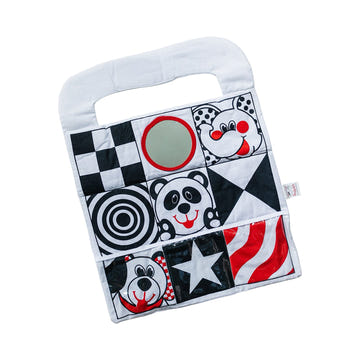
Genius Babies Toys Baby Car Activity Center Reversib...
$20.99
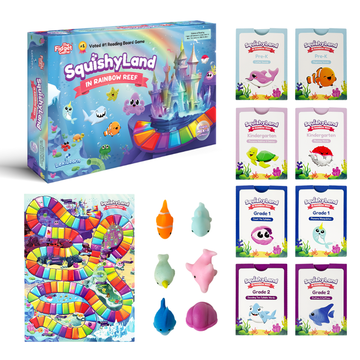
The Fidget Games Squishyland Ages 3 to 8 2 to 6 Players
$39.99
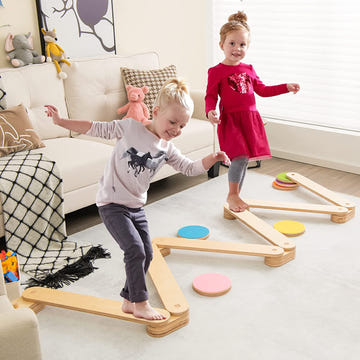
12-Piece Kids Wooden Balance Beam with Colorful Stee...
$47.99
Benefits of Baby Sign Language
✔️ Reduces Frustration: Babies can communicate needs without crying or tantrums. ✔️ Strengthens Bonding: Shared signs create meaningful two-way communication. ✔️ Encourages Early Language Skills: Studies show signing does not delay speech; in fact, it may enhance vocabulary development. ✔️ Boosts Confidence: Babies feel empowered when they’re understood.
Dr. Rachel Kim, Early Childhood Expert: “Signing fosters emotional intelligence. Babies who can express their feelings tend to have fewer behavioral outbursts.”
How to Teach Baby Sign Language
1. Pick a Few Key Signs
Start with words related to daily routines—feeding, diapering, play, or sleep.
2. Be Consistent
Use the same sign every time you say the corresponding word. Repetition builds recognition.
3. Use Positive Reinforcement
Celebrate and respond when your baby uses a sign—even if it’s imperfect. This reinforces communication.
4. Incorporate into Routines
Sign “milk” before each feeding, or “all done” at the end of a meal.
5. Stay Patient and Observant
It may take weeks of repetition before your baby signs back—but they’re watching and learning.
Common Baby Signs to Learn
| Word | Sign Description |
|---|---|
| Milk | Open and close your hand like milking. |
| More | Tap fingertips of both hands together. |
| All Done | Flip hands outward, palms up. |
| Eat | Tap fingertips to mouth. |
| Sleep | Place hand near cheek and close eyes. |
| Help | Tap one hand on top of the other. |
💡 Bonus Tip: Use sign language videos or books with pictures to keep learning fun and visual.
More Related Picks
A few more favorites from the same collection.
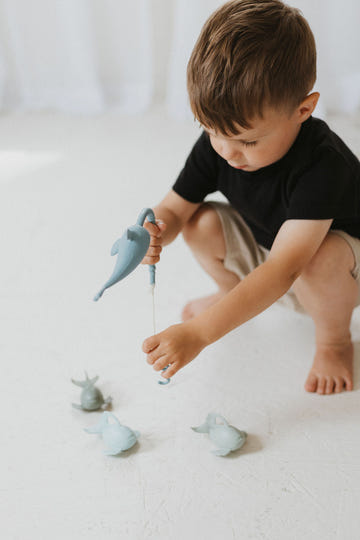
ShopMyLittleSongbird Silicone Fishing Set 3 Fish 1 N...
$15.99
Mini Castles FLORA Ball Pit Balls 3 x 3 x 1.65 inch ...
$25.00
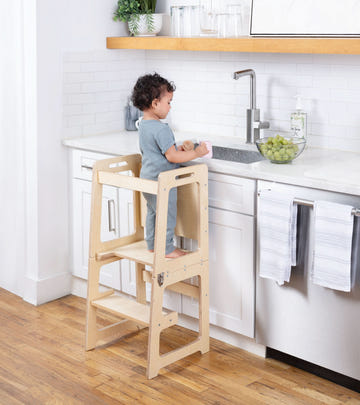
Avenlur 4-in-1 Convertible Toddler Kitchen Tower Des...
$119.00
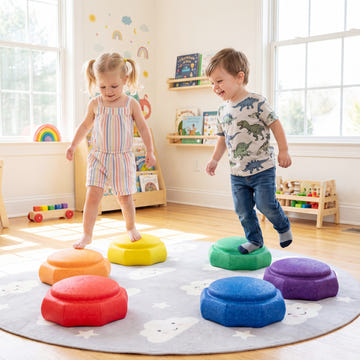
6-Piece Stepping Stones for Kids for Sensory Play an...
$45.99
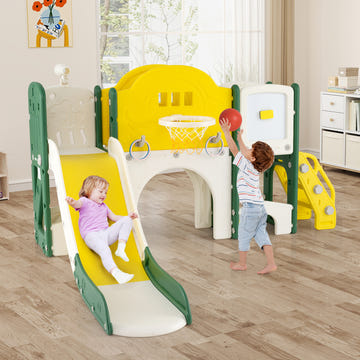
10 in 1 Toddler Slide Set Kids Slide and Climber Pla...
$145.99
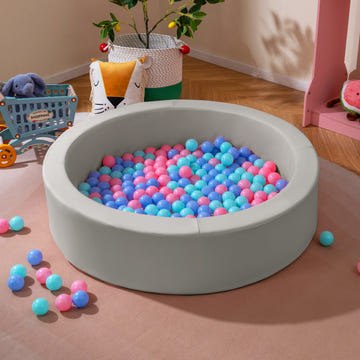
42.5 Inch Round Foam Ball Pits with 25D Sponge Filli...
$71.99
The Role of Moogco Silver Nursing Cups
Signing “milk” during breastfeeding sessions can become a special ritual. To ensure feeding remains pain-free, Moogco Silver Nursing Cups offer natural relief for sore nipples, helping moms maintain comfort and connection.
📌 Try them today: Moogco Silver Nursing Cups on Amazon
Final Thoughts: Hands That Talk, Hearts That Listen
Baby sign language is a beautiful way to connect with your little one before speech begins. With consistency and love, signing empowers your baby to be seen, heard, and understood.
🛒 Discover more tools for early communication at Moogco Baby.
Bring this guide home with 15% off.
Use code HAPPYSPRING for 15% off →
Frequently Asked Questions
Will baby sign language delay my child's speech development?
No, research consistently shows that baby sign language does not delay speech. In fact, many studies suggest it may enhance vocabulary and verbal skills by giving babies early exposure to symbolic communication. Always pair signs with spoken words to reinforce language learning.
How long does it take for a baby to sign back?
Most babies begin signing back between 8 and 12 months, but it can take several weeks or even a few months of consistent modeling before you see results. Every baby develops at their own pace, so patience and repetition are key. Keep signing even if your baby doesn't respond immediately.
Do I need to know full ASL to teach baby sign language?
No, you don't need to be fluent in American Sign Language. Baby sign language uses simplified ASL gestures for everyday words like milk, more, and all done. You can start with just a handful of signs and expand as your confidence grows.
Can older babies or toddlers still learn sign language?
Absolutely. While many parents start around 6 to 8 months, toddlers can pick up signs quickly, especially if they're experiencing speech delays or frustration. Signing remains a useful tool well into the toddler years and can complement emerging verbal skills.
What if my baby makes up their own signs instead of copying mine?
That's wonderful and completely normal. Babies often create their own gestures or modify signs to fit their motor skills. As long as the sign is consistent and you understand it, encourage it. Over time, you can gently model the standard version while honoring their creativity.
Should both parents and caregivers use the same signs?
Yes, consistency across caregivers helps reinforce learning. Share a simple list of signs with grandparents, babysitters, and daycare providers so everyone uses the same gestures. This reduces confusion and speeds up your baby's signing progress.
Can baby sign language help with tantrums and meltdowns?
Yes, signing can significantly reduce frustration-related tantrums. When babies have a way to express hunger, tiredness, or discomfort, they're less likely to resort to crying or acting out. This empowers them and makes parenting feel more manageable during challenging moments.
What are the best resources for learning baby signs as a beginner?
Start with simple picture books, free online videos, or baby sign language apps that demonstrate common signs. Focus on daily routine words first, and practice in front of a mirror to build your own confidence. Consistency matters more than perfection.
From Moogco Studio
Printable and personalized nursery essentials. Designed by moms for moms.


About the Editor
Eda Ulger is the editor at Moogco Baby and a mom of two. She curates and edits our guides so every piece is honest, practical, and genuinely helpful for the early days of motherhood.
Shop This Story
Picks related to this guide, ready to ship from Moogco.
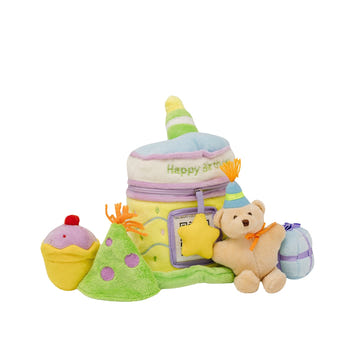
Genius Babies Toys Baby's 1st Birthday Plush Cake Pl...
$19.99
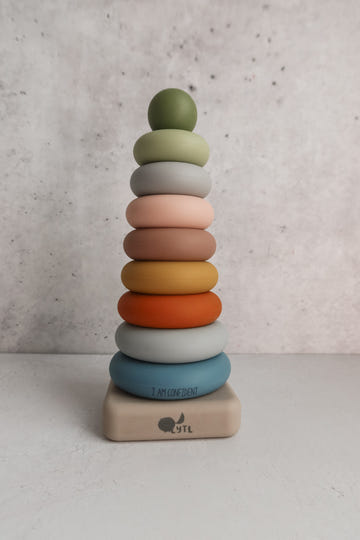
LYTL Silicone Ring Stacking Toy 10pc Food-grade BPA-...
$42.00
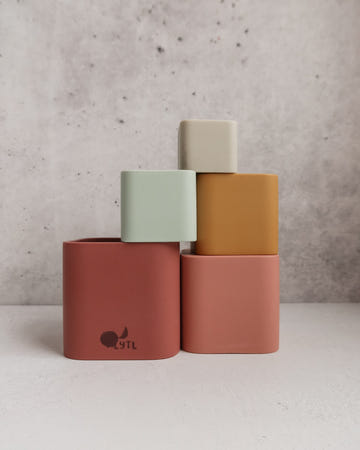
LYTL Silicone Stacking Cups Set of 5 Soft Toy Cups
$22.00
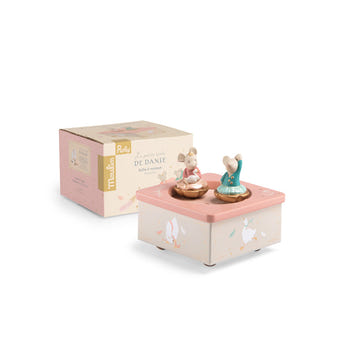
Speedy Monkey Musical Box The Little School of Dance...
$49.99

Comfy Cubs Stacking Blocks 36 Wooden Colorful Rocks
$29.99
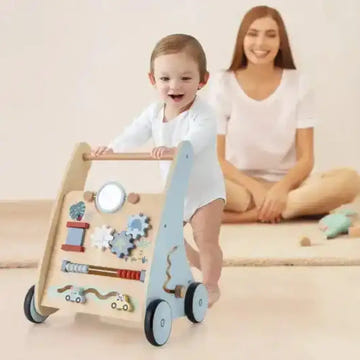
Wooden Baby Push and Pull Walker with Multi-Activity...
$39.99
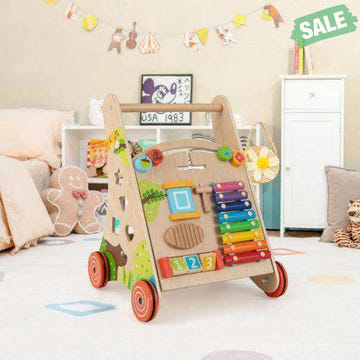
Wooden Push and Pull Baby Walker with Handle and Sto...
$29.99
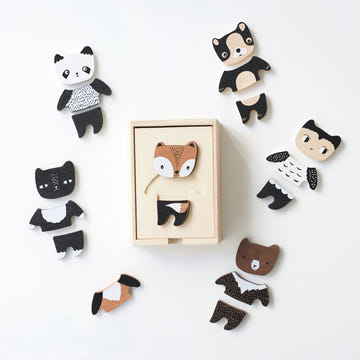
Wee Gallery Mix & Match Animal Tiles 18 Wooden Pieces
$63.95
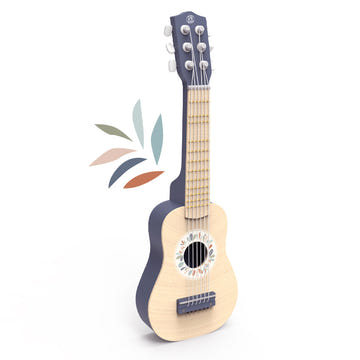
Speedy Monkey Guitar six-string toy multicolor 21.2in
$39.99
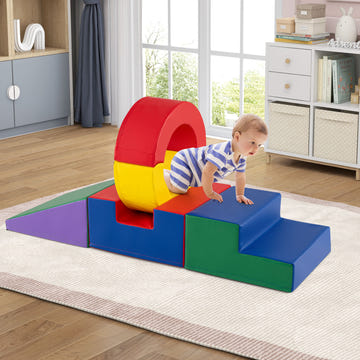
5 Pieces Kids Climbing Toys with PU Leather Cover - ...
$119.99