


Sleep training can be a controversial topic, but when approached with knowledge and compassion, it can be a helpful tool for promoting better sleep for both parents and babies. This guide explores various sleep training methods, scientific insights, and expert advice to help you decide what’s best for your family.
What is Sleep Training?
Sleep training is the process of teaching your baby to fall asleep independently and stay asleep throughout the night. This typically involves establishing healthy sleep habits and gradually reducing parental intervention during night wakings.

Dr. Sarah Patel, Pediatric Sleep Specialist: “Sleep training is not about neglecting your baby’s needs. It’s about teaching them how to self-soothe and develop the skills necessary for healthy sleep patterns.”
Safe sleep, sweeter nightsBetter baby sleep starts here
Take $15 off at checkout, applied automatically when you shop through this link.
Shop with MAMA15 →Free US shipping over $100. Code applies automatically at checkout.
When to Start Sleep Training
Most experts recommend waiting until your baby is around 4-6 months old, as this is when they begin to develop more consistent sleep-wake cycles and are more capable of learning to self-soothe.
✔️ Signs Your Baby May Be Ready for Sleep Training:
-
Can fall asleep with minimal rocking or feeding.
-
Has established a somewhat predictable daytime routine.
-
Can go for longer stretches between feedings at night.
Picks From This Story
Picks related to this guide, ready to ship from Moogco.
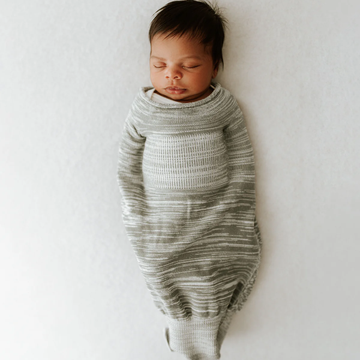
Swaddelini Grey Swaddle Sleep Sack 3D Knit Seamless ...
$54.95
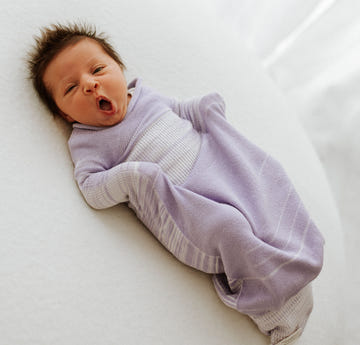
Swaddelini Lavender Swaddle Sleep Sack 3D knit light...
$54.95
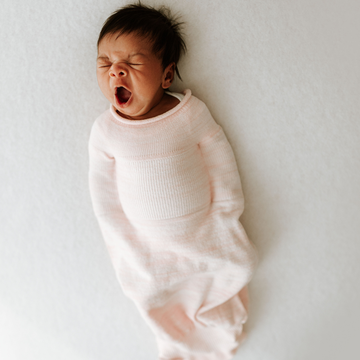
Swaddelini Pink Swaddle Sleep Sack 3D Knit Seamless
$54.95
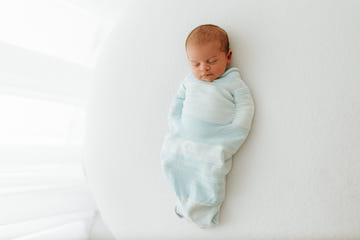
Swaddelini Blue Swaddle Sleep Sack 3D Knit Seamless
$54.95
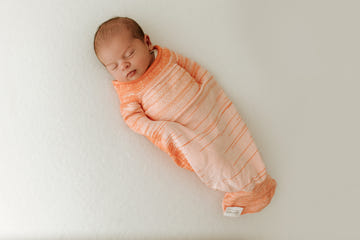
Swaddelini Orange Swaddle Sleep Sack 3D Knit Seamless
$54.95

Dreamland Baby Dream Weighted Sleep Sack 1.0 TOG 68-...
$109.00
Popular Sleep Training Methods
1. Ferber Method (Graduated Extinction)
This method involves allowing your baby to cry for gradually increasing intervals before offering comfort.
✔️ Check-ins are brief and soothing but do not involve picking up the baby. ✔️ Gradually lengthen the time between check-ins each night.
Dr. Richard Ferber: “The goal is not to eliminate crying but to allow the baby to learn how to fall asleep independently.”
2. Cry-It-Out (Extinction Method)
This method involves allowing your baby to fall asleep without parental intervention, even if they cry. It’s a more rapid approach but is not suitable for all families.
✔️ Best suited for parents who feel comfortable with a more direct approach. ✔️ Not recommended for babies under 6 months.
3. Chair Method (Gentle Sleep Training)
Parents stay in the room while the baby falls asleep and gradually move the chair farther away each night.
✔️ Provides comfort and reassurance while encouraging independence. ✔️ Requires patience and consistency but can be effective over time.
4. Pick-Up/Put-Down Method
Parents pick up the baby to soothe them when they cry but place them back in the crib while drowsy.
✔️ Ideal for parents seeking a gentle, responsive approach. ✔️ May require longer training periods.
5. No Tears Method (Fading Method)
Focuses on creating positive sleep associations through routines and gentle transitions without allowing the baby to cry excessively.
✔️ May include rocking, feeding, or singing to sleep and gradually reducing these aids. ✔️ More time-intensive but effective for sensitive or anxious babies.
Creating a Sleep-Friendly Environment
✔️ Use blackout curtains to keep the room dark. ✔️ Play white noise to mask household sounds. ✔️ Keep the room cool and comfortable (68-72°F). ✔️ Create a calming bedtime routine, including a bath, storytime, and quiet music.
The Science Behind Sleep Training
Studies have shown that sleep training, when done appropriately, does not cause harm to babies’ emotional development. In fact, it can enhance overall well-being by ensuring both parents and babies get sufficient rest.
Dr. Rachel Lee, Pediatric Psychologist: “Sleep training can be a valuable tool for promoting healthy sleep patterns. It’s essential to choose a method that aligns with your parenting style and your baby’s temperament.”
More Related Picks
A few more favorites from the same collection.
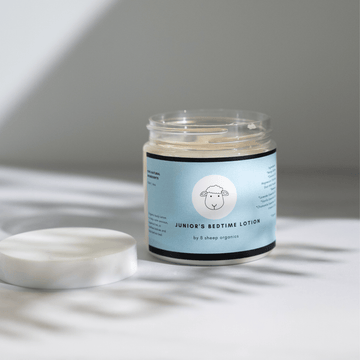
8 Sheep Organics Juniors Bedtime Lotion deep sea mag...
$23.00
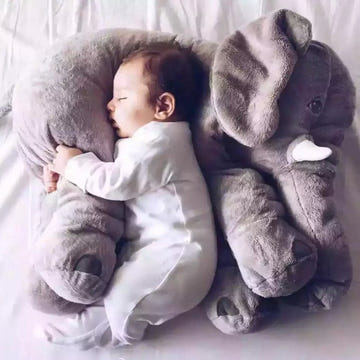
Sell My Stuff Elephant Plush Baby Sleep Pillow 30 35...
$40.00
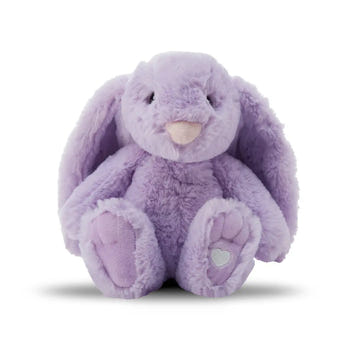
Xander Bunny — Lavender Stuffed Bunny | Weighted Cal...
$45.00
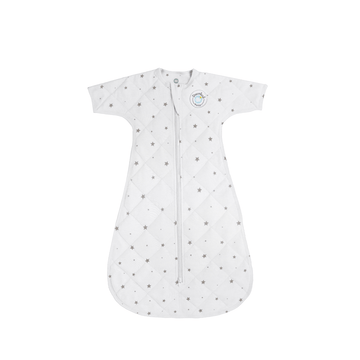
Dreamland Baby Dream Weighted Transition Swaddle arm...
$109.00

Little Martin's Drawer 100% Organic Cotton Sleep Sac...
$38.00
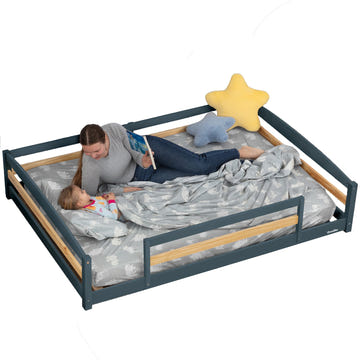
Full-Size Montessori Floor Bed Strong Slatted Frame
$259.99
The Role of Moogco Silver Nursing Cups
Breastfeeding can be part of your baby’s bedtime routine. However, sore nipples can make nighttime feedings challenging. Moogco Silver Nursing Cups provide soothing relief, helping mothers maintain a comfortable breastfeeding experience.
📌 Get yours today: Moogco Silver Nursing Cups on Amazon.
Final Thoughts: Finding What Works for You
Every baby is different, and sleep training is not a one-size-fits-all solution. Whether you choose a gentle approach or a more structured method, patience, consistency, and loving care are essential. Trust your instincts, consult your pediatrician, and choose the path that feels right for your family.
🛒 Find all your baby essentials at Moogco Baby.
Bring this guide home with $15 off.
Use code MAMA15 for $15 off →
Frequently Asked Questions
Is it okay to let my baby cry during sleep training?
Crying during sleep training is normal and does not harm your baby when done appropriately after 4-6 months. The goal is to teach self-soothing skills, not to ignore your baby's needs. Choose a method that matches your comfort level, whether that's graduated check-ins or a gentler approach. Always consult your pediatrician before starting any sleep training method.
How long does sleep training typically take to work?
Most sleep training methods show improvement within 3-7 days, though gentler approaches may take 2-3 weeks. Consistency is the most important factor for success. Every baby is different, so progress timelines vary based on temperament, age, and the method you choose. Stick with your chosen approach for at least one week before deciding if adjustments are needed.
Can I sleep train if I'm still breastfeeding at night?
Yes, you can absolutely sleep train while continuing nighttime feedings, especially for younger babies who still need nutrition during the night. The key is to feed your baby when they're truly hungry but encourage them to fall asleep independently afterward rather than nursing to sleep. Gradually, as your baby gets older and needs fewer night feeds, you can adjust the schedule. Many moms find that comfortable nursing sessions, supported by tools like silver nursing cups for sore nipples, make this transition smoother.
What if sleep training doesn't seem to be working for my baby?
If you've been consistent for 1-2 weeks without progress, it may be time to reassess. Your baby might not be developmentally ready, or the method might not suit their temperament. Consider trying a gentler approach, checking for underlying issues like teething or illness, or consulting your pediatrician. Sometimes a short break and restart can make all the difference.
Will sleep training ruin the bond I have with my baby?
No, research shows that appropriate sleep training does not damage attachment or emotional development. In fact, well-rested parents and babies often have more positive interactions during awake times. The key is responding to your baby's needs with love and consistency while teaching independent sleep skills. Trust your instincts and choose a method that feels right for your family.
Should I sleep train for naps and nighttime at the same time?
Most experts recommend starting with nighttime sleep training first, as it's typically easier for babies to learn. Once nighttime sleep improves (usually after 1-2 weeks), you can apply the same method to naps. Tackling both simultaneously can be overwhelming for parents and confusing for babies. Focus on one goal at a time for the best results.
What temperature is best for my baby's sleep environment?
The ideal room temperature for baby sleep is between 68-72°F. This range helps prevent overheating, which is associated with increased SIDS risk. Dress your baby in appropriate layers for the temperature and avoid heavy blankets. A sleep sack is a safer alternative to loose bedding and helps maintain comfortable body temperature throughout the night.
Can teething interfere with sleep training progress?
Yes, teething can temporarily disrupt sleep training as babies experience discomfort and pain. If your baby is teething, you may need to pause sleep training or be more flexible with your approach during particularly rough nights. Offer appropriate pain relief as recommended by your pediatrician, provide extra comfort, and resume consistent sleep training once the teething episode passes. This won't undo your previous progress.
From Moogco Studio
Printable and personalized nursery essentials. Designed by moms for moms.


About the Editor
Eda Ulger is the editor at Moogco Baby and a mom of two. She curates and edits our guides so every piece is honest, practical, and genuinely helpful for the early days of motherhood.
Shop This Story
Picks related to this guide, ready to ship from Moogco.
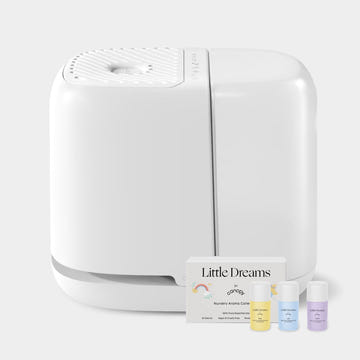
Canopy Nursery Humidifier 2.0 mold-inhibiting dishwa...
$159.00

Burt's Bees Baby Beekeeper Wearable Blanket
$24.95
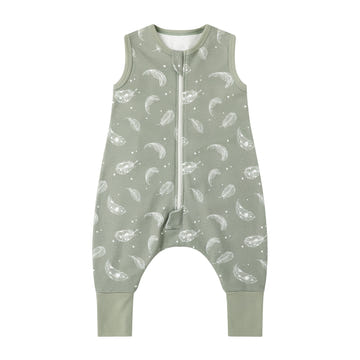
100% Organic Cotton 1.0 Tog Sleeping Bag with Legs S...
$30.00
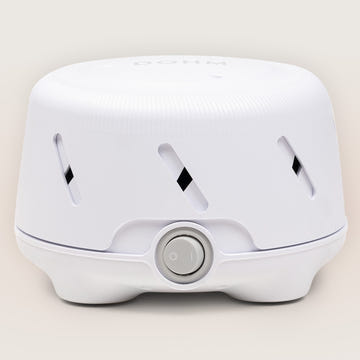
Dohm Uno
$36.99
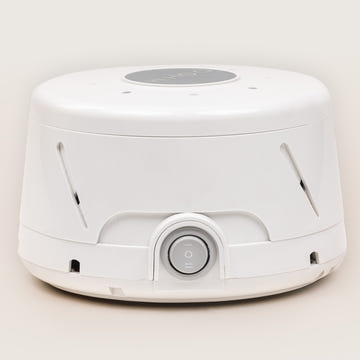
Dohm Classic
$49.99

Healthy Horizons Miracle Blanket one-size swaddle 10...
$32.95
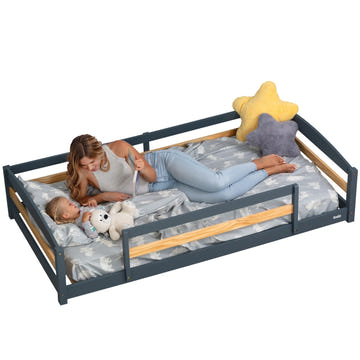
Twin Montessori-Inspired Floor Bed with Guardrails
$199.99
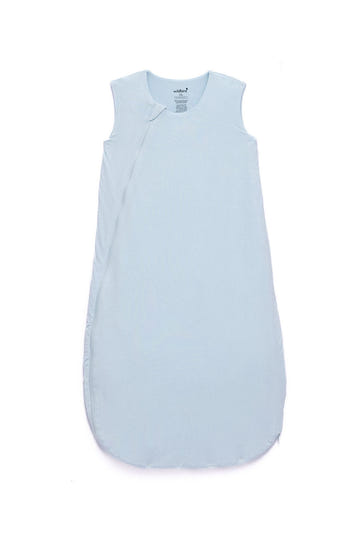
WildBird Dove CloudBlend Sleep Sack TOG 1 Blue grey
$44.00
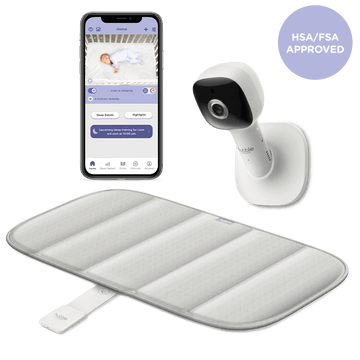
Hubble Connected Hubble Dream+ Comfort Cloud Sleep S...
$124.99
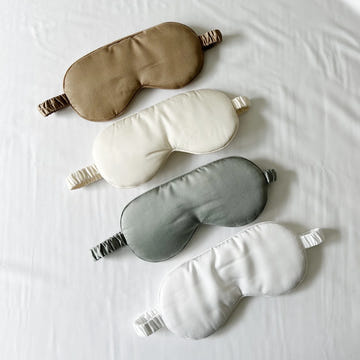
Bamboo is Better Sleep Mask Cooling Bamboo Light-Blo...
$19.00