


Welcome to the very beginning of your breastfeeding journey. Those first few hours after you give birth are a powerful, almost magical time often called the "golden hour." It’s all about getting your baby skin-to-skin on your chest, which helps their natural instincts take over, and offering them their very first meal: colostrum.
Your First Hours of Breastfeeding
Think of this time not as a test you have to pass, but as a gentle introduction for you and your newborn. The main goal is simply to be together. Holding your baby directly against your bare chest helps regulate their temperature, heart rate, and breathing. This incredible closeness often triggers the "breast crawl," where your baby will instinctively squirm their way toward your breast to try and latch for the first time.

The Power of Skin-to-Skin and Colostrum
During these first hours, your body isn't making mature milk just yet. Instead, it produces colostrum—a thick, often yellowish fluid that's pure "liquid gold." It’s packed with antibodies and nutrients, perfectly designed for your newborn's tiny tummy. A single teaspoon is a full meal for them at this stage!
Curated by moms, vetted by lactation pros
Everything for the breastfeeding journey
Take $15 off at checkout, applied automatically when you shop through this link.
Shop with READER15 →Free US shipping over $100. Code applies automatically at checkout.
This isn't just a sweet idea; it's a biologically crucial start. Studies show that initiating breastfeeding within the first hour can set a positive tone for your entire experience. Yet, between 2016 and 2022, only 46% of newborns Getting that first feed in early really helps establish your supply and gives your baby that vital immune boost right away.
Breastfeeding is a learned art. It might not feel natural at first, but with patience and practice, you and your baby will find your rhythm. The key is to relax, stay comfortable, and focus on connecting.
Setting Realistic Expectations
It’s so important to be kind to yourself during this time. Every baby is different. Some might latch on right away like a champ, while others might just want to sleep or need a little more coaxing.
Here are a few things to keep in your back pocket:
- This is a learning curve. Don't expect a perfect latch on the first try (or the tenth!).
- Your baby's stomach is the size of a cherry. They only need those tiny drops of colostrum.
- Ask for help! The nurses and lactation consultants at the hospital are there for you. Use them!
To help you feel more prepared, here’s a quick checklist of what to focus on in that first day.
Your First 24 Hours Breastfeeding Checklist
This simple checklist covers the essential first steps for your breastfeeding journey. It's designed to be a quick reference when you're tired and just need to know what to do next.
| Action | Why It's Important | Quick Tip |
|---|---|---|
| Do Skin-to-Skin | Regulates baby's vitals and encourages latching instincts. | Keep your baby in just a diaper on your bare chest for as long as possible. |
| Offer the Breast | Gives baby the opportunity to latch and receive colostrum. | Aim to offer the breast within the first hour after birth, even if baby just licks or nuzzles. |
| Watch for Hunger Cues | Helps you feed baby before they get frustrated and start crying. | Look for rooting (turning head), smacking lips, or bringing hands to mouth. |
| Ask for a Latch Check | Ensures baby is transferring milk effectively and prevents nipple pain. | Have a nurse or lactation consultant watch at least one feed before you're discharged. |
| Hand Express Colostrum | Helps baby get every drop and can relieve early engorgement. | Ask a nurse to show you how. You can express a few drops onto a spoon or directly into baby's mouth. |
Remember, the benefits of skin-to-skin contact during breastfeeding continue long after that initial golden hour, helping to calm your baby and boost your milk supply. Your first hours are truly about connection, not performance. Just hold your baby, offer the breast, and trust that you’re both learning this new dance together.
Getting a Comfortable and Effective Latch
Think of a good latch as the foundation of your entire breastfeeding journey. It's truly the key. When your baby latches on deeply and effectively, feeding is so much more comfortable for you, and you can rest easy knowing they're getting all the milk they need to thrive. It's probably the most important skill you'll learn together, and while it definitely takes some practice, you will find your rhythm.
Let's walk through the motions you'll repeat each time you settle in for a feed.
This infographic gives you a great visual for how those first few breastfeeding sessions will flow, from that initial skin-to-skin snuggle to the all-important first latch.

As you can see, each step naturally builds on the last. It all starts with closeness and ends with your baby getting that first amazing meal of colostrum.
Finding the Right Position for You
First things first: you have to be comfortable. I can't stress this enough. If you’re tense, hunched over, or in an awkward position, everything else becomes a struggle. The goal is always to bring your baby to your breast, not your breast to your baby. So grab some pillows, a footstool—whatever you need—and experiment until you find a position that lets your shoulders and back completely relax.
- Cradle Hold: This is the classic pose everyone imagines. You support your baby with the arm on the same side as the nursing breast. It’s a great go-to once you and your baby have a little experience under your belts.
- Cross-Cradle Hold: This hold gives you so much more control, which is why it's a favorite for those early days. If you’re nursing on your left breast, you'll support your baby’s body with your right arm and hand, leaving your left hand free to support your breast. It’s fantastic for newborns who still need a little help guiding their head and neck.
- Football (or Clutch) Hold: Just like it sounds—imagine tucking a football under your arm. Your baby lies along your side, supported by your arm, with their feet pointing toward your back. This position is an absolute lifesaver if you’ve had a C-section, as it keeps all pressure off your incision.
- Side-Lying Position: For those middle-of-the-night feeds or just a relaxed daytime session, this one is a game-changer. You and your baby lie on your sides facing each other, tummy to tummy. It’s a wonderful way to rest while your baby nurses.
The secret to a good latch is getting it deep and asymmetric. This means your baby takes in more of the bottom of your areola than the top. Their chin should be pressed firmly into your breast, leaving their nose clear to breathe.
The Mechanics of a Deep Latch
Once you’re settled and comfortable, it's time to encourage your baby to open their mouth wide—think of a big yawn. You can gently brush your nipple against their upper lip to trigger their rooting reflex. The moment their mouth opens wide, that's your cue to bring them onto the breast quickly and gently.
So, how do you know if you've nailed it? There are some really clear signs to look for.
Signs of a Good Latch:
- It feels comfortable. You might feel some tugging or pulling, but it should never be painful, pinching, or sharp. Pain is a red flag.
- Your baby’s lips are flanged out. Their top and bottom lips should be curled outward, like fish lips, creating a good seal against your breast.
- You can hear swallowing. After some quick, fluttery sucks to get things started, you should start to hear or see deep, rhythmic swallowing as your milk lets down.
- Your nipple looks normal after the feed. When your baby comes off the breast, your nipple should look rounded and pretty much the same shape as it started. If it's flattened, creased, or blanched (white), the latch was likely too shallow.
On the flip side, a shallow latch often causes pain and means your baby isn’t transferring milk efficiently. You might hear clicking or smacking sounds, feel that pinching sensation, or notice your baby seems fussy and still hungry after a feed.
If it hurts, don't just push through it! Gently slide your pinky finger into the corner of your baby's mouth to break the suction, and try again. For a deeper dive, our guide on understanding and addressing latching difficulties in breastfeeding can be a huge help.
Please don’t get discouraged if it takes a few (or many!) tries to get it right. Every single feeding is a new chance to practice. The more you and your baby work together, the more this whole process becomes second nature, setting you up for a wonderful and rewarding nursing relationship.
Picks From This Story
Picks related to this guide, ready to ship from Moogco.

The Original Silver Nursing Cups with Silicone Pads
$62.90
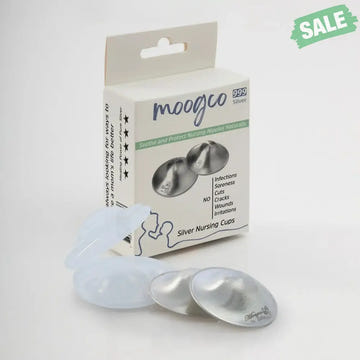
MOOGCO Silver Nursing Cups 999k Silver
$49.90

momjug breastfeeding water bottle 50oz double-wall s...
$49.99
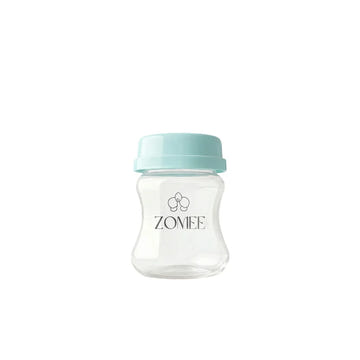
Zomee Breast Pumps Breast Milk Storage Bottles BPA-free
$3.99
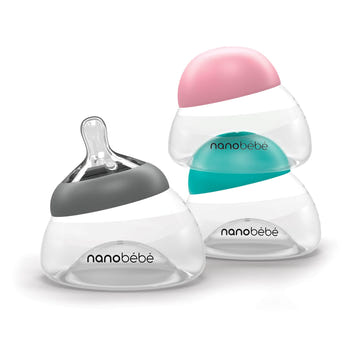
Nanobébé Breastmilk Baby Bottle 5 oz Pack Options Pi...
$16.99
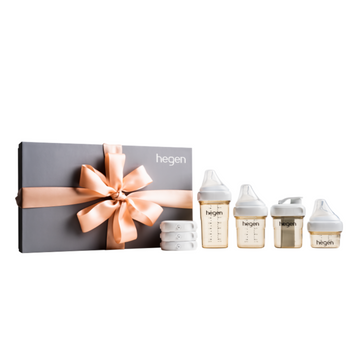
hegen PPSU Essentials Kit 60ml 150ml 240ml baby bottles
$99.99
Reading Your Baby's Hunger Cues

One of the best pieces of advice I can give any new mom is to learn to speak your baby's language. This means watching your baby, not the clock. We call this "feeding on demand," and it’s about responding to your little one’s needs as they happen. It's a beautiful way to build trust and make them feel secure.
So many of us are told that crying means a baby is hungry. While that's true, crying is actually a late sign of hunger. By the time your baby is wailing, they're already pretty worked up and frustrated, which can make getting a good latch so much harder.
The real goal is to catch their earlier, more subtle signals. Responding to these first little nudges makes for a much calmer, sweeter feeding experience for both of you.
Early Hunger Cues to Watch For
Think of these as your baby’s polite way of saying, "Hey, I'm starting to get hungry over here!" Catching them early is a total game-changer.
- The Rooting Reflex: This is when they turn their head from side to side, almost like they're searching for you. If you gently stroke their cheek, you'll see them turn right toward your finger, ready to go.
- Hands to Mouth: You’ll notice them bringing their tiny fists up to their mouth and sucking on their hands or fingers. It’s one of the clearest signs.
- Lip Smacking or Licking: Listen for little smacking sounds. You might also see them licking their lips or making little sucking motions.
- Waking and Wiggling: They'll start to stir from sleep, open their eyes, and become more active and alert.
When you respond to these early cues, you're teaching your baby that you're there for them, ready with comfort and food. To get even more confident in spotting these signals, you can explore our full guide on understanding baby hunger cues.
Why Newborns Feed So Often
In those first few weeks, it can feel like you are doing nothing but nursing. And honestly, you pretty much are! Newborns typically need to eat 8 to 12 times in a 24-hour period, which breaks down to about every two to three hours.
Their stomachs are incredibly tiny at birth—only about the size of a cherry—and they digest that precious breast milk very quickly.
This constant nursing isn't just about filling their tummy. It's also how you establish your milk supply. Each time your baby latches on, they send a direct signal to your body to make more milk. It’s a perfect little supply-and-demand system.
Sometimes, especially in the evenings, your baby might want to nurse back-to-back for a while. This is called cluster feeding, and it’s completely normal. It’s their brilliant way of telling your body to ramp up production, usually right before a growth spurt.
How to Know Your Baby Is Getting Enough Milk
With all this focus on cues instead of clocks, it’s only natural to worry, "Is my baby getting enough?" This is probably the number one question I hear from new moms. The good news is, your baby gives you all the proof you need.
You don't need to measure ounces to feel confident. Your baby's output is one of the most reliable indicators of adequate milk intake. Trust what you see in their diaper, not just what a clock says.
Here are the key signs of a well-fed and thriving baby:
- Plenty of Wet and Dirty Diapers: After the first few days, you should be seeing at least six wet diapers and three or more soft, yellowish poops every day.
- Steady Weight Gain: Your pediatrician will track this at each appointment, making sure your baby is growing along their own unique curve.
- Happy and Content: After a good feed, a full baby will often seem relaxed, content, and will probably drift off into a peaceful "milk-drunk" sleep.
These signs are so much more reliable than timing feeds. In the United States, data shows that while 83.2% of infants start breastfeeding, that number drops by the time they hit six months. A big part of that is confidence. When you know how to read your baby and trust these signs, you can feel secure in your journey. You can check out more details on national breastfeeding rates and trends from the CDC.
How to Handle Common Breastfeeding Hurdles
Even the smoothest breastfeeding journeys hit a few bumps in the road. It’s completely normal. The key is knowing what to look for and how to navigate these common challenges when they pop up, turning a moment of worry into a manageable fix.
Let's walk through some of the most frequent hurdles new moms face and how you can work through them with confidence.
Soothing Sore Nipples and Preventing Damage
One of the first things many moms notice is sore nipples. While a little tenderness right at the beginning is expected as you both get the hang of things, sharp, wince-inducing pain that lasts throughout a feed is a red flag.
Nine times out of ten, the culprit is a shallow latch. Your baby needs to take in a big mouthful of breast, including a good portion of the areola, not just the very tip of the nipple. If feeding hurts, don't just power through—gently break the suction and try again.
If you're already sore, you can take simple steps to heal and find relief. Your own breast milk is a fantastic, natural remedy. After feeding, just express a few drops, gently rub them onto your nipples, and let them air-dry. It’s packed with antibacterial and healing properties.
For extra relief and protection, many moms swear by silver nursing cups. These little cups sit inside your bra, creating a shield against friction while trapping a bit of your breast milk against the skin. This creates a soothing, moist environment that can help heal irritation without you having to mess with any creams or ointments.
Managing Engorgement
A few days after giving birth, your milk will "come in." It's an amazing transition, but it can sometimes feel like too much of a good thing. Your breasts might become overly full, hard, and really uncomfortable—this is called engorgement. Don't panic; it's a temporary phase while your body figures out exactly how much milk your baby needs.
The best way to get through it is to keep the milk moving.
- Nurse, nurse, nurse. Aim to feed your baby at least every two to three hours. You might even have to wake them up for a feed, and that’s okay.
- Try a gentle massage. Before your baby latches, gently massage your breast to encourage your let-down.
- Cool things down. Between feedings, apply cold packs or even chilled cabbage leaves for 15-20 minutes at a time. It works wonders for reducing swelling.
- Soften things up. If your breast is too firm for your baby to latch properly, hand express just enough milk to soften the areola so they can get a deeper, more comfortable grip.
Remember that engorgement is a signal from your body that there's more milk than your baby is taking. By nursing frequently, you're helping your body learn exactly how much to produce.
Distinguishing Engorgement from Mastitis
While engorgement is a temporary discomfort, mastitis is a breast infection that needs prompt medical attention. Knowing how to tell them apart is crucial so you can act fast if you need to.
Here’s a quick guide to help you tell the difference between these common breastfeeding issues and figure out what to do next.
Common Breastfeeding Issues And Solutions
| Issue | What It Feels Like | What You Can Do |
|---|---|---|
| Engorgement | An overall feeling of fullness, hardness, and tenderness, usually in both breasts. They might feel warm and heavy, and you may have a low-grade fever. | Nurse often, use cold compresses between feedings to reduce swelling, and gently massage the breast to help milk flow. |
| Mastitis | A painful, localized spot in one breast, often in a wedge-shaped area. The spot is typically red, hot, and tender to the touch. You’ll feel sick, with flu-like symptoms like a high fever, chills, and body aches. | Call your doctor immediately. Continue to nurse or pump from the affected side to keep the milk flowing, and use warm compresses before feeding to help clear any blockage. |
If you think you have mastitis, don’t stop breastfeeding on that side! Keeping the milk moving is one of the most important things you can do to clear the blockage and help the infection resolve. Your doctor will likely prescribe an antibiotic that is perfectly safe to take while nursing.
Addressing Low Milk Supply Concerns
Almost every nursing mom has a moment (or many!) of worrying, "Am I making enough milk?" While true low supply is less common than our anxieties would have us believe, there are definitely practical things you can do if you're concerned.
Breastfeeding works on a simple supply-and-demand basis: the more milk your baby (or a pump) removes, the more your body is signaled to produce.
So, the most effective way to boost your supply is to nurse more frequently. Watch your baby for early hunger cues instead of waiting for cries. You can also try adding a pumping session after a few feeds each day. Some moms find "power pumping"—pumping in short, frequent intervals for about an hour—can mimic a baby's cluster feeding and really kickstart production.
These hurdles are a big reason why having a good support system is so important. Globally, exclusive breastfeeding rates are still below health targets; as of 2025, only about 48% of infants are exclusively breastfed for six months. A big part of the problem is that many healthcare providers don't have enough training in lactation, leaving new moms feeling lost. You can learn more about global efforts to support breastfeeding mothers from the Pan American Health Organization.
Knowing what to expect and how to handle these bumps empowers you to face them head-on and continue your breastfeeding journey with confidence.
Integrating Pumping and Storing Milk

For many moms, a breast pump becomes a natural part of the breastfeeding experience. It's a tool that offers incredible flexibility, lets your partner share in the feeding joy, and is absolutely essential for keeping your milk supply up if you're heading back to work.
Introducing a pump doesn't have to change your nursing relationship one bit. Think of it as just another way to give your baby that amazing liquid gold you're making.
The real secret is timing. Most lactation experts suggest waiting until your milk supply is well-established—usually around the 3 to 4-week mark—before bringing a pump or bottle into the mix. This gives you and your baby crucial time to get your latch down and sync up your unique supply-and-demand rhythm without causing any confusion. Jumping the gun on pumping can sometimes lead to an oversupply, which sounds like a good problem to have but often comes with its own headaches, like engorgement and clogged ducts.
Choosing Your Pump and Maximizing Output
When you feel ready, the sheer number of breast pumps out there can be a little much. The best pump for you really boils down to your lifestyle and how often you'll be using it.
- Manual Pumps: These are simple, quiet, and perfect for occasional use. Need to relieve a little pressure or pump a bottle for a much-needed date night? This is your guy. They’re also super easy to toss in a bag and go.
- Electric Single/Double Pumps: For moms who plan to pump regularly, especially after returning to work, a double electric pump is the workhorse you need. They’re incredibly efficient and help build a strong supply by stimulating both breasts at once.
Once you’ve got your pump, a few little tricks can make a huge difference in your output. First, make sure your pump flanges are the right size. A poor fit is not only uncomfortable but can seriously reduce how much milk you get. Looking at photos or videos of your baby while pumping can also be a game-changer for triggering your let-down reflex. Finally, try some gentle breast massage and compressions while you pump to help empty everything out more effectively.
Safe and Simple Milk Storage Guidelines
Handling and storing your breast milk properly is key to keeping it safe for your baby. Thankfully, the rules are pretty straightforward once you get the hang of them.
To keep it simple, just remember the "Rule of 4s" for freshly expressed milk: it's good for up to 4 hours at room temperature and up to 4 days in the refrigerator. In a standard freezer, it's best used within 6 months (though it remains safe for up to 12).
Always, always label your milk with the date it was pumped so you can follow the "first in, first out" rule. When you're ready to use frozen milk, let it thaw overnight in the fridge or hold the bag under a stream of warm running water. A big no-no: never use a microwave. It creates dangerous hot spots and can destroy some of the milk's most valuable nutrients.
Creating a Return-to-Work Pumping Plan
The thought of pumping at work can be a huge source of anxiety, but a solid plan can make all the difference. Start by talking to your employer about your needs—you're legally entitled to a private, clean space (that isn't a bathroom) and reasonable break time to pump.
About a month before you head back, start building a small freezer stash. You don't need a deep freezer full of milk! Having just enough for the first day or two is plenty. This takes the pressure off of needing to pump enough that day for the very next day.
At work, try to pump on a schedule that mimics when your baby would normally eat, which is typically every 3-4 hours.
Here’s a quick checklist to pack in your pump bag so you’re never caught off guard:
- Your double electric breast pump
- All the parts: flanges, valves, membranes, tubing
- Milk collection bottles or storage bags
- An insulated cooler bag with an ice pack
- Wipes for cleaning pump parts on the go
- A hands-free pumping bra (this will change your life!)
- Snacks and a big water bottle for you—making milk is thirsty work!
Figuring out pumping is just one more skill you’ll master on this incredible journey. With the right gear and a good plan, you can weave pumping into your life and keep meeting your breastfeeding goals, whatever they may be.
More Related Picks
A few more favorites from the same collection.

Healthy Horizons Elvie Stride Diaphragms 2 Pack
$21.99
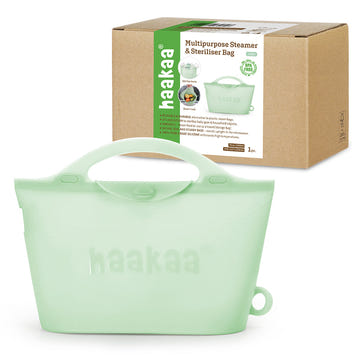
Haakaa Multipurpose Steamer & Sterilizer Bag 3 sizes...
$14.99
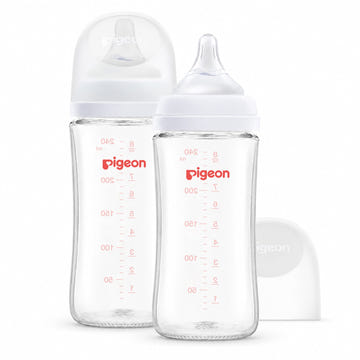
Pigeon Glass Wide Neck Baby Bottle 2-Pack 8.1 oz 3+ ...
$35.99
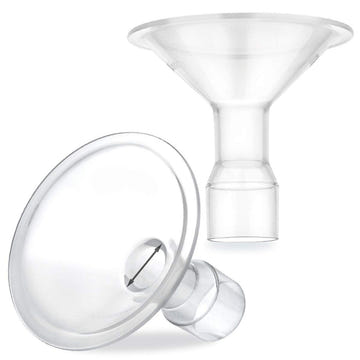
Bae & Bee Boutique Maymom Narrow Neck Flange compati...
$15.00

Haakaa Silicone Pump and Ladybug Milk Collector Comb...
$30.32
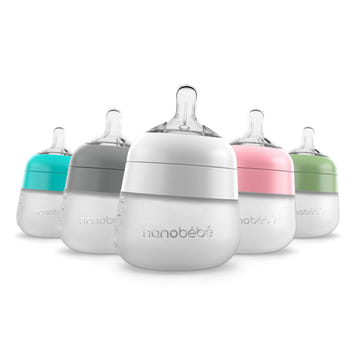
Nanobébé Flexy Silicone Baby Bottle 5oz
$16.99
Finding Your Breastfeeding Tribe
We often picture breastfeeding as this quiet, intimate bond just between mom and baby. And while it is that, it's also so much more. The truth is, you weren't meant to do this alone. One of the best things you can do for your breastfeeding journey is to build a solid support system.
This isn't just about having people around you. It’s about finding the right people—those who get it, who support your goals, and who can offer real, practical help when you're exhausted at 3 a.m.
The key is learning to be specific with your needs. Your partner, friends, and family genuinely want to help, but they’re often at a loss for what to do. So, spell it out for them! Instead of a vague "I'm so tired," try, "Could you hold the baby for an hour so I can take a nap?" It’s a game-changer.
When to Call in the Experts
Sometimes, your cheerleading squad of friends and family isn't enough to solve a tricky issue. That's when it's time to call in a professional, specifically an International Board Certified Lactation Consultant (IBCLC).
Think of an IBCLC as your personal breastfeeding coach. They are healthcare professionals with highly specialized training to help you navigate the clinical side of things and overcome any hurdles you encounter.
So, when is it time to make that call?
- Pain That Just Won't Quit: A little tenderness at the beginning can be normal, but if breastfeeding hurts throughout the entire feed, something is off. An IBCLC needs to take a look at your baby’s latch.
- Concerns About Weight Gain: If your pediatrician is flagging slow weight gain, an IBCLC can do a weighted feed. This tells you exactly how much milk your baby is actually drinking at the breast.
- A Latch That's Just Not Working: You've tried all the positions and all the tricks, but getting a deep, comfortable latch feels impossible. A consultant can spot underlying issues, like a tongue or lip tie, that you might miss.
Reaching out for help isn't a sign you're failing. It’s a sign of incredible strength and commitment to your baby. Investing in professional support can completely turn your experience around, replacing struggle with confidence.
Many new moms also find that professional maternity nurses offer incredible hands-on guidance during those first few weeks postpartum.
Ultimately, having the right people in your corner is what makes all the difference. Whether it’s your partner bringing you a glass of water, a friend who just listens without judgment, or an IBCLC who helps you finally nail that latch—your support system is your safety net. It allows you to focus on the beautiful, demanding work of nourishing your little one.
Your Top Breastfeeding Questions, Answered
Even after you've read all the books and taken the classes, you're bound to have questions once your baby arrives. It's totally normal. Here are some quick, real-world answers to the things new moms ask about most.
Can I Still Have My Morning Coffee? What About a Glass of Wine?
You don't have to give up everything you love. When it comes to coffee, moderation is your friend. Most experts agree that one or two cups a day, which is about 300mg of caffeine, is perfectly fine and shouldn't affect your baby.
For alcohol, the golden rule is to time it right. The safest bet is to wait at least two hours for each drink you have before you nurse again. Alcohol leaves your milk as it leaves your bloodstream, so the old "pump and dump" trick won't actually speed things up. It’s all about giving your body time.
What Foods Will Help Me Make More Milk?
Honestly, you don't need to follow a super-specific diet to make milk. The best thing you can do is focus on yourself—eat healthy, balanced meals and stay hydrated. Think of it as fuel for your own body, which in turn fuels your baby.
While you might hear other moms swear by things like oatmeal or fenugreek, the only scientifically proven way to boost your supply is to empty your breasts often and effectively. More demand equals more supply, whether that’s from your baby nursing or you pumping.
And while you're busy caring for your baby, don't forget to take care of your own postpartum healing. It's common to deal with other recovery issues, and it's helpful to know how to treat hemorrhoids after pregnancy so you can feel more comfortable.
For natural, chemical-free nipple care that brings soothing relief, trust MoogCo's Original Silver Nursing Cups to protect your sensitive skin. Find your perfect fit and make your breastfeeding journey a more comfortable one by visiting our product page on Amazon.
Article created using Outrank
Bring this guide home with $15 off.
Use code READER15 for $15 off →
Featured pick from Moogco
MOOGCO Silver Nursing Cups 999k Silver - BPA-Free for Babies & Toddlers
$46.90 $52.90
Shop this pick → Frequently Asked Questions
How often should I be breastfeeding my newborn in the first week?
Newborns typically need to nurse 8 to 12 times in every 24-hour period, which works out to roughly every 2 to 3 hours. Some babies cluster feed and want to nurse even more frequently, especially in the evening. This frequent feeding is completely normal and helps establish your milk supply, so feed on demand rather than watching the clock.
Is it normal for breastfeeding to hurt at first?
You might feel some tenderness or sensitivity during the first few days as you and your baby are learning, but breastfeeding should never be truly painful. Sharp, pinching, or burning pain usually means the latch needs adjusting. If you're experiencing ongoing pain, reach out to a lactation consultant right away because feeding shouldn't hurt once you've got a good latch established.
What is colostrum and why does everyone talk about it?
Colostrum is the thick, often golden-yellow first milk your body makes during pregnancy and for the first few days after birth. It's incredibly concentrated with antibodies, proteins, and immune factors that protect your newborn and coat their digestive system. Even though it comes in tiny amounts (sometimes just drops), it's exactly what your baby's cherry-sized stomach needs and is often called liquid gold for good reason.
How do I know if my baby is actually getting enough milk?
In the early days, count wet and dirty diapers: your baby should have at least 6 wet diapers and 3 to 4 dirty diapers by day four. You should also hear swallowing during feeds, and your baby should seem satisfied after nursing. Weight gain is the gold standard, so make sure you attend all those early pediatrician appointments to track growth.
What are hunger cues and when should I start feeding?
Hunger cues are the subtle signs your baby shows before they start crying: rooting (turning their head and opening their mouth), bringing their hands to their face, smacking or licking their lips, and general restlessness. Crying is actually a late hunger cue, so try to catch those early signals and offer the breast before your baby gets too upset and frustrated.
Can I switch breasts during a feeding or should I stick to one side?
You can definitely switch breasts during a feeding, and many moms do. Let your baby finish the first breast completely (they'll come off on their own or fall asleep), then offer the second side. Some babies only want one breast per session, and that's fine too. The key is to let baby drain the first breast so they get the fatty hindmilk that comes at the end of a feed.
Should I wake my newborn up to feed or let them sleep?
In the first few weeks, if your baby hasn't woken on their own to eat within 3 hours during the day or 4 hours at night, it's a good idea to gently wake them for a feed. Newborns need those frequent calories to regain their birth weight and keep your milk supply strong. Once your baby is back to birth weight and gaining well, your pediatrician will usually give you the green light to let them sleep longer stretches.
What should I do if my baby falls asleep at the breast right away?
Newborns are sleepy, and it's really common for them to doze off during feeds, especially in the first week. Try gentle tactics like stroking their cheek, tickling their feet, switching breasts, or doing a diaper change mid-feed to wake them up a bit. Skin-to-skin contact can also help keep them alert and interested in nursing.
From Moogco Studio
Printable and personalized nursery essentials. Designed by moms for moms.


About the Editor
Eda Ulger is the editor at Moogco Baby and a mom of two. She curates and edits our guides so every piece is honest, practical, and genuinely helpful for the early days of motherhood.
Shop This Story
Picks related to this guide, ready to ship from Moogco.
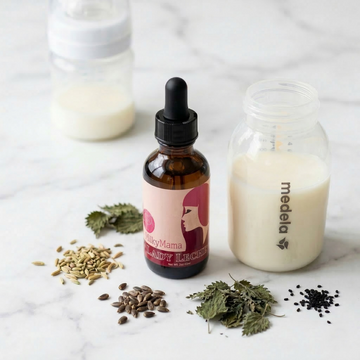
Milky Mama Lady Leche Lactation Liquid Grape Flavor ...
$27.00
Bae & Bee Boutique LactTube 5FR Pediatric Feeding Tu...
$3.00

Nanobébé Silicone Anti-Colic Baby Bottle Nipples Gen...
$5.99
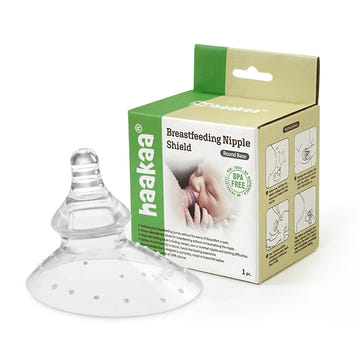
Haakaa Silicone Breastfeeding Nipple Shield Round Sh...
$19.05
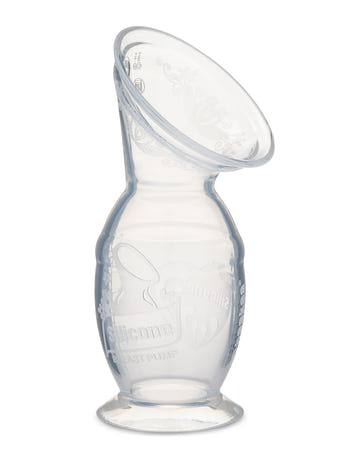
Haakaa Generation 2 Silicone Breast Pump 5 oz Suctio...
$20.99
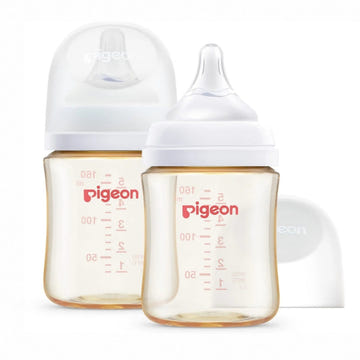
Pigeon PPSU Wide Neck Baby Bottle 2 Pack 5.4 oz Newborn
$34.99
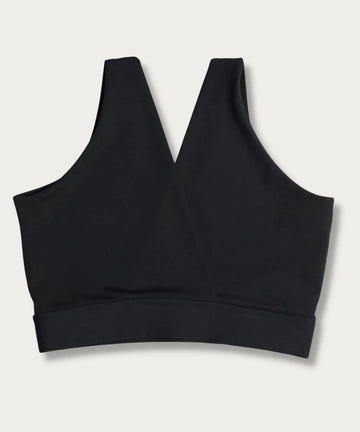
Nyssa FourthWear Postpartum Bralette Nursing and Pum...
$39.00
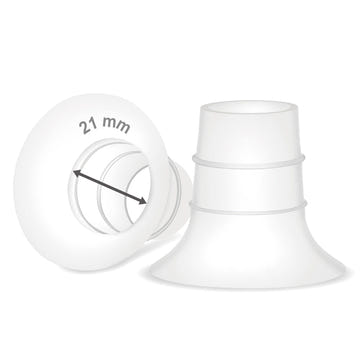
Bae & Bee Boutique Maymom Silicone Medela Flange Ins...
$6.00
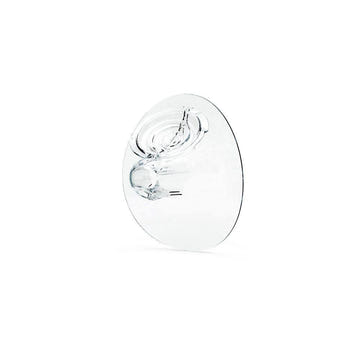
Healthy Horizons Elvie Pump Breast Shields 2 Pack 21...
$29.99
Bae & Bee Boutique Silicone Flange Inserts 10-21mm
$16.00