


The bond between mother and baby is one of the most profound connections in the human experience. Skin-to-skin contact, also known as kangaroo care, is a simple yet powerful way to strengthen this bond, especially during breastfeeding. This practice, which involves holding your newborn close to your bare chest, offers a myriad of benefits that extend far beyond just comfort and warmth. In this blog post, we'll explore the many advantages of skin-to-skin contact during breastfeeding and why it's an essential part of the breastfeeding journey.
The Science Behind Skin-to-Skin Contact
Regulating Baby’s Temperature
Newborns are particularly vulnerable to temperature fluctuations, and skin-to-skin contact is a natural way to regulate your baby’s body temperature. When your baby is placed against your chest, your body adjusts to keep them warm, providing a stable and comfortable environment. This thermal regulation is crucial in the first few hours after birth when a baby's ability to maintain body temperature is not fully developed.
Stabilizing Heart Rate and Breathing
Skin-to-skin contact helps stabilize your baby’s heart rate and breathing. The rhythm of your heartbeat and the rise and fall of your chest as you breathe have a calming effect on your newborn, helping them adjust to life outside the womb. This close contact promotes a more regular heart rate and breathing pattern, which is especially beneficial for premature or low-birth-weight babies.
Boosting Immunity and Reducing Stress
Breastfeeding itself is a powerful way to boost your baby’s immune system, and when combined with skin-to-skin contact, the benefits are amplified. The physical closeness encourages the exchange of beneficial bacteria between mother and baby, which helps to build a robust immune system. Additionally, skin-to-skin contact reduces levels of cortisol, a stress hormone, in both mother and baby, promoting relaxation and emotional bonding.
Enhancing Breastfeeding Success
Encouraging Early Latching
One of the most significant benefits of skin-to-skin contact is its ability to facilitate early and successful latching. When a newborn is placed on the mother’s chest immediately after birth, their natural instincts kick in, and they begin to search for the breast. This close proximity makes it easier for your baby to find the nipple and latch on correctly, setting the stage for successful breastfeeding from the very beginning.
Increasing Milk Supply
Skin-to-skin contact stimulates the release of oxytocin, a hormone that plays a critical role in milk production. The more oxytocin your body produces, the more milk you’ll produce. By holding your baby close during breastfeeding, you’re encouraging your body to produce more milk, which is essential for establishing and maintaining a healthy milk supply.
Prolonging Breastfeeding Duration
Mothers who engage in regular skin-to-skin contact are more likely to continue breastfeeding for longer periods. This practice not only enhances the physical bond between mother and baby but also boosts a mother’s confidence in her ability to breastfeed. The increased bonding and comfort often lead to a more positive breastfeeding experience, making mothers more likely to stick with it over time.
Emotional and Psychological Benefits
Strengthening the Mother-Baby Bond
Skin-to-skin contact is a powerful way to strengthen the emotional bond between you and your baby. The physical closeness and eye contact foster a deep sense of connection and trust. This bonding experience is not only beneficial for the baby but also for the mother, as it can help reduce feelings of anxiety and promote maternal well-being.
Supporting Emotional Development
For babies, the benefits of skin-to-skin contact extend beyond the physical. This close interaction helps to support their emotional development, providing a sense of security and love. Babies who experience regular skin-to-skin contact tend to be more calm and content, as they feel safe and nurtured in their mother’s arms. This foundation of emotional security is vital for healthy psychological development.
The Role of Moogco Silver Nursing Cups in Enhancing the Breastfeeding Experience
Breastfeeding is a beautiful, natural process, but it can come with its challenges, including sore or cracked nipples. Moogco Silver Nursing Cups are designed to help mothers manage these challenges, allowing them to focus on the benefits of skin-to-skin contact without discomfort.
Promoting Comfort and Healing
Moogco Silver Nursing Cups provide a soothing, protective barrier for sore nipples, promoting natural healing and reducing pain. By alleviating nipple discomfort, these cups allow mothers to fully embrace the closeness of skin-to-skin contact during breastfeeding, enhancing the overall experience for both mother and baby.
Supporting Ongoing Breastfeeding Success
By keeping your nipples healthy and pain-free, Moogco Silver Nursing Cups play a crucial role in supporting ongoing breastfeeding success. The more comfortable you are during breastfeeding, the more likely you are to continue this vital practice, allowing your baby to reap the full benefits of both breastfeeding and skin-to-skin contact.
Picks From This Story
Picks related to this guide, ready to ship from Moogco.

momjug breastfeeding water bottle 50oz double-wall s...
$49.99
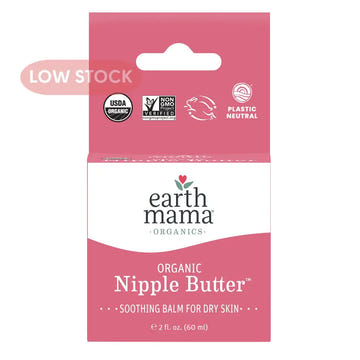
Organic Nipple Butter™ - Double-Sided for Kids
$14.99
Bae & Bee Boutique LactTube 5FR Pediatric Feeding Tu...
$3.00
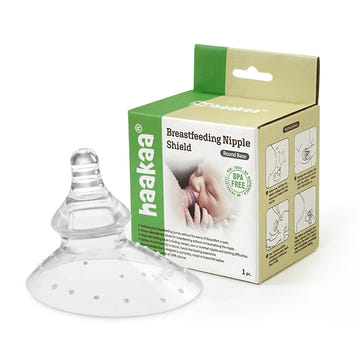
Haakaa Silicone Breastfeeding Nipple Shield Round Sh...
$19.05
Bae & Bee Boutique Cherry Shaped Nipple Shield 21mm ...
$14.00
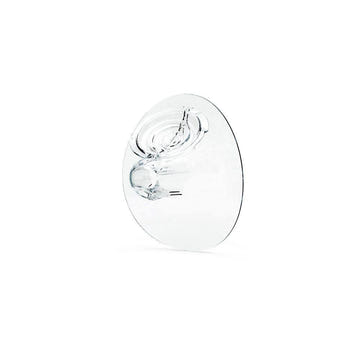
Healthy Horizons Elvie Pump Breast Shields 2 Pack 21...
$29.99
Conclusion
Skin-to-skin contact during breastfeeding is a simple yet profoundly beneficial practice that supports both the physical and emotional well-being of mother and baby. From regulating temperature and heart rate to promoting early latching and milk supply, the benefits of this close contact are numerous. By incorporating tools like Moogco Silver Nursing Cups into your breastfeeding routine, you can overcome common challenges and focus on building a strong, lasting bond with your baby. Embrace the power of skin-to-skin contact, and give your baby the best possible start in life.
Bring this guide home with $15 off.
Use code MAMA15 for $15 off →
Featured pick from Moogco
MOOGCO Silver Nursing Cups 999k Silver - BPA-Free for Babies & Toddlers
$46.90 $52.90
Shop this pick → Frequently Asked Questions
How long should I do skin-to-skin contact after my baby is born?
Ideally, you should begin skin-to-skin contact immediately after birth and continue for at least the first hour, though longer is even better. Many hospitals now support uninterrupted skin-to-skin time during the first two hours postpartum. After that initial period, continue skin-to-skin contact as often as possible during feeds and cuddle time throughout the early weeks and months.

Can my partner or other family members do skin-to-skin contact with our baby?
Absolutely! While mothers gain unique breastfeeding benefits from skin-to-skin contact, fathers and other caregivers can also provide this nurturing touch. Skin-to-skin with partners helps with bonding, temperature regulation, and calming the baby. It's a wonderful way for all family members to connect with your newborn and provide comfort.
Curated by moms, vetted by lactation pros
Everything for the breastfeeding journey
Take $15 off at checkout, applied automatically when you shop through this link.
Shop with MAMA15 →Free US shipping over $100. Code applies automatically at checkout.
More Related Picks
A few more favorites from the same collection.

Mila's Keeper Silicone Breast Milk Bottle 6 oz Stand...
$36.00
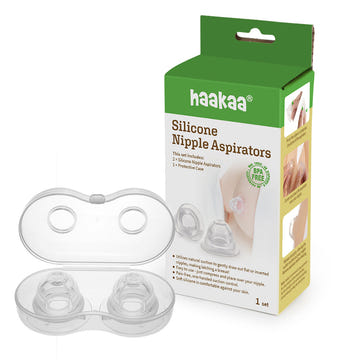
Haakaa Silicone Inverted Nipple Aspirators 2 pk
$17.99
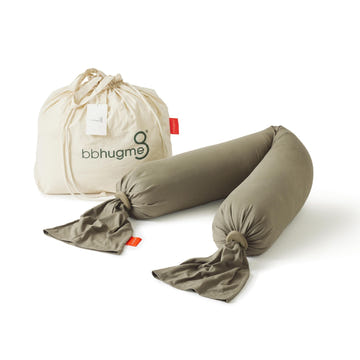
bbhugme Pregnancy Pillow Dusty Olive Adjustable Firm...
$219.00
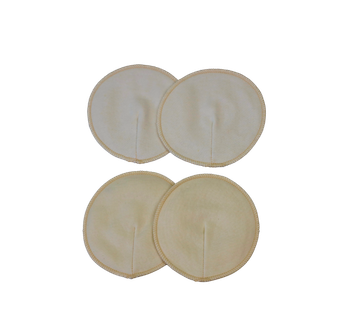
Babee Greens Contoured Nursing Pads 1 Pair Organic C...
$7.25
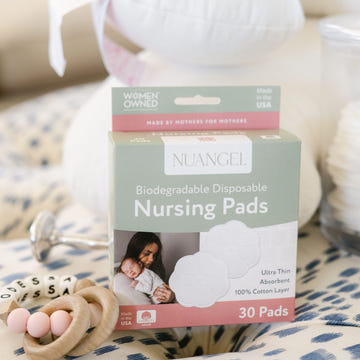
NuAngel Plant-based Disposable Nursing Pads individu...
$9.99
Zomee Breast Pumps Nursing Pads 100 or 200 count
$2.99
Is skin-to-skin contact still beneficial after the newborn stage?
Yes, skin-to-skin contact remains beneficial well beyond the newborn period. You can continue this practice for months, and many families enjoy it throughout the first year and even into toddlerhood. The bonding, calming, and breastfeeding benefits persist as long as you and your baby find it comforting and enjoyable.
What should I wear to make skin-to-skin contact easier during breastfeeding?
Choose clothing that provides easy chest access, such as button-down shirts, nursing tanks, or loose-fitting tops you can easily lift. Many moms find that a soft robe or cardigan over bare skin works perfectly, as it keeps you warm while allowing quick access for feeding. The key is comfort and convenience so you can focus on bonding with your baby.
Can skin-to-skin contact help if my baby is having trouble latching?
Yes, skin-to-skin contact is one of the most effective tools for addressing latch difficulties. The close contact triggers your baby's natural feeding reflexes and allows them to self-attach at their own pace. Spending extended time chest-to-chest, especially in a reclined position, can help reset challenging feeding patterns and build your baby's confidence at the breast.
How does skin-to-skin contact affect my milk supply hormones?
Skin-to-skin contact directly stimulates the release of oxytocin and prolactin, the two key hormones for milk production and let-down. Oxytocin helps your milk flow during feeds, while prolactin signals your body to make more milk. The more time you spend in close contact with your baby, especially during and between feeds, the more these hormones are activated to support your supply.
Is it safe to do skin-to-skin contact while sleeping?
While skin-to-skin contact during alert, supervised times is highly beneficial, sleeping with your baby on your chest requires careful consideration. If you're sitting reclined and might doze off, ensure you're in a safe position where baby cannot roll or slip. For overnight sleep, always place baby on their back in a separate safe sleep surface following current safe sleep guidelines.
Will skin-to-skin contact help reduce my baby's crying and fussiness?
Yes, research shows that babies who receive regular skin-to-skin contact cry less and show lower stress levels. The physical closeness regulates their nervous system, provides comfort, and helps them feel secure. Many parents find that skin-to-skin is one of the most effective ways to calm a fussy baby, especially during cluster feeding periods or growth spurts.
From Moogco Studio
Printable and personalized nursery essentials. Designed by moms for moms.


About the Editor
Eda Ulger is the editor at Moogco Baby and a mom of two. She curates and edits our guides so every piece is honest, practical, and genuinely helpful for the early days of motherhood.
Shop This Story
Picks related to this guide, ready to ship from Moogco.

Holistic Lactation Advanced Lactation Formula 30 Ser...
$34.99
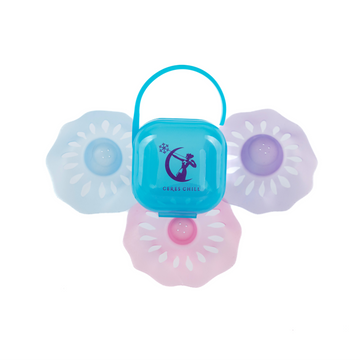
Ceres Chill Shield Maiden Nipple Shields 2pc or 3pc ...
$14.50

WishGarden Herbs Milk Rich Supply Booster pump top b...
$26.99

Wendy Anne Lounger Slip Cover Organic Cotton Waterpr...
$49.00
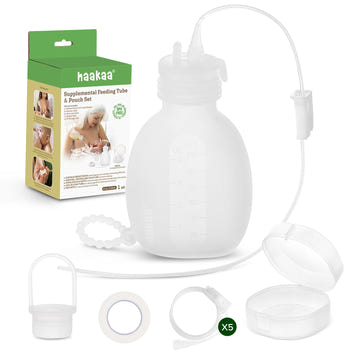
Haakaa Supplemental Feeding Tube and Pouch Set Size ...
$33.99

Milky Mama Dairy Duchess Raspberry Breastfeeding Sup...
$27.00

Preggie Drops Plus Morning Sickness Relief Lollies, ...
$12.03
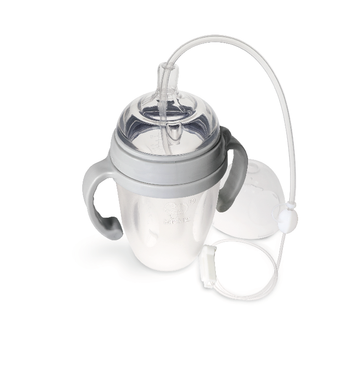
Haakaa Supplemental Feeding Combo 250ml Bottle with ...
$32.99
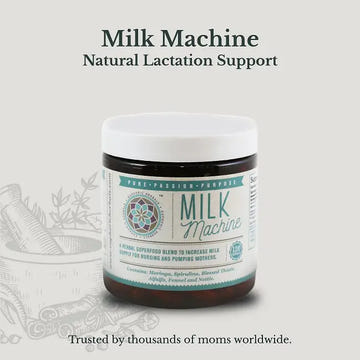
Euphoric Herbals Milk Machine lactation supplement 2...
$19.99
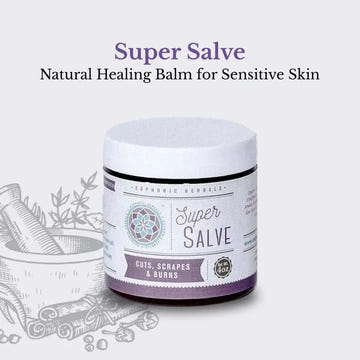
Euphoric Herbals Super Salve Nursing Salve no essent...
$10.00