


Helping toddlers recognize, express, and manage emotions is one of the greatest gifts you can give as a parent. Emotional intelligence (EQ) is a key skill that supports healthy relationships, academic success, and overall well-being.
Dr. Olivia Kim, Child Psychologist: “Children who learn to identify and regulate their emotions early in life are more resilient and empathetic as they grow.”
What Is Emotional Intelligence?
✔️ Understanding and naming emotions
✔️ Managing emotional reactions in healthy ways
✔️ Recognizing others’ feelings (empathy)
✔️ Problem-solving in social situations

Picks From This Story
Picks related to this guide, ready to ship from Moogco.
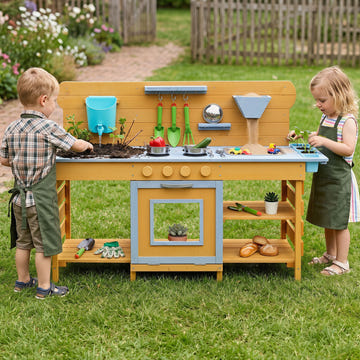
Kids Wooden Mud Kitchen with 2 Sinks and 4 Stoves-Na...
$179.99
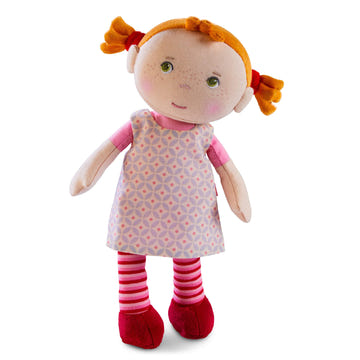
HABA Snug Up Doll Roya 10 inch soft plush doll
$19.99
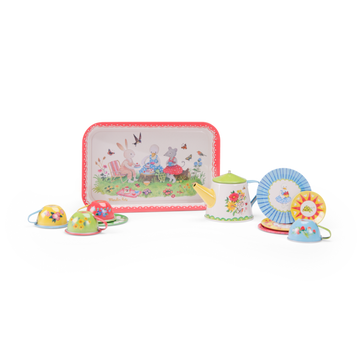
Speedy Monkey Metal Tea Set The Big Family Multicolo...
$49.99
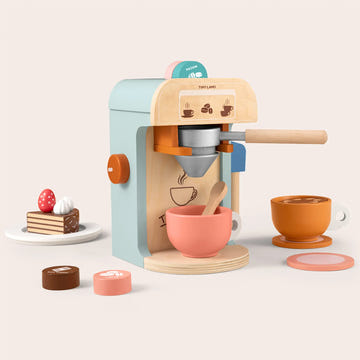
Tiny Land Wooden Play Coffee Maker Set Kids Toy Café
$34.99
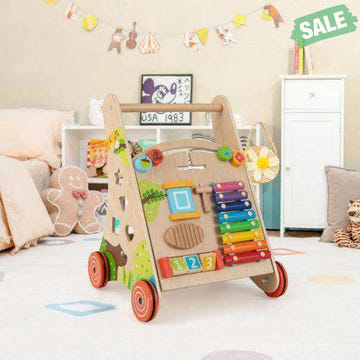
Wooden Push and Pull Baby Walker with Handle and Sto...
$31.49
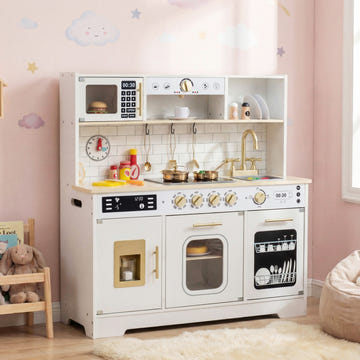
Wooden Play Kitchen for Kids with Realistic Lights a...
$99.99
Why It Matters in Early Childhood
✔️ Reduces tantrums and frustration
✔️ Builds confidence and emotional resilience
✔️ Helps form strong peer and family relationships
✔️ Encourages cooperation and kindness
Free US shipping over $100
Real essentials, picked by real moms
Take 20% off at checkout, applied automatically when you shop through this link.
Shop with BABY20 →Free US shipping over $100. Code applies automatically at checkout.
How to Support Emotional Growth in Toddlers
1. Name the Feelings
✔️ Use simple language: “You’re feeling sad because the toy broke.”
✔️ Labeling emotions helps toddlers build a vocabulary to express themselves
2. Model Calm Behavior
✔️ Your child learns how to respond by watching you
✔️ Show deep breathing, counting to 5, or taking a break when upset
3. Validate Their Feelings
✔️ Avoid saying “You’re fine” when they’re upset
✔️ Try: “It’s okay to feel mad. Let’s find a way to help.”
4. Use Books and Play to Teach Emotions
✔️ Read stories that explore feelings (e.g., “The Color Monster”)
✔️ Use puppets or dolls to role-play emotional situations
5. Encourage Empathy
✔️ Point out others’ feelings: “She’s crying—maybe she’s sad.”
✔️ Praise kind actions: “You gave your toy—so thoughtful!”
💡 Tip: Use a mirror to help toddlers see their own facial expressions while you label them together.
More Related Picks
A few more favorites from the same collection.
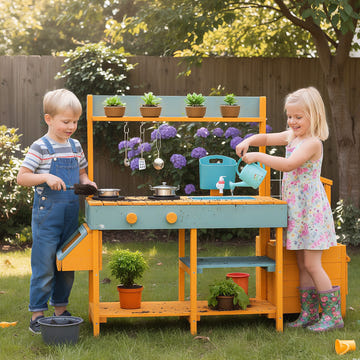
Play Kitchen for Kids Wooden Toy Kitchen Playset Pre...
$84.99
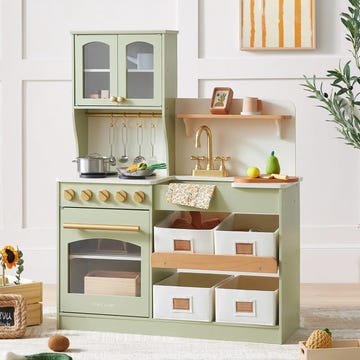
Tiny Land Serenity Wooden Pretend Play Kitchen Sage ...
$189.99
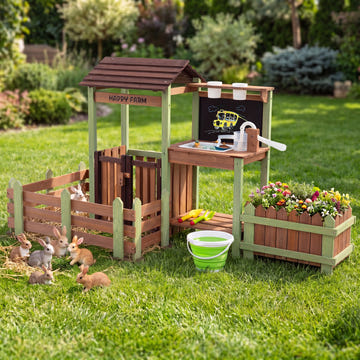
Wooden Mud Farm Playset with Planter Box Lockable Ya...
$107.99
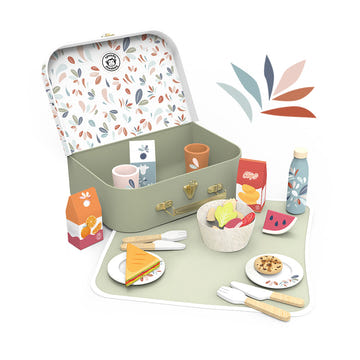
Speedy Monkey Picnic Basket Multicolor L 11.81 x W 7...
$39.99
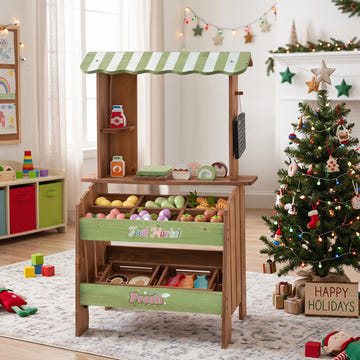
Wooden Grocery Store with Chalkboard and Accessories...
$89.99
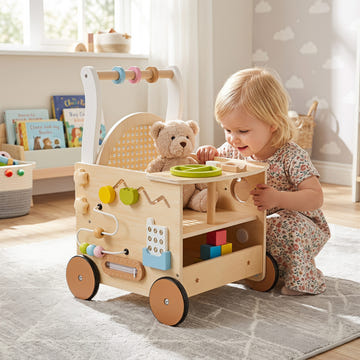
13-In-1 Toddler Wooden Push Walker with Wheels and S...
$42.99
When to Support More Deeply
✔️ Frequent, intense emotional outbursts beyond age 3.5–4
✔️ Difficulty with social play or connecting with peers
✔️ Persistent anxiety or withdrawal
If concerns persist, speak with your pediatrician or a child therapist.
The Role of Moogco Silver Nursing Cups
Parenting through emotional highs and lows is easier with the right tools. If you’re breastfeeding, Moogco Silver Nursing Cups offer antibacterial comfort and protection—so you can stay physically supported through emotional parenting moments.
📌 Shop now: Moogco Silver Nursing Cups on Amazon
Final Thoughts: Emotional Smarts Start Early
Emotional intelligence isn’t just for adults—it’s a lifelong skill that begins in toddlerhood. With patience, empathy, and daily practice, you’re helping your child grow into a thoughtful, resilient human being.
🛒 Explore parenting tools and emotional growth resources at Moogco Baby.
Bring this guide home with 20% off.
Use code BABY20 for 20% off →
Featured pick from Moogco
The Original Silver Nursing Cups with Silicone Pads
$62.90 $74.90
Shop this pick → Frequently Asked Questions
At what age do toddlers start to understand their emotions?
Toddlers begin recognizing basic emotions like happy, sad, and mad between 18 and 24 months. By age 2 to 3, they start building a broader emotional vocabulary when you consistently label feelings for them. This early foundation is critical for developing empathy and self-regulation as they grow.
How can I help my toddler calm down during a tantrum?
Stay calm yourself and get down to their level. Acknowledge their feeling with simple words like "You're really upset right now." Offer a hug, suggest deep breathing together, or create a quiet space where they can reset. Consistency and patience help them learn healthier ways to manage big feelings over time.
What are some good books to teach toddlers about emotions?
Books like "The Feelings Book" by Todd Parr, "In My Heart" by Jo Witek, and "Today I Feel Silly" by Jamie Lee Curtis are wonderful choices. Stories with expressive illustrations and simple language help toddlers recognize and name emotions in a fun, relatable way. Reading together also opens the door for meaningful conversations about feelings.
Is it normal for toddlers to have frequent emotional meltdowns?
Yes, toddlers are still learning to regulate their emotions and often lack the language to express frustration or disappointment. Meltdowns are a normal part of development, especially between ages 1 and 3. With consistent support, empathy, and teaching emotional vocabulary, these outbursts typically decrease as language and self-regulation skills improve.
How do I teach my toddler to recognize emotions in other people?
Point out facial expressions and body language in everyday moments, like "Look, Daddy is smiling because he's happy" or "She looks sad, maybe we can give her a hug." Use books, dolls, and pretend play to practice identifying feelings in others. Praising empathetic actions reinforces this important social skill.
Can I start teaching empathy to a one year old?
Absolutely. Even at one, toddlers begin to notice others' emotions and may show concern when someone is upset. You can nurture empathy by modeling kindness, narrating feelings, and gently guiding them to comfort others. These early experiences lay the groundwork for deeper empathy as they mature.
What should I do if my toddler hits or bites when they are upset?
Stay calm and firmly say "We don't hit, hitting hurts" while removing them from the situation. Help them name the feeling, like "You're angry, but we use words, not hitting." Offer alternative actions such as stomping feet, squeezing a pillow, or asking for help. Consistency and redirection teach healthier outlets over time.
How does emotional intelligence in toddlers affect their future relationships?
Toddlers who learn to identify and manage emotions early tend to form stronger, healthier relationships throughout life. They communicate needs more effectively, resolve conflicts with empathy, and build trust with peers and adults. Emotional intelligence supports social skills, resilience, and long term mental well-being into adolescence and adulthood.
From Moogco Studio
Printable and personalized nursery essentials. Designed by moms for moms.


About the Editor
Eda Ulger is the editor at Moogco Baby and a mom of two. She curates and edits our guides so every piece is honest, practical, and genuinely helpful for the early days of motherhood.
Shop This Story
Picks related to this guide, ready to ship from Moogco.
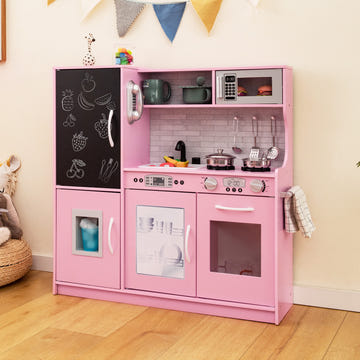
Toddler Pretend Play Kitchen for Boys and Girls 3-6 ...
$79.99
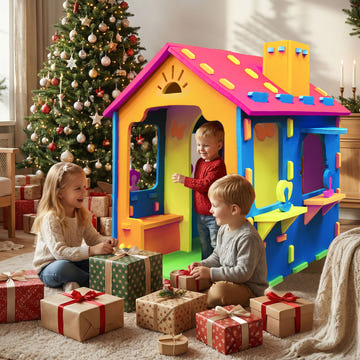
Indoor Cottage Playset with Roof and Chimney for Cre...
$129.99
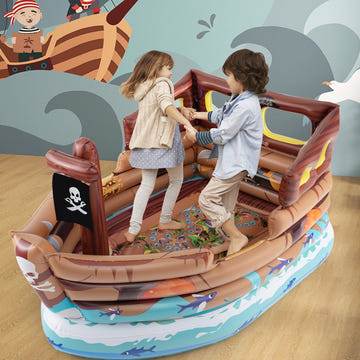
Inflatable Pirate Ship Playhouse with Built-in Motor...
$125.99
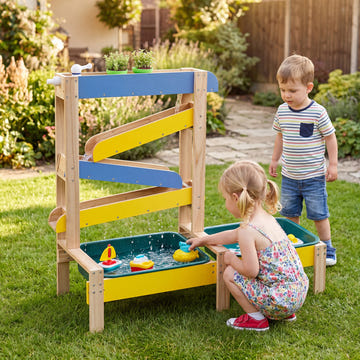
Sand and Water Table for Toddlers with 2 Water Basin...
$54.99
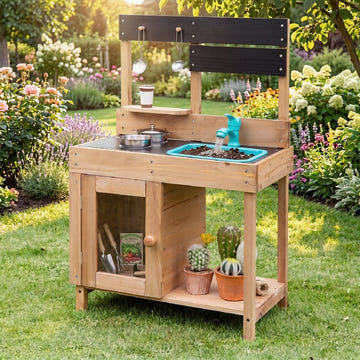
Wooden Play Pretend Kitchen with Stoves Storage Cabi...
$53.99
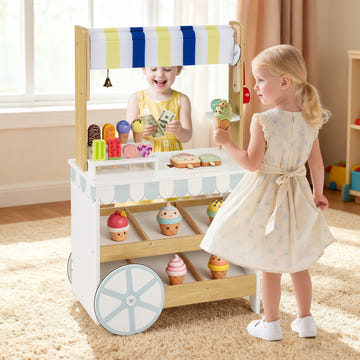
Wooden Ice Cream Cart for Kids 2-in-1 Grocery Store ...
$89.99
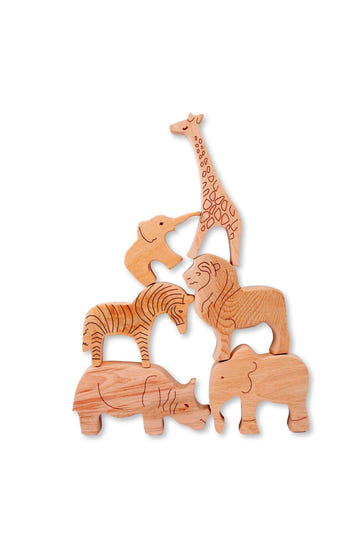
Kidodido Wooden Safari Animals Set 6 Pieces Handcraf...
$41.99
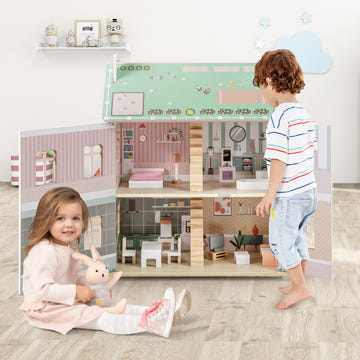
Kids Wooden Dollhouse 3 Level with Double-Sided Roof...
$129.99
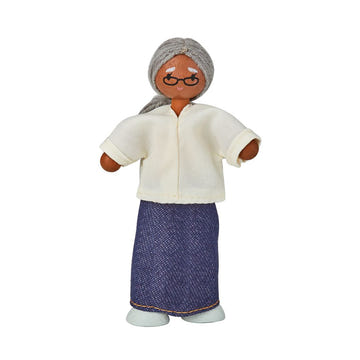
PlanToys Grandmother Dollhouse Figure Medium Skin To...
$7.99
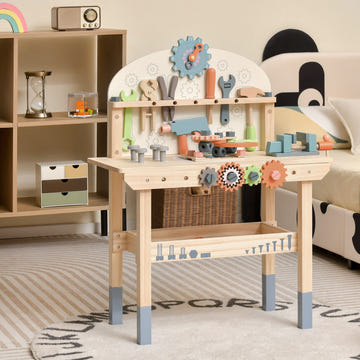
Kids Play Tool Workbench with Realistic Accessories
$69.99