


It’s normal for toddlers to cling, cry, or resist when you leave—even if it’s just for a short time. Separation anxiety is a sign of healthy attachment and brain development. With patience and the right strategies, you can help your child feel more secure during transitions.
Dr. Rachel Moore, Pediatric Psychologist: “Separation anxiety isn’t a toddler being difficult—it’s their way of saying ‘You matter to me.’ Helping them navigate it builds trust and resilience.”
What Causes Separation Anxiety?
✔️ Toddler realizes they are separate from you (starting around 8–14 months)
✔️ Fear of unfamiliar people or places
✔️ Changes in routine, like starting daycare or a new caregiver

This phase often peaks around 18 months to 3 years and gradually improves with age.
Free US shipping over $100
Real essentials, picked by real moms
Take $15 off at checkout, applied automatically when you shop through this link.
Shop with READER15 →Free US shipping over $100. Code applies automatically at checkout.
Signs of Separation Anxiety
✔️ Crying or clinging when you prepare to leave
✔️ Refusing to go to daycare or play independently
✔️ Trouble sleeping alone
Picks From This Story
Picks related to this guide, ready to ship from Moogco.
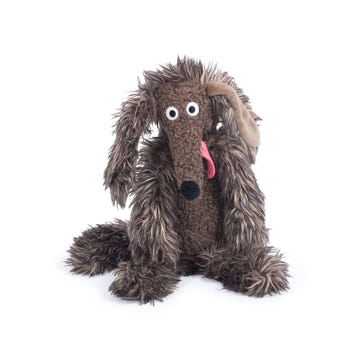
Speedy Monkey Dumpster The Dog medium brown H 14,17 ...
$39.99
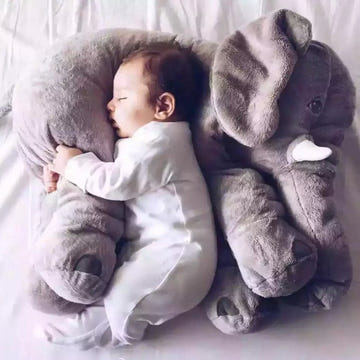
Sell My Stuff Elephant Plush Baby Sleep Pillow 30 35...
$40.00
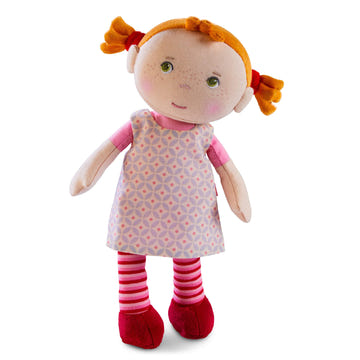
HABA Snug Up Doll Roya 10 inch soft plush doll
$19.99
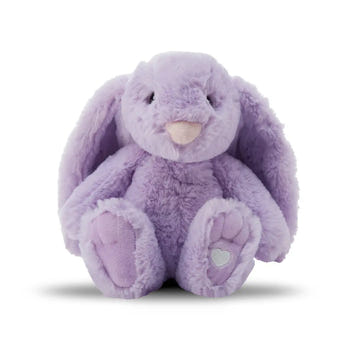
Xander Bunny — Lavender Stuffed Bunny | Weighted Cal...
$45.00
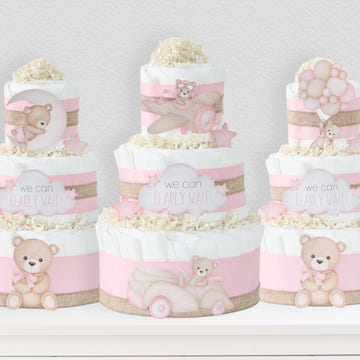
Baby Blossom Company Teddy Bear Diaper Cake Pink Sho...
$85.00
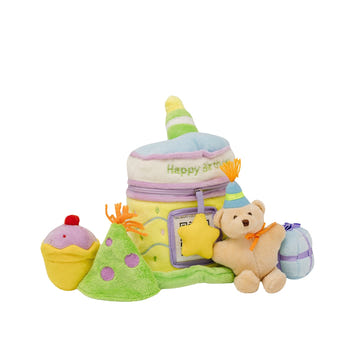
Genius Babies Toys Baby's 1st Birthday Plush Cake Pl...
$19.99
Tips for Easing Separation Anxiety
1. Practice Short Separations
✔️ Start with brief departures and gradually increase time apart
✔️ Always return when you say you will
2. Create a Goodbye Ritual
✔️ Use a special hug, phrase, or wave
✔️ Keep it short and sweet—lingering can increase anxiety
3. Stay Calm and Confident
✔️ Your toddler takes cues from your emotions
✔️ Smile, even if they’re upset—reassure them they’re safe
💡 Tip: Avoid sneaking away—it can make anxiety worse.
Building Independence Over Time
✔️ Encourage independent play in a safe environment
✔️ Offer choices to build confidence (“Do you want your teddy or your blanket while I’m gone?”)
When to Seek Extra Support
✔️ If anxiety is intense, prolonged, or interferes with daily life
✔️ If your toddler shows extreme distress even after consistent routines
✔️ Consult a pediatrician or child psychologist for guidance
Dr. Leah Stein, Family Therapist: “With empathy and structure, most toddlers learn that goodbyes are temporary—and love stays constant.”
More Related Picks
A few more favorites from the same collection.
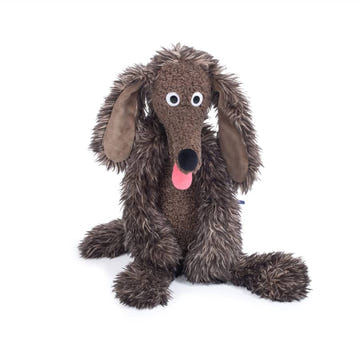
Dumpster The Dog Plush (large) - Stuffed Toy - Mouli...
$59.99
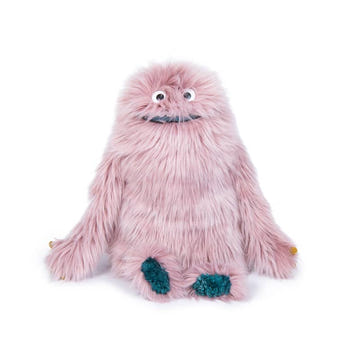
Boubou The Schmouk - Stuffed Toy - Moulin Roty
$119.99
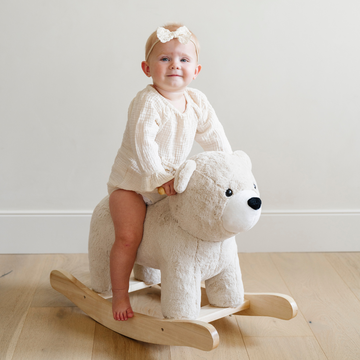
Saranoni Stuffed Animal Rocker Bear Puppy Elephant A...
$159.00
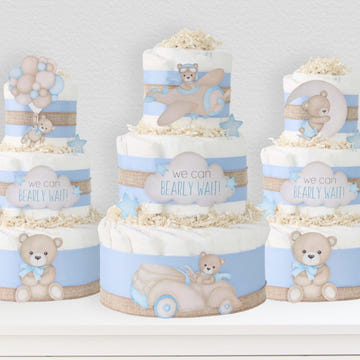
Baby Blossom Company Teddy Bear Diaper Cake Collecti...
$85.00
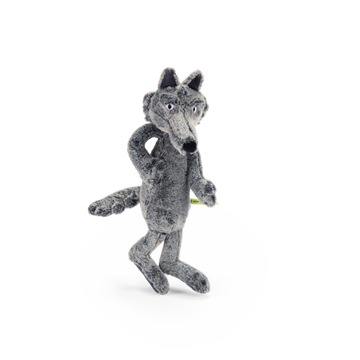
Wolf "Ecole des loisirs"
$49.99
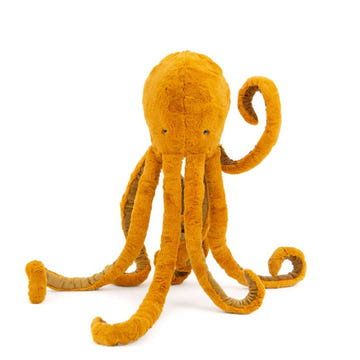
Speedy Monkey Octopus Plush Large Blue H: 27,17 Stuf...
$89.99
The Role of Moogco Silver Nursing Cups
If breastfeeding is part of your toddler’s comfort routine, extra feeds during stressful times may cause soreness. Moogco Silver Nursing Cups provide natural antibacterial relief so you can support your child with ease.
📌 Try them here: Moogco Silver Nursing Cups on Amazon
Final Thoughts: Secure Attachments Bring Confidence
Separation anxiety is a phase—not a forever challenge. With reassurance, routines, and loving goodbyes, your toddler will gain the confidence to explore the world knowing you’ll always return.
🛒 Find toddler comfort tools and parent support resources at Moogco Baby.
Bring this guide home with $15 off.
Use code READER15 for $15 off →
Featured pick from Moogco
MOOGCO Silver Nursing Cups 999k Silver - BPA-Free for Babies & Toddlers
$46.90 $52.90
Shop this pick → Frequently Asked Questions
At what age does separation anxiety typically start in toddlers?
Separation anxiety often begins around 8 to 14 months when babies first realize they're separate from their caregivers. It typically peaks between 18 months and 3 years, then gradually decreases as children develop a better understanding of object permanence and trust. Every child's timeline is unique, so some may experience it earlier or later.
Is it normal for my 2 year old to suddenly have separation anxiety again?
Yes, it's completely normal for separation anxiety to return or intensify after a big change like moving, starting daycare, welcoming a new sibling, or even after an illness. Toddlers seek extra reassurance during transitions. Consistent routines and calm goodbyes will help your child adjust and feel secure again.
Should I stay longer at dropoff if my toddler is crying?
No, lingering usually makes the anxiety worse. Keep your goodbye ritual short, warm, and predictable, then leave confidently even if tears are flowing. Teachers and caregivers report that most toddlers calm down within minutes once the parent is gone. Your consistency teaches them that you always come back.
Can I help my toddler with separation anxiety by practicing at home?
Absolutely. Practice brief separations at home by leaving your toddler with a trusted caregiver for 15 to 30 minutes while you run an errand. Gradually increase the time apart. Always return when you say you will so your child learns to trust that you keep your promises.
What should I avoid doing when my toddler has separation anxiety?
Avoid sneaking out without saying goodbye, as this breaks trust and can make anxiety worse. Also avoid showing your own anxiety or guilt, dragging out goodbyes, or returning immediately when your child cries. Stay calm, confident, and consistent to help your toddler feel secure.
How can I tell if my toddler's separation anxiety is serious?
Most separation anxiety is developmentally normal and improves with time and routine. Seek guidance from your pediatrician if the anxiety is extreme, lasts for many months without improvement, or significantly interferes with daily activities like sleep, eating, or play. A child psychologist can offer additional support if needed.
Will daycare make my toddler's separation anxiety worse?
Starting daycare can trigger or intensify separation anxiety temporarily, but with a consistent routine and supportive caregivers, most toddlers adjust within a few weeks. The structure and social interaction at daycare can actually help children build confidence and independence over time. Stay patient and communicate regularly with your care providers.
Can breastfeeding help soothe a toddler with separation anxiety?
Yes, nursing can provide comfort and security during stressful times, and many toddlers seek extra feeds when they're anxious. If increased nursing causes nipple soreness, Moogco Silver Nursing Cups offer natural antibacterial relief so you can continue to comfort your child without discomfort. Always follow your toddler's cues and your own comfort level.
From Moogco Studio
Printable and personalized nursery essentials. Designed by moms for moms.


About the Editor
Eda Ulger is the editor at Moogco Baby and a mom of two. She curates and edits our guides so every piece is honest, practical, and genuinely helpful for the early days of motherhood.
Shop This Story
Picks related to this guide, ready to ship from Moogco.
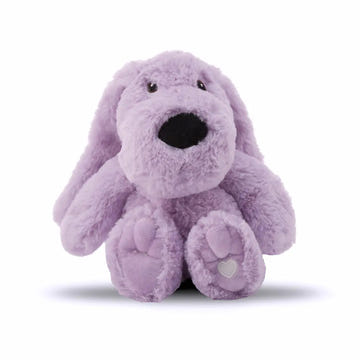
Lavender Life Company Xander Dog Lavender Comfort St...
$45.00
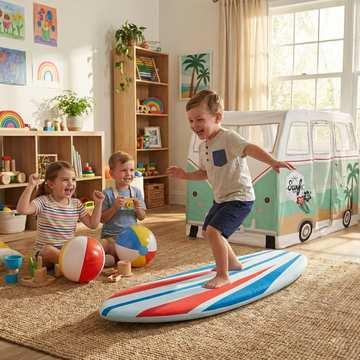
Surf Board Plush Toy
$69.00
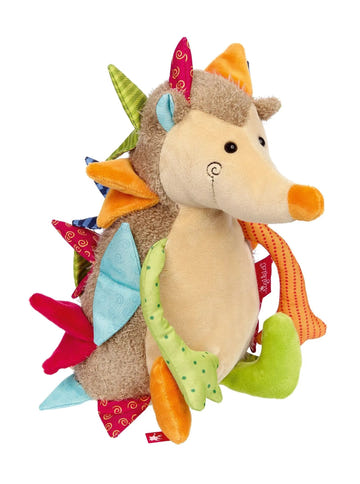
Patchwork Hedgehog Plush Toy
$39.95
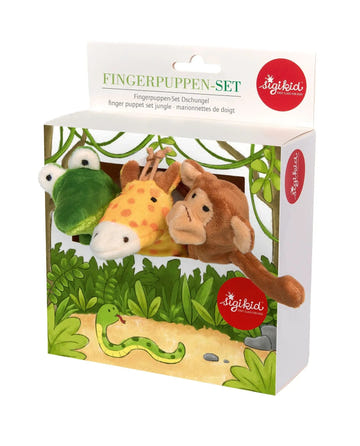
Finger Puppet Set: Jungle
$37.95
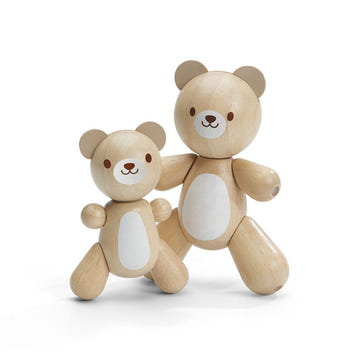
PlanToys Bear and Little Bear Plush Set Movable Limbs
$26.99
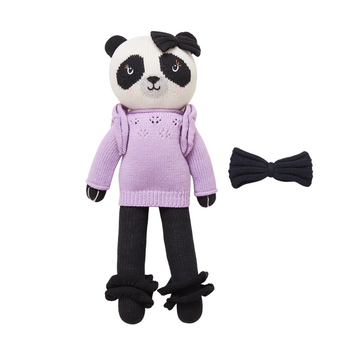
Red and Olive Co Lavender Panda Match Me Set doll 20...
$78.00
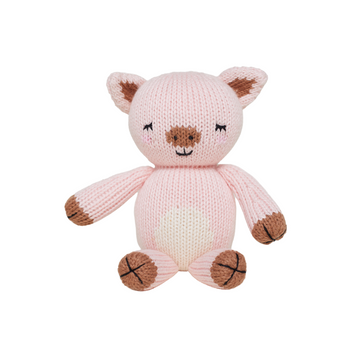
Red and Olive Co Baby Pig 7" Handcrafted Plush Pigle...
$36.00
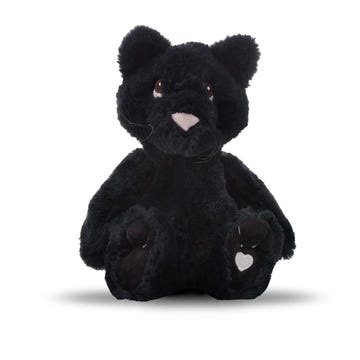
Lavender Life Company Xander Cat Lavender Comfort St...
$45.00
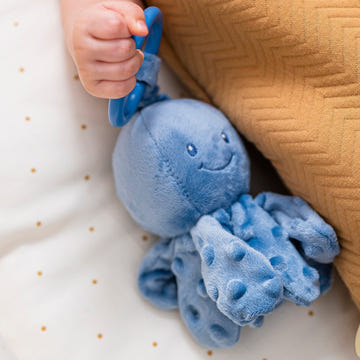
Nattou Vibrating Cuddly Lapidou
$9.95
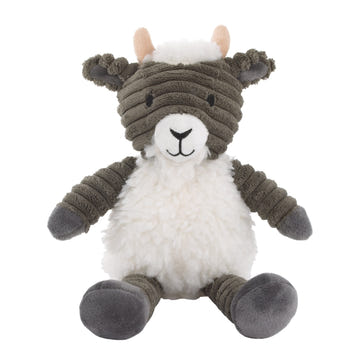
Billy the Goat Grey and White Super Soft Plush Stuff...
$14.99