


Daylight saving time arrives on March 8, 2026, and if you're a parent, you know exactly what that means — a disrupted baby who suddenly won't sleep on schedule. The good news? With the right preparation, you can make this transition smooth and nearly painless. Here's your complete guide.
March 8, 2026: Clocks Spring Forward 1 Hour
Start preparing 4 days before for a smooth transition
Quick Summary:
- When: March 8, 2026 — clocks move 1 hour ahead at 2:00 AM
- Impact: Your baby loses 1 hour of sleep; body clock is off by 1 hour
- Best Method: Gradual 4-day shift (15 minutes earlier each day)
- Full Adjustment: Takes 3-7 days for most babies
What Happens When We "Spring Forward"?
When clocks spring forward one hour on March 8th:

Morning Wake-Up
If your baby normally wakes at 7:00 AM, their body will think it's 6:00 AM. You'll likely get an early riser.
Safe sleep, sweeter nights
Better baby sleep starts here
Take 25% off at checkout, applied automatically when you shop through this link.
Shop with READER25 →Free US shipping over $100. Code applies automatically at checkout.
Bedtime
When you try to put baby down at 7:00 PM, their body thinks it's 6:00 PM. They won't feel tired enough to fall asleep.
Nap Times
Every nap will feel "too early" by one hour, leading to short naps, nap resistance, and overtiredness.
Why is Spring Forward harder than Fall Back?
Because you're asking your baby to fall asleep when their body isn't tired yet. It's like putting them to bed an hour early every night. Fall back is easier because babies simply sleep a little later — which most parents don't mind!
Because you're asking your baby to fall asleep when their body isn't tired yet. It's like putting them to bed an hour early every night. Fall back is easier because babies simply sleep a little later — which most parents don't mind!
The 4-Day Gradual Method (Best Approach)
This is the most effective method for babies 3 months and older. Start 4 days before the time change and shift everything 15 minutes earlier each day.
| Day | Date | Shift | New Bedtime* | New Wake Time* |
|---|---|---|---|---|
| Day 1 | Wed, March 4 | 15 min earlier | 6:45 PM | 6:45 AM |
| Day 2 | Thu, March 5 | 30 min earlier | 6:30 PM | 6:30 AM |
| Day 3 | Fri, March 6 | 45 min earlier | 6:15 PM | 6:15 AM |
| Day 4 | Sat, March 7 | 60 min earlier | 6:00 PM | 6:00 AM |
| Sunday! | Sun, March 8 | Clocks change! | 7:00 PM (new time) | 7:00 AM (new time) |
*Based on a baby with normal 7:00 PM bedtime / 7:00 AM wake time. Adjust based on your baby's actual schedule.
Remember: Shift everything by 15 minutes — not just bedtime! Move naps, meals, milk feeds, bath time, and your entire routine by the same increment each day.
Picks From This Story
Picks related to this guide, ready to ship from Moogco.

Swaddelini Grey Swaddle Sleep Sack 3D Knit Seamless ...
$54.95

Swaddelini Lavender Swaddle Sleep Sack 3D knit light...
$54.95

Swaddelini Pink Swaddle Sleep Sack 3D Knit Seamless
$54.95

Swaddelini Blue Swaddle Sleep Sack 3D Knit Seamless
$54.95

Swaddelini Orange Swaddle Sleep Sack 3D Knit Seamless
$54.95

Dreamland Baby Dream Weighted Sleep Sack 1.0 TOG 68-...
$109.00
Age-Specific Advice
Newborns (0-3 Months): Just Go With the Flow
If your baby is under 3 months, don't worry about DST at all. Newborns don't have an established circadian rhythm yet. Simply:
- Follow your baby's sleepy cues
- Maintain your regular feed-and-sleep routine
- Keep the room dark for naps, bright during wake times
- They'll naturally adjust within 1-2 days
Babies (3-12 Months): Use the 4-Day Gradual Method
This age group benefits most from the gradual approach. Their sleep patterns are established but still flexible.
- Use the 15-minute daily shift starting March 4th
- Pay extra attention to wake windows — you may need to slightly shorten them during the transition
- An extra feeding may be needed if wake times are off
- Watch for overtiredness signs (rubbing eyes, yawning, fussiness)
Toddlers (1-3 Years): Gradual Method + Environment Control
Toddlers are the trickiest age group for time changes. They have strong sleep associations and routines.
- Use the gradual method religiously
- Blackout curtains are essential — the extra evening light will make bedtime battles worse
- Keep your bedtime routine identical (bath, books, songs)
- Use an "OK to wake" clock if your toddler is in a bed
- Extra outdoor time during the day helps burn energy and reset the body clock
7 Essential Tips for Surviving DST
1. Install Blackout Curtains
After the time change, evenings are brighter. Light signals your baby's brain to stay awake. Blackout curtains create a cave-dark sleep environment that says "it's time to sleep" regardless of what's happening outside.
2. Get Morning Sunlight
Bright morning light within 30 minutes of waking is the most powerful tool for resetting the circadian rhythm. Open curtains immediately, go for a morning walk, or have breakfast by a sunny window.
3. Optimize the Sleep Environment
Use a consistent sleep sack at the right TOG rating for spring temperatures. Add white noise to block evening sounds. Keep the room 68-72°F (20-22°C).
4. Adjust Meal Times Too
Don't just shift sleep — shift food! Your baby's hunger cues are tied to their internal clock. Move breakfast, lunch, dinner, and milk feeds by 15 minutes each day alongside bedtime.
5. Increase Outdoor Activity
Physical activity during the day, especially in natural light, helps tire your baby out and reinforces the new schedule. Aim for outdoor time in the morning and afternoon.
6. Keep the Bedtime Routine Consistent
Your regular bedtime routine (bath, pajamas, book, song) signals to your baby that sleep is coming. Even if the clock time is different, the routine stays exactly the same.
7. Be Patient — It Takes 3-7 Days
Some babies adjust in 3 days, others need a full week. Expect shorter naps, early wake-ups, and some extra fussiness. Stay consistent with the new schedule and it will click.
Your Spring Sleep Checklist
- ☑ Install blackout curtains before March 8th
- ☑ Get the right TOG-rated sleep sack for spring weather
- ☑ Start the gradual schedule shift on Wednesday, March 4th
- ☑ Shift meals and naps along with bedtime
- ☑ Plan morning outdoor time for the week after the change
- ☑ Set up white noise machine
- ☑ Be patient and consistent for 3-7 days
More Related Picks
A few more favorites from the same collection.

8 Sheep Organics Juniors Bedtime Lotion deep sea mag...
$23.00

Sell My Stuff Elephant Plush Baby Sleep Pillow 30 35...
$40.00

Xander Bunny — Lavender Stuffed Bunny | Weighted Cal...
$45.00

Dreamland Baby Dream Weighted Transition Swaddle arm...
$109.00

Little Martin's Drawer 100% Organic Cotton Sleep Sac...
$38.00

Full-Size Montessori Floor Bed Strong Slatted Frame
$259.99
Transitioning Sleep Sacks for Spring
As the weather warms up after the time change, you'll also need to adjust your baby's sleepwear. Here's a quick guide:
| Room Temperature | TOG Rating | What to Wear Underneath |
|---|---|---|
| Below 64°F (18°C) | 2.5 TOG | Long-sleeve bodysuit + pajamas |
| 64-68°F (18-20°C) | 1.0-2.0 TOG | Long-sleeve bodysuit |
| 68-72°F (20-22°C) | 1.0 TOG | Short-sleeve bodysuit |
| 72-77°F (22-25°C) | 0.5 TOG | Bodysuit only or diaper only |
| Above 77°F (25°C) | 0.2-0.5 TOG | Diaper only |
Frequently Asked Questions
Should I wake my baby up at the new time on Sunday?
If you've done the gradual method, your baby should wake naturally at approximately the right time. If they sleep in, let them — they need the rest. Just don't let them sleep more than 30 minutes past the target wake time.
What if I didn't prepare in advance?
No problem! You can do a "cold turkey" approach — just put your baby to bed at their normal clock time and they'll adjust within 5-7 days. The gradual method just makes the transition smoother.
My baby is going through a sleep regression AND the time change. Help!
Focus on the sleep regression first. Handle one sleep challenge at a time. Once the regression passes (usually 2-4 weeks), your baby will naturally align with the new time.
Does DST affect breastfeeding schedules?
Yes! Your baby's hunger cues are linked to their internal clock. You may notice your baby wanting to feed at different times for a few days. Follow their cues and it will sort itself out within a week.
When is the fall time change in 2026?
Daylight saving time ends on November 1, 2026 (fall back). We'll publish another guide closer to that date! The good news is fall back is easier since your baby essentially gets an extra hour of sleep.
Related Sleep Guides
Sleep Training Your Baby: 4 Proven Methods That Actually Work
Baby Sleep Schedule by Age: Complete Guide (0-12 Months)
Sleep Regression Guide: Complete Guide to 4, 8, 12 & 18 Month Regressions
Understanding TOG Ratings: The Complete Guide to Dressing Your Baby for Sleep
Prepare for Spring with the Right Sleep Essentials
Premium sleep sacks, swaddles, and everything your baby needs for better sleep
Shop Sleep EssentialsBuilding your baby registry? Check out our Ultimate Baby Registry Checklist 2026 — 150+ must-haves, exact quantities, cost breakdown, and what to skip.
Bring this guide home with 25% off.
Use code READER25 for 25% off →
Frequently Asked Questions
How do I handle naps during the daylight saving time transition?
Shift nap times by the same 15-minute increments you're using for bedtime, starting four days before March 8, 2026. If your baby normally naps at 9:00 AM and 2:00 PM, move both naps 15 minutes earlier each day. Keep wake windows consistent to avoid overtiredness, and don't worry if naps are slightly shorter during the adjustment period.
Will daylight saving time affect my baby's appetite?
Yes, your baby's hunger cues are tied to their internal clock, so they may seem hungry at unusual times for several days. If your baby typically eats breakfast at 7:00 AM, their body will want food at what feels like 6:00 AM after the change. Shift meal times gradually along with sleep times, and follow your baby's hunger cues during the transition week.
My baby uses a pacifier at bedtime. Does DST change anything about that?
No, continue offering the pacifier as part of your regular bedtime routine at the same point in the sequence (bath, pajamas, book, pacifier, bed). The consistency of your routine is even more important during time changes. Your baby's pacifier habits won't be affected by the clock change itself, though they may be fussier overall during the adjustment period.
Should I adjust my baby's schedule if we're traveling during the time change?
If you're traveling across time zones during the DST weekend, deal with the time zone change first and ignore daylight saving time adjustments until you're settled. Once you arrive at your destination, use the local clock time and implement the gradual method there if needed. Trying to adjust for both simultaneously will confuse both you and your baby.
Can I use the gradual method if my baby attends daycare?
Yes, but coordinate with your daycare provider ahead of time. Share your schedule adjustment plan and ask them to shift nap times and meals by 15 minutes each day starting March 4th. Most daycares are familiar with DST transitions and will work with you, especially if you give them advance notice and a written schedule.
What if my baby wakes up at 5:00 AM after the time change?
Early wake-ups are common in the first few days after springing forward. Keep the room dark, use white noise, and don't start the day until at least 6:00 AM (closer to their normal wake time). Morning sunlight exposure after 6:00 AM will help reset their clock. Most babies stop the early waking within 5-7 days if you stay consistent.
Do twins or multiples adjust to daylight saving time differently?
Twins and multiples may adjust at slightly different rates since every baby is unique, but the gradual method works well for all of them simultaneously. Keep both babies on the same shifted schedule even if one seems to adjust faster. Consistency across both schedules prevents one baby from waking the other and helps your household routine stay manageable.
How does daylight saving time affect dream feeds?
If you're doing a dream feed (feeding your sleeping baby before you go to bed), shift it by 15 minutes earlier each day along with bedtime. For example, if you normally dream feed at 10:30 PM, move it to 10:15 PM on March 4th, then 10:00 PM on March 5th, and so on. After the time change on March 8th, return to your normal 10:30 PM dream feed on the new clock.
From Moogco Studio
Printable and personalized nursery essentials. Designed by moms for moms.


About the Editor
Eda Ulger is the editor at Moogco Baby and a mom of two. She curates and edits our guides so every piece is honest, practical, and genuinely helpful for the early days of motherhood.
Shop This Story
Picks related to this guide, ready to ship from Moogco.

Canopy Nursery Humidifier 2.0 mold-inhibiting dishwa...
$159.00

Burt's Bees Baby Beekeeper Wearable Blanket
$24.95

100% Organic Cotton 1.0 Tog Sleeping Bag with Legs S...
$30.00
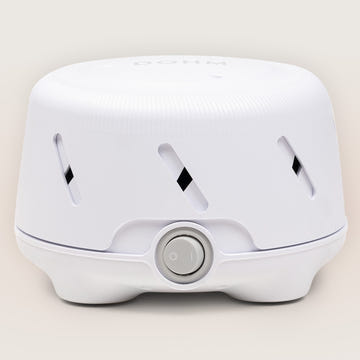
Dohm Uno
$36.99

Dohm Classic
$49.99

Healthy Horizons Miracle Blanket one-size swaddle 10...
$32.95

Twin Montessori-Inspired Floor Bed with Guardrails
$199.99

WildBird Dove CloudBlend Sleep Sack TOG 1 Blue grey
$44.00

Hubble Connected Hubble Dream+ Comfort Cloud Sleep S...
$124.99

Shnuggle Air Lite Bedside Bassinet | Infant Crib | H...
$295.00