


One of the most common questions new parents ask is: "How much should my baby sleep?" Understanding your baby's sleep needs at each stage helps set realistic expectations and create healthy sleep habits.
Baby Sleep Schedule by Age
Every baby is unique, but here's a general guide to help you understand what to expect:

Newborns (0-3 Months)
Sleep Overview
- Total Sleep: 14-17 hours per day
- Night Sleep: 8-9 hours (broken into 2-4 hour stretches)
- Day Sleep: 6-8 hours (multiple naps)
- Wake Window: 45 minutes - 1 hour
Key Point: Newborns don't have a set schedule. They sleep in short bursts and wake frequently to feed. This is completely normal!
Safe sleep, sweeter nights
Better baby sleep starts here
Take 20% off at checkout, applied automatically when you shop through this link.
Shop with MOM20 →Free US shipping over $100. Code applies automatically at checkout.
What to expect: Your newborn will sleep a lot, but not for long stretches. Their tiny stomachs need frequent feeding, so expect to be up every 2-4 hours at night. Don't try to enforce a schedule yet - follow your baby's cues.
Sleep cues to watch for:
- Yawning
- Eye rubbing
- Fussiness
- Looking away
- Ear pulling
3-6 Months
Sleep Overview
- Total Sleep: 14-15 hours per day
- Night Sleep: 6-8 hours (longer stretches possible)
- Day Sleep: 4-5 hours (3 naps)
- Wake Window: 1.5-2.5 hours
Key Point: This is when sleep starts becoming more predictable. Many babies are ready for a loose schedule.
The 4-Month Sleep Regression: Around 4 months, many babies experience a sleep regression. Their sleep cycles are maturing, which temporarily disrupts sleep. This is normal and temporary - stay consistent!
Nap schedule suggestion:
- Morning nap: About 1.5-2 hours after waking (usually the longest nap)
- Afternoon nap: About 2 hours after morning nap ends
- Late afternoon nap: Short catnap to bridge to bedtime

A consistent sleep environment helps babies learn healthy sleep habits
6-9 Months
Sleep Overview
- Total Sleep: 14 hours per day
- Night Sleep: 10-11 hours
- Day Sleep: 3-4 hours (2 naps)
- Wake Window: 2-3 hours
Key Point: Most babies drop to 2 naps during this period. Many are also ready for sleep training.
The 8-Month Sleep Regression: Often linked to developmental milestones like crawling, pulling up, or separation anxiety. Baby's brain is busy!
Sample schedule:
- 7:00 AM - Wake up
- 9:30 AM - Morning nap (1.5 hours)
- 2:00 PM - Afternoon nap (1.5 hours)
- 7:00 PM - Bedtime
9-12 Months
Sleep Overview
- Total Sleep: 13-14 hours per day
- Night Sleep: 11-12 hours
- Day Sleep: 2-3 hours (1-2 naps)
- Wake Window: 3-4 hours
Key Point: Some babies transition to one nap near the end of this period. Night sleep should be mostly consolidated.
Signs baby is ready for one nap:
- Fighting one of the naps consistently
- Taking a long time to fall asleep
- Short naps even when overtired
- Still happy with longer wake windows
Picks From This Story
Picks related to this guide, ready to ship from Moogco.
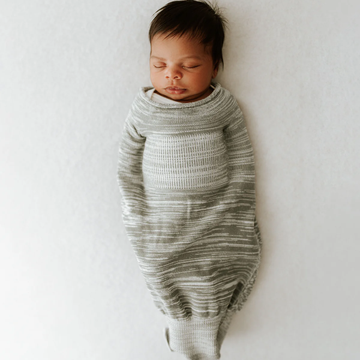
Swaddelini Grey Swaddle Sleep Sack 3D Knit Seamless ...
$54.95

Swaddelini Lavender Swaddle Sleep Sack 3D knit light...
$54.95

Swaddelini Pink Swaddle Sleep Sack 3D Knit Seamless
$54.95

Swaddelini Blue Swaddle Sleep Sack 3D Knit Seamless
$54.95
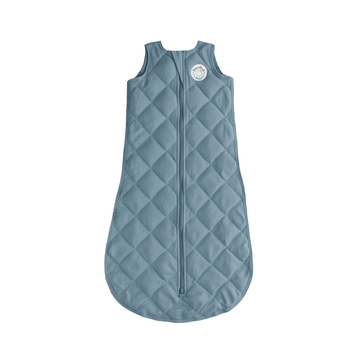
Dreamland Baby Dream Weighted Sleep Sack 1.0 TOG 68-...
$109.00

Swaddelini Orange Swaddle Sleep Sack 3D Knit Seamless
$54.95
Quick Reference Chart
| Age | Total Sleep | Night Sleep | Naps | Wake Window |
|---|---|---|---|---|
| 0-3 months | 14-17 hrs | 8-9 hrs | Variable | 45-60 min |
| 3-6 months | 14-15 hrs | 6-8 hrs | 3 naps | 1.5-2.5 hrs |
| 6-9 months | 14 hrs | 10-11 hrs | 2 naps | 2-3 hrs |
| 9-12 months | 13-14 hrs | 11-12 hrs | 1-2 naps | 3-4 hrs |
Tips for Better Baby Sleep
1. Create a Consistent Bedtime Routine
Bath → Pajamas/Sleep sack → Feed → Book → Song → Bed. Same order, every night.
2. Watch Wake Windows
An overtired baby has MORE trouble sleeping, not less. Put baby down before they're exhausted.
3. Optimize the Sleep Environment
Dark room, white noise, cool temperature (68-72°F). Remove distractions.
4. Use Sleep Sacks
Sleep sacks are safer than loose blankets and become a powerful sleep cue. Baby learns: sleep sack = sleep time.
More Related Picks
A few more favorites from the same collection.
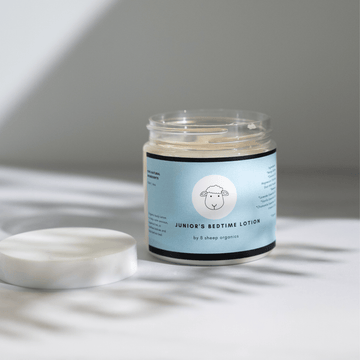
8 Sheep Organics Juniors Bedtime Lotion deep sea mag...
$23.00

Sell My Stuff Elephant Plush Baby Sleep Pillow 30 35...
$40.00

Xander Bunny — Lavender Stuffed Bunny | Weighted Cal...
$45.00

Dreamland Baby Dream Weighted Transition Swaddle arm...
$109.00

Little Martin's Drawer 100% Organic Cotton Sleep Sac...
$38.00
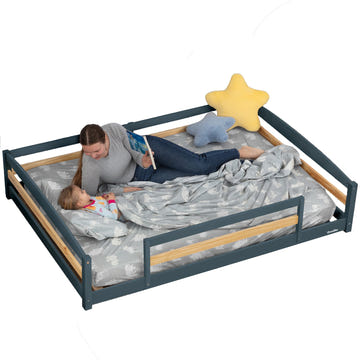
Full-Size Montessori Floor Bed Strong Slatted Frame
$249.99
The Golden Rule
Watch your baby, not the clock.
Every baby is different. Use schedules as guidelines, not strict rules. Your baby will show you when they're tired.

When to Seek Help
- Baby is excessively sleepy and hard to wake
- Baby seems to stop breathing during sleep
- Sleep problems are affecting feeding or growth
- You're concerned about any sleep behaviors
Final Thoughts
Remember, sleep schedules are meant to guide you, not stress you out. Some days will be perfect, others won't - and that's okay! Focus on creating a safe, comfortable sleep environment and responding to your baby's cues.
The newborn phase is temporary. Before you know it, your baby will be sleeping through the night. Hang in there!
Building your baby registry? Check out our Ultimate Baby Registry Checklist 2026 — 150+ must-haves, exact quantities, cost breakdown, and what to skip.
Shop Related: Browse our cozy sleepsuits & pajamas and swaddles & sleep sacks — designed for safe, comfortable baby sleep.
Related Guides You Might Love
- Sleep Regression: Complete Guide to 4, 8, 12 & 18 Month Regressions
- Sleep Regression: Complete Guide to 4, 8, 12 & 18 Month Regressions
- Sleep Training Your Baby: 4 Proven Methods That Actually Work
- Sleep Training Your Baby: 4 Proven Methods That Actually Work
- Daylight Saving Time & Baby Sleep: How to Adjust Your Baby's Schedule (Spring 2026)
- Daylight Saving Time & Baby Sleep: How to Adjust Your Baby's Schedule (Spring 2026)
- Understanding TOG Ratings: The Complete Guide to Dressing Your Baby for Sleep
- Understanding TOG Ratings: The Complete Guide to Dressing Your Baby for Sleep
- How to Increase Breast Milk Supply in the First Weeks: A Complete Week-by-Week Guide
- How to Increase Breast Milk Supply in the First Weeks: A Complete Week-by-Week Guide
Bring this guide home with 20% off.
Use code MOM20 for 20% off →
Frequently Asked Questions
Is it normal for my baby to wake up every 2 hours at night?
Yes, this is completely normal for newborns up to 3 months old. Their tiny stomachs can only hold small amounts of milk, so they need to feed frequently around the clock. As your baby grows and their stomach capacity increases, those sleep stretches will naturally lengthen. Most babies start sleeping for longer periods between 3 and 6 months.
What is a wake window and why does it matter?
A wake window is the amount of time your baby can comfortably stay awake between naps. It includes feeding, diaper changes, play, and the bedtime routine. Following age-appropriate wake windows helps prevent overtiredness, which actually makes it harder for babies to fall asleep and stay asleep. As babies grow, their wake windows naturally get longer.
Should I wake my baby to keep them on schedule?
For newborns under 2 weeks or babies who aren't gaining weight well, yes, you may need to wake them for feedings as directed by your pediatrician. For healthy, thriving babies over 1 month, you can let them sleep during naps, but consider waking them if a nap goes too long and pushes bedtime too late. Never wake a sleeping baby at night unless medically necessary.
How dark should my baby's room be for sleep?
Ideally, your baby's room should be dark enough that you can barely see your hand in front of your face. Darkness helps trigger melatonin production, the sleep hormone. Use blackout curtains or shades to block outside light, especially for naps. A small, dim nightlight is fine for nighttime diaper changes, but keep it away from baby's direct line of sight.
Can I start a bedtime routine with a newborn?
Absolutely! It's never too early to establish a simple, calming bedtime routine. Even newborns benefit from the predictability of a consistent sequence of events before sleep. Keep it short and sweet at first, maybe just a diaper change, pajamas, feeding, and a lullaby. As your baby grows, you can add a bath, books, and other calming activities.
Why does my baby fight sleep when they're obviously tired?
Overtired babies often fight sleep because their bodies release cortisol, a stress hormone that makes them wired and harder to settle. This is why watching wake windows is so important. Try to catch your baby's early sleep cues like yawning or eye rubbing, and start the sleep routine before they become overtired and fussy.
Do I need to follow the same nap schedule on weekends?
Consistency really helps reinforce your baby's internal clock, so try to keep nap times within 30 minutes of your usual schedule, even on weekends. That said, life happens, and occasional variations won't derail everything. If you have weekend outings planned, do your best with one nap on the go, but try to protect at least one nap in the regular sleep environment.
When can I expect my baby to sleep through the night?
Every baby is different, but many babies are capable of sleeping 6 to 8 hour stretches by 4 to 6 months, and 10 to 12 hours by 9 to 12 months. Sleeping through the night depends on your baby's weight, feeding needs, developmental stage, and sleep environment. Some babies achieve this milestone earlier, others later, and both are perfectly normal. Focus on creating healthy sleep habits rather than rushing this milestone.
From Moogco Studio
Printable and personalized nursery essentials. Designed by moms for moms.


About the Editor
Eda Ulger is a co-founder of Moogco Baby, the editor of the Moogco Baby Journal, and a mom of two. She curates and edits our guides so every piece is honest, practical, and genuinely helpful for the early days of motherhood.
Shop This Story
Picks related to this guide, ready to ship from Moogco.
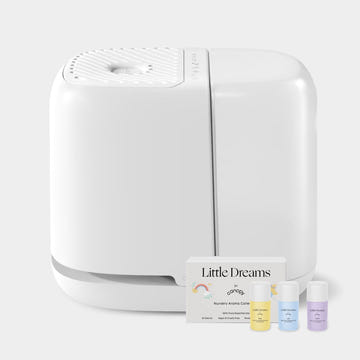
Canopy Nursery Humidifier 2.0 mold-inhibiting dishwa...
$159.00

Burt's Bees Baby Beekeeper Wearable Blanket
$24.95
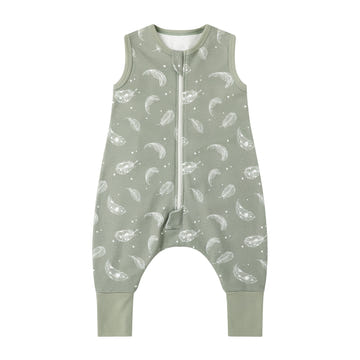
100% Organic Cotton 1.0 Tog Sleeping Bag with Legs S...
$30.00
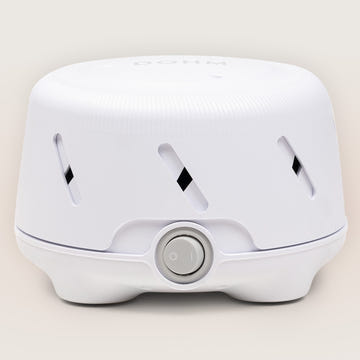
Dohm Uno
$36.99
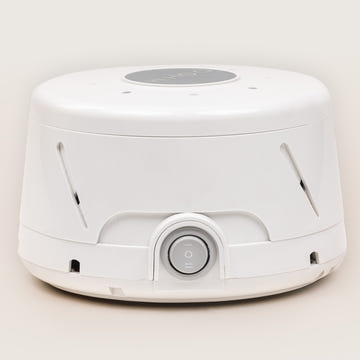
Dohm Classic
$49.99
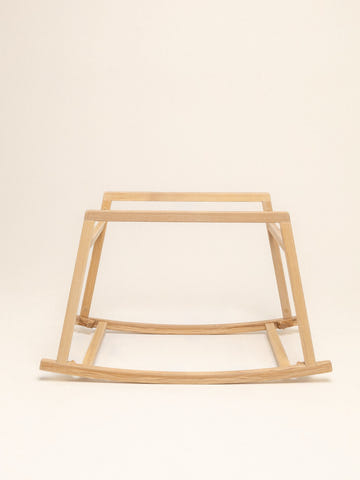
Rocking Stand for Standard Baby Moses Basket
$184.00

Healthy Horizons Miracle Blanket one-size swaddle 10...
$32.95
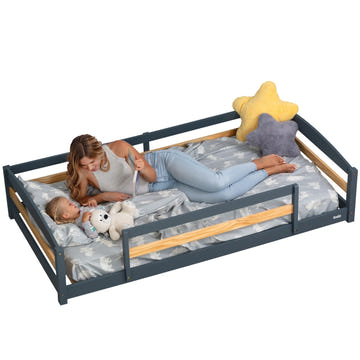
Twin Montessori-Inspired Floor Bed with Guardrails
$219.99
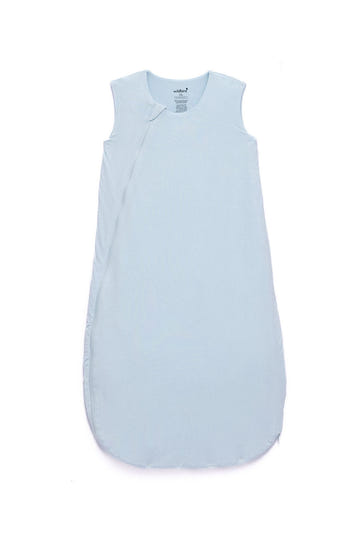
WildBird Dove CloudBlend Sleep Sack TOG 1 Blue grey
$44.00

Hubble Connected Hubble Dream+ Comfort Cloud Sleep S...
$124.99