


Quick answer
Milk supply in the first weeks is built by frequent, effective milk removal. Nurse or pump 8 to 12 times in 24 hours, empty both breasts at each session, and get the latch checked early. Most moms see supply calibrate by week 4 to 6. Long stretches without nursing or pumping are the fastest way to lower supply.
If you're reading this at 3 AM with a crying baby on your chest, wondering if you're making enough milk, take a deep breath. You're not alone. Low milk supply is the number one concern new breastfeeding mothers have, and it's the number one reason moms stop breastfeeding earlier than planned.
Only ~5% of women truly can't produce enough milk
For most mothers, low supply is perceived or fixable
How Breast Milk Supply Actually Works
Supply and Demand: Your Body's Brilliant System
Your breasts work on a simple principle: the more milk removed, the more your body makes. Every time your baby feeds or you pump, your body gets the signal to produce more.

Two hormones run the show:
Backed by 200,000+ cups sold since 2020
Heal faster with silver nursing cups
Take $15 off at checkout, applied automatically when you shop through this link.
Shop with READER15 →Free US shipping over $100. Code applies automatically at checkout.
- Prolactin, tells your body to make milk. It's highest between 2-5 AM (those night feeds matter!)
- Oxytocin, triggers the "let-down" reflex. Skin-to-skin, looking at your baby, even hearing them cry can trigger it
How Much Does a Newborn Actually Need?
| Baby's Age | Amount Per Feed | Stomach Size |
|---|---|---|
| Day 1 | 5-7 ml | Cherry |
| Day 3 | 22-27 ml | Walnut |
| Week 1 | 45-60 ml | Apricot |
| Week 2-4 | 60-90 ml | Large egg |
Your Week-by-Week Supply Building Guide
Week 1: Laying the Foundation
Feed 8-12 times in 24 hours. Use the "golden hour" after birth for first latch. Watch for feeding cues (rooting, lip smacking). Don't panic about small amounts, colostrum is concentrated liquid gold.
What's normal: Baby loses up to 7-10% of birth weight. Constant feeding (cluster feeding) is building your supply.
Week 2: Your Milk Comes In
Continue feeding on demand. If engorged, hand express just enough for comfort. Track wet/dirty diapers as your supply indicator.
What's normal: Breasts feel full and heavy. 6+ wet diapers and 3-4 yellow stools per day. Weight loss stops.
Week 3: Finding Your Rhythm
Cluster feeding in the evenings is completely normal, it doesn't mean low supply. Growth spurt period, baby may seem hungrier.
Important: Your breasts feeling softer is NOT low supply, it's your body becoming efficient.
Week 4: Supply Regulation
Your body calibrates to baby's exact needs. Softer breasts = efficient production. Baby gains 5-7 oz per week. Good time to introduce one pumping session if returning to work.
Picks From This Story
Picks related to this guide, ready to ship from Moogco.

Healthy Horizons Elvie Stride Diaphragms 2 Pack
$21.99
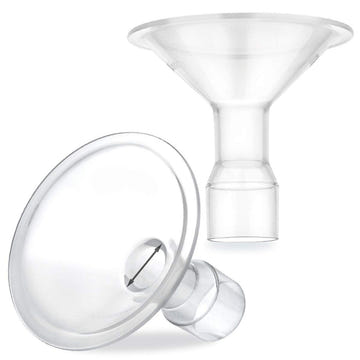
Bae & Bee Boutique Maymom Narrow Neck Flange compati...
$15.00
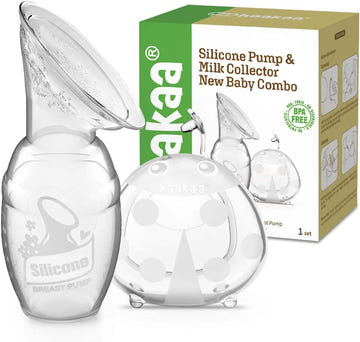
Haakaa Silicone Pump and Ladybug Milk Collector Comb...
$30.32
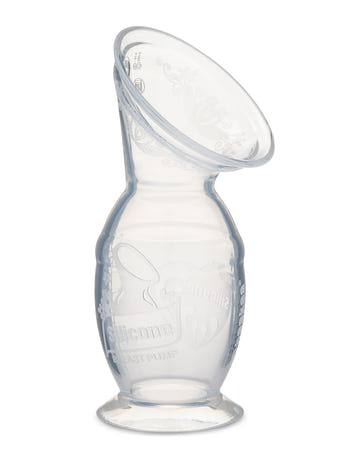
Haakaa Generation 2 Silicone Breast Pump 5 oz Suctio...
$20.99
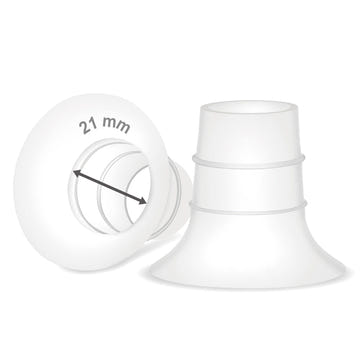
Bae & Bee Boutique Maymom Silicone Medela Flange Ins...
$6.00
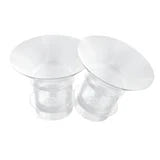
Bae & Bee Boutique Silicone Flange Inserts 10-21mm
$16.00
12 Proven Ways to Increase Your Milk Supply
1. Feed More Frequently
The most effective thing you can do. Don't skip night feeds, prolactin peaks between 2-5 AM. Those miserable night feeds are your most productive ones.
2. Get the Latch Right
Poor latch = baby doesn't remove milk effectively = body doesn't get the "make more" signal. Look for: mouth covering most of areola, swallowing sounds, no pain after first 30 seconds.
3. Power Pumping
Mimics cluster feeding to signal more production:
| Time | Action |
|---|---|
| 20 min | Pump |
| 10 min | Rest |
| 10 min | Pump |
| 10 min | Rest |
| 10 min | Pump |
Do this once daily (evening is best). Results within 48-72 hours.
4. Skin-to-Skin Contact
Triggers oxytocin → triggers let-down → signals more production. Hold baby against bare chest during and outside of feeds.
5. Eat for Milk Production
500 extra calories/day. Galactagogue foods: oats, flaxseed, brewer's yeast, fennel, dark leafy greens. Hydrate: 100+ oz water daily.
6. Manage Stress
Cortisol directly suppresses prolactin. Anxiety about supply can actually lower supply. Box breathing before nursing, phone-free feeds, specific help from partner.
7. Protect Your Nipples (The Hidden Cause!)
79% of mothers experience nipple pain before leaving the hospital. 30% stop breastfeeding within 12 weeks because of sore/cracked nipples.
The cycle: Sore nipples → dread feeding → space out feeds → body makes less milk → "low supply"
Silver nursing cups help break this cycle, they sit inside your bra, using your own breast milk and silver's natural antimicrobial properties to heal cracked nipples between feeds. Unlike creams, you don't need to wash them off before nursing.
8-12. More Essential Tips
- Switch nursing, alternate sides 2-3 times per feed
- Breast compression during feeds for more hindmilk
- Avoid pacifiers/bottles first 3-4 weeks
- Check for tongue tie, thyroid, PCOS if nothing works
- See an IBCLC if baby hasn't regained birth weight by 2 weeks
The Mental Health Connection Nobody Talks About
The Cruel Cycle: Worry about supply → cortisol rises → prolactin drops → supply actually dips → more worry
Focus on diaper output, not pump output. Pumping is not an accurate measure of supply, babies are far more efficient than pumps. Stay off breastfeeding forums at 3 AM. Talk to someone about how you're feeling.
If you feel a sudden wave of sadness right when milk lets down, you may have D-MER (Dysphoric Milk Ejection Reflex). It's physiological, not psychological. Talk to your doctor.
5 Myths That Need to Go
Myth: "Soft breasts = low supply" → Truth: Soft means efficient production
Myth: "Pump to check how much you make" → Truth: Pump output ≠ what baby gets
Myth: "Small breasts = less milk" → Truth: Size is fat, not glandular tissue
Myth: "You need to drink milk to make milk" → Truth: Just stay hydrated
Myth: "Baby feeding again after 30 min = not enough" → Truth: That's cluster feeding boosting supply
More Related Picks
A few more favorites from the same collection.
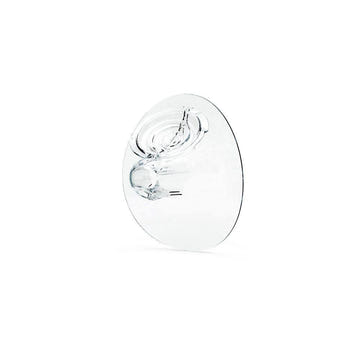
Healthy Horizons Elvie Pump Breast Shields 2 Pack 21...
$29.99
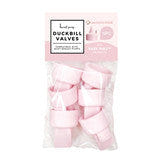
Bae & Bee Boutique Duckbill Valve Pink Replacement F...
$14.00
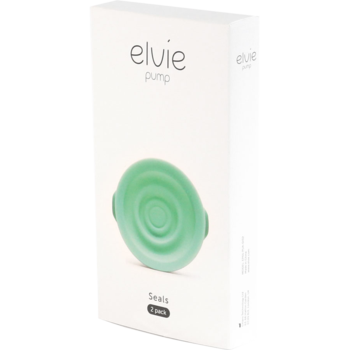
Healthy Horizons Elvie Pump Seals 2 Pack Spare Diaph...
$16.99
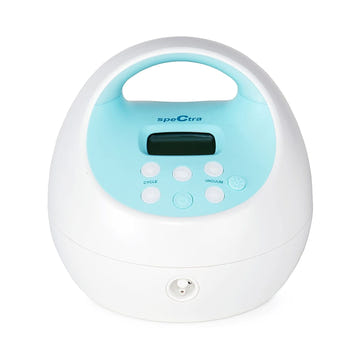
LL Medico Spectra S1 Plus Rechargeable Double Electr...
$216.00
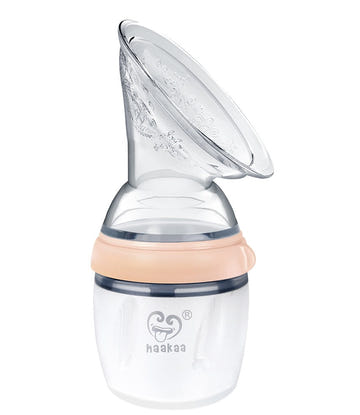
Haakaa Silicone Breast Pump Generation 3 160ml 250ml
$28.99
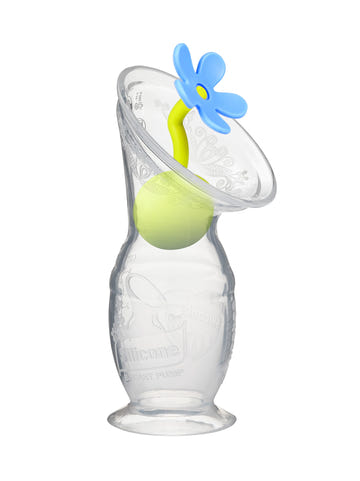
Haakaa Gen 2 Silicone Breast Pump 4 oz with Suction ...
$26.99
How Your Partner Can Actually Help
- Bring water and snacks to every feed
- Handle burping and diaper changes after feeds
- Protect the night feed schedule, don't suggest skipping
- Learn hunger cues, bring baby to mom before full crying
- Be the gatekeeper with visitors and household tasks
- Advocate at doctor visits, push for tongue tie evaluation if needed
Find a lactation consultant near you
An IBCLC (International Board Certified Lactation Consultant) is the specialist for exactly this kind of problem. Many do home visits or video calls, and many accept insurance. These are good places to start:
- USLCA Find an IBCLC: a US directory you can search by zip code, including virtual visits.
- ILCA lactation consultant map: the international association's directory.
- IBCLC public registry: check that a consultant's certification is current.
- La Leche League USA: free local and online support from trained volunteer leaders.
- WIC breastfeeding support: free peer counselors, and often IBCLCs, if you qualify.
Practices we work with
- Pacifica Family Maternity Center: Berkeley, CA
- Nurturing Nectar: Long Beach, CA
- The Lactation RN: San Clemente, CA
- Restored Physique: Tustin, CA
- Lawrence Birth and Wellness: Lawrence, KS
- New England Doula Support: Foxborough, MA
- Queen City Doulas: Charlotte, NC
- Shiry Weinstein, IBCLC: Bergen County, NJ
- Back To Me Physical Therapy: Cedar Knolls (Morristown area), NJ
- Mary Lou Moramarco, IBCLC: Central NJ, NJ
- Latch On To Me (Aliza Sternberg, IBCLC): Northern NJ, NJ
- Moon Sage Mama: Media, PA
- Mooch Lactation Co: Austin, TX
Most US health plans must cover breastfeeding support and counseling. See what Healthcare.gov says, then call your plan and ask which lactation consultants are in network.
FAQ
How quickly can I increase my milk supply?
Most mothers see improvement within 2-3 days of increasing feeding frequency. Power pumping shows results within 48-72 hours.
Does pumping increase supply more than breastfeeding?
No. Direct breastfeeding is more effective because babies are better at milk removal than pumps.
How do I know if my baby is getting enough?
Best indicators: 6+ wet diapers/day (after day 5), regular yellow stools, steady weight gain (5-7 oz/week after week 2), baby content after most feeds.
Do lactation cookies actually work?
Scientific evidence is limited. The ingredients (oats, brewer's yeast, flaxseed) have some anecdotal support. They won't hurt but aren't a substitute for frequent feeding.
What if I need to supplement with formula?
Supplementing is NOT failure. If your baby needs formula while you work on supply, that's okay. Pump every time baby gets a bottle to protect your supply.
Related Guides
Sleep Training: 4 Proven Methods That Actually Work
Baby Sleep Schedule: Complete Guide by Age (0-12 Months)
TOG Ratings: Complete Guide to Dressing Your Baby for Sleep
Start Your Breastfeeding Journey with the Right Tools
Silver nursing cups to protect your nipples + bamboo sleep sacks for better rest between feeds
Shop Silver Nursing Cups Shop Sleep SacksBuilding your baby registry? Check out our Ultimate Baby Registry Checklist 2026, 150+ must-haves, exact quantities, cost breakdown, and what to skip.
Related Guides You Might Love
- 5 Natural Ways to Soothe Postpartum Breast Pain Without Harmful Chemicals
- 5 Natural Ways to Soothe Postpartum Breast Pain Without Harmful Chemicals
- Sleep Training Your Baby: 4 Proven Methods That Actually Work
- Sleep Training Your Baby: 4 Proven Methods That Actually Work
- How to Pump at Work: A Realistic Survival Guide for Pumping Moms
- How to Pump at Work: A Realistic Survival Guide for Pumping Moms
- How to Choose the Right Pacifier for Your Baby: The Complete Guide
- How to Choose the Right Pacifier for Your Baby: The Complete Guide
- How to Wean Baby From Breastfeeding: A Gentle Practical Guide
- How to Wean Baby From Breastfeeding: A Gentle Practical Guide
Bring this guide home with $15 off.
Use code READER15 for $15 off →
Frequently Asked Questions
Can stress really affect my milk supply?
Yes, stress directly impacts milk production. When cortisol levels rise from anxiety or exhaustion, it suppresses prolactin, the hormone responsible for making milk. This is why creating a calm feeding environment and managing worries about supply can actually help protect your production. Focus on diaper output and weight gain rather than fixating on how much you pump.
Is it normal for my baby to feed constantly in the evening?
Absolutely. Cluster feeding in the evenings is completely normal and doesn't mean you have low supply. Your baby is actually boosting your milk production for the next day by nursing frequently. This behavior typically peaks around weeks 2 and 3, and it's your baby doing exactly what they should to build your supply.
Should I wake my baby to feed at night?
In the first few weeks, yes, especially if your baby hasn't regained birth weight. Night feeds between 2 and 5 AM are crucial because prolactin peaks during these hours, making them your most productive feeding sessions. Once baby regains birth weight and your pediatrician gives the okay, you can let longer stretches happen naturally.
Why do my breasts feel softer after a few weeks?
Softer breasts are actually a good sign, not a problem. Around weeks 3 and 4, your body becomes more efficient at producing milk and stops overfilling between feeds. This is called supply regulation, and it means your breasts are calibrating to your baby's exact needs rather than overproducing.
How many times should I pump if I'm exclusively pumping?
Aim for 8 to 12 pumping sessions in 24 hours to mimic a breastfeeding baby's pattern. Include at least one session between 2 and 5 AM when prolactin is highest. Each session should last 15 to 20 minutes, and you should pump until milk stops flowing plus two more minutes to fully empty the breast.
What is power pumping and when should I try it?
Power pumping mimics cluster feeding to signal your body to make more milk. You pump for 20 minutes, rest 10, pump 10, rest 10, and pump a final 10 minutes, all within one hour. Do this once daily, ideally in the evening, and most moms see results within 48 to 72 hours.
Can I still breastfeed if I have to supplement with formula?
Yes, absolutely. Supplementing is not failure, and many moms successfully combine breastfeeding and formula. The key is to pump every time your baby gets a bottle of formula to protect and maintain your supply. Even partial breastfeeding provides valuable antibodies and nutrients to your baby.
When should I see a lactation consultant about supply concerns?
See an IBCLC if your baby hasn't regained birth weight by two weeks, if you're experiencing severe pain beyond the first 30 seconds of latch, if baby has fewer than 6 wet diapers daily after day 5, or if you've tried increasing feeding frequency for a week with no improvement. Early intervention makes a huge difference.
From Moogco Studio
Printable and personalized nursery essentials. Designed by moms for moms.


About the Editor
Eda Ulger is a co-founder of Moogco Baby, the editor of the Moogco Baby Journal, and a mom of two. She curates and edits our guides so every piece is honest, practical, and genuinely helpful for the early days of motherhood.
Shop This Story
Picks related to this guide, ready to ship from Moogco.
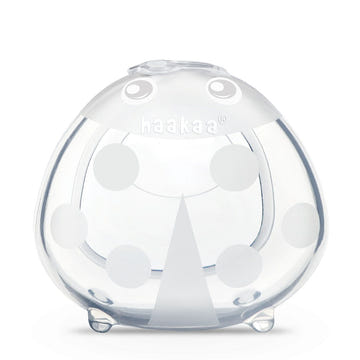
Haakaa Ladybug Silicone Milk Collector 2.5 oz 75 ml
$17.99
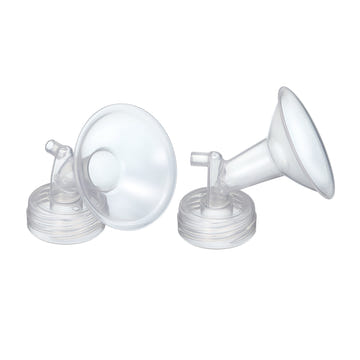
Cimilre Breast Shields set of two 21mm 24mm 28mm 32mm
$19.99
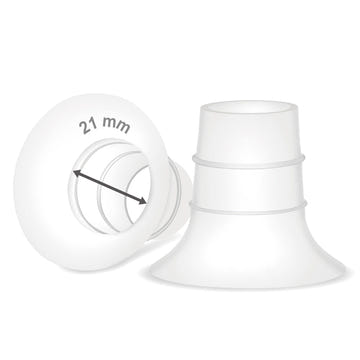
Bae & Bee Boutique Maymom Elvie Flange Inserts Semi-...
$6.00
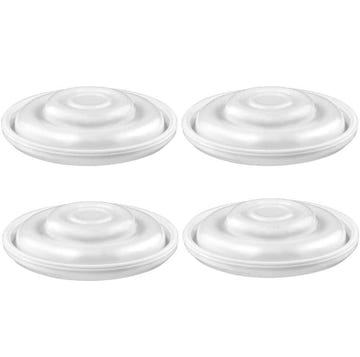
Bae & Bee Boutique 4pc Maymom Silicone Membrane for ...
$10.00
Healthy Horizons Breastfeeding Centers Elvie Pump Sp...
$16.99
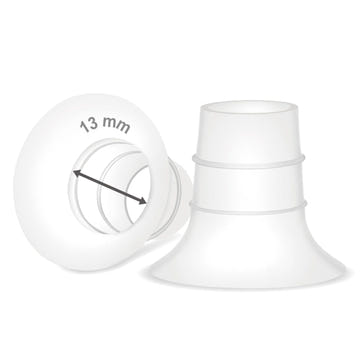
Healthy Horizons Maymom Flange Short Inserts 2 Pack ...
$14.99
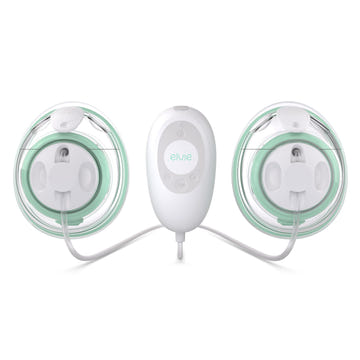
Healthy Horizons Elvie Stride wearable hands-free br...
$189.99
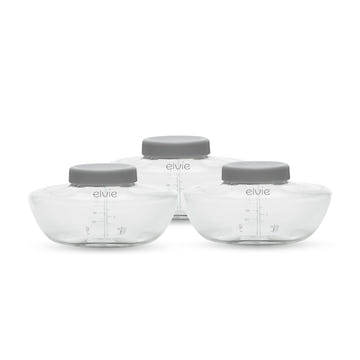
Healthy Horizons Elvie Pump Bottles 3 Pack 150 ml BP...
$34.99
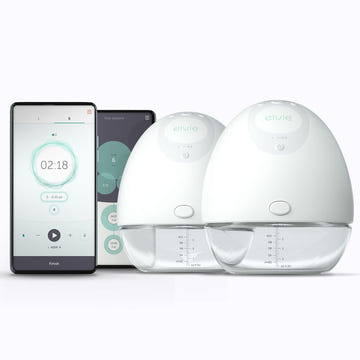
Healthy Horizons Elvie Double Electric Wearable Brea...
$549.99
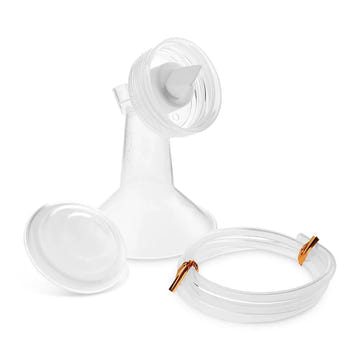
Spectra Wide Neck Breast Flange Kit
$15.99