


Sleep training can feel overwhelming for new parents, but it doesn't have to be. This comprehensive guide covers the most effective sleep training methods, when to start, and essential tips for success.
Watch our complete sleep training guide
When Should You Start Sleep Training?
Most pediatric sleep experts recommend starting sleep training between 4 to 6 months old. Before this age:

- Babies need frequent night feedings for proper nutrition
- Their circadian rhythm isn't fully developed
- They may not be developmentally ready to self-soothe
Signs your baby might be ready:
Safe sleep, sweeter nights
Better baby sleep starts here
Take 15% off at checkout, applied automatically when you shop through this link.
Shop with HAPPYSPRING →Free US shipping over $100. Code applies automatically at checkout.
- 4+ months old (adjusted age if premature)
- Gaining weight appropriately
- Showing signs of self-soothing (thumb sucking, etc.)
- Able to go longer stretches without feeding

A comfortable sleep environment is key to successful sleep training
The 4 Most Effective Sleep Training Methods
1. The Ferber Method (Graduated Extinction)
Developed by Dr. Richard Ferber, this is one of the most researched sleep training methods.
How It Works:
- Put your baby down drowsy but awake
- Leave the room
- If baby cries, wait 3 minutes before checking
- Check briefly (1-2 minutes), reassure with voice/pat, then leave
- Wait 5 minutes before next check, then 10 minutes
- Each night, extend the initial wait time
Timeline: Most babies learn within 3-7 days
2. The Chair Method
A gentler approach that gradually reduces your presence.
How It Works:
- Put baby down and sit in a chair next to the crib
- Stay until baby falls asleep (no picking up)
- Every 2-3 nights, move the chair further from the crib
- Eventually, you'll be sitting outside the room, then gone
Timeline: Usually takes 2-3 weeks
3. Pick Up, Put Down Method
The most hands-on approach, ideal for parents who can't bear to hear crying.
How It Works:
- Put baby down awake
- When baby cries, pick them up to calm
- As soon as they're calm, put them back down
- Repeat until baby falls asleep
Note: Can be exhausting initially but very gentle
4. Bedtime Fading
Works with your baby's natural sleep rhythm.
How It Works:
- Note when your baby naturally falls asleep
- Start bedtime routine 30 minutes before that time
- Once baby falls asleep easily, move bedtime 15 minutes earlier
- Repeat until you reach your desired bedtime
Best for: Babies with irregular sleep patterns

Sleep sacks create a consistent sleep cue for your baby
Picks From This Story
Picks related to this guide, ready to ship from Moogco.

Swaddelini Grey Swaddle Sleep Sack 3D Knit Seamless ...
$54.95

Swaddelini Lavender Swaddle Sleep Sack 3D knit light...
$54.95

Swaddelini Pink Swaddle Sleep Sack 3D Knit Seamless
$54.95

Swaddelini Blue Swaddle Sleep Sack 3D Knit Seamless
$54.95

Dreamland Baby Dream Weighted Sleep Sack 1.0 TOG 68-...
$109.00

Swaddelini Orange Swaddle Sleep Sack 3D Knit Seamless
$54.95
5 Essential Tips for Sleep Training Success
1. Create a Consistent Bedtime Routine
Bath → Pajamas → Feeding → Book → Song → Bed. Same order, same time, every night. Babies thrive on predictability.
2. Watch for Sleep Cues
Yawning, eye rubbing, fussiness, ear pulling. Put baby down BEFORE they become overtired - overtired babies have harder time falling asleep.
3. Set Up the Perfect Sleep Environment
Dark room (blackout curtains), white noise machine, comfortable temperature (68-72°F / 20-22°C). Remove all distractions.
4. Use a Sleep Sack Instead of Blankets
Sleep sacks are safer (no loose blankets), keep baby warm, and become a powerful sleep cue. Baby associates the sleep sack with sleep time.
5. Be Consistent
Pick ONE method and stick with it for at least 2 weeks. Switching methods confuses baby and extends the training process.
Common Sleep Training Mistakes to Avoid
- Starting too early - Wait until baby is developmentally ready (4-6 months)
- Inconsistency - All caregivers must follow the same approach
- Giving up too soon - It can take 1-2 weeks to see results
- Starting during transitions - Avoid starting during teething, illness, travel, or other major changes
- Skipping naps - Overtired babies sleep worse at night
- Relying on sleep props - Rocking, feeding, or holding to sleep creates dependencies
What to Expect During Sleep Training
| Night | What to Expect |
|---|---|
| 1-2 | Crying may last 30-60+ minutes. This is normal and expected. |
| 3-4 | Crying typically decreases significantly. |
| 5-7 | Most babies fall asleep with minimal fussing. |
| Week 2+ | Skill is established. Occasional regressions are normal. |

More Related Picks
A few more favorites from the same collection.

8 Sheep Organics Juniors Bedtime Lotion deep sea mag...
$23.00

Sell My Stuff Elephant Plush Baby Sleep Pillow 30 35...
$40.00
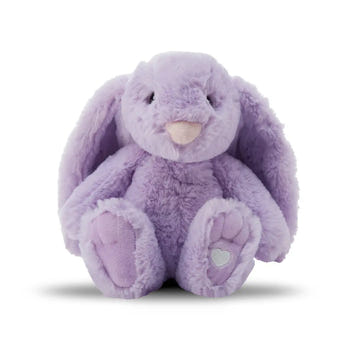
Xander Bunny — Lavender Stuffed Bunny | Weighted Cal...
$45.00

Dreamland Baby Dream Weighted Transition Swaddle arm...
$109.00

Little Martin's Drawer 100% Organic Cotton Sleep Sac...
$38.00
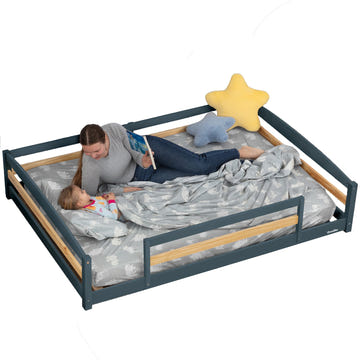
Full-Size Montessori Floor Bed Strong Slatted Frame
$249.99
The Golden Rule of Sleep Training
Every baby is different. What works for one family might not work for another. Be patient with yourself and your baby - good sleep habits take time to develop.
Final Thoughts
Sleep training is a personal choice, and there's no "right" way to do it. The best method is one that:
- You can commit to consistently
- Fits your family's parenting style
- Respects your baby's temperament
Remember: A well-rested baby means a well-rested family. And you've got this!
Building your baby registry? Check out our Ultimate Baby Registry Checklist 2026 — 150+ must-haves, exact quantities, cost breakdown, and what to skip.
Shop Related: Browse our cozy sleepsuits & pajamas and swaddles & sleep sacks — designed for safe, comfortable baby sleep.
Related Guides You Might Love
- How to Increase Breast Milk Supply in the First Weeks: A Complete Week-by-Week Guide
- How to Increase Breast Milk Supply in the First Weeks: A Complete Week-by-Week Guide
- Baby Sleep Schedule by Age: Complete Guide (0-12 Months)
- Baby Sleep Schedule by Age: Complete Guide (0-12 Months)
- Sleep Regression: Complete Guide to 4, 8, 12 & 18 Month Regressions
- Sleep Regression: Complete Guide to 4, 8, 12 & 18 Month Regressions
- How to Choose the Right Pacifier for Your Baby: The Complete Guide
- How to Choose the Right Pacifier for Your Baby: The Complete Guide
- 5 Natural Ways to Soothe Postpartum Breast Pain Without Harmful Chemicals
- 5 Natural Ways to Soothe Postpartum Breast Pain Without Harmful Chemicals
Bring this guide home with 15% off.
Use code HAPPYSPRING for 15% off →
Featured pick from Moogco
Swaddle Blanket Organic Cotton Double Gauze - Breathable for Newborns
$49.00
Shop this pick → Frequently Asked Questions
Can I sleep train if I'm still doing night feedings?
Yes, absolutely! Many babies between 4 and 6 months still need one or two night feedings. You can sleep train for the initial bedtime and early night wakings while still responding to true hunger cues. Work with your pediatrician to determine how many night feeds your baby needs, and be consistent about which wakings you feed versus which you apply your sleep training method to.
What if my baby cries for more than an hour during sleep training?
Extended crying on the first few nights can happen, especially with methods like Ferber. If crying exceeds an hour, it's okay to take a break, comfort your baby, and try again. Make sure all basic needs are met (fed, dry diaper, comfortable temperature) before starting. Some babies protest change more strongly than others, and that's normal.
Should I sleep train for naps and bedtime at the same time?
Most experts recommend starting with nighttime sleep first, as it's biologically easier for babies to learn. Once your baby is falling asleep independently at bedtime (usually after 1-2 weeks), you can apply the same method to naps. Naps often take a bit longer to fall into place, so be patient.
Will sleep training harm my bond with my baby?
No, research shows that sleep training does not harm attachment or the parent-child bond when done at an appropriate age. In fact, well-rested babies and parents often interact more positively during wake times. The key is choosing a method that feels right for your family and responding to your baby's needs consistently and lovingly throughout the day.
How do I handle sleep training with a partner who has different ideas?
Both caregivers must be on the same page for sleep training to work. Sit down together before starting and agree on one method, how you'll handle crying, and who will do checks or interventions. Inconsistency confuses babies and prolongs the process. If you can't agree, consider waiting until you're both ready to commit to the same approach.
What's the difference between sleep regression and sleep training failure?
Sleep regressions are temporary disruptions (usually lasting 2-4 weeks) caused by developmental leaps, illness, teething, or travel. If your previously sleep-trained baby suddenly struggles, it's likely a regression, not training failure. Stick to your routine and method, and sleep typically improves once the regression passes. True training failure usually involves inconsistency in your approach.
Can I sleep train a breastfed baby or will it affect my milk supply?
Yes, you can absolutely sleep train a breastfed baby. If your baby is 4-6 months and gaining weight well, they may not need to eat as frequently at night. However, if you're concerned about supply, you can pump during eliminated night feeds or continue one feeding while training for other wakings. Most moms find their supply adjusts naturally as baby consolidates sleep.
Is it normal for sleep training to work and then suddenly stop working?
Yes, this is completely normal and often happens around developmental milestones, teething, illness, or travel. When disruptions occur, maintain your bedtime routine and give your baby a few nights to resettle into the pattern. You may need to do a mini refresher of your chosen method for 2-3 nights, but it typically comes back much faster than the initial training.
From Moogco Studio
Printable and personalized nursery essentials. Designed by moms for moms.


About the Editor
Eda Ulger is a co-founder of Moogco Baby, the editor of the Moogco Baby Journal, and a mom of two. She curates and edits our guides so every piece is honest, practical, and genuinely helpful for the early days of motherhood.
Shop This Story
Picks related to this guide, ready to ship from Moogco.
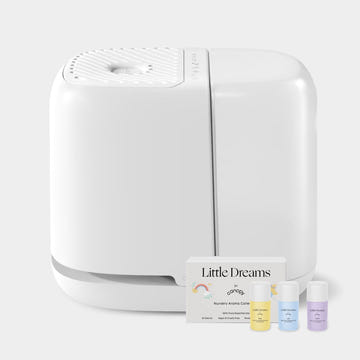
Canopy Nursery Humidifier 2.0 mold-inhibiting dishwa...
$159.00

Burt's Bees Baby Beekeeper Wearable Blanket
$24.95

100% Organic Cotton 1.0 Tog Sleeping Bag with Legs S...
$30.00
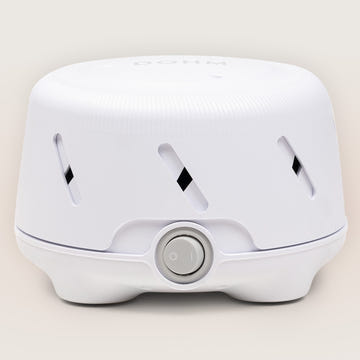
Dohm Uno
$36.99
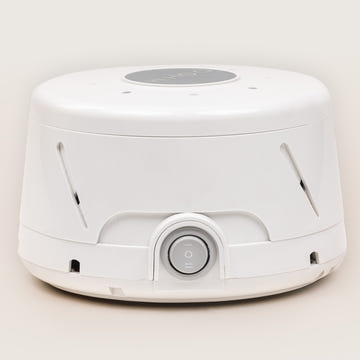
Dohm Classic
$49.99

Rocking Stand for Standard Baby Moses Basket
$184.00

Healthy Horizons Miracle Blanket one-size swaddle 10...
$32.95
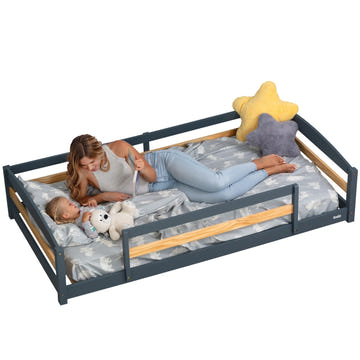
Twin Montessori-Inspired Floor Bed with Guardrails
$219.99

WildBird Dove CloudBlend Sleep Sack TOG 1 Blue grey
$44.00

Hubble Connected Hubble Dream+ Comfort Cloud Sleep S...
$124.99