


Breastfeeding is a natural and beneficial way to nourish your baby, but it is also surrounded by many myths and misconceptions. These myths can cause unnecessary worry and confusion for new mothers. In this blog post, we’ll debunk some of the most common myths about breastfeeding, providing you with accurate information to help you on your breastfeeding journey. Additionally, we’ll highlight how Moogco silver nursing cups can support you by promoting comfort and health.
Myth 1: Small Breasts Can’t Produce Enough Milk
The Truth: Breast size does not determine milk production. Milk production depends on the milk-producing glands, not the size of the breasts. Women with small breasts have the same ability to produce sufficient milk as those with larger breasts. The key to a good milk supply is frequent breastfeeding and proper latch.
Myth 2: You Shouldn’t Breastfeed if You Have a Cold or Flu
The Truth: It is safe to breastfeed if you have a cold or the flu. In fact, breastfeeding can provide your baby with antibodies and other immune factors that help protect them from illness. Just be sure to practice good hygiene, such as washing your hands frequently and wearing a mask if you’re coughing or sneezing.
Myth 3: Formula is Just as Good as Breast Milk
The Truth: While formula provides essential nutrients for babies who cannot be breastfed, it does not match the unique composition of breast milk. Breast milk contains antibodies, enzymes, and other bioactive components that help protect against infections and support the baby’s development. Breastfeeding also promotes bonding between mother and baby.
Myth 4: Breastfeeding is Always Painful
The Truth: While some discomfort is normal in the early days of breastfeeding, persistent pain is not. Pain often indicates issues such as an improper latch, nipple damage, or infections like thrush. Seeking help from a lactation consultant can resolve these problems. Moogco silver nursing cups can also provide relief by promoting healing and preventing infections.
Myth 5: You Can’t Get Pregnant While Breastfeeding
The Truth: While breastfeeding can delay the return of menstruation and reduce fertility, it is not a reliable form of birth control. Ovulation can occur before your period returns, so it is possible to become pregnant while breastfeeding. If you wish to avoid pregnancy, consider using an additional form of contraception.
Myth 6: If Your Baby Feeds Frequently, You Don’t Have Enough Milk
The Truth: Frequent feeding is normal for newborns and does not necessarily indicate a low milk supply. Babies often have growth spurts where they need to feed more frequently. Frequent nursing helps stimulate milk production and ensures your baby gets enough nutrition.
Myth 7: You Must Follow a Strict Feeding Schedule
The Truth: Breastfeeding on demand, rather than following a strict schedule, is often more effective. Babies have different feeding patterns, and allowing them to nurse when they’re hungry helps ensure they get the right amount of milk. This approach also helps maintain a healthy milk supply.
Myth 8: You Should Stop Breastfeeding Once Your Baby Has Teeth
The Truth: There is no need to stop breastfeeding when your baby gets teeth. Many babies continue to breastfeed well into toddlerhood. If your baby bites during breastfeeding, gently remove them from the breast and calmly explain that biting is not allowed.
Myth 9: Breastfeeding Causes Sagging Breasts
The Truth: Breastfeeding is not the cause of sagging breasts. Factors such as genetics, age, and weight changes play a more significant role in breast appearance. Wearing a supportive bra and maintaining a healthy lifestyle can help maintain breast shape.
Myth 10: You Can’t Breastfeed After Breast Surgery
The Truth: Many women can successfully breastfeed after breast surgery, depending on the type of surgery and how it was performed. If you’ve had breast surgery, consult with a lactation consultant or healthcare provider to understand your options and receive guidance.
Moogco Silver Nursing Cups: Enhancing Your Breastfeeding Experience
Moogco silver nursing cups are designed to support breastfeeding mothers by providing natural antibacterial protection and promoting healing. These cups can help alleviate discomfort and prevent infections, making breastfeeding a more comfortable and enjoyable experience.
Benefits of Moogco Silver Nursing Cups:
Natural Antibacterial Properties: Silver’s natural antibacterial properties help prevent infections and promote healing, ensuring your nipples stay healthy during breastfeeding.
Smooth Surface: The smooth surface of Moogco silver nursing cups reduces friction and irritation, providing a soothing barrier between your nipples and clothing.
Healing and Comfort: Moogco silver nursing cups are designed to promote healing and provide comfort, making breastfeeding a more enjoyable experience for both you and your baby.
Conclusion
Breastfeeding is a natural and beneficial practice, but it is often surrounded by myths and misconceptions. By debunking these myths, we hope to provide accurate information that supports you on your breastfeeding journey. Tools like Moogco silver nursing cups can further enhance your experience by promoting comfort and health. Embrace the journey of breastfeeding with confidence, knowing that you are making informed choices for the well-being of your baby and yourself.
Bring this guide home with 25% off.
Use code READER25 for 25% off →
Frequently Asked Questions
Can I breastfeed if I'm taking medication?
Many medications are safe to take while breastfeeding, but it's important to consult with your healthcare provider first. Your doctor can help you weigh the benefits and risks and suggest alternatives if needed. Most common medications pass into breast milk in very small amounts that are safe for babies.

How long should each breastfeeding session last?
Breastfeeding sessions typically last anywhere from 10 to 45 minutes, depending on your baby's age and feeding style. Newborns often feed longer and more frequently, while older babies may nurse more efficiently. Let your baby nurse until they seem satisfied and naturally release the breast, rather than watching the clock.
Curated by moms, vetted by lactation pros
Picks From This Story
Picks related to this guide, ready to ship from Moogco.

The Original Silver Nursing Cups with Silicone Pads
$62.90
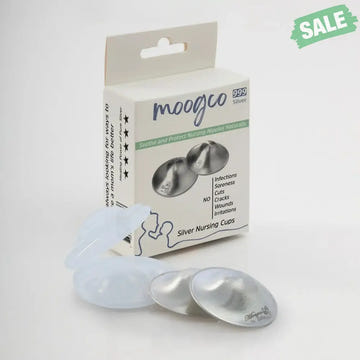
MOOGCO Silver Nursing Cups 999k Silver
$49.90
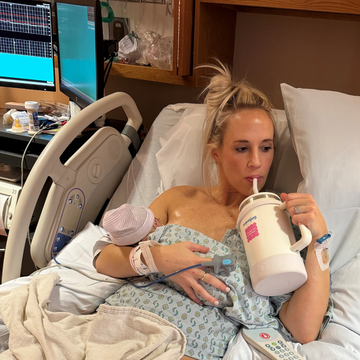
momjug breastfeeding water bottle 50oz double-wall s...
$49.99
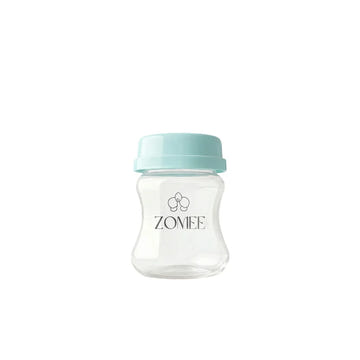
Zomee Breast Pumps Breast Milk Storage Bottles BPA-free
$3.99
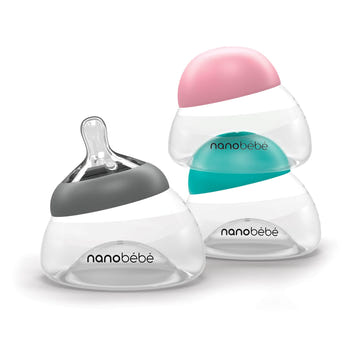
Nanobébé Breastmilk Baby Bottle 5 oz Pack Options Pi...
$16.99
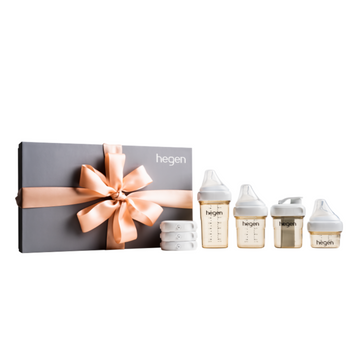
hegen PPSU Essentials Kit 60ml 150ml 240ml baby bottles
$99.99
Everything for the breastfeeding journey
Take 25% off at checkout, applied automatically when you shop through this link.
Shop with READER25 →Free US shipping over $100. Code applies automatically at checkout.
Is it normal for one breast to produce more milk than the other?
Yes, it's completely normal for one breast to produce more milk than the other. Many mothers notice this difference, and it doesn't affect your ability to nourish your baby. You can try starting feedings on the less productive side to help even things out, but slight asymmetry is very common and nothing to worry about.
Can I drink coffee while breastfeeding?
Moderate caffeine consumption is generally safe while breastfeeding. Most experts agree that up to 300 milligrams of caffeine per day, about two to three cups of coffee, is unlikely to affect your baby. If you notice your baby becoming fussy or having trouble sleeping, you may want to reduce your caffeine intake.
How do I know if my baby is getting enough milk?
Signs that your baby is getting enough milk include steady weight gain, six or more wet diapers per day, and contentment between feedings. Your baby should also have regular bowel movements and appear alert and healthy. If you have concerns about your baby's intake, consult with your pediatrician or a lactation consultant.
More Related Picks
A few more favorites from the same collection.
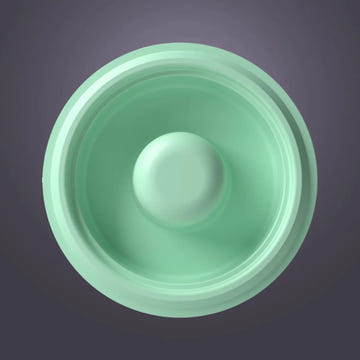
Healthy Horizons Elvie Stride Diaphragms 2 Pack
$21.99
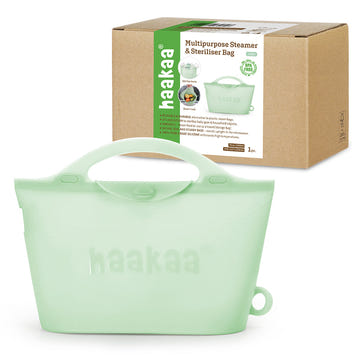
Haakaa Multipurpose Steamer & Sterilizer Bag 3 sizes...
$14.99
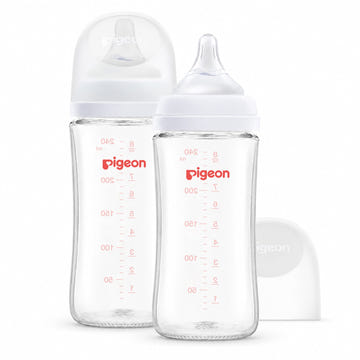
Pigeon Glass Wide Neck Baby Bottle 2-Pack 8.1 oz 3+ ...
$35.99
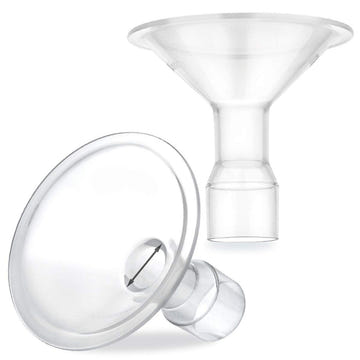
Bae & Bee Boutique Maymom Narrow Neck Flange compati...
$15.00
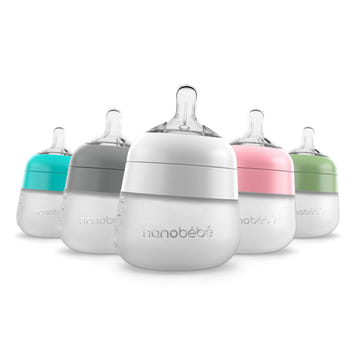
Nanobébé Flexy Silicone Baby Bottle 5oz
$16.99
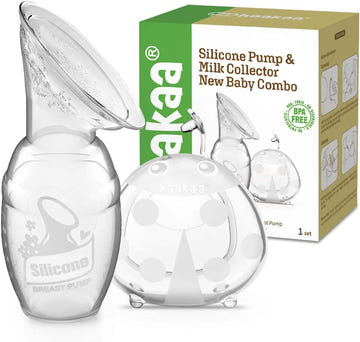
Haakaa Silicone Pump and Ladybug Milk Collector Comb...
$30.32
Can I breastfeed if I have inverted or flat nipples?
Yes, many mothers with inverted or flat nipples successfully breastfeed. Babies latch onto the breast tissue, not just the nipple, so with proper positioning and patience, breastfeeding is usually possible. A lactation consultant can provide specific techniques and tools to help you and your baby succeed.
Should I offer both breasts at each feeding?
It depends on your baby and your milk supply. Some babies are satisfied after nursing from one breast, while others need both. Let your baby finish the first breast completely before offering the second to ensure they get the fatty hindmilk. Alternate which breast you start with at each feeding to maintain even milk production.
Can stress affect my milk supply?
While stress doesn't typically reduce the amount of milk your body produces, it can temporarily affect your let-down reflex, making it harder for milk to flow. Finding ways to relax during feedings, such as deep breathing or sitting in a comfortable spot, can help. Moogco silver nursing cups can provide comfort and reduce one source of stress by promoting healing and preventing nipple discomfort.
From Moogco Studio
Printable and personalized nursery essentials. Designed by moms for moms.


About the Editor
Eda Ulger is the editor at Moogco Baby and a mom of two. She curates and edits our guides so every piece is honest, practical, and genuinely helpful for the early days of motherhood.
Shop This Story
Picks related to this guide, ready to ship from Moogco.
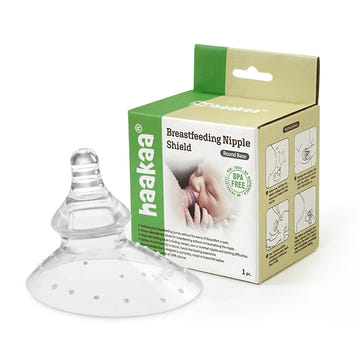
Haakaa Silicone Breastfeeding Nipple Shield Round Sh...
$19.05
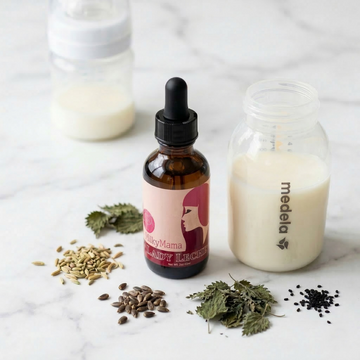
Milky Mama Lady Leche Lactation Liquid Grape Flavor ...
$27.00
Bae & Bee Boutique LactTube 5FR Pediatric Feeding Tu...
$3.00
Bae & Bee Boutique Cherry Shaped Nipple Shield 21mm ...
$14.00

Nanobébé Silicone Anti-Colic Baby Bottle Nipples Gen...
$5.99
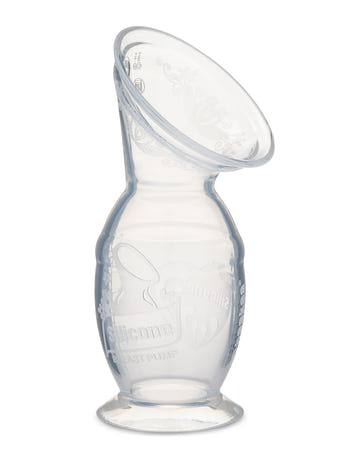
Haakaa Generation 2 Silicone Breast Pump 5 oz Suctio...
$20.99
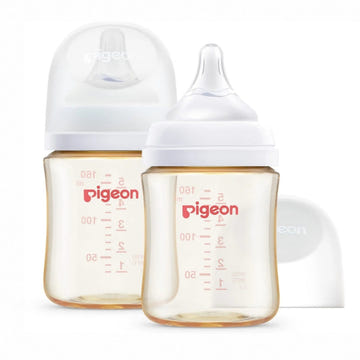
Pigeon PPSU Wide Neck Baby Bottle 2 Pack 5.4 oz Newborn
$34.99
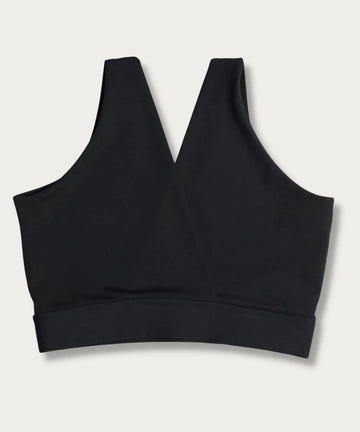
Nyssa FourthWear Postpartum Bralette Nursing and Pum...
$39.00
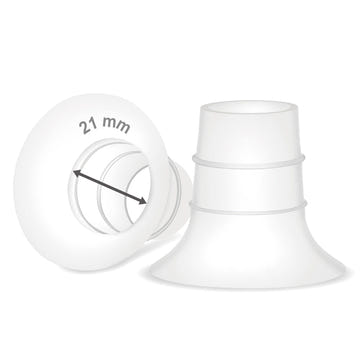
Bae & Bee Boutique Maymom Silicone Medela Flange Ins...
$6.00
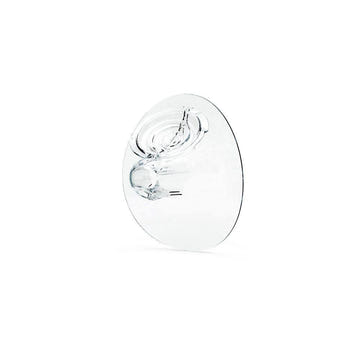
Healthy Horizons Elvie Pump Breast Shields 2 Pack 21...
$29.99