


Natural disasters like hurricanes, wildfires, and floods can strike unexpectedly, and as a mother, preparing for these events can be particularly overwhelming. Whether you’re a new mom or have multiple little ones, having a plan in place is essential to keeping your family safe. In this blog, we’ll guide you through how to prepare for natural disasters and what you need to pack in case you need to evacuate with your baby.
Why Disaster Preparedness Matters for Moms
Disasters can disrupt daily life, from losing power to needing to leave your home entirely. As a mother, this means thinking beyond basic necessities to ensure that your baby’s needs are met, even in stressful situations. Preparing ahead of time can provide peace of mind and ensure that you and your family are ready for anything.
Creating a Family Evacuation Plan
Before packing your emergency kit, it's essential to create a family evacuation plan. This includes knowing your local evacuation routes, setting up a communication plan with family and friends, and identifying a safe place to go if you need to leave your home.
- Know your area's risks: Familiarize yourself with the types of disasters common in your region, whether it’s hurricanes, earthquakes, or fires, and follow official alerts.
- Map out an evacuation route: Have a clear plan for how to evacuate your home quickly and safely. This could involve knowing the nearest shelters or having an agreed-upon location where your family will regroup.
- Prepare for power outages: Stock up on essentials in case of a prolonged loss of electricity, such as battery-powered chargers, flashlights, and non-perishable food.
What to Pack in Your Emergency Bag
When packing for an evacuation, it’s essential to have a comprehensive go-bag prepared ahead of time. You’ll want to include items for your baby, yourself, and the rest of the family to ensure everyone’s needs are covered. Here’s what you should consider packing:
Essentials for Your Baby
- Diapers and wipes: Pack at least a three-day supply of diapers and plenty of baby wipes.
- Formula or breast milk: If you formula feed, pack enough formula, water, and bottles for several days. If you’re breastfeeding, consider packing your breast pump and a way to safely store expressed milk.
- Baby food and snacks: If your baby is eating solids, pack plenty of baby food or snacks.
- Blankets: Lightweight blankets can provide warmth, comfort, or a clean place for diaper changes.
- Extra clothes: Pack multiple outfits for your baby, accounting for weather changes.
- Comfort items: Bring along a pacifier, stuffed animal, or anything else that comforts your baby.
Essentials for Yourself and Family
- Important documents: Keep copies of IDs, insurance information, medical records, and your baby’s birth certificate in a waterproof bag.
- First aid kit: Include basic first aid supplies, including any prescription medications.
- Moogco Silver Nursing Cups: If you're breastfeeding, Moogco Silver Nursing Cups can help soothe sore nipples, especially during stressful times when your body may be under strain.
- Clothing and hygiene products: Pack enough clothes for a few days and essential toiletries like toothbrushes, toothpaste, deodorant, and sanitary products.
- Food and water: Include non-perishable food items for you and your family, as well as plenty of bottled water.
- Portable phone chargers: In case of a power outage, a charged battery pack can help you stay connected.
- Cash: In the event of power outages, ATMs and card readers may not work, so it's essential to have some cash on hand.
Special Considerations for Breastfeeding Mothers
If you’re breastfeeding, it’s important to prepare for a scenario where you may not have immediate access to all of your usual supplies or comforts. Keeping Moogco Silver Nursing Cups in your emergency kit can be a game-changer during stressful times. These silver nursing cups provide relief from sore nipples and promote natural healing, ensuring you can continue to breastfeed comfortably, even under difficult circumstances.
If possible, pump extra breast milk ahead of time and freeze it. Having a cooler or insulated bag in your kit can help keep expressed milk fresh if you’re evacuating. If you're unable to pump or refrigerate, rest assured that breastfeeding directly from the breast is a natural and convenient way to continue feeding your baby in emergencies.
Emotional Support and Self-Care
Disasters are stressful for everyone, especially for mothers managing their children's needs in uncertain situations. It's crucial to take care of yourself, both physically and emotionally. Make sure you include comfort items for yourself in your evacuation bag, such as:
- Books or magazines: Something to help distract or calm you during uncertain moments.
- Snacks: Pack easy-to-eat snacks that keep your energy levels up.
- Moogco Silver Nursing Cups: If you’re breastfeeding, the comfort of silver nursing cups can ease soreness and make nursing more comfortable in high-stress situations.
- A support network: Reach out to family or friends who can offer emotional support, either by accompanying you during an evacuation or being available via phone or text.
Picks From This Story
Picks related to this guide, ready to ship from Moogco.
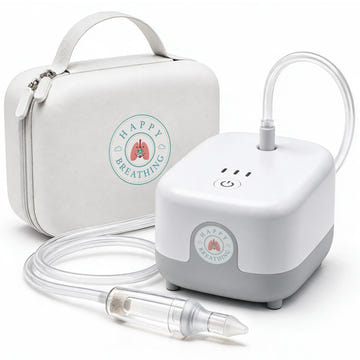
Happy Breathing Suction Baby Nasal Aspirator 3 Level...
$99.00
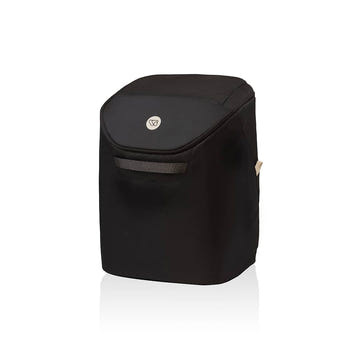
WAYB Pico Carry Bag fits Pico Portable Car Seat thre...
$99.00

2-in-1 Multi-Purpose Inflatable Toddler Travel Bed A...
$49.99
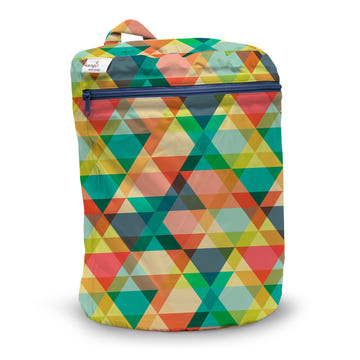
Kanga Care Large Hanging Zippered Wet Bag Waterproof...
$19.95
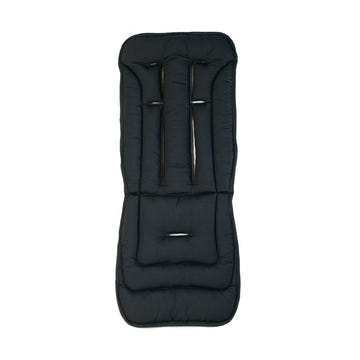
Organic Seat Liner for Uppababy Cruz and Vista
$49.99

Voyager Travel Pillows
$17.97
Final Thoughts: Be Prepared and Stay Safe
Natural disasters can be overwhelming, but having a well-prepared emergency plan and go-bag can help ease some of the stress. As a mother, your priority is your baby’s safety and comfort, so planning for their needs ahead of time is crucial. From diapers to Moogco Silver Nursing Cups, having the right supplies ready to go will ensure you can focus on keeping your family safe during difficult times.
Being prepared not only protects you and your baby physically but also provides peace of mind during an uncertain situation. Stay informed, stay calm, and know that you are doing everything possible to keep your family safe.

Featured pick from Moogco
French Terry Racerback Nursing & Sleep Bra | Beige
$39.90
Shop this pick → Bring this guide home with 20% off.
Use code MOM20 for 20% off →Frequently Asked Questions
How much formula should I pack for a three day emergency evacuation?
Plan for at least 72 hours of formula, calculating based on your baby's daily intake. For example, if your baby drinks 24 ounces per day, pack at least 72 ounces of prepared formula or enough powder and water to make that amount. Always pack a little extra to account for unexpected delays or changes in your baby's appetite during stressful times.

Can I still breastfeed my baby during a stressful evacuation?
Absolutely, and breastfeeding can actually provide comfort and consistency for your baby during stressful situations. Your body will continue to produce milk even under stress, though you may notice temporary changes. Stay hydrated, eat when you can, and use comfort aids like Moogco Silver Nursing Cups to support your nursing journey during emergencies.
Free US shipping over $100
Real essentials, picked by real moms
Take 20% off at checkout, applied automatically when you shop through this link.
Shop with MOM20 →Free US shipping over $100. Code applies automatically at checkout.
What documents should I include in my emergency evacuation bag for my baby?
Pack copies of your baby's birth certificate, immunization records, health insurance cards, and any medical information about allergies or conditions. Store these in a waterproof, sealed bag or folder. Having digital copies on your phone or cloud storage as backup is also smart, but physical copies are essential in case you lose power or phone access.
More Related Picks
A few more favorites from the same collection.
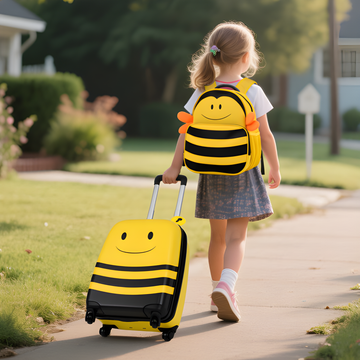
2 Pieces Kids Luggage Set on Wheels with Anti-Lose R...
$52.99
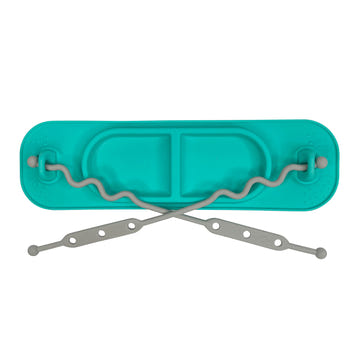
Busy Baby Mini Mat with Toy Straps compact placemat ...
$20.00
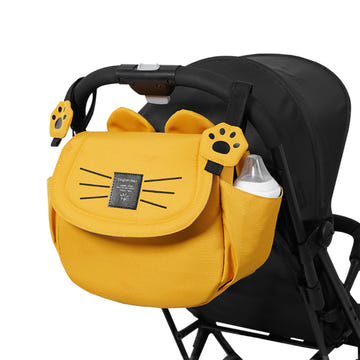
SUNVENO Kitty Paws Stroller Organizer 15x12x4 Inch B...
$35.99
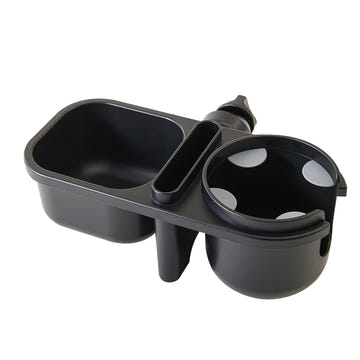
SUNVENO 3-in-1 Stroller Cup Holder with Phone Slot a...
$24.99
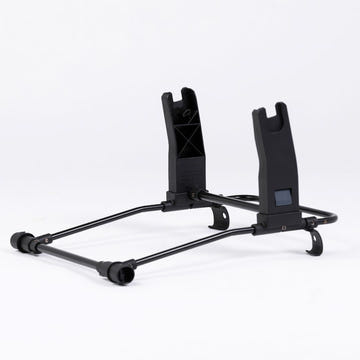
joey Car Seat Adapter for The Joey Wagon Compatible ...
$50.00
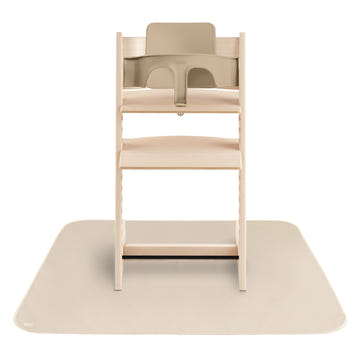
Splat Mat
$24.99
How do I keep pumped breast milk fresh during an evacuation without power?
Use an insulated cooler bag with ice packs to keep expressed milk cold for up to 24 hours. Freshly pumped breast milk can stay at room temperature for up to four hours, so if you're actively evacuating, you have some flexibility. If you have access to a freezer at your evacuation location, transfer the milk as soon as possible to extend storage time.
Should I pack disposable or cloth diapers for emergency evacuation?
Disposable diapers are generally more practical for emergency evacuations since they require no washing and are easier to dispose of in temporary shelter situations. Pack at least 10 to 12 diapers per day for a newborn, or 8 to 10 for older babies. If you normally use cloth, having a small stash of disposables specifically for your emergency kit is a smart backup plan.
What comfort items are most important to pack for my baby during evacuation?
Prioritize items that help your baby feel secure and calm, like their favorite pacifier, a small stuffed animal, or a familiar blanket. These comfort objects can make a huge difference in helping your baby settle in an unfamiliar or stressful environment. Keep these items easily accessible in your go-bag so you can grab them quickly when your baby needs soothing.
How can I prepare my breast pump for use during a power outage?
Invest in a manual breast pump as a backup, or ensure your electric pump has a battery pack option that stays charged. Include extra batteries in your emergency kit and test your backup pump before disaster strikes. If you rely solely on electric pumping, a manual pump can be a lifesaver when electricity is unavailable for extended periods.
What foods should I pack for my baby who is eating solids during evacuation?
Choose shelf-stable, easy-to-serve options like pouches of pureed fruits and vegetables, single-serve containers of baby food, dry cereal, and crackers. Pack a few disposable spoons and bowls to make feeding easier. Avoid items that require refrigeration or complex preparation, and remember to include a variety of options in case you're away from home longer than expected.
From Moogco Studio
Printable and personalized nursery essentials. Designed by moms for moms.


About the Editor
Eda Ulger is the editor at Moogco Baby and a mom of two. She curates and edits our guides so every piece is honest, practical, and genuinely helpful for the early days of motherhood.
Shop This Story
Picks related to this guide, ready to ship from Moogco.
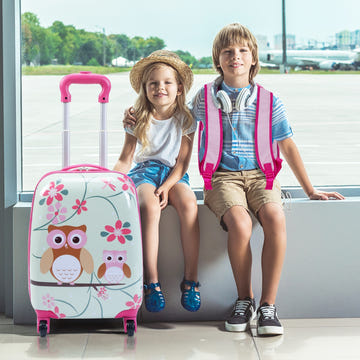
2 Pieces 12 Inch 16 Inch Green ABS Kids Suitcase Lug...
$49.99
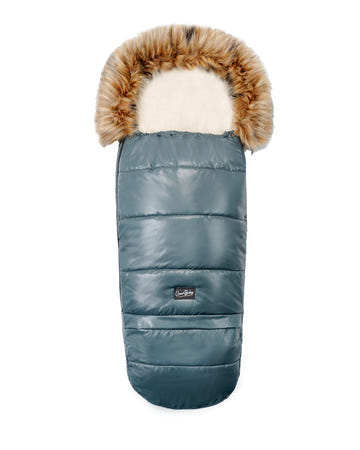
Pastel Hunter Green Organic Premium Wool Adjustable ...
$265.00
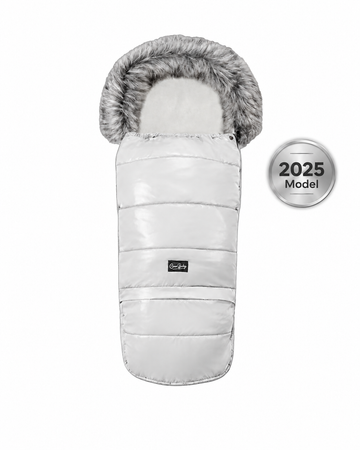
Cover Baby Pastel Gray Organic Premium Wool Adjustab...
$185.50
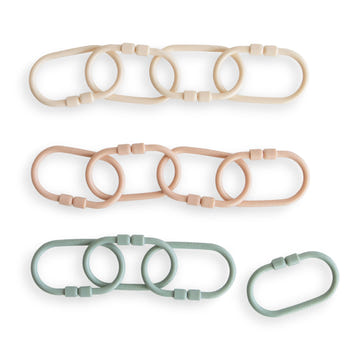
Mushie Chain Link Rings stroller toy three soft colors
$9.99
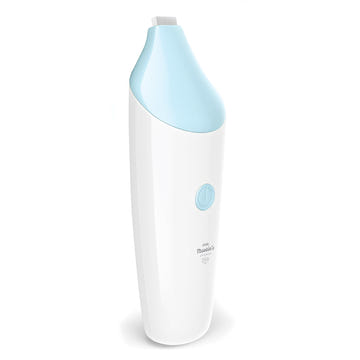
Little Martin's Ultrasonic Garment Spot Cleansing De...
$69.99
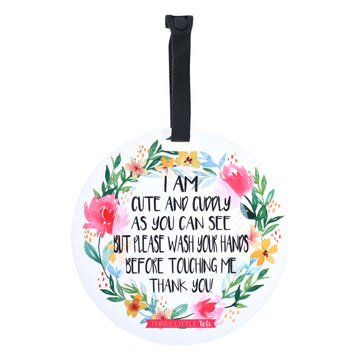
I Am Cute No Touching Newborn Baby Sign
$9.00
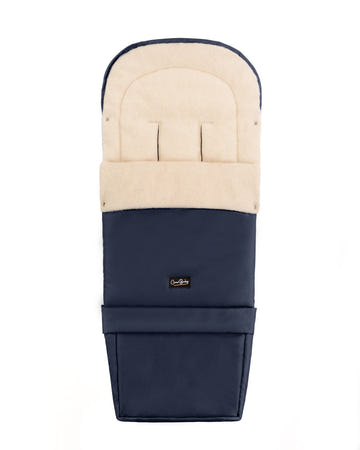
Cover Baby LLC Navy Organic Wool Adjustable Footmuff...
$258.00
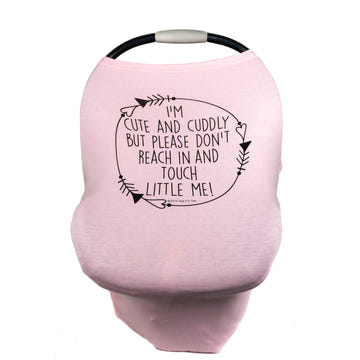
Pink Car Seat 5 in 1 Cover – I'm Cute & Cuddly But...
$9.00
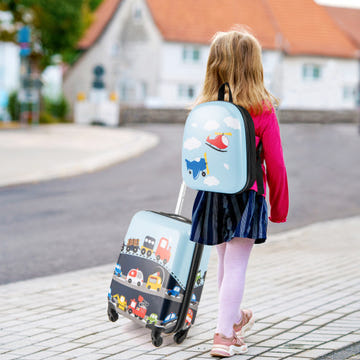
2 PCS Kid Luggage Set With Spinner Wheels for Childr...
$52.99
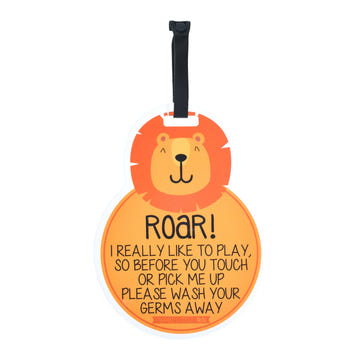
Lion No Touching Tag
$9.00