


Breastfeeding is a natural process, but achieving a good latch can sometimes be tricky. A proper latch is essential for both your baby’s nourishment and your comfort. It ensures your baby gets enough milk and helps prevent issues like nipple pain, cracks, or mastitis. Here’s a guide to help you recognize the difference between a good latch and a bad latch and tips for improving the experience.
What Is a Latch?
A "latch" refers to how your baby attaches to your breast during breastfeeding. A good latch allows your baby to effectively suckle and extract milk, while a poor latch can lead to discomfort and insufficient milk transfer.
Signs of a Good Latch
A good latch should feel comfortable and productive. Look for these signs:
- Wide Open Mouth: Your baby’s mouth is open wide, with lips flanged outward like a fish.
- More Areola in the Baby's Mouth: Your baby’s mouth should cover a good portion of the areola (the dark area around your nipple), not just the nipple itself.
- Chin Tucked In: Your baby’s chin should press gently against your breast.
- Rhythmic Suckling: You can see or hear your baby swallowing after every few sucks.
- No Pain: Breastfeeding may feel like gentle tugging, but it shouldn’t hurt.
- Satisfied Baby: After feeding, your baby seems content and releases the breast on their own.
Signs of a Bad Latch
A poor latch can lead to discomfort, poor milk transfer, and even breastfeeding challenges. Watch for these indicators:
- Shallow Latch: Your baby’s mouth is only on the nipple, not the areola.
- Pain or Cracking: You feel pain or notice cracks, blisters, or bleeding on your nipples.
- Clicking Sounds: Your baby makes clicking noises while feeding, which could mean they’re not sealed properly on the breast.
- Baby Seems Hungry After Feeding: If your baby is unsatisfied after a feed, it may be due to insufficient milk intake caused by a poor latch.
Tips for Achieving a Good Latch
A few adjustments can make a significant difference in your breastfeeding experience.
Positioning Matters
Hold your baby in a comfortable position where their head, neck, and back are aligned. Popular positions include the cradle hold, cross-cradle hold, and football hold.
Aim for the Areola, Not Just the Nipple
Encourage your baby to open their mouth wide before latching. Gently tickle their upper lip with your nipple to stimulate this reflex.
Check Your Baby’s Lips
Ensure your baby’s lips are flanged outward, forming a tight seal around the areola.
Bring Baby to the Breast
Avoid leaning forward or hunching over. Instead, bring your baby to your breast to maintain a comfortable posture.
Break the Latch if Needed
If the latch is painful or uncomfortable, gently insert your finger into the corner of your baby’s mouth to break the seal and try again.
When to Seek Help
If you continue to experience pain, notice weight gain issues in your baby, or feel unsure about the latch, reach out to a lactation consultant. They can provide personalized advice and hands-on support to help you and your baby succeed.
The Role of Moogco Silver Nursing Cups
While working on achieving a good latch, nipple discomfort might still occur in the early days of breastfeeding. Moogco Silver Nursing Cups offer natural relief for sore or cracked nipples. Made from pure silver, these cups promote healing without the need for creams or chemicals. They are a reusable, eco-friendly solution designed to make your breastfeeding journey smoother and more comfortable.
Final Thoughts
A good latch is the foundation of successful breastfeeding, benefiting both you and your baby. With some patience, practice, and a little guidance, you can create a positive experience that supports your baby’s growth and your comfort. Remember, it’s okay to ask for help—every breastfeeding journey is unique, and support is always available to make it a rewarding one.
Bring this guide home with 20% off.
Use code BABY20 for 20% off →
Frequently Asked Questions
How long does it usually take for a baby to learn to latch correctly?
Every baby is different, but most newborns learn to latch well within the first few days to two weeks of life. Some babies latch perfectly right away, while others need a bit more time and practice. If you're still struggling after two weeks, reaching out to a lactation consultant can help identify any issues and get you both on track.

Can a tongue tie cause latching problems in breastfed babies?
Yes, tongue tie (ankyloglossia) can absolutely affect a baby's ability to latch properly. When the tissue connecting the tongue to the floor of the mouth is too tight or short, it restricts tongue movement needed for effective nursing. If you notice clicking sounds, poor weight gain, or persistent nipple pain despite good positioning, ask your pediatrician to evaluate for tongue tie.
Curated by moms, vetted by lactation pros
Picks From This Story
Picks related to this guide, ready to ship from Moogco.

momjug breastfeeding water bottle 50oz double-wall s...
$49.99
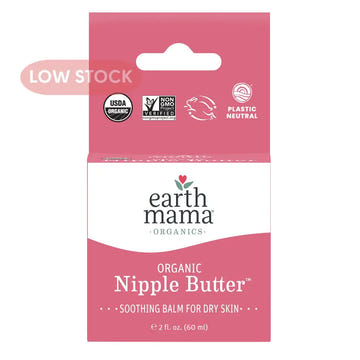
Organic Nipple Butter™ - Double-Sided for Kids
$14.99
Bae & Bee Boutique LactTube 5FR Pediatric Feeding Tu...
$3.00
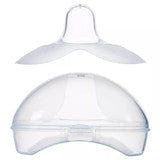
Bae & Bee Boutique Cherry Shaped Nipple Shield 21mm ...
$14.00
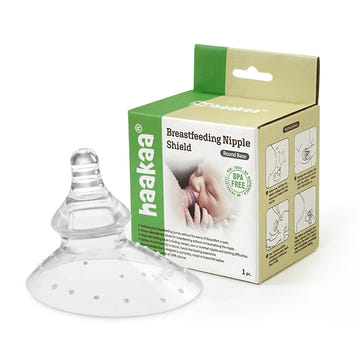
Haakaa Silicone Breastfeeding Nipple Shield Round Sh...
$19.05
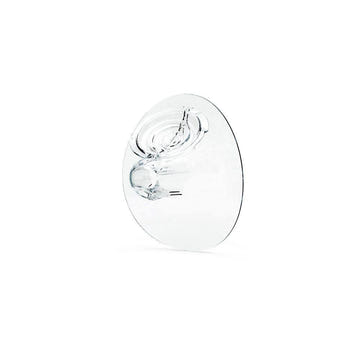
Healthy Horizons Elvie Pump Breast Shields 2 Pack 21...
$29.99
Everything for the breastfeeding journey
Take 20% off at checkout, applied automatically when you shop through this link.
Shop with BABY20 →Free US shipping over $100. Code applies automatically at checkout.
Is it normal to feel pain during the first few seconds of latching?
Some tenderness in the first few seconds as your baby begins to nurse is common, especially in the early weeks. However, pain that continues throughout the feeding or causes you to dread nursing is not normal and usually indicates a latch problem. The discomfort should fade quickly once your baby is nursing rhythmically with a proper latch.
What should I do if my baby falls asleep before getting a good latch?
Sleepy babies can be challenging to latch effectively. Try gently stroking your baby's cheek, changing their diaper, or unwrapping them slightly to encourage alertness before attempting to nurse. Skin-to-skin contact can also help stimulate their feeding reflexes. If your baby consistently falls asleep without feeding well, talk to your pediatrician about weight gain and feeding frequency.
Can using a pacifier interfere with establishing a good latch?
In the early weeks while you're both learning to breastfeed, frequent pacifier use might create nipple confusion for some babies. The sucking motion required for a pacifier is different from breastfeeding, which can sometimes affect latch technique. Once breastfeeding is well established (usually around 3 to 4 weeks), most babies can switch between breast and pacifier without issues.
More Related Picks
A few more favorites from the same collection.

Mila's Keeper Silicone Breast Milk Bottle 6 oz Stand...
$36.00
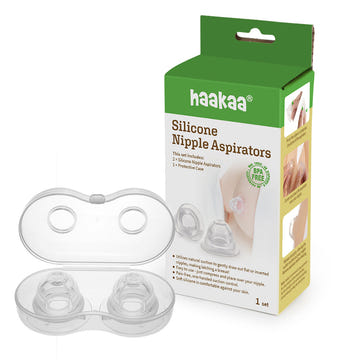
Haakaa Silicone Inverted Nipple Aspirators 2 pk
$17.99
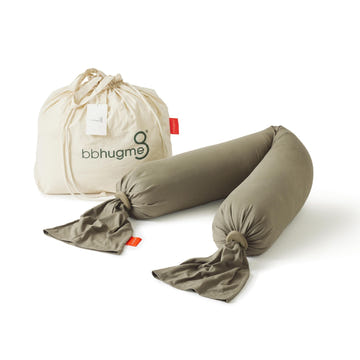
bbhugme Pregnancy Pillow Dusty Olive Adjustable Firm...
$219.00
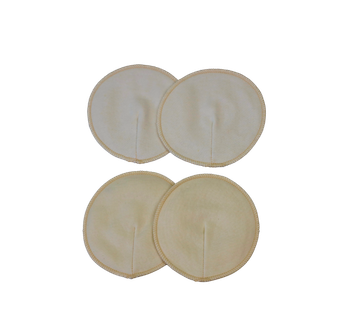
Babee Greens Contoured Nursing Pads 1 Pair Organic C...
$7.25
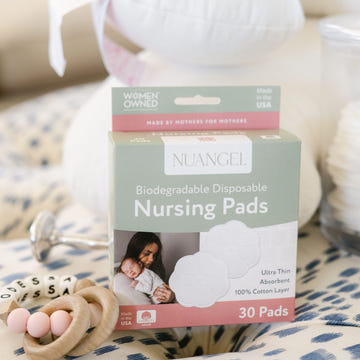
NuAngel Plant-based Disposable Nursing Pads individu...
$9.99
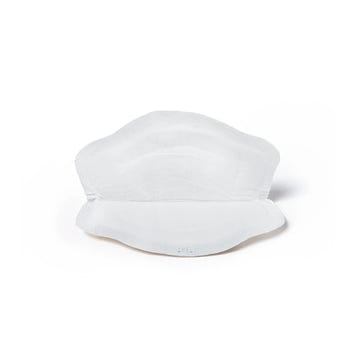
Zomee Breast Pumps Nursing Pads 100 or 200 count
$2.99
Why does my baby seem to latch better on one breast than the other?
It's very common for babies to have a preference or for moms to notice an easier latch on one side. This can be due to differences in nipple shape, milk flow, or simply your baby's positional comfort. Try starting feeds on the more difficult side when your baby is hungriest and most motivated. Experimenting with different nursing positions on that side can also help.
How can I tell if my baby is getting enough milk even with a good latch?
Signs of adequate milk intake include at least six wet diapers per day after the first week, steady weight gain, and your baby seeming satisfied after feedings. You should also hear rhythmic swallowing during nursing sessions. Your pediatrician will track your baby's weight at regular checkups to ensure they're growing appropriately.
Should I relatch my baby every time I feel discomfort during feeding?
If you feel sharp, ongoing pain or notice your baby is only on the nipple rather than the areola, yes, break the latch gently and try again. Don't push through significant pain, as this can lead to nipple damage and make breastfeeding even harder. A properly latched baby may cause brief initial tenderness, but sustained pain means something needs adjusting.
From Moogco Studio
Printable and personalized nursery essentials. Designed by moms for moms.


About the Editor
Eda Ulger is the editor at Moogco Baby and a mom of two. She curates and edits our guides so every piece is honest, practical, and genuinely helpful for the early days of motherhood.
Shop This Story
Picks related to this guide, ready to ship from Moogco.

Holistic Lactation Advanced Lactation Formula 30 Ser...
$34.99
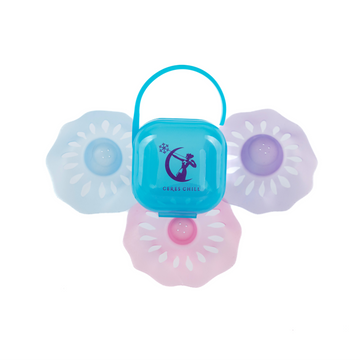
Ceres Chill Shield Maiden Nipple Shields 2pc or 3pc ...
$14.50

WishGarden Herbs Milk Rich Supply Booster pump top b...
$26.99

Wendy Anne Lounger Slip Cover Organic Cotton Waterpr...
$49.00
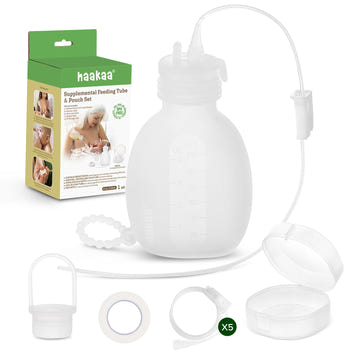
Haakaa Supplemental Feeding Tube and Pouch Set Size ...
$33.99

Milky Mama Dairy Duchess Raspberry Breastfeeding Sup...
$27.00

Preggie Drops Plus Morning Sickness Relief Lollies, ...
$13.75
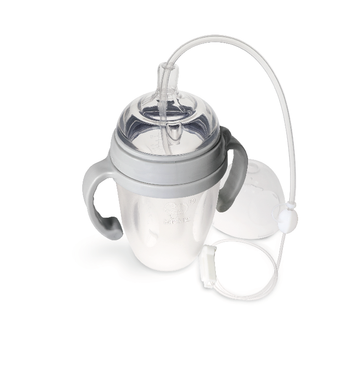
Haakaa Supplemental Feeding Combo 250ml Bottle with ...
$32.99

Euphoric Herbals Milk Machine lactation supplement 2...
$19.99

Euphoric Herbals Super Salve Nursing Salve no essent...
$10.00